
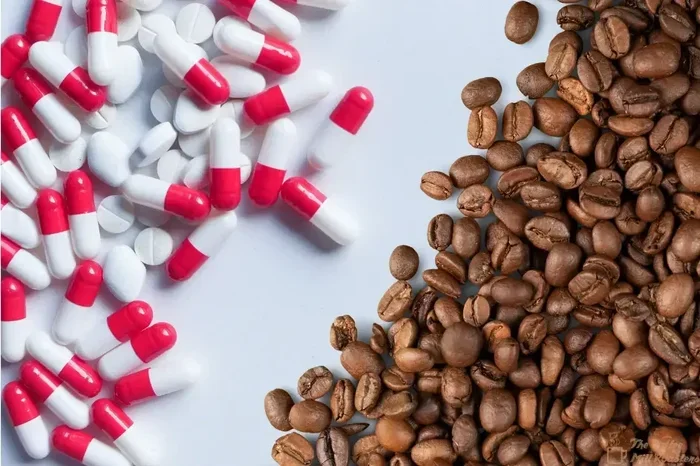
Many people ask can you drink coffee with antibiotics, and the answer depends on the specific medication you take. While some antibiotics work fine with a morning cup, others can cause jitteriness, stomach upset, or reduced absorption. Understanding how caffeine and infection-fighting drugs interact helps you make safer choices. Always check with your doctor or pharmacist before mixing your favorite brew with prescription treatments.
When you start a new round of medication, your daily habits suddenly feel like they need a second look. You might wonder if your morning brew still fits into your routine. The question can you drink coffee with antibiotics comes up often, and it makes perfect sense. You want to feel better, but you also do not want to give up the small comforts that help you get through the day.
The good news is that you do not always have to choose between your medicine and your coffee. The real answer depends on which antibiotic you take, how much caffeine you usually drink, and how your body handles both. Some people notice nothing at all. Others feel extra jittery or notice their stomach acting up. A little knowledge goes a long way here.
In this guide, we will walk through what actually happens when coffee meets antibiotics. You will learn which combinations deserve extra caution, how timing can help, and what signs to watch for. We will keep things simple and practical so you can make a confident choice without the stress.
Key Takeaways
- Not all antibiotics react the same way: Some medications like ciprofloxacin can slow caffeine breakdown, leading to stronger side effects.
- Jitteriness and sleep trouble are common risks: Combining caffeine with certain drugs may amplify nervousness, rapid heartbeat, or insomnia.
- Stomach irritation can worsen: Both coffee and antibiotics often upset digestion, so spacing them out may help.
- Timing matters more than quitting entirely: Waiting a few hours between doses and your cup can reduce unwanted interactions.
- Hydration supports recovery: Drinking water alongside medication helps your body process treatment more smoothly.
- Always ask a healthcare professional: Your pharmacist or doctor can give advice tailored to your exact prescription and health history.
- Listen to your body: If you feel unusually anxious, dizzy, or unwell after mixing coffee and medicine, consider cutting back or switching to decaf.
📑 Table of Contents
- Understanding the Core Question: Can You Drink Coffee with Antibiotics Safely
- How Caffeine and Medication Interact in Your Body
- Which Antibiotics May Cause More Noticeable Effects
- Common Side Effects to Watch For
- Practical Tips for Drinking Coffee While on Medication
- When to Pause or Switch to Decaf
- Expert Insights and Common Mistakes
- Final Thoughts on Coffee and Antibiotics
Understanding the Core Question: Can You Drink Coffee with Antibiotics Safely
Many people search for the answer to can you drink coffee with antibiotics because the advice they hear sounds mixed. Some friends say it is fine. Others warn you to stop completely. The truth sits somewhere in the middle. Most antibiotics do not create a dangerous reaction with caffeine. Still, a few important details can change how your body responds.
Antibiotics work by targeting bacteria that cause infection. Caffeine works by stimulating your nervous system and helping you feel more alert. These two substances do not usually attack each other. The issue comes from how your liver processes them. Your body uses similar pathways to break down caffeine and certain medications. When those pathways get busy, caffeine can linger longer than expected.
That longer stay can make you feel more sensitive to your normal amount of coffee. You might notice a faster heartbeat, extra restlessness, or trouble winding down at night. None of this means you have done something wrong. It simply means your body is handling two active substances at once.
Why the Answer Varies from Person to Person
Your own response depends on several everyday factors. Your natural caffeine tolerance matters a lot. Someone who drinks three cups a day may feel very different from someone who rarely touches coffee. Your age, hydration level, sleep quality, and overall health also play a role. Even the type of infection you are treating can change how you feel.
Some antibiotics have a stronger effect on caffeine metabolism than others. When that happens, the caffeine stays in your system longer. You may then feel the usual buzz more intensely. This is one of the main reasons people ask can you drink coffee with antibiotics before they take their first dose. A little caution helps you avoid unpleasant surprises.
What Usually Happens When You Combine Them
For most common antibiotics, coffee does not stop the medicine from working. You can often enjoy a moderate amount without any real problem. The most likely issues are comfort-related rather than dangerous. You might feel more nervous than usual. You might also notice that your stomach feels a bit more sensitive, since both coffee and some medications can irritate the digestive tract.
If you stay aware of how you feel, you can usually find a balance. Maybe you sip a smaller cup. Maybe you switch to a lighter roast with less caffeine. Maybe you simply wait a bit longer after taking your pill before you drink anything hot. Small adjustments often make a big difference.
How Caffeine and Medication Interact in Your Body
To understand can you drink coffee with antibiotics more clearly, it helps to look at what happens inside your body. Caffeine and many drugs travel through your liver before they leave your system. Your liver uses special enzymes to break them down. Some antibiotics can slow down those enzymes. When that happens, caffeine does not clear out as quickly as it normally would.

Visual guide about coffee and antibiotics pills
Image source: img-s-msn-com.akamaized.net
Think of it like a busy checkout line. If one cashier gets tied up, the whole line moves slower. Your body handles caffeine in a similar way when certain medications are present. The result is not usually harmful, but it can make the caffeine feel stronger. You may feel more awake than you expected, even from a smaller cup.
The Role of Liver Enzymes
Your liver enzymes act like little cleanup crews. They help process many substances you consume every day. Some antibiotics can temporarily change how fast those crews work. That change affects caffeine more than it affects the antibiotic itself. The medication still does its job fighting bacteria. The caffeine simply hangs around a little longer.
This is why some people feel perfectly fine while others feel noticeably wired. Your body chemistry is unique. A dose that feels normal on one day might feel stronger when you are on medication. That does not mean something is wrong. It just means your system is a bit more loaded than usual.
Why Some Combinations Feel Stronger
A few specific antibiotics are known to affect caffeine breakdown more than others. When people ask can you drink coffee with antibiotics, this is often the hidden concern. If your medication belongs to this group, you may want to be more careful with your intake. You do not need to panic. You just need to pay attention.
The stronger feeling usually shows up as mild side effects. You might feel a little shaky. You might notice your heart beating faster after a cup. You might find it harder to relax in the evening. These effects are uncomfortable, but they are usually manageable when you adjust your habits.
Which Antibiotics May Cause More Noticeable Effects
Not every antibiotic behaves the same way. Some are much more likely to change how your body handles caffeine. If you know which type you are taking, you can make a smarter choice about your coffee routine. This is one of the most useful parts of answering can you drink coffee with antibiotics with confidence.
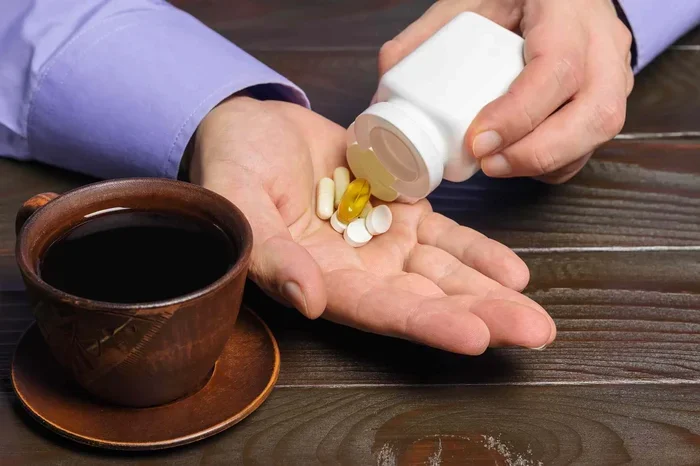
Visual guide about coffee and antibiotics pills
Image source: health.com
Quinolone antibiotics are the group most often mentioned in this conversation. They can slow caffeine clearance and make the stimulant feel more intense. If you are prescribed one of these, your pharmacist may already mention caffeine as something to watch. Other antibiotics may not have this effect at all. Many common options leave caffeine metabolism mostly alone.
When Extra Caution Makes Sense
You may want to be more careful if your medication is known to affect caffeine processing. You may also want to slow down if you already feel anxious, tired, or run down from your illness. When your body is already working hard, adding a strong stimulant can feel overwhelming. A gentler approach usually feels better.
It also helps to remember that illness itself can change how you feel. Fever, poor sleep, and low appetite can make you more sensitive than usual. Sometimes what feels like a coffee reaction is really your body asking for rest and fluids. Listening closely helps you figure out what is actually going on.
Signs That Your Coffee Intake May Be Too High
If you are wondering can you drink coffee with antibiotics and still feel unsure, watch for a few simple signs. These clues can tell you whether your current habit is working or whether you should ease back.
- You feel unusually jittery after your usual cup
- Your heartbeat feels faster or more noticeable
- You have trouble falling asleep at your normal time
- Your stomach feels sour, crampy, or upset after drinking coffee
- You feel more nervous or irritable than usual
If these signs show up, you do not need to assume the worst. You may just need to reduce your caffeine a bit for a few days. Sometimes a smaller mug, a half-caff blend, or an earlier cutoff time is enough.
Common Side Effects to Watch For
When people ask can you drink coffee with antibiotics, they usually want to know what they might feel if they say yes. The side effects are usually mild, but they can still be annoying when you are already trying to recover. Knowing what to expect helps you stay calm and make better choices.

Visual guide about coffee and antibiotics pills
Image source: images.everydayhealth.com
The most common issues are related to stimulation and digestion. Caffeine can increase alertness, but it can also increase nervous energy. Antibiotics can sometimes upset the stomach or change gut comfort. Put together, they may leave you feeling a little more sensitive than normal.
Jitteriness and Sleep Disruption
Caffeine can keep you awake and alert, which sounds helpful when you are sick. The problem is that your body may already be exhausted. If the caffeine stays in your system longer than usual, you might feel too wired to rest when you finally need to. That can make recovery feel harder than it should.
If you notice yourself feeling restless after coffee, try moving your last cup earlier in the day. You can also try a smaller serving. Sometimes less really is more when your body is fighting an infection.
Stomach Sensitivity and Digestive Discomfort
Coffee is naturally acidic, and some people find it irritates the stomach lining. Antibiotics can also cause digestive discomfort for some people. When both are in the picture, your stomach may feel more unsettled. This does not happen to everyone, but it is common enough to notice.
If your stomach feels delicate, try having coffee with food instead of on an empty stomach. You can also sip it more slowly. Small changes like these often reduce irritation without forcing you to give up coffee entirely.
Increased Heart Rate or Restlessness
Some people feel a stronger heartbeat after combining caffeine with medication. This can feel alarming if you are not expecting it. In many cases, it is simply a sign that your body is reacting to a stronger stimulant effect. Still, if you feel dizzy, very uncomfortable, or unusually short of breath, it is wise to slow down and get advice.
If your pulse feels fast and you also feel faint or unwell, do not ignore that. A quick check-in with a healthcare professional can give you peace of mind. It is always better to ask than to guess when something feels off.
Practical Tips for Drinking Coffee While on Medication
If you want to keep enjoying coffee while you recover, a few practical habits can help. The goal is not to make your life harder. The goal is to make your routine safer and more comfortable. When people ask can you drink coffee with antibiotics, these tips often make the answer feel much easier.
Start by paying attention to how much caffeine you actually consume. Coffee is not the only source. Tea, soda, chocolate, and some energy drinks also add up. If you are already sensitive, the total amount matters more than the cup in front of you.
Timing Your Coffee Around Your Dose
Spacing things out can make a real difference. You do not need a perfect schedule, but a little distance between your medicine and your coffee can help you notice how your body responds. Some people prefer to take their medication first and wait before having coffee. Others feel better having coffee with breakfast and taking medicine a bit later.
The best timing is the one that feels comfortable for you. If you notice stomach upset, separating the two may help. If you notice extra stimulation, an earlier cutoff time may work better. Keep it simple and adjust as needed.
Choosing Lower-Caffeine Options
If you want to keep your coffee habit without feeling overstimulated, lower-caffeine choices can help. A half-caff blend gives you the flavor you enjoy with less stimulation. A lighter cup in the afternoon can also keep you from pushing your caffeine intake too high.
You can also try smaller portions. A tiny mug in the morning may satisfy your craving without overwhelming your system. If you love the ritual of coffee, the size of the cup does not have to disappear just because you are taking medicine.
Staying Hydrated and Listening to Your Body
Water is one of the simplest supports for your body during treatment. It helps you stay hydrated, and hydration always makes recovery feel a little easier. If you drink coffee, balance it with water too. That way you get the comfort of your brew without letting it dominate your fluid intake.
Also, pay attention to how you feel after each cup. Your body usually gives you clear hints. If you feel calmer and more comfortable with less caffeine, that is useful information. If you feel fine with your usual amount, then you may not need to change much at all.
When to Pause or Switch to Decaf
Sometimes the smartest choice is to take a short break. If you are feeling especially sensitive, switching to decaf for a few days can give your body some relief. You still get the warm drink and the familiar taste without as much stimulation. That can be a nice middle ground when you are asking can you drink coffee with antibiotics and want a safer option.
A break may also help if your sleep has been poor. Recovery goes better when you rest well. If coffee is making it harder to settle down, a temporary switch can support your healing. You can always return to your regular cup once you finish the medication and your energy feels steadier.
Choosing a Gentler Routine During Recovery
Your routine does not have to be perfect. It just has to work for you. Maybe you stick to one cup in the morning. Maybe you choose a milder blend. Maybe you add a second water break during the day to stay balanced. These small decisions add up.
If you feel uncertain, try a short experiment. Cut back a little for two or three days and see how you feel. If you sleep better and feel calmer, you have your answer. If nothing changes much, then your original habit was probably fine all along.
Expert Insights and Common Mistakes
Healthcare professionals usually focus on comfort, safety, and clarity. Their advice often sounds simple because the basics really do matter. Take your medication as directed. Notice how you feel. Ask questions if something seems unusual. That steady approach is usually more helpful than strict rules for every person.
One common mistake is assuming all antibiotics act the same. Another is ignoring how much total caffeine you consume from all sources. A third is blaming coffee for every symptom that appears during illness. Sometimes the infection itself is the main reason you feel tired, achy, or off balance.
Quick Tips for a Smoother Routine
- Read the medication guide that comes with your prescription
- Ask your pharmacist about caffeine if you feel unsure
- Keep your coffee amount moderate while you are healing
- Avoid stacking caffeine from multiple drinks or snacks
- Stop and ask for help if you feel very unwell
These small habits can make the question can you drink coffee with antibiotics much easier to answer in real life. You do not need a complicated plan. You just need to stay aware and adjust when your body asks for it.
Common Mistakes to Avoid
- Assuming every antibiotic has the same effect on caffeine
- Drinking large amounts of coffee when you already feel anxious or exhausted
- Ignoring stomach discomfort and pushing through anyway
- Forgetting that tea, soda, and other drinks also contain caffeine
- Skipping a conversation with your pharmacist when you have questions
Avoiding these mistakes does not require perfection. It simply helps you stay ahead of avoidable discomfort. That is usually enough to keep your recovery on track.
Final Thoughts on Coffee and Antibiotics
So, can you drink coffee with antibiotics? In many cases, yes, with a little awareness. Most people can still enjoy a cup or two without serious trouble. The main thing is to notice how your body responds and to make small changes when needed. A lighter cup, a better timing habit, or a short switch to decaf can make the whole experience feel easier.
If your medication is one that affects caffeine breakdown, or if you already feel sensitive, a more cautious approach makes sense. Watch for jitteriness, sleep trouble, stomach upset, or a racing heartbeat. If those show up, ease back and give your body a little more room to rest. And if you are ever unsure, a quick conversation with your doctor or pharmacist can clear things up fast.
Your health comes first, but that does not mean you have to give up every comfort. With a bit of attention, you can usually keep your coffee routine while still supporting your recovery. Listen to your body, keep things moderate, and make the choice that helps you feel better both during and after treatment.
Frequently Asked Questions
Can I drink coffee while taking antibiotics?
Yes, in many cases you can, but it depends on the specific antibiotic and how much caffeine you usually drink. Some medications can make caffeine feel stronger, so it helps to watch how your body responds.
Why do some antibiotics make coffee feel stronger?
Certain antibiotics can slow down how quickly your body clears caffeine. That means the caffeine may stay in your system longer and feel more intense than usual.
Should I stop drinking coffee completely during treatment?
Not always. Many people can keep drinking coffee in moderation. If you feel jittery, have sleep trouble, or notice stomach upset, cutting back or switching to decaf may help.
What are the main signs that coffee is not agreeing with my medication?
Common signs include feeling extra nervous, having a faster heartbeat, struggling to sleep, or feeling more stomach discomfort than usual. If those happen, try reducing your caffeine and see if you feel better.
Is it better to drink coffee before or after taking antibiotics?
There is no one perfect answer for everyone. Spacing coffee and your medication a bit apart may help some people feel more comfortable, especially if they notice stomach irritation or strong stimulation.
When should I talk to a doctor or pharmacist about coffee and antibiotics?
You should ask if you feel very unwell, unusually dizzy, or highly sensitive after combining coffee with your medication. It is also smart to check if you know your antibiotic may affect caffeine breakdown.



