
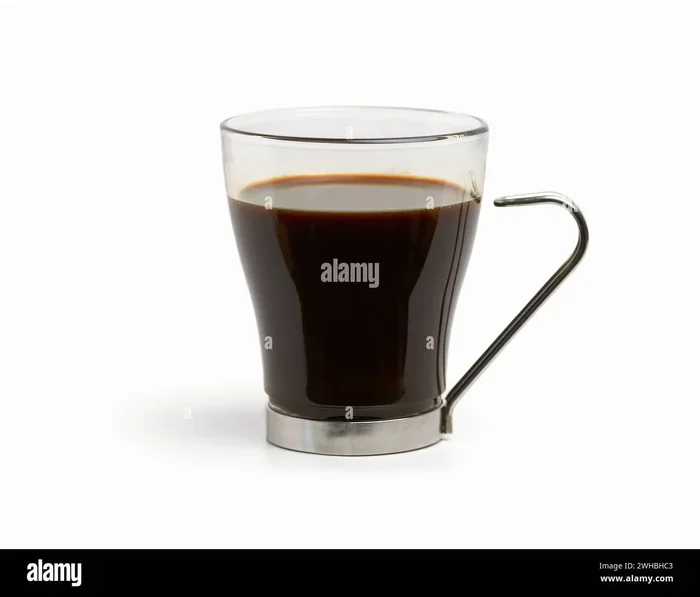
The average 8-ounce cup of brewed coffee contains about 95 milligrams of caffine. However, this number changes based on your bean type, brew method, and serving size. Understanding how much caffine is in one cup of coffee helps you manage your daily intake and avoid jitters. We will break down the numbers so you can drink smarter and feel better.
Many people start their day with a hot mug. It gives energy. It wakes up the brain. But do you know what is inside that mug? Understanding how much caffine is in one cup of coffee is important for your health. Some cups hold a little boost. Others hold a lot. It depends on many things.
You might think all coffee is the same. It is not. The bean type changes things. The way you brew it changes things too. Even the size of your cup matters. We will look at all these details. You will learn to guess the strength. This helps you drink safely.
Key Takeaways
- Average Content: A standard 8-ounce cup of brewed coffee has approximately 95 milligrams of caffine.
- Bean Type Matters: Robusta beans contain nearly twice as much caffine as Arabica beans.
- Brew Method Impacts Strength: Espresso has more caffine per ounce, but drip coffee often has more per serving.
- Serving Size Counts: Large mugs and coffee shop drinks can contain 200 milligrams or more per cup.
- Roast Level Myth: Dark roast does not necessarily mean more caffine than light roast.
- Health Limit: Most adults should limit daily caffine intake to 400 milligrams for safety.
- Decaf Is Not Zero: Decaffeinated coffee still contains small amounts of caffine, usually around 2 to 5 milligrams.
📑 Table of Contents
- What Is the Average Caffine Content?
- Does Bean Type Change the Amount?
- How Brew Methods Affect Caffine
- Serving Size and Coffee Shop Drinks
- Does Roast Level Matter?
- Health Guidelines and Safety
- Decaf Coffee and Caffine
- Tips for Managing Your Intake
- Common Mistakes to Avoid
- Expert Insights on Caffine
- Key Takeaways
What Is the Average Caffine Content?
Let us start with the basics. Most experts agree on a number. A standard cup is usually 8 ounces. This is about 240 milliliters. For this size, the average caffine amount is 95 milligrams. Some sources say it ranges from 70 to 140 milligrams. It varies widely.
Why does it vary? Many factors play a role. The coffee bean species is a big one. The roast level plays a part too. Even the water temperature matters. Hotter water extracts more caffine. But do not worry. We will break it down for you.
Standard Measurements
When people talk about a cup, they mean different things. In a lab, a cup is 8 ounces. In a coffee shop, a small might be 12 ounces. This changes the total caffine. A larger cup means more liquid. More liquid means more caffine. Always check the size.
Here is a simple look at standard sizes:
- Small (8 oz): About 95 milligrams of caffine.
- Medium (12 oz): About 140 milligrams of caffine.
- Large (16 oz): About 190 milligrams of caffine.
These numbers are estimates. Your specific brew might differ. But this gives you a good starting point. Knowing how much caffine is in one cup of coffee starts with knowing your cup size.
Does Bean Type Change the Amount?
Yes, the bean type matters a lot. There are two main types of coffee beans. You have Arabica and Robusta. Arabica is more common. It tastes smoother. It has less caffine. Robusta is stronger. It tastes more bitter. It has more caffine.

Visual guide about fresh cup of coffee
Image source: img.freepik.com
Robusta beans have nearly double the caffine of Arabica. If you drink a blend, the ratio matters. Some instant coffees use Robusta. This makes them stronger. Specialty shops often use Arabica. This makes them smoother. Check the package if you can.
Arabica vs. Robusta
Let us compare them directly. Arabica beans grow at higher altitudes. They are harder to grow. Farmers love them for the flavor. Robusta grows lower down. It is hardier. It resists pests better. This hardiness comes from the caffine.
Caffeine acts as a natural pesticide. It kills bugs that try to eat the plant. Robusta needs more protection. So it makes more caffine. If you want less caffine, choose 100% Arabica. If you want a strong kick, look for Robusta blends.
How Brew Methods Affect Caffine
The way you make coffee changes the result. Some methods extract more caffine. Others extract less. Drip coffee is very common. It usually has a moderate amount. French press is similar. Espresso is different.

Visual guide about fresh cup of coffee
Image source: as1.ftcdn.net
Espresso uses pressure. It forces water through grounds quickly. The result is concentrated. A single shot has about 63 milligrams. But people often drink more than one shot. A double shot has around 125 milligrams. Even though the volume is small, the density is high.
Drip Coffee vs. Espresso
Do not confuse concentration with total amount. Espresso is strong per ounce. But you drink less of it. A full mug of drip coffee has more total caffine. You drink more liquid. So the total intake is higher. This is a common confusion.
Here is a quick comparison:
- Drip Coffee (8 oz): 95 milligrams total.
- Espresso (1 shot): 63 milligrams total.
- Cold Brew (8 oz): Can be higher, up to 200 milligrams.
Cold brew is interesting. It steeps for a long time. Sometimes 24 hours. This long contact time extracts lots of caffine. But it is often diluted. Check how you mix it. If you drink it straight, it is very strong.
Serving Size and Coffee Shop Drinks
Home brews are one thing. Coffee shop drinks are another. Chains like Starbucks serve large portions. Their smallest size is often 12 ounces. This is already more than a standard cup. Their large sizes can be 20 ounces or more.
A 20-ounce venti coffee can have 400 milligrams of caffine. This is your entire daily limit. You should be careful. Specialty drinks also add milk and sugar. These do not add caffine. But the coffee base is strong. Some drinks have multiple shots of espresso.
Hidden Caffine in Large Mugs
At home, we use mugs. Many mugs hold 12 to 16 ounces. If you fill it to the top, you get more caffine. It is easy to lose track. You might think you had one cup. Really, you had two. Measure your water sometimes. It helps you stay aware.
If you want to control intake, use a smaller mug. Or fill it only halfway. This simple trick helps. You still enjoy the taste. You just get less caffine. It is a good habit for sensitive people.
Does Roast Level Matter?
Many people believe dark roast has more caffine. This is a myth. Roasting burns off some caffine. But the difference is small. Light roast actually has slightly more by volume. Dark roast beans are less dense. They expand more.
If you measure by scoop, light roast has more. The beans are denser. You fit fewer beans in a scoop. Wait, that means less caffine. Let us clarify. If you measure by weight, it is similar. If you measure by scoop, light roast is denser. So you get more beans. More beans mean more caffine.
The Truth About Dark Roast
Dark roast tastes stronger. The flavor is bolder. People assume this means more caffine. But flavor does not equal caffine. The roasting process changes flavor. It does not change caffine much. Do not choose roast based on caffine needs. Choose based on taste.
If you want less caffine, buy decaf. Roast level will not help much. The difference between light and dark is negligible. It is less than 5 percent. You will not feel it. Focus on bean type and brew instead.
Health Guidelines and Safety
Why does this matter? Too much caffine causes problems. It makes you jittery. It keeps you awake. It can raise your heart rate. Most healthy adults can handle 400 milligrams a day. This is about four cups of coffee.
Some people are sensitive. They feel effects with less. Pregnant women should limit intake. Doctors often suggest 200 milligrams max. Teenagers should also limit it. Children should avoid it mostly. Listen to your body.
Signs of Too Much Caffine
How do you know if you had too much? Watch for these signs:
- Insomnia: You cannot sleep at night.
- Anxiety: You feel nervous or shaky.
- Heart Palpitations: Your heart beats fast.
- Upset Stomach: You feel acidic or sick.
- Headaches: You get headaches after the effect wears off.
If you feel these, cut back. Drink water instead. Switch to tea. Tea has less caffine. Or try decaf coffee. You still get the ritual. You just skip the stimulant.
Decaf Coffee and Caffine
Decaf is popular. People think it has zero caffine. It does not. The process removes most of it. But small amounts remain. A cup of decaf has 2 to 5 milligrams. This is very low. But it is not nothing.
If you are extremely sensitive, even this might matter. But for most, it is safe. You can drink several cups without worry. It is a good option for evenings. You can enjoy the taste. You do not lose sleep.
How Decaf Is Made
Beans are steamed. Then solvents wash the caffine away. Or water processes it. The beans are dried. Then they are roasted. The flavor stays mostly the same. Some subtle notes might change. But it tastes very close to regular coffee.
Look for Swiss Water Process. It uses only water. No chemicals. Many people prefer this method. It is clean and safe. The caffine removal is very effective. You get a clean cup.
Tips for Managing Your Intake
You can control your consumption. Here are some practical tips. Use them to drink smarter.
- Measure your beans: Use a scale for consistency.
- Check the label: Some brands list caffine content.
- Limit afternoon drinks: Stop by 2 PM to sleep better.
- Drink water first: Hydrate before caffeinating.
- Try half-caff: Mix regular and decaf beans.
Mixing beans is a great trick. You get the taste. You get less caffine. It is perfect for transition days. You are cutting back slowly. You do not feel withdrawal.
Common Mistakes to Avoid
People make errors often. Avoid these pitfalls. Do not assume all cups are equal. Do not ignore coffee shop sizes. Do not drink right before bed. These habits cause issues.
Also, do not forget other sources. Soda has caffine. Tea has caffine. Chocolate has caffine. Energy drinks have lots. Count all of it. Your total daily load matters. Coffee is just one part.
Expert Insights on Caffine
Experts suggest timing matters. Drink coffee when cortisol is low. This is usually mid-morning. Drinking right after waking is less effective. Your body is still waking up. Wait 90 minutes. You will feel the boost more.
Also, do not use coffee to fix sleep loss. It masks fatigue. It does not fix it. You still need rest. Relying on coffee too much is risky. It becomes a cycle. You sleep less. You drink more. Break the cycle.
Key Takeaways
Let us review the main points. How much caffine is in one cup of coffee depends on many things. Standard brew is 95 milligrams. Beans and brew change this. Size matters most. Watch your total daily intake. Stay under 400 milligrams. Listen to your body.
You now have the facts. You can make better choices. Enjoy your coffee. Stay healthy. Drink responsibly.
Frequently Asked Questions
How much caffine is in a shot of espresso?
A single shot of espresso contains about 63 milligrams of caffine. A double shot has around 125 milligrams. Even though it is small, it is very concentrated.
Does dark roast coffee have more caffine?
No, dark roast does not have significantly more caffine. Light roast actually has slightly more by scoop because the beans are denser. The difference is very small and negligible for most drinkers.
Is decaf coffee completely free of caffine?
No, decaf coffee is not completely free of caffine. It usually contains 2 to 5 milligrams per cup. The decaffeination process removes most of it, but trace amounts remain.
How many cups of coffee can I drink per day?
Most healthy adults can safely drink up to 400 milligrams of caffine daily. This equals about four standard 8-ounce cups of brewed coffee. You should adjust this based on your personal sensitivity.
Does cold brew have more caffine than hot coffee?
Cold brew can have more caffine because it steeps for a longer time. However, it is often diluted with water or milk. Check the ratio to know the exact strength of your drink.
Why does coffee make me feel anxious?
Too much caffine can stimulate your nervous system. This leads to feelings of jitteriness or anxiety. If this happens, try reducing your intake or switching to lower-caffine options like tea.
=== CONCLUSION ===
Knowing how much caffine is in one cup of coffee helps you manage your energy. It helps you sleep better too. Remember that size and beans matter. Standard brew is around 95 milligrams. But coffee shop drinks can be much higher.
Stay within safe limits. Watch for signs of too much intake. Use the tips we shared. You can enjoy your morning brew without worry. Drink smart and feel great every day.



