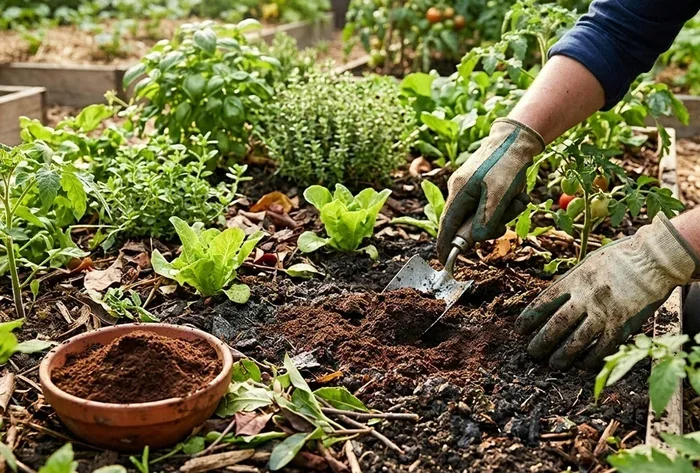
Many people throw away used coffee beans without knowing how to reuse coffee grounds for amazing benefits. These dark, crumbly leftovers work wonders in gardens, kitchens, and beauty routines. You can boost soil health, scrub tough stains, and even refresh your skin with them. This guide shows you practical, easy ways to turn waste into value without spending extra money. Start saving your grounds and enjoy these simple, earth-friendly tricks today.
Every morning, millions of us brew a fresh pot of coffee. We enjoy the rich aroma and the warm energy boost. Then we toss the leftover beans into the trash without a second thought. But what if those dark, crumbly leftovers could do more for you? Learning how to reuse coffee grounds is a simple habit that saves money and cuts down on waste.
Spent coffee beans still hold useful properties. They contain mild acids, nitrogen, and a rough texture that works well for many everyday tasks. You do not need fancy tools or special skills to put them to work. A little creativity turns your daily cup into a handy helper around the house.
In this guide, you will discover safe, practical ways to give your grounds a second life. We will cover garden care, cleaning tricks, beauty uses, and smart storage tips. You will also learn what to avoid so you stay safe and get real results. Let us dive in and make the most of every brew.
Key Takeaways
- Plant Nutrition: Used grounds add nitrogen and improve soil structure for healthier growth.
- Natural Deodorizer: Dried grounds absorb fridge, closet, and shoe odors quickly.
- Gentle Scrubber: The gritty texture cleans cookware, sinks, and bathroom surfaces.
- Skin Care Helper: Mixed with simple ingredients, grounds exfoliate and smooth dry skin.
- Compost Booster: Grounds balance carbon-rich waste and speed up healthy decomposition.
- Pet Safety First: Always use grounds carefully around animals to avoid stomach upset.
- Proper Storage: Dry your grounds fully before storing them to prevent mold and smell.
📑 Table of Contents
- Why You Should Learn How to Reuse Coffee Grounds
- How to Reuse Coffee Grounds in Your Garden
- How to Reuse Coffee Grounds for Cleaning and Deodorizing
- How to Reuse Coffee Grounds for Skin and Body Care
- How to Reuse Coffee Grounds in the Kitchen Beyond Brewing
- How to Store and Prepare Grounds for Later Use
- Final Thoughts on How to Reuse Coffee Grounds
Why You Should Learn How to Reuse Coffee Grounds
Most households throw away pounds of used coffee each year. That adds up to a lot of waste in landfills. When you reuse those grounds, you keep useful material out of the trash. You also save money on garden supplies, cleaning products, and beauty items.
Used coffee beans still hold nutrients and natural oils. They bring nitrogen to soil and help break up heavy dirt. Their coarse texture makes them great for scrubbing stuck-on food. They also soak up bad smells in small spaces. These simple traits make them a versatile household staple.
Before you start, keep one thing in mind. Spent grounds are wet and can grow mold fast. Dry them well if you plan to store them. Also use them in small amounts at first. A little testing helps you see what works best for your home and plants.
How to Reuse Coffee Grounds in Your Garden
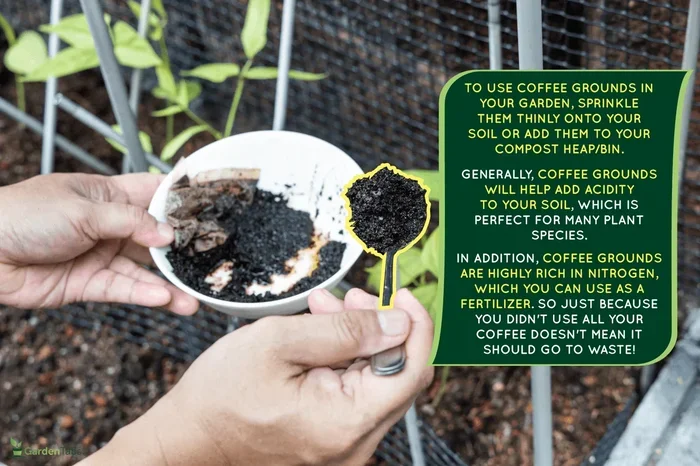
Gardeners love used coffee for good reason. It adds organic matter to dirt and feeds helpful microbes. It also improves drainage in heavy clay soil. When you mix it in the right way, your plants get a gentle nutrient boost.
Visual guide about Coffee grounds in garden soil
Image source: gardentabs.com
Composting with Spent Grounds
Composting is one of the safest ways to use old coffee. Grounds count as a green material because they contain nitrogen. They break down fast and help heat up your pile. Mix them with dry leaves, cardboard, or straw for a balanced mix.
Add grounds in thin layers. Too much at once can make the pile heavy and slow. A good rule is to keep coffee under twenty percent of your total compost. Turn the pile often so air moves through it. This keeps the breakdown smooth and odor-free.
Direct Soil Mixing for Stronger Plants
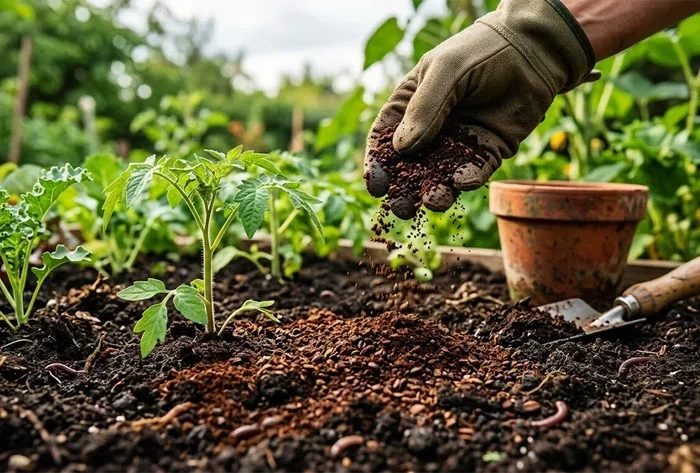
You can also mix small amounts of grounds straight into garden beds. Loosen the top few inches of soil first. Then sprinkle the grounds lightly and work them in. Water the area well so the material settles.
Tomatoes, roses, and leafy greens often respond well to this method. The grounds help loosen packed dirt and hold moisture. They also attract worms that aerate the soil. Just avoid piling them thick around plant stems. A thin, even layer works best.
Quick Tips for Garden Use
- Test small patches first to see how your soil reacts.
- Mix with dry brown materials to keep the pile airy.
- Water after application so the grounds settle into the dirt.
- Avoid thick piles near roots to prevent soggy spots.
How to Reuse Coffee Grounds for Cleaning and Deodorizing
The rough texture of used coffee makes it a handy scrubber. It lifts grease and stuck-on food without harsh chemicals. At the same time, the porous surface soaks up strong smells. These two traits make it useful in kitchen and bathroom tasks.
Visual guide about Coffee grounds in garden soil
Image source: cdn.shopify.com
Gentle Scrubbing for Cookware and Surfaces
Sprinkle a spoonful of damp grounds on a grimy pan or sink spot. Use a soft cloth or sponge to rub in circles. The grit helps loosen baked-on messes. Rinse well when you finish.
This method works best on sturdy surfaces. It is not ideal for delicate glass or polished stone. Always test a small area first. You want the cleaning power without scratches.
Natural Odor Absorber for Small Spaces
Dried grounds can trap unwanted smells in tight spaces. Place a small bowl of dry grounds in the fridge, closet, or shoe rack. Replace the batch every few days for best results. You can also tuck a sachet of dried grounds in smelly gym bags.
For trash cans, sprinkle a thin layer at the bottom before adding a liner. This helps cut down on lingering odors. If you have pets, keep the grounds out of reach. Curious animals may sniff or chew them.
Common Mistakes to Avoid
- Using wet grounds for odor control because they can grow mold.
- Scrubbing delicate surfaces that scratch easily.
- Leaving grounds near pets where they can be reached.
- Applying thick layers in trash cans that may clump and smell.
How to Reuse Coffee Grounds for Skin and Body Care
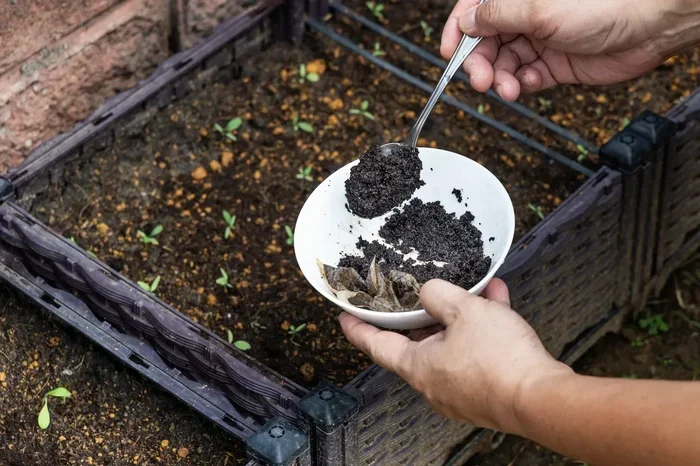
Many people enjoy using coffee in simple beauty routines. The coarse texture works as a mild exfoliant. It helps remove dry skin and leaves a smooth feel. The natural scent also feels refreshing after a long day.
Visual guide about Coffee grounds in garden soil
Image source: bobvila.com
Simple Body Scrub Recipe
Mix two tablespoons of used grounds with one tablespoon of coconut oil or olive oil. Add a few drops of water if the mix feels too thick. Stir until it looks like a gritty paste. Gently massage it onto damp skin in the shower. Rinse well with warm water.
This scrub works well on elbows, knees, and feet. Use light pressure and avoid sensitive areas. Do not use it on broken skin or right after shaving. A gentle touch gives the best results.
Scalp and Hair Refresh
Some people use a mild coffee scrub to help clear buildup on the scalp. Mix a small amount of grounds with your regular shampoo. Massage it in gently and rinse thoroughly. This can help remove excess oil and product residue.
Use this method sparingly. Too much scrubbing can irritate the scalp. If you feel tingling or redness, stop right away. Healthy hair care should always feel calm and comfortable.
Expert Insights for Safe Use
- Patch test first on a small skin area.
- Use fine, soft grounds for sensitive skin.
- Rinse completely to avoid clogged drains.
- Skip scrubs on irritated skin until it heals.
How to Reuse Coffee Grounds in the Kitchen Beyond Brewing
Coffee grounds can help in the kitchen in a few clever ways. They do not replace real ingredients, but they can support simple tasks. Think of them as a handy helper rather than a main recipe item.
Meat Tenderizing Support
The coarse texture and mild acidity can help soften tough meat surfaces. Mix a small amount of grounds with salt and rub it lightly on the meat. Let it sit for a short time, then rinse and pat dry before cooking. This method works best on rougher cuts that need a little extra help.
If you want a more natural approach, you can also explore how to tenderize meat naturally with simple kitchen ingredients. That way, you can compare methods and choose what fits your recipe best.
Helpful Strainer Backup
When you cook with small ingredients or fine particles, a strainer usually does the job. But sometimes you need a quick backup. A thin layer of coffee grounds can help catch tiny bits in a pinch. If you want more options, check out how to strain without a strainer for other clever kitchen tricks.
Quick Kitchen Tips
- Rinse meat well after any ground-based rub.
- Use only a light coating to avoid strong flavors.
- Keep grounds away from open flames during kitchen tasks.
- Clean bowls and tools right away to prevent stains.
How to Store and Prepare Grounds for Later Use
If you want to save grounds for future projects, drying is the first step. Wet grounds spoil quickly and can develop a sour smell. Spread them on a tray or baking sheet in a thin layer. Let them air-dry in a cool spot with good airflow.
You can also dry them in a low-heat oven for faster results. Stir them now and then so they dry evenly. When they feel crumbly and light, they are ready. Store them in a sealed container away from moisture and heat.
For garden use, keep the dried grounds in a jar or bag. For odor control, pack them in small cloth pouches. For cleaning, store them dry and scoop out what you need. Good storage keeps them useful for weeks.
Smart Storage Habits
- Dry grounds fully before storing to stop mold.
- Use airtight containers for long-term keeping.
- Label the container with the date you saved them.
- Keep them away from children and pets for safety.
Final Thoughts on How to Reuse Coffee Grounds
Learning how to reuse coffee grounds is a small change that brings real rewards. You cut waste, save money, and get useful help around the house. From garden beds to cleaning tasks and simple beauty routines, those leftover grounds still have plenty to give.
Start with one or two easy ideas. Try a compost mix, a gentle scrub, or a small odor absorber. See what works in your home and build from there. With a little care, your daily coffee can do more than wake you up. It can also make everyday life a bit easier and greener.
Frequently Asked Questions
Can I put used coffee grounds directly on my plants?
Yes, but use them in small amounts and mix them into the soil. Too much can make the area soggy or affect growth, so start with a light sprinkle.
Do coffee grounds really remove bad smells?
They can help absorb odors in small, enclosed spaces when dried. Replace the grounds every few days for the best results and keep them away from pets.
Are coffee grounds safe for skin exfoliation?
They are generally safe for most people when mixed with a gentle oil. Always patch test first and avoid using them on sensitive or broken skin.
How should I store used coffee grounds for later use?
Dry them fully first, then keep them in a sealed container away from moisture. Proper drying helps prevent mold and keeps them useful longer.
Can I use coffee grounds to clean pots and pans?
Yes, the gritty texture can help lift stuck-on food on sturdy surfaces. Rinse well after scrubbing and avoid using them on delicate or easily scratched items.
Should I worry about coffee grounds around pets?
Yes, keep grounds out of reach because pets may chew or swallow them. Used grounds can upset stomachs, so store them carefully and clean up spills fast.