
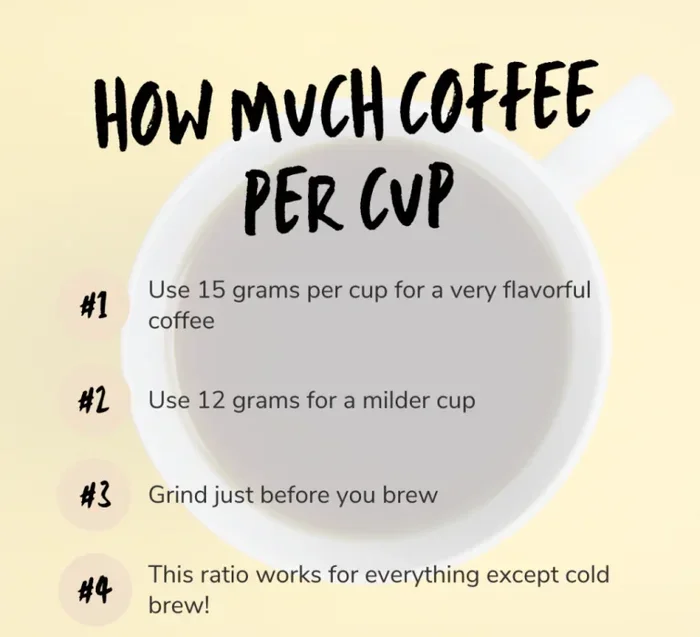
Brewing great coffee starts with the right bean ratio. Most coffee lovers use about two tablespoons of whole coffee beans per six-ounce cup for a balanced flavor. Adjusting this ratio changes strength, aroma, and overall taste. This guide breaks down exact measurements, grind tips, and brewing secrets so you can make café-quality coffee at home every single morning.
Every coffee lover knows the struggle. You want that rich, smooth cup that wakes you up without tasting bitter or watery. The secret usually comes down to one simple question: how many tablespoons of whole coffee beans per cup should you use? Getting this right changes everything. It turns a mediocre morning sip into a perfect daily ritual.
Whole coffee beans give you more control than pre-ground coffee. You decide when to grind. You lock in freshness. You also get to tweak the strength to match your taste buds. But measuring whole beans can feel confusing at first. Do you count by weight? Do you use volume? What happens if your beans are dark roast versus light roast? This guide answers all of that in plain, simple terms.
You will learn the standard ratios, how to adjust for different brew methods, and why small changes make a big difference. We will also cover grind size, water temperature, and common mistakes that ruin flavor. By the end, you will know exactly how to measure your beans and brew a cup that tastes just right.
Key Takeaways
- Standard Ratio: Use two tablespoons of whole coffee beans per six-ounce cup for a medium roast brew.
- Strength Control: Increase to three tablespoons for bold coffee or drop to one and a half for a lighter cup.
- Grind Matters: Coarse grinds need slightly more beans, while fine grinds extract faster and may require less.
- Bean Freshness: Whole beans stay fresh longer, so measuring before grinding preserves flavor and aroma.
- Water Temperature: Hot water between 195°F and 205°F extracts beans evenly without burning the grounds.
- Brew Method Changes Ratio: French press, drip, and pour-over each need small adjustments to the bean count.
- Taste Testing: Start with the standard ratio, then tweak by half a tablespoon until the flavor matches your preference.
📑 Table of Contents
Understanding the Basic Ratio for Whole Coffee Beans
Most coffee experts agree on a simple starting point. For a standard six-ounce cup, you need about two tablespoons of whole coffee beans. That amount usually gives you a balanced flavor that is neither too weak nor too strong. If you prefer a larger mug, you can scale up the ratio while keeping the same balance.
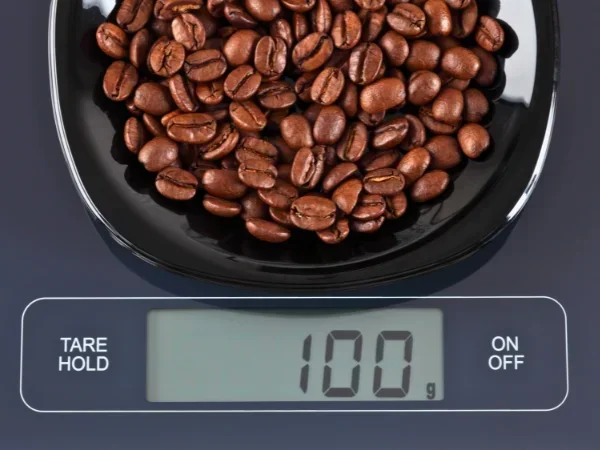
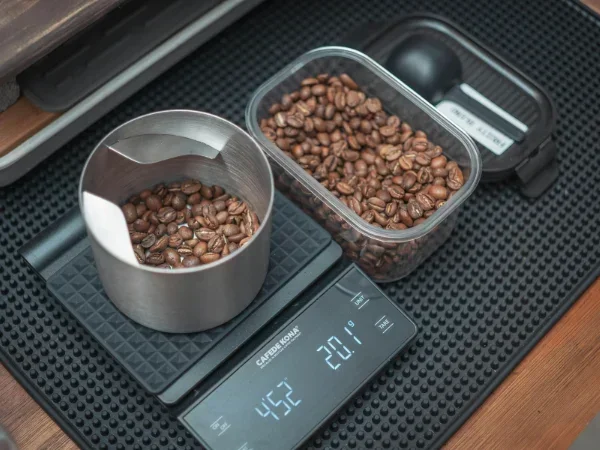
Whole beans take up a bit more space than ground coffee because they have not been crushed yet. That means volume measurements work well as a quick guide, but weight gives you more precision. If you have a kitchen scale, aim for roughly 10 to 12 grams of whole beans per six-ounce cup. This range keeps your brew consistent day after day.
Here is a quick breakdown to keep in mind:
- Light cup: One and a half tablespoons of whole beans per six ounces of water
- Medium cup: Two tablespoons of whole beans per six ounces of water
- Bold cup: Two and a half to three tablespoons of whole beans per six ounces of water
These numbers work for most drip machines, pour-overs, and French presses. The key is to start with the medium ratio, taste your coffee, and adjust from there. Small changes of half a tablespoon can completely shift the flavor profile.
Why Bean Count Changes the Flavor Profile
Coffee beans hold oils, acids, and aromatic compounds that create flavor. When you use more beans, you extract more of those compounds into your cup. That means stronger body, richer aroma, and a more intense taste. When you use fewer beans, the brew turns lighter and softer.
The roast level also plays a role. Dark roast beans tend to taste bolder and slightly smoky, so you may need fewer tablespoons to get a strong cup. Light roast beans often taste brighter and more delicate, which means you might want a slightly higher bean count to bring out their natural sweetness.
Freshness matters too. Whole beans that were roasted recently release more aroma when ground. Older beans lose some of those volatile oils, so you might notice a flatter taste even when you use the same amount. Storing your beans in an airtight container away from heat and light helps preserve that fresh quality.
How Grind Size Affects Your Bean Measurement
Grind size changes how water interacts with coffee grounds. A coarse grind leaves more space between particles, so water flows through quickly. A fine grind packs tightly, which slows extraction and pulls more flavor into the water. Because of this, your tablespoon count may need a small tweak depending on how you grind your whole beans.
Visual guide about whole coffee beans per cup
Image source: advisorcoffee.com
If you grind coarse for a French press, you might want to add an extra half tablespoon to compensate for the faster water flow. If you grind fine for espresso or a strong drip brew, you may need slightly fewer beans because the extraction is more efficient. The goal is to keep the flavor balanced, not to chase a rigid number.
Matching Grind Size to Your Brew Method
Different brew methods call for different grind sizes. Here is a simple guide:
- French press: Coarse grind. Use about two to two and a half tablespoons of whole beans per six ounces.
- Drip coffee maker: Medium grind. Stick close to two tablespoons of whole beans per six ounces.
- Pour-over: Medium-fine grind. Start with two tablespoons and adjust based on taste.
- Espresso: Fine grind. Use less volume but more precision, often measured by weight instead of tablespoons.
When you grind whole beans right before brewing, you get the best flavor. Pre-ground coffee loses freshness faster because more surface area exposes the grounds to air. Grinding at home also lets you match the grind size to your method, which gives you more control over the final cup.
Adjusting for Brew Method and Water Ratio
Not all coffee makers work the same way. A standard drip machine, a French press, and a pour-over cone all extract flavor differently. That means the ideal number of tablespoons of whole coffee beans per cup can shift slightly depending on your equipment. The good news is that you do not need a complicated formula. You just need a reliable starting point and a willingness to taste and adjust.
Visual guide about whole coffee beans per cup
Image source: grindthosebeans.com
For a classic drip machine, two tablespoons of whole beans per six ounces of water works well for most people. If you use a thermal carafe or a programmable brewer, you may want to check your machine’s water tank markings so you know exactly how much water you are using. Some machines brew larger cups, so you will need to scale up the bean count to keep the same strength.
French Press and Pour-Over Adjustments
French press coffee usually tastes richer because the metal filter lets more oils pass through. That means you can sometimes use a touch less beans and still get a full-bodied cup. Many people find that two tablespoons of whole beans per six ounces works nicely, but you can drop to one and three-quarters if the brew feels too heavy.
Pour-over coffee tends to taste cleaner and brighter. The paper filter removes more oils, so the flavor comes through as crisp and smooth. For pour-over, two tablespoons of whole beans per six ounces is a solid starting point. If you want a brighter, tea-like cup, you can reduce to one and a half tablespoons. If you want more depth, push it up to two and a half.
Water quality also affects extraction. Hard water can mute flavor, while filtered water often brings out smoother notes. If your tap water tastes strong or chlorinated, consider using filtered water so your bean ratio shines through without interference.
Measuring Whole Beans Without a Scale
Not everyone owns a kitchen scale, and that is completely fine. You can still brew great coffee using tablespoons and a little practice. The trick is to keep your measuring method consistent. Use the same spoon, the same bean type, and the same grind setting each time until you find your perfect cup.

Visual guide about whole coffee beans per cup
Image source: coffeecherish.com
When you measure whole beans with a tablespoon, do not pack them down. Just scoop lightly and level off the top. Whole beans are irregular in shape, so packing them can give you a false count. A loose, level scoop keeps your ratio steady and makes it easier to repeat good results.
Quick Tips for Consistent Measuring
- Use the same spoon every time. Different spoons hold different amounts.
- Level the scoop. Avoid pressing the beans down for a true volume count.
- Grind after measuring. This keeps your bean count accurate before the grounds expand.
- Track your results. Write down what works so you can repeat it tomorrow.
- Adjust slowly. Change by half a tablespoon at a time instead of jumping straight to a new ratio.
If you ever want more precision, a scale removes the guesswork. Ten to 12 grams of whole beans per six ounces of water is a reliable target for a medium cup. That range gives you a strong foundation, especially if you like to experiment with different roasts or brew methods.
Common Mistakes When Measuring Coffee Beans
Even simple coffee brewing can go sideways if a few small details get missed. One common mistake is using pre-ground coffee and assuming the same tablespoon count applies to whole beans. Ground coffee settles differently, so the volume can change once the beans are crushed. Another mistake is ignoring water amount. If you add more water but keep the bean count the same, your coffee turns weak. If you add less water, it turns strong.
People also forget that bean density varies. Some beans are larger, some are smaller, and some roasts puff up more than others. That means two tablespoons of one bean may weigh slightly differently than two tablespoons of another bean. Taste is the real test, so use measurements as a guide rather than a strict rule.
Expert Insights for Better Home Brewing
Coffee experts often say the best ratio is the one that tastes right to you. Start with the standard two tablespoons of whole coffee beans per six-ounce cup. Brew it the same way each time. Then change one variable at a time. If the coffee tastes flat, add half a tablespoon. If it tastes harsh, reduce by half a tablespoon. If the grind seems off, adjust that next instead of changing the bean count.
Freshness is another big factor. Whole beans stay protected until you grind them, so they hold aroma longer than pre-ground coffee. Grinding right before brewing gives you the cleanest flavor. It also helps to clean your grinder and coffee maker regularly. Old oils and residue can add bitter notes that make even a perfect bean ratio taste off.
Temperature matters too. Water that is too hot can scorch the grounds and create a burnt taste. Water that is too cool can leave the coffee under-extracted and sour. A range near 195°F to 205°F usually works well for most brew methods. If you do not have a thermometer, let boiled water sit for about 30 seconds before pouring.
Final Thoughts on Getting the Right Bean Ratio
Finding the right answer to how many tablespoons of whole coffee beans per cup is really about balance. The standard two tablespoons per six-ounce cup gives you a strong starting point. From there, you can adjust for strength, roast level, grind size, and brew method until the flavor feels just right. Coffee is personal, and the best cup is the one that matches your taste.
Once you lock in your preferred ratio, brewing becomes easier and more consistent. You will know what to expect from your beans, your grinder, and your coffee maker. That means less guesswork and more enjoyment with every cup. Whether you want a light morning sip or a bold afternoon boost, measuring your whole beans with care gives you the control you need.
So start simple, taste carefully, and adjust slowly. Keep your beans fresh, your water clean, and your measurements steady. With a little practice, you will brew a reliable, flavorful cup every time without second-guessing the bean count.
Frequently Asked Questions
How many tablespoons of whole coffee beans per cup should I use for a strong brew?
For a stronger cup, use about two and a half to three tablespoons of whole coffee beans per six-ounce cup. This extra amount increases extraction and gives you a bolder flavor. If the coffee tastes too intense, reduce the count by half a tablespoon and test again.
Do whole coffee beans need a different measurement than ground coffee?
Yes, whole beans and ground coffee can behave differently because grinding changes how the coffee packs and extracts. Whole beans usually need a light, level tablespoon count, while ground coffee can settle more tightly. If you switch between the two, expect to tweak your ratio slightly for the best taste.
How much water should I use with two tablespoons of whole coffee beans?
Two tablespoons of whole coffee beans works well with about six ounces of water for a medium-strength cup. If you use a larger mug, increase both the water and the beans to keep the same balance. Matching your bean count to your water amount is the easiest way to stay consistent.
Does roast level change how many tablespoons of whole coffee beans per cup I need?
It can. Dark roast beans often taste bolder, so you may need fewer tablespoons to get a strong cup. Light roast beans can taste brighter and lighter, so a slightly higher bean count may help bring out more flavor. Taste is the best guide, so adjust based on the roast you are using.
Should I measure whole coffee beans before or after grinding?
Measure whole coffee beans before grinding for the most accurate bean count. Once beans turn into grounds, the volume changes and becomes harder to compare with a tablespoon standard. Measuring first also helps you keep your ratio steady from brew to brew.
What is the easiest way to keep my coffee bean ratio consistent every day?
Use the same tablespoon, the same water amount, and the same grind setting each time. Write down the ratio that tastes best, then repeat it until you want to change something. Small, steady habits make it much easier to brew a reliable cup without guessing.



