Wondering how many types of coffee are there? The answer depends on how you classify them, but there are dozens of popular varieties worldwide. This guide breaks down coffee types by bean, roast, brew method, and drink style. You will learn simple ways to spot differences and pick what suits your taste. Whether you love strong espresso or smooth cold brew, you will find your next favorite cup here.
Coffee lovers often ask a simple question: how many types of coffee are there? The short answer is that there are many. The longer answer is that coffee comes in different forms, and each form changes the taste, texture, and strength of your cup. Some people think about coffee by bean. Others think about roast. Many think about the drink itself, like espresso, latte, or cold brew. All of these angles matter.
If you are new to coffee, the options can feel confusing. Menus use words that sound fancy, and bags of beans mention regions and roast levels. The good news is that you do not need to memorize everything at once. You only need a few clear ideas. Once you understand the main coffee categories, choosing a cup becomes much easier. This guide will walk you through the most useful ways to sort coffee types, so you can shop, order, and brew with confidence.
Key Takeaways
- Coffee types vary by bean, roast, brew, and drink style: Understanding these categories helps you navigate menus with confidence.
- Arabica and Robusta dominate the bean world: Arabica offers smooth flavor, while Robusta brings bold strength and caffeine.
- Roast level changes taste more than origin: Light roasts taste brighter, while dark roasts taste deeper and bolder.
- Brew method shapes body and strength: Espresso, drip, French press, and cold brew each create a distinct cup.
- Popular drinks build on espresso or brewed coffee: Lattes, cappuccinos, americanos, and cold brews offer different textures and flavors.
- Your perfect cup depends on taste preferences: Try different types to find what matches your mood and routine.
- Simple experimentation beats overthinking: Start with one variable at a time, like roast or brew style, to learn what you enjoy.
📑 Table of Contents
How Many Types of Coffee Are There by Bean
When people ask how many types of coffee are there, one of the best places to start is the bean itself. Beans are the foundation of every cup. If the bean changes, the flavor changes too. Most coffee drinkers will mainly encounter two major beans: Arabica and Robusta. There are other beans in the coffee family, but these two dominate the market.
Arabica Coffee
Arabica is the most popular bean in specialty coffee. It usually tastes smoother and more balanced. Many people describe it as having notes of fruit, sugar, or mild acidity. Arabica grows at higher elevations, and that environment often helps shape its flavor. It is also more delicate to grow, which is one reason it often costs more. If you enjoy a cup with clarity and complexity, Arabica is a great starting point.
Robusta Coffee
Robusta has a stronger, more intense profile. It often tastes bolder and more bitter, with a heavier body. It also contains more caffeine than Arabica. That extra kick makes it useful in blends and in drinks where you want more strength. Robusta is hardier in farming, so it is often easier to produce. If you like a powerful cup or want a crema-rich espresso base, Robusta can be a good fit.
Other Coffee Beans
There are other coffee species and regional varieties, but they appear less often in everyday shopping. Some are grown in small amounts or prized for unique flavor. You may see names tied to a region, like Ethiopian, Colombian, or Brazilian coffee. These are not separate species, but they still matter because growing conditions affect taste. A bean from one region can taste very different from a bean from another region, even if both are Arabica.
Quick Tip: If you are just starting out, buy small bags of Arabica and Robusta. Taste them side by side. That simple comparison teaches you a lot about how beans shape flavor.
How Many Types of Coffee Are There by Roast
Beans do not stop changing after harvest. Roasting transforms them. Roast level is one of the biggest reasons coffee tastes different from one bag to another. Many beginners assume roast level tells you where the coffee comes from, but it really tells you how long and how hot the beans were roasted. That matters because it changes sweetness, acidity, and body.
Visual guide about Coffee types and brewing methods
Image source: i.pinimg.com
Light Roast Coffee
Light roasts usually keep more of the bean’s original character. They often taste brighter and can have floral, fruity, or tea-like notes. The acidity may feel crisp. Light roasts are popular in pour-over and other manual brewing methods because they can highlight delicate flavors. If you enjoy complex cups with a lighter body, this roast level may appeal to you.
Medium Roast Coffee
Medium roast sits in the middle. It often balances acidity and sweetness. Many people find medium roasts easy to enjoy because they taste smooth without being too bold or too sharp. This is a very common choice for daily drinking. If you want a dependable cup that works well with milk or black, medium roast is a safe and popular option.
Dark Roast Coffee
Dark roasts taste deeper and bolder. They often have roasted, chocolatey, or smoky notes. The original bean flavor is less visible because the roasting process has a stronger effect. Dark roasts usually feel heavier in the cup. They are often chosen for espresso drinks and for people who prefer a strong, familiar taste. If you want a cup that feels rich and intense, dark roast is a classic pick.
Common Mistake: Many people think dark roast always means stronger caffeine. Roast level changes flavor more than caffeine content. If you want more caffeine, bean type and brew method usually matter more.
How Many Types of Coffee Are There by Brew Method
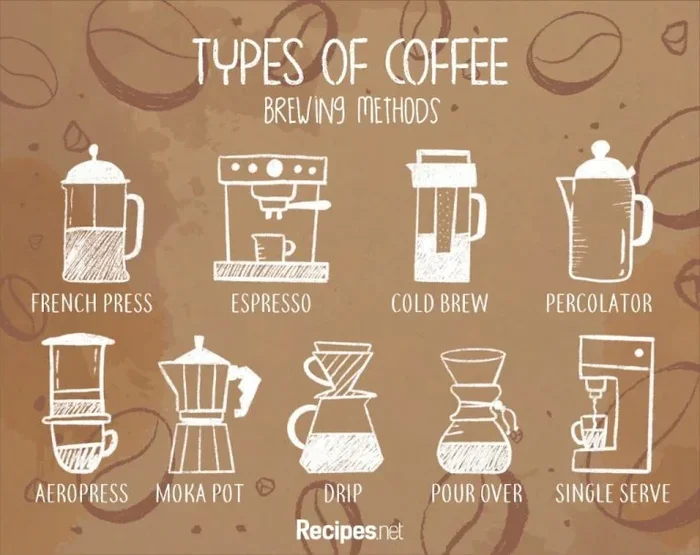
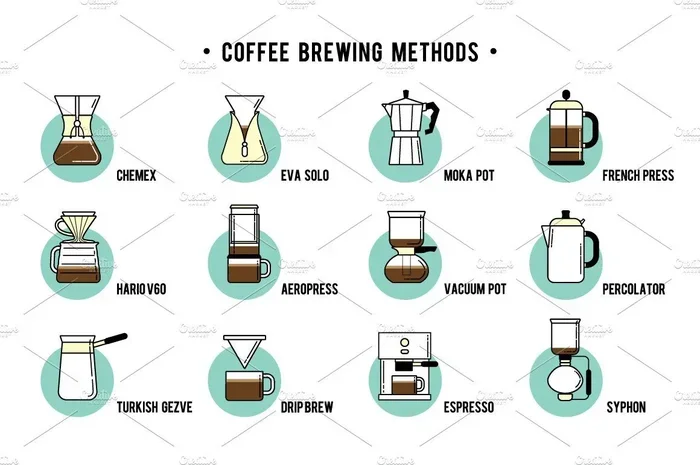
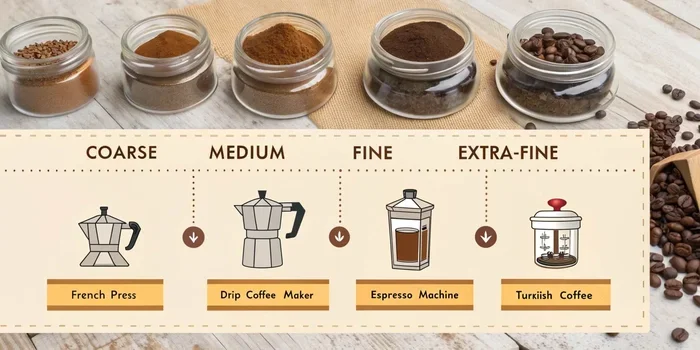
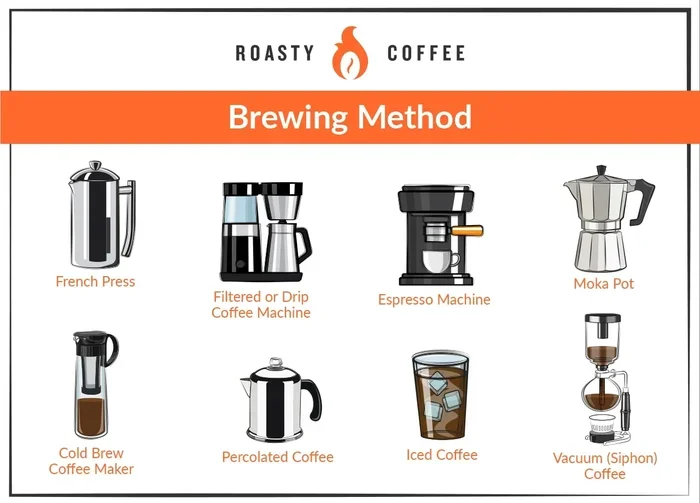
Another way to answer how many types of coffee are there is to look at brewing. The same beans can taste very different depending on how water meets the grounds. Brew method affects strength, body, clarity, and flavor extraction. That is why a French press coffee can feel so different from a drip coffee, even when the beans are similar.
Visual guide about Coffee types and brewing methods
Image source: coffeeistition.com
Espresso
Espresso is brewed with pressure and a small amount of water. The result is concentrated, bold, and often topped with crema. Espresso is not just a drink. It is also the base for many café drinks. A good espresso has balance, body, and a clean finish. If you enjoy intense coffee in a small cup, espresso is a major type to know.
Drip Coffee
Drip coffee is one of the most familiar styles in homes and offices. Water passes through grounds in a filter, creating a clean, balanced cup. Drip coffee is often easy to make in larger batches, which makes it practical for everyday use. If you want a simple, reliable coffee that tastes smooth, drip brewing is a classic choice.
French Press Coffee
French press coffee steeps the grounds directly in water. Then a metal filter separates the grounds from the liquid. This method usually produces a fuller body and a richer mouthfeel. Some finer particles may remain, which can add texture. If you like coffee that feels round and robust, French press is a strong option.
Cold Brew Coffee
Cold brew uses cold or room temperature water over a long steeping time. The result is often smooth, mellow, and less acidic than hot brewed coffee. It can taste sweet and soft, even without sugar. Cold brew has become very popular because it offers a different experience from hot coffee. If you want a refreshing, low-acid cup, this is one of the most distinct coffee types.
Other Popular Brew Styles
There are many other methods, including pour-over, AeroPress, Moka pot, and percolator. Each one creates its own flavor profile. Pour-over often highlights clarity. Moka pot makes a strong, stovetop coffee that feels similar to espresso in intensity. AeroPress is flexible and can produce a clean, smooth cup. The best method depends on the flavor you want and the effort you want to put in.
Expert Insight: If you want to learn coffee faster, change only one thing at a time. Keep the beans the same and try a different brew method. That makes it easier to notice what the method is doing to the cup.
How Many Types of Coffee Are There by Drink Style
For many people, coffee types are defined by the drink they order. This is especially true in cafés. A latte, cappuccino, americano, or flat white can feel like a completely different experience, even if they start with espresso. Drink style often changes the ratio of coffee, milk, foam, and water. That changes the texture and strength of the final cup.
Visual guide about Coffee types and brewing methods
Image source: roastycoffee.com
Milk-Based Espresso Drinks
Lattes are usually espresso with a larger amount of steamed milk and a thin layer of foam. They taste creamy and gentle. Cappuccinos have a more balanced ratio of espresso, steamed milk, and foam, which gives them a drier, fluffier texture. Flat whites are similar to lattes but often use thinner milk texture and a stronger coffee presence. If you like milk in your coffee, these drinks offer different levels of richness.
Water-Based Espresso Drinks
An americano is espresso diluted with hot water. It tastes more like drip coffee in strength, but it keeps some of the espresso character. This is a good option if you want a larger cup without losing the espresso base. Some people also enjoy long black styles, which are similar in spirit. These drinks show how water changes the feel of espresso.
Cold and Iced Coffee Drinks
Iced coffee can be made in several ways. Some versions start with hot brewed coffee and then cool it down. Others use cold brew as the base. Iced lattes and iced cappuccinos are also common in many cafés. Cold drinks often feel lighter and more refreshing. If you want coffee in warm weather, these types are a practical and tasty choice.
Simple Black Coffee Styles
Not every coffee drink includes milk or fancy preparation. Black coffee can be served as drip coffee, pour-over, French press, or espresso. In many places, “black coffee” simply means coffee without additives. This is one of the clearest ways to judge the flavor of the beans and the brew. If you want to taste the coffee itself, drinking it black is a useful test.
Quick Tip: If you are unsure what to order, start with a latte or an americano. They are easy to understand and easy to adjust. You can always move toward stronger or lighter options later.
How Many Types of Coffee Are There in Practice
So, how many types of coffee are there in real life? The answer is that there are many layers. You can group coffee by bean, roast, brew method, and drink style. You can also group it by region, flavor notes, caffeine level, and even by how it is served. That is why a single number does not really capture the full picture. Coffee is more like a family of drinks than one simple list.
Still, you do not need to master every category at once. Most coffee drinkers can get started by learning a few core ideas. First, decide whether you want a smoother cup or a bolder one. Next, decide whether you want milk, water, or nothing added. Then think about temperature and strength. Those choices already narrow the field a lot. After that, you can fine-tune with beans and roast level.
Choosing by Taste Preference
If you like bright and light flavors, look for lighter roasts and pour-over or drip methods. If you want comfort and richness, darker roasts and espresso-based drinks may suit you better. If you want something smooth and gentle, cold brew or a latte could be a good match. Taste preference is the biggest guide. Coffee is not one-size-fits-all, and that is part of the fun.
Choosing by Caffeine Needs
Some coffee types feel stronger because they are more concentrated. Espresso is small but intense. Drip coffee can deliver more total caffeine per cup because people often drink more of it. Robusta beans usually contain more caffeine than Arabica. Cold brew can also be strong, depending on how it is made. If caffeine matters to you, think about both the drink size and the bean type.
Choosing by Routine and Convenience
Sometimes the best coffee type is the one that fits your day. Drip coffee is easy for mornings at home. Espresso is fast and compact. Cold brew can be made ahead and enjoyed later. French press is simple but needs a few minutes of steeping. The most satisfying coffee is often the one you will actually enjoy making and drinking regularly.
Common Mistake: People sometimes chase the most complicated drink before they understand what they like. Start simple. A good black coffee or a basic espresso drink can teach you more than a highly layered order.
How to Explore Coffee Types Without Feeling Overwhelmed
Exploring coffee should feel enjoyable, not stressful. The easiest way to learn is to taste with purpose. Try two different roasts from the same brew method. Then try the same roast with two different brew methods. Small experiments like these make the differences easier to notice. You will start to see patterns, and patterns make coffee much easier to understand.
You can also pay attention to words on coffee bags and menus. Terms like light, medium, dark, smooth, bold, fruity, chocolatey, and nutty all give clues. They are not perfect, but they help. If a coffee says “fruity” and “bright,” it may lean toward a lighter roast and a cleaner brew. If it says “bold” or “smoky,” it may lean toward a darker roast. Use those clues as a starting point, not a rule.
A Simple Tasting Plan
Here is an easy way to compare coffee types at home:
- Pick one bean you enjoy.
- Brew it as drip coffee one day and French press the next.
- Notice the difference in body and clarity.
- Try the same bean as a lighter and darker roast if possible.
- Write down one or two words about what you liked.
This kind of simple testing builds your coffee intuition fast. You do not need fancy equipment to learn. You only need curiosity and a few repeated tastings. Over time, you will know which coffee types match your mood, your morning, and your taste.
Key Takeaway: Coffee types are best understood as layers. Bean, roast, brew, and drink style all matter. Once you learn the main differences, choosing coffee becomes much easier and more fun.
If you want to go further, think about what you value most in a cup. Is it smoothness, strength, refreshment, richness, or convenience? That answer will point you toward the right coffee types. Some days you may want a quick espresso. Other days you may want a slow pour-over. Both are valid. Both are part of the wide world of coffee.
The next time someone asks how many types of coffee are there, you can give a more useful answer. There are many types, but they are not random. They follow clear patterns. Once you see those patterns, coffee becomes less confusing and more personal. You can choose with confidence, experiment with ease, and enjoy the process of finding your favorites.
Frequently Asked Questions
What are the main types of coffee beans?
The two main coffee beans are Arabica and Robusta. Arabica usually tastes smoother and more complex, while Robusta is bolder and stronger. Other beans exist, but these two are the most common in everyday coffee.
Does roast level change the type of coffee?
Yes, roast level changes the flavor a lot. Light roasts taste brighter and more delicate, while dark roasts taste deeper and bolder. The bean is still the same species, but the roast gives it a very different character.
How many types of coffee drinks are there?
There are many coffee drinks, including espresso, latte, cappuccino, americano, flat white, cold brew, and iced coffee. Each drink changes the balance of coffee, milk, water, and ice. That is why they taste so different from one another.
What is the difference between espresso and regular coffee?
Espresso is a concentrated brew made with pressure and a small amount of water. Regular coffee often means drip or brewed coffee made with more water and a longer extraction. Espresso tastes stronger and thicker, while drip coffee is usually lighter and cleaner.
Which type of coffee is best for beginners?
A medium roast drip coffee or a latte is often a good starting point. These options are easy to enjoy and not too intense. If you want something simple, black drip coffee can also help you learn the natural flavor of the beans.
How do I choose the right coffee type for me?
Think about your taste preferences, caffeine needs, and daily routine. If you like smooth and bright coffee, try lighter roasts and pour-over or drip methods. If you want bold and rich coffee, try darker roasts or espresso-based drinks. The best choice is the one you enjoy enough to drink regularly.