Keeping your beans viable starts with smart storage habits. How to keep coffee grounds fresh depends on blocking air, light, heat, and moisture from reaching the powder. Airtight containers and cool dark places work best for daily use. You will learn simple tricks to protect flavor and extend shelf life.
This is a comprehensive guide about How To Keep Coffee Grounds Fresh.
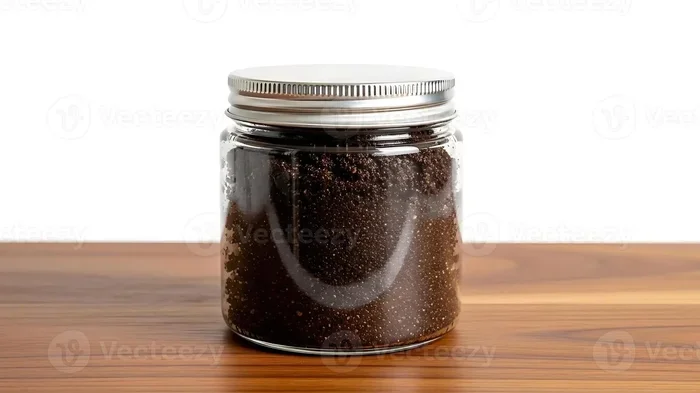
Visual guide about fresh coffee grounds jar
Image source: hunker.com
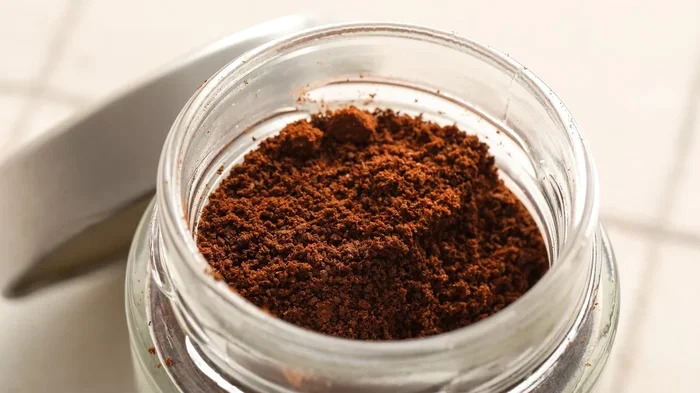
Visual guide about fresh coffee grounds jar
Image source: img.freepik.com
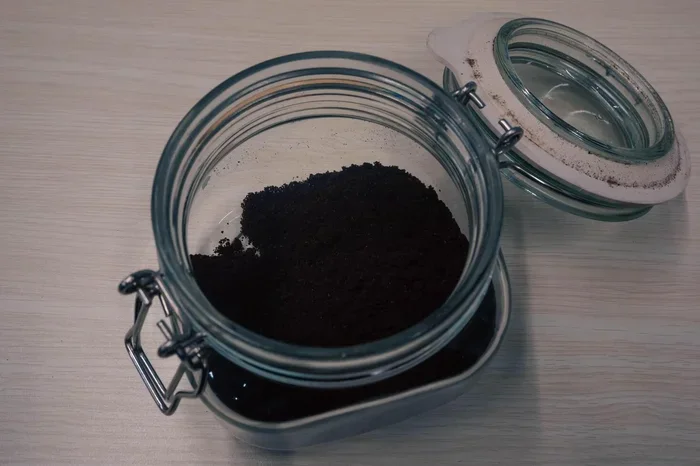
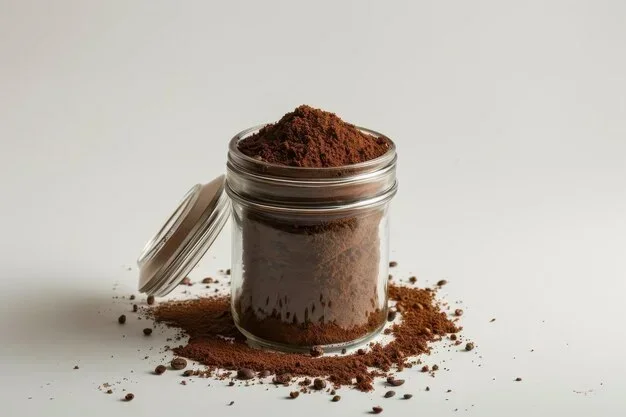
Visual guide about fresh coffee grounds jar
Image source: static.vecteezy.com
Key Takeaways
- Block air exposure: Oxygen degrades flavor fast, so always use sealed containers.
- Avoid heat and light: Store grounds away from stoves, windows, and warm appliances.
- Skip the fridge: Moisture and odors ruin freshness, making cold storage a bad idea.
- Freeze for long term: Portion grounds into small bags to prevent repeated thawing.
- Buy smaller amounts: Fresh beans ground in small batches stay vibrant longer.
- Check roast dates: Recent roasting dates mean better taste and longer usable life.
- Grind right before brewing: Whole beans retain oils better than pre ground powder.
[FEATURED_IMAGE_PLACEHOLDER]
Introduction
Nothing beats the smell of a fresh cup in the morning. That rich aroma comes from delicate oils and volatile compounds trapped inside your grounds. But those compounds fade fast when storage goes wrong. Many people toss their powder into open jars or leave bags clipped on the counter. That simple habit steals flavor day after day. You deserve better tasting brews without wasting money on stale product.
The good news is that protecting your supply is easy. You just need to understand what hurts freshness and what helps it last. Small changes in your kitchen routine make a huge difference. This guide walks you through proven methods that home brewers and baristas trust. You will learn where to store your supply, what containers work best, and how to handle bulk purchases. Let us dive into the details.
Why Freshness Matters for Every Brew
Fresh grounds deliver the best flavor, aroma, and body. The moment beans break apart, they release gases and start losing their magic. Oxygen attacks those fragile compounds and creates dull, flat tastes. Heat speeds up the process and ruins subtle notes. Light triggers chemical changes that alter the final cup. Moisture introduces mold risk and washes away precious oils.
Think about your favorite morning routine. You want consistency, brightness, and depth in every sip. Stale grounds produce weak color and bitter aftertastes. They also waste your time because you keep chasing a flavor that never returns. Protecting freshness saves money and improves your daily ritual. It also helps you notice the true character of each roast.
Many home brewers overlook this step. They focus on grind size, water temperature, and brewing time. Those factors matter, but they cannot fix old powder. Starting with vibrant grounds gives you a strong foundation. You will taste more fruit notes, cleaner finishes, and smoother textures. That is why storage deserves your attention.
The Main Enemies of Coffee Grounds
Air, heat, light, and moisture form the biggest threats. Each one works quietly and steadily. You cannot stop the aging process, but you can slow it down. Understanding these enemies helps you make smarter choices.
Air causes oxidation. That chemical reaction breaks down oils and changes flavor. Open bags and loose lids let oxygen circulate freely. Heat adds energy to the mix and accelerates degradation. A warm kitchen counter or a spot near the oven creates problems. Light triggers photo oxidation and fades bright notes. Clear jars look nice, but they expose your supply to unwanted rays. Moisture introduces humidity and invites spoilage. Damp environments also clump the powder and ruin texture.
How Long Do Grounds Really Stay Fresh
Grounds age faster than whole beans. The increased surface area exposes more material to air. Most experts suggest using ground coffee within one to two weeks for peak flavor. After that, the taste slowly declines. You can still brew with older grounds, but expect muted notes and less aroma. Proper storage extends the usable window and keeps the quality higher for longer.
Quick Signs Your Grounds Have Gone Stale
You can spot age with simple checks. Color fades from rich brown to dull gray. Aroma weakens or smells musty. The texture feels dry or clumps oddly. Brewed coffee looks thin and tastes flat. These clues tell you it is time to refresh your supply.
Best Storage Containers for Daily Use
Choosing the right vessel changes everything. You want a container that seals tightly and blocks outside elements. Glass, metal, and heavy plastic all work well when they feature strong closures. The goal is simple: keep air out and keep moisture away.
Airtight Jars and Canisters
A good jar makes daily life easier. Look for a tight lid with a rubber seal or a clamp style closure. Ceramic canisters with cork stoppers also work if the fit stays snug. Avoid containers with loose lids or weak gaskets. They let air slip in and ruin your batch. Clean the jar regularly to prevent old oils from building up.
Vacuum Seal Options
Vacuum containers remove air and create a stable environment. They work especially well for households that use grounds quickly. You can also use vacuum bags for portion control. Remove as much air as possible before sealing. That simple step slows oxidation and keeps flavor intact. Just make sure the bags stay food safe and odor free.
What to Avoid in Container Choices
Skip clear containers placed on sunny counters. Skip paper bags that tear easily. Skip containers that hold moisture or smell like old spices. Choose simple, sturdy options that protect your supply without adding hassle.
Ideal Locations Around Your Kitchen
Where you place your container matters just as much as the container itself. Temperature and light vary across the kitchen. Pick a spot that stays cool, dry, and dark. That combination gives your grounds the best chance to stay vibrant.
Cool Dark Cabinets Work Best
A pantry shelf or upper cabinet usually offers steady conditions. Keep the container away from the stove, oven, dishwasher, and sink. Those areas create heat and humidity spikes. A back corner of the cabinet works well because it stays darker and cooler. You can also place the jar inside a drawer if the space stays dry.
Why Countertop Storage Often Fails
Open counters expose your supply to sunlight and temperature swings. Morning sun warms the jar. Evening heat from cooking lingers nearby. Appliances radiate warmth all day. Even a beautiful display jar can hurt freshness if it sits in the wrong spot. If you love the look of a countertop canister, move it to a shaded area and keep the lid closed.
Keeping Moisture Away
Humidity causes clumping and flavor loss. Do not store grounds near the kettle, coffee maker reservoir, or sink splash zone. Wipe condensation from lids before closing them. Dry spoons and scoops before they touch the powder. Small habits prevent big problems.
Freezing Coffee Grounds for Long Term Storage
Freezing sounds simple, but it requires care. Done right, freezing preserves flavor for weeks or months. Done wrong, it introduces moisture and ruins texture. Use this method when you buy in bulk or want to save a special roast.
Portion Before You Freeze
Divide your grounds into small, usable amounts. That way you only thaw what you need. Large blocks force repeated temperature changes, and that hurts freshness. Use small freezer bags or sealed containers for each portion. Label them with the date so you track age.
Preventing Ice Crystals and Moisture
Air still matters in the freezer. Squeeze out extra air before sealing bags. Double bag if you want extra protection. Keep the portions flat so they freeze quickly and evenly. When you are ready to brew, move a bag to the counter and let it reach room temperature before opening. That step reduces condensation on the grounds.
When Freezing Makes Sense
Freezing helps when you stock up during sales or buy a large bag of fresh beans. It also helps if you travel or take breaks from brewing. Just remember that frozen grounds work best when you plan ahead. Thawed portions should stay sealed until use.
Buying Smarter to Keep Coffee Grounds Fresh
Storage starts at the purchase stage. The age of your product determines how long it stays vibrant. Smart buying habits reduce waste and improve taste.
Check Roast Dates Instead of Pack Dates
Pack dates tell you when the bag was sealed. Roast dates tell you when the beans were actually roasted. Freshness starts after roasting, not after packaging. Look for recent roast dates whenever possible. Local roasters often print this information clearly. Online shops may list it in the product details.
Choose Whole Beans When Possible
Whole beans stay fresh longer because their surface area stays protected. Grind only what you need for each brew. That habit preserves oils and aroma. If you must buy pre ground coffee, choose smaller bags and use them quickly. You can also ask your roaster to grind fresh on the spot.
Buy Smaller Amounts More Often
Large bags look like a bargain, but they often lose quality before you finish them. Smaller purchases match your actual usage. You get better flavor and less waste. If your household drinks a lot, split a big bag into portions right away. Store the extra portions using the freezing method above.
Common Mistakes That Ruin Freshness
Even careful brewers make storage errors. Watch for these pitfalls and adjust your routine.
Leaving Bags Open or Poorly Sealed
A quick clip does not stop air flow. Fold the bag tightly and use a strong seal. Better yet, transfer the grounds to a proper container. Open bags left on the counter lose flavor within days.
Storing Near Heat Sources
Kitchen heat sneaks up on you. A jar near the toaster, oven, or sunny window ages faster. Move your supply to a steadier spot. Your taste buds will notice the difference.
Using Damp Scoops or Wet Spoons
Water introduces moisture instantly. Always dry your tools before measuring. Even a little humidity changes texture and accelerates spoilage.
Keeping Old Grounds Too Long
Stale grounds do not improve with time. If the aroma fades or the taste turns flat, replace them. Fresh stock gives you better results every time.
Expert Tips for Better Daily Storage
Small habits create big results. Use a clean, dry scoop every time. Close the lid immediately after use. Keep the container in the same cool spot. Rotate older bags forward so nothing sits forgotten. Write the opening date on the container with a marker. That simple label helps you track freshness without guessing.
Quick Tips for Better Storage
- Seal it tight: Always close lids fully after every use.
- Keep it dark: Store in a cabinet or opaque container.
- Stay cool: Avoid warm appliances and sunny spots.
- Portion smart: Freeze small amounts for later use.
- Grind fresh: Use whole beans when you can.
- Label dates: Track opening and roast dates clearly.
- Keep tools dry: Use clean, dry scoops only.
Common Mistakes to Avoid
- Leaving bags open on the counter
- Storing near the oven, stove, or window
- Putting grounds in the fridge for daily use
- Using damp spoons or wet measuring tools
- Keeping huge bags too long without portioning
- Ignoring roast dates and buying old stock
Expert Insights on Freshness
Baristas often say storage matters as much as brewing. A great recipe cannot rescue old grounds. Freshness preserves volatile oils that create aroma and balance. Experts recommend buying from reliable roasters and using tight seals. They also suggest grinding just before brewing whenever possible. That approach keeps the most flavor in your cup.
Many professionals keep a small daily jar at room temperature. They store larger backups in the freezer with careful portioning. That hybrid method balances convenience and quality. You can copy the same strategy at home without special equipment.
Key Takeaways for Fresh Grounds
- Protect from air: Use tight seals and closed lids.
- Control temperature: Choose cool, stable spots.
- Block light: Keep grounds in dark cabinets or opaque jars.
- Limit moisture: Keep tools dry and lids clean.
- Portion for later: Freeze small amounts instead of whole bags.
- Buy fresh: Check roast dates and choose smaller batches.
- Grind late: Whole beans hold oils longer than pre ground powder.
Conclusion
Learning how to keep coffee grounds fresh is one of the easiest ways to improve your daily cup. You do not need fancy gear or complicated routines. You just need tight seals, cool dark storage, and smart buying habits. Protect your grounds from air, heat, light, and moisture, and they will reward you with better aroma and flavor. Use small portions, track dates, and grind close to brew time when you can. These simple steps keep every morning cup tasting its best.
Frequently Asked Questions
How should I store coffee grounds for daily use?
Store them in an airtight container inside a cool, dark cabinet. Keep the jar away from heat, sunlight, and moisture for best results.
Can I keep coffee grounds in the fridge?
No, the fridge adds moisture and odors that hurt flavor. A sealed container in a cool cabinet works much better for daily storage.
Does freezing coffee grounds help them last longer?
Yes, freezing helps when you portion the grounds into small bags. Thaw one portion at a time so condensation does not reach the powder.
How long do coffee grounds stay fresh after opening?
Grounds taste best within one to two weeks after opening. Proper storage slows flavor loss, but fresh use always gives the best cup.
Is it better to buy whole beans or pre ground coffee?
Whole beans stay fresh longer because grinding exposes more surface area. If you want maximum flavor, grind right before brewing.
What container works best for coffee grounds?
A sealed glass, metal, or heavy plastic container with a strong lid works well. Avoid clear jars on sunny counters and loose fitting lids.