
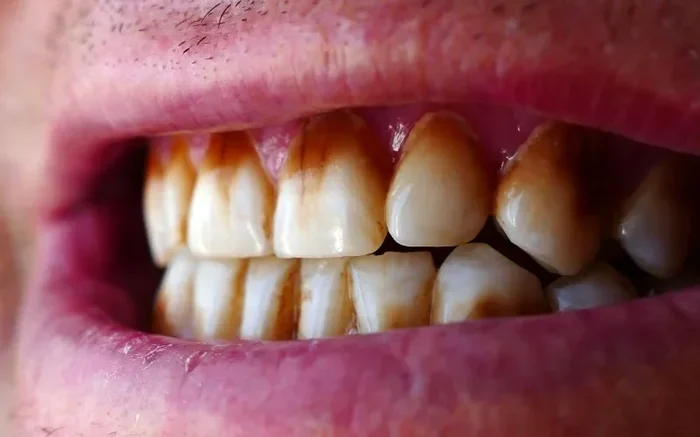
Coffee is one of the most popular drinks in the world, but many people wonder how bad is coffee for your teeth. The truth is that coffee can stain your enamel and contribute to plaque buildup if you drink it often. However, you do not need to quit your favorite brew to keep a healthy smile. With a few simple habits, you can enjoy coffee while protecting your teeth from damage.
Coffee is a daily ritual for millions of people. It wakes us up, warms us, and gives us a moment of comfort. But if you have ever looked in the mirror and noticed a yellow tint on your teeth, you may have asked yourself: how bad is coffee for your teeth? The short answer is that coffee can affect your smile, but it is not as scary as it sounds. With the right habits, you can keep your teeth healthy and still enjoy your cup.
In this guide, we will break down what coffee really does to your teeth. We will talk about stains, enamel, acidity, and the role of sugar and cream. We will also share easy tips to protect your smile without giving up your favorite drink. By the end, you will know exactly how bad is coffee for your teeth and what you can do about it.
Key Takeaways
- Coffee staining is real: The dark pigments in coffee can leave yellow or brown marks on your enamel over time.
- Acidity matters: Coffee is slightly acidic, which can soften enamel and make teeth more vulnerable to damage.
- Sugar and cream add risk: Adding sweetened creamers or sugar increases the chance of cavities and tooth decay.
- Timing helps: Drinking water after coffee and waiting to brush can reduce enamel erosion.
- Good oral hygiene works: Brushing, flossing, and regular dental cleanings keep coffee stains and plaque under control.
- You do not have to quit: Moderate coffee drinking is fine for most people when paired with smart dental care.
- Professional help exists: Dentists can remove stubborn coffee stains and advise on enamel protection.
📑 Table of Contents
- How Bad Is Coffee For Your Teeth: The Staining Truth
- Enamel, Acidity, and How Bad Is Coffee For Your Teeth
- Sugar, Cream, and How Bad Is Coffee For Your Teeth
- Simple Ways To Protect Your Teeth If You Love Coffee
- How Bad Is Coffee For Your Teeth Compared With Other Drinks
- Expert Insights: What Dentists Often Say About Coffee and Teeth
- Key Takeaways For Coffee Lovers Who Want Healthy Teeth
How Bad Is Coffee For Your Teeth: The Staining Truth
One of the biggest worries people have is coffee stains. Coffee contains natural compounds called tannins. These compounds can stick to the surface of your teeth and leave a yellow or brown tint over time. The good news is that these stains are usually surface-level at first. They build up slowly, which means you can slow them down with good habits.
Why Coffee Stains Teeth
Coffee is dark and rich in color. When you sip it often, the pigments settle into tiny pits and grooves on your enamel. Enamel is the hard outer layer of your tooth, and it is not perfectly smooth. Over time, those pigments can make your smile look less bright. This is why many people notice their teeth looking more yellow after months or years of daily coffee drinking.
Surface Stains vs. Deep Stains
Most coffee stains start on the surface. That means they sit on the enamel and can often be reduced with brushing and professional cleanings. Deep stains are different. They can happen when the pigment penetrates below the surface or when the enamel is already thin. If you notice your teeth looking dull even after brushing, a dentist can help you figure out what is going on.
Quick Tips To Reduce Coffee Stains
- Rinse your mouth with water after drinking coffee.
- Use a straw when possible to limit contact with front teeth.
- Brush your teeth twice a day with a soft toothbrush.
- Ask your dentist about safe whitening options.
Enamel, Acidity, and How Bad Is Coffee For Your Teeth
Enamel is the strongest part of your tooth, but it is not invincible. Coffee is mildly acidic. That means it can soften enamel a little bit, especially if you sip it slowly over a long time. When enamel softens, it becomes more vulnerable to wear. This does not mean coffee will ruin your teeth overnight. It means you should be mindful of how often and how long you expose your teeth to acid.
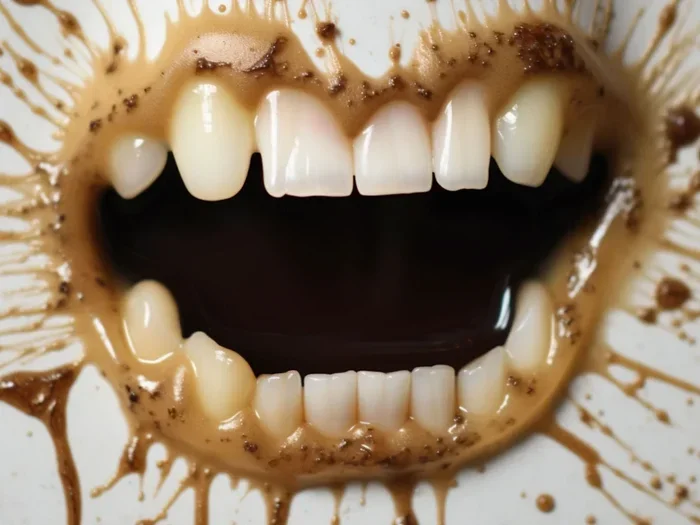
Visual guide about coffee stained teeth closeup
Image source: miro.medium.com
What Acidity Really Means
Acidity is measured on a pH scale. Lower numbers mean more acid. Coffee sits in a range that is not extremely harsh, but it is enough to matter if you drink it all day. If you constantly bathe your teeth in acidic drinks, the enamel has less time to recover. That is why sipping coffee for hours can be harder on your teeth than drinking it within a shorter window.
Signs Your Enamel May Be Under Stress
Enamel damage is not always obvious right away. Watch for these signs:
- Teeth look more yellow as the underlying layer shows through.
- Sensitivity when you drink hot or cold things.
- Rough edges or small chips that seem to appear more often.
- A dull look that does not improve with brushing.
If you notice these changes, do not panic. Talk to your dentist and adjust your habits. Small changes can make a big difference over time.
Sugar, Cream, and How Bad Is Coffee For Your Teeth
Black coffee has its own effects, but what you add to it can change the story. Sugar feeds the bacteria in your mouth. Those bacteria create acid that attacks enamel and can lead to cavities. Cream and flavored creamers can also add sugar or other ingredients that stick to teeth. So when people ask how bad is coffee for your teeth, the answer often depends on how they drink it.
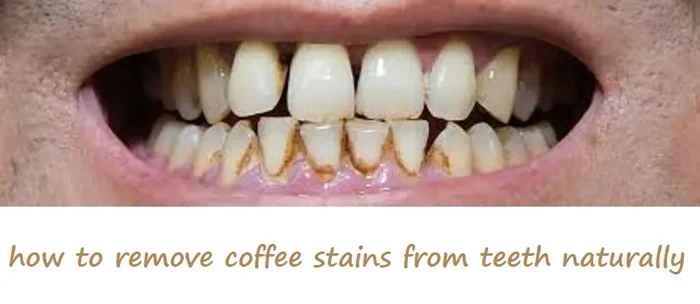
Visual guide about coffee stained teeth closeup
Image source: dentistpeshawar.pk
The Sugar Problem
Sweet coffee drinks can be especially tricky. A sugary latte or flavored coffee can coat your teeth in a sticky mix of sugar and dairy. That combination can linger unless you rinse or brush later. If you like sweet coffee, try to keep the sugar moderate and avoid sipping it slowly for hours.
Milk and Creamers
Milk and some creamers are not as risky as pure sugar, but they still matter. Dairy can leave a film on teeth, and flavored creamers may contain added sugar. If you want to reduce risk, consider using less sugar and choosing simpler additions. You can also drink water after your coffee to help clear the mouth.
Common Mistakes People Make
- Sipping sweet coffee all morning long.
- Brushing immediately after coffee without rinsing first.
- Ignoring regular dental cleanings.
- Using very hot coffee that may increase discomfort if enamel is sensitive.
Simple Ways To Protect Your Teeth If You Love Coffee
You do not need to stop drinking coffee to protect your teeth. You just need a smart routine. Here are practical steps that help reduce stains, acid exposure, and sugar risk.
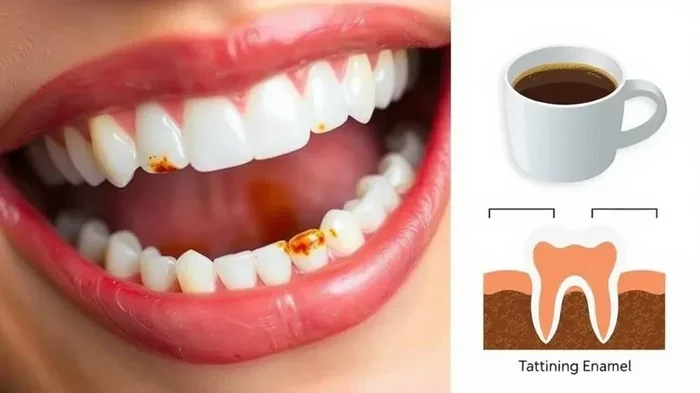
Visual guide about coffee stained teeth closeup
Image source: caffeine-headache.com
Drink Water Alongside Coffee
Water helps wash away some of the coffee residue and keeps your mouth moist. A moist mouth is better at balancing acid and clearing food particles. Try taking a few sips of water after your coffee, especially if you cannot brush right away.
Time Your Coffee
Drinking coffee in one or two sittings is usually better than nursing one cup for hours. The less time coffee spends on your teeth, the better. If you enjoy a morning cup and an afternoon cup, that is generally easier on your smile than constant sipping.
Wait Before You Brush
After acidic drinks, it is often wise to wait a bit before brushing. Your enamel may be slightly softened right after coffee. Rinse with water first, then brush after a short wait. This simple habit can help protect enamel while still keeping your teeth clean.
Use a Straw When It Makes Sense
A straw can reduce contact between coffee and your front teeth. This is especially helpful if you drink iced coffee or cold brew. It will not eliminate stains completely, but it can lower the amount of pigment that touches the visible parts of your smile.
Keep Up With Brushing and Flossing
Good daily care is the foundation. Brush twice a day, floss once a day, and use a toothbrush that feels comfortable for your gums. If you want extra help with stains, ask your dentist about toothpaste options that are gentle and effective for everyday use.
How Bad Is Coffee For Your Teeth Compared With Other Drinks
Coffee is not the only drink that affects teeth. Many beverages can stain or soften enamel. Looking at the bigger picture can help you make better choices without fear.
Coffee vs. Tea
Tea can also stain teeth, and some teas are acidic too. The staining level depends on the type of tea and how strong it is. Coffee is often blamed for stains, but tea can be a culprit as well. If you drink both, the same protection tips apply.
Coffee vs. Soda and Energy Drinks
Soda and energy drinks often contain more sugar and more acid than coffee. That combination can be harder on enamel and cavities. If you are choosing between a sugary soda and a plain coffee, coffee is usually the less risky option for your teeth, especially if you keep the sugar low.
Coffee vs. Red Wine
Red wine is famous for staining. It has strong pigments and acidity. Like coffee, it can leave marks on enamel over time. If you enjoy both, rinse with water and keep up with dental cleanings to manage stains.
Quick Comparison
| Drink | Staining Risk | Acidity | Sugar Risk |
|---|---|---|---|
| Black Coffee | Moderate | Mild | Low |
| Coffee With Sugar | Moderate | Mild | Higher |
| Tea | Moderate to High | Mild to Moderate | Low to Moderate |
| Soda | Moderate | Higher | High |
| Red Wine | High | Moderate | Low to Moderate |
Expert Insights: What Dentists Often Say About Coffee and Teeth
Dentists usually tell people the same thing: coffee is fine in moderation, but habits matter. They often focus on three things: stains, acid exposure, and sugar. If you keep those under control, you can enjoy coffee and still care for your smile.
Professional Cleanings Help
Regular dental cleanings can remove surface stains that brushing alone may not handle. If coffee stains are bothering you, a cleaning is a good first step. Your dentist or hygienist can also check for early signs of enamel wear or cavities and give you personalized advice.
Whitening Options
If stains are already visible, there are safe ways to brighten your smile. Over-the-counter products can help some people, but they are not right for everyone. If your enamel is sensitive or worn, a dentist can recommend the safest path. The goal is a brighter smile without irritating your teeth or gums.
Listen To Your Own Mouth
Your teeth can give you clues. If you feel sensitivity, notice more staining, or see changes in how your teeth look, pay attention. Those signs do not always mean serious damage, but they are worth checking. A dentist can help you separate normal wear from problems that need care.
Expert Insight
Many dentists suggest a simple routine: enjoy your coffee, rinse with water, wait a bit before brushing, and keep up with dental visits. That combination balances enjoyment with protection. It is a practical way to answer the question of how bad is coffee for your teeth without giving up the drink you love.
Key Takeaways For Coffee Lovers Who Want Healthy Teeth
If you want the big picture, here it is. Coffee can stain teeth and can gently soften enamel because of its acidity. Adding sugar or sweetened creamers increases the risk of cavities. But coffee is not a tooth destroyer. Most people can keep their teeth healthy by making a few smart choices.
- Drink coffee in a reasonable window instead of sipping for hours.
- Rinse with water after coffee to help clear residue.
- Wait before brushing after acidic drinks.
- Limit sugar and heavy creamers if you want to reduce cavity risk.
- Brush and floss daily, and see your dentist regularly.
- Ask about stain removal or whitening if discoloration bothers you.
When people ask how bad is coffee for your teeth, the best answer is this: it can be a problem if you ignore the basics, but it is very manageable when you care for your smile. A little attention goes a long way.
Frequently Asked Questions
Does coffee ruin your teeth?
Coffee does not ruin your teeth by itself. It can stain enamel and mildly soften it because of acidity, but good oral care and smart drinking habits can keep your teeth healthy.
How can I drink coffee without staining my teeth?
Rinse with water after coffee, try to drink it in a shorter window, and brush twice a day. Using a straw for iced coffee can also reduce contact with front teeth.
Is black coffee better for teeth than coffee with sugar?
Black coffee is usually better because it avoids the extra sugar that feeds cavity-causing bacteria. Still, black coffee can stain, so rinsing and regular cleanings help.
Should I brush my teeth right after drinking coffee?
It is often better to rinse with water first and wait a little before brushing. Coffee is mildly acidic, and waiting helps protect softened enamel while still keeping your teeth clean.
Can dentists remove coffee stains?
Yes, professional cleanings can remove many surface coffee stains. If stains are deeper or your teeth are yellowed, a dentist can discuss safe whitening options that fit your needs.
Is coffee worse for teeth than tea or soda?
Not always. Soda often has more sugar and acid, which can be harder on enamel and cavities. Tea can also stain. Coffee is usually in the middle, especially if you keep sugar low and practice good oral hygiene.
Conclusion
So, how bad is coffee for your teeth? It can cause stains and mild enamel stress, especially when you sip it all day or load it with sugar. But for most people, coffee is not a disaster for oral health. If you rinse with water, limit sugar, brush and floss regularly, and visit your dentist, you can keep your smile bright and still enjoy your daily cup. The best approach is simple: drink smart, care consistently, and do not let fear take the joy out of your coffee.



