
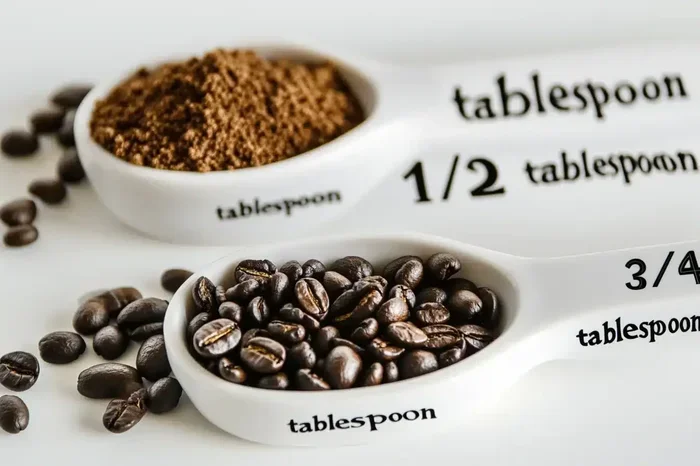
If you have ever asked how much does a tablespoon of coffee weigh, you are not alone. Most home brewers guess the amount, but guessing leads to bitter or weak drinks. A standard level tablespoon of ground coffee usually weighs between 5 and 7 grams. Knowing this simple fact changes everything about your morning routine. Precise measurements help you brew consistently, save money, and enjoy better flavor without any fancy equipment.
Making great coffee at home should feel simple. Yet so many people struggle with the same question every morning. How much does a tablespoon of coffee weigh? It sounds like a tiny detail, but this small number controls the entire flavor of your drink. When you guess, you often get a cup that tastes off. Sometimes it feels too bitter. Other times it tastes thin and watery. The good news is that you do not need to be a professional barista to fix this. You just need a clear answer and a simple habit.
In this guide, we will break down the real weight of a tablespoon of coffee. We will also look at why the number changes, how grind size affects your scoop, and what ratio works best for most people. You will learn easy ways to measure without stress. By the end, you will have a clear plan for your daily brew. Better coffee starts with better measurements, and that is exactly what we will cover together.
Key Takeaways
- Standard Weight: A level tablespoon of ground coffee typically weighs 5 to 7 grams depending on grind size and roast.
- Grind Matters: Finer grinds pack tighter and weigh more per spoon, while coarse grinds weigh less.
- Roast Impact: Darker roasts are less dense, so a tablespoon of dark coffee weighs slightly less than light roast.
- Consistency Wins: Using weight instead of volume gives you the same taste every single time.
- Ratio Rule: A good starting point is 1 gram of coffee for every 15 to 18 grams of water.
- Tools Help: A cheap kitchen scale removes guesswork and improves your brew quality fast.
- Adjust to Taste: Change the amount slowly if your cup feels too strong or too weak.
📑 Table of Contents
- Why the Weight of a Tablespoon of Coffee Matters
- How Much Does a Tablespoon of Coffee Weigh on Average
- How Grind Size Changes the Weight
- Best Coffee-to-Water Ratios for Home Brewing
- Simple Ways to Measure Without a Scale
- Common Mistakes When Measuring Coffee
- Expert Insights for Better Daily Brewing
- Final Thoughts on Coffee Weight and Taste
Why the Weight of a Tablespoon of Coffee Matters
Many people treat coffee like a guessing game. They grab a spoon, fill it up, and hope for the best. That approach works sometimes, but it fails often. Coffee is a delicate drink. Small changes in the amount of grounds create big changes in taste. When you know how much does a tablespoon of coffee weigh, you stop guessing and start controlling your cup.
Think about baking for a moment. You would not guess the amount of flour in a cake recipe. You would use a scale or a proper measuring cup. Coffee works the same way. The flavor balance depends on the ratio of coffee to water. If you use too little coffee, the drink tastes weak and flat. If you use too much, it turns harsh and bitter. A steady weight gives you a steady result.
There is also a money factor. Good coffee costs more than basic grounds. When you waste beans by over-scooping, you throw away flavor and cash. When you under-use them, you stretch a bag farther but drink a poor cup. Knowing the true weight helps you use the right amount every time. That means fewer wasted bags and more enjoyable mornings.
Finally, consistency builds confidence. Once you find a ratio you like, you can repeat it. You can make the same great cup on a busy weekday or a slow weekend. You can even share your method with friends. Reliable measurements turn a random habit into a trusted routine.
The Problem With Volume Measurements
Spoons seem easy, but they are tricky. A tablespoon is a volume measure, not a weight measure. Volume changes when the coffee is packed, sliced, or fluffy. One person might press the grounds down tight. Another might spoon lightly. The same tablespoon can hold very different amounts of coffee.
Ground coffee also shifts with humidity. On a damp day, grounds clump and settle differently. On a dry day, they stay loose. These small changes alter how much fits in a spoon. That is why two people can follow the same spoon advice and get different results.
If you want a stable brew, weight beats volume every time. A scale gives you the same number regardless of packing or weather. That said, you can still use a tablespoon well if you understand the average weight and keep your method steady.
What Most People Get Wrong
A common mistake is assuming all coffee grounds weigh the same. They do not. Light roasts are denser. Dark roasts are puffier and lighter. A tablespoon of one roast can weigh differently than the same spoon of another roast. Another mistake is confusing heaping scoops with level scoops. A heaping spoon can hold far more than a flat one.
People also forget that grind size changes everything. Fine espresso grounds pack tightly. Coarse french press grounds leave air gaps. The same spoon holds less weight with coarse grounds and more weight with fine grounds. Once you see this, the question how much does a tablespoon of coffee weigh becomes easier to answer with context.
How Much Does a Tablespoon of Coffee Weigh on Average
Let us give you a clear starting point. A level tablespoon of medium-ground coffee usually weighs about 5 to 7 grams. That range covers most everyday brews. If the grounds are very fine, the spoon can hold closer to 7 grams or a bit more. If the grounds are coarse, the spoon may hold only 4 to 5 grams. The difference comes from how tightly the particles fit together.
Visual guide about tablespoon of coffee beans
Image source: c8.alamy.com
For a standard daily cup, many brewers use about 2 tablespoons of coffee for every 6 to 8 ounces of water. That would put your coffee weight around 10 to 14 grams for a small mug. If you like a stronger cup, you might move toward the higher end. If you prefer a lighter cup, you might stay near the lower end. The goal is to find a number that tastes right to you and then repeat it.
Here is a simple way to think about it:
- Light, fluffy grounds: closer to 4 to 5 grams per tablespoon
- Medium grounds: about 5 to 6 grams per tablespoon
- Fine grounds: about 6 to 7 grams or more per tablespoon
These numbers are guides, not strict laws. Your specific coffee, your spoon, and your packing style all matter. Still, this range gives you a practical answer to how much does a tablespoon of coffee weigh in real life.
Light Roast vs Dark Roast Differences
Roast level changes density. Light roasts stay denser because the bean has not expanded as much during roasting. That means a tablespoon of light roast can weigh a touch more. Dark roasts puff up and become less dense. A tablespoon of dark roast often weighs a bit less. The taste difference is bigger than the weight difference, but the weight still matters for consistency.
If you switch from a dark blend to a light single origin, do not be surprised if your usual spoon feels different. You may need a small adjustment to keep the same strength. That is normal. The easiest fix is to taste and tweak a little at a time.
Whole Bean vs Pre-Ground Weight
Whole beans and pre-ground coffee can also feel different in a spoon. Pre-ground coffee often settles during storage. It can become more compact by the time you open the bag. Freshly ground coffee may be airier, especially if your grinder creates a lot of fines and boulders. These small texture differences change how much fits in a tablespoon.
If you weigh your coffee, this problem fades. If you use a spoon, try to keep your grind source steady. Use the same bag type, the same grinder, and the same spoon each time. That reduces variation and makes your answer to how much does a tablespoon of coffee weigh more reliable.
How Grind Size Changes the Weight
Grind size is one of the biggest reasons spoon weight varies. Imagine sand and gravel. A cup of fine sand feels heavier than a cup of gravel because the sand fills every gap. Coffee works in a similar way. Fine grounds fill a spoon more tightly. Coarse grounds leave empty space. So the same tablespoon can weigh more or less based on texture alone.
Visual guide about tablespoon of coffee beans
Image source: i.ytimg.com
This is why brew method matters. A french press usually uses coarse grounds. A drip machine often uses medium grounds. An espresso setup uses very fine grounds. Each method creates a different spoon weight even if the spoon looks full. If you change your grind but keep the same number of spoons, your cup will change.
Fine Grinds and Denser Scoops
Fine grounds pack closely. They create a denser scoop with less air inside. That means a tablespoon of fine coffee can weigh more than you expect. This is common with espresso-style grounds and some moka pot preparations. If you use fine grounds, start with a little less than your usual spoon count. You can always add more next time.
Fine grounds also extract faster. So a heavier spoon of fine coffee can make a strong, intense cup quickly. If your drink tastes sharp or bitter, the issue may be both grind and amount. Try a lighter spoon or a coarser grind before you change everything else.
Coarse Grinds and Lighter Scoops
Coarse grounds behave like small pebbles. They do not pack tightly. A tablespoon of coarse coffee often weighs less than a tablespoon of fine coffee. This is typical for french press brews and some cold methods. Because the spoon holds less weight, people sometimes add more spoons to compensate. That can work, but it is better to think in grams if you can.
If you love a bold french press cup, do not just pile on spoons. Check your ratio and your steep time first. A longer steep can matter as much as an extra spoon. Small changes across several factors often create the best results.
Best Coffee-to-Water Ratios for Home Brewing
Ratios are the real secret behind good coffee. Instead of asking only how much does a tablespoon of coffee weigh, ask how much coffee fits your water amount. A simple starting ratio is 1 gram of coffee for every 15 to 18 grams of water. That range suits many common brew methods and tastes.
Visual guide about tablespoon of coffee beans
Image source: boatbasincafe.com
If you do not have a scale yet, you can still use spoons as a rough guide. A common starting point is 2 tablespoons of coffee for every 6 to 8 ounces of water. That is not perfect, but it works well enough for many mugs. From there, adjust by taste. If the cup feels weak, add a little more coffee. If it feels heavy, use a little less.
Here is a quick reference table to help you plan:
| Water Amount | Coffee by Weight | Rough Spoon Guide |
|---|---|---|
| 6 ounces | 10 to 12 grams | About 2 level tablespoons |
| 8 ounces | 12 to 15 grams | About 2 to 2.5 level tablespoons |
| 12 ounces | 18 to 22 grams | About 3 to 3.5 level tablespoons |
| 16 ounces | 24 to 30 grams | About 4 to 5 level tablespoons |
Use this table as a starting map, not a rigid rule. Your taste, your beans, and your brew method all shift the ideal number. The key is to begin with a sensible range and then tune it.
Drip Coffee Guidelines
Drip coffee is the most common home brew. For a balanced cup, many people enjoy a medium strength ratio. Try about 1 gram of coffee for every 16 grams of water. If you use a standard mug of 10 to 12 ounces, that usually means 15 to 20 grams of coffee. In spoon terms, that is often 2.5 to 3 level tablespoons, depending on grind and roast.
If your machine has a filter basket that looks small, do not pack it too tight. Even distribution helps water flow evenly. Uneven flow can make some parts over-extracted and some parts weak. A steady spoon amount and a level bed of grounds usually give a cleaner taste.
French Press and Stronger Styles
French press coffee often tastes richer because the mesh filter lets more oils through. Many people like a slightly stronger ratio here. You might move toward 1 gram of coffee for every 14 to 15 grams of water. That can mean a bit more coffee per ounce than drip. In spoon terms, you may use an extra half tablespoon or more compared with a drip mug.
Remember that coarse grounds weigh less per spoon. So if you switch to a french press, you may need more spoons to reach the same weight. If you can, check your grams once so you know what your target really is. After that, you can repeat the same feel each time.
Simple Ways to Measure Without a Scale
A scale is the easiest path to accuracy, but you can still make great coffee without one. The trick is to keep your method consistent. Use the same spoon every time. Level it off each time. Do not press the grounds down unless you always do that. Small habits create repeatable results.
If you want a quick calibration, weigh one spoonful once on a kitchen scale. Write down the number you see. Then use that memory as your reference. For example, if one level tablespoon of your usual coffee weighs 6 grams, you now know your spoon baseline. That one test answers how much does a tablespoon of coffee weigh for your own setup.
Using Standard Spoon Sizes
Not all spoons are the same. A real measuring tablespoon is more reliable than a random kitchen spoon. If you use a household spoon, it may hold more or less than a true tablespoon. For better results, use a proper measuring spoon set. Keep it clean and dry so the grounds do not clump inside.
Level the spoon with a straight edge if you want a steady measure. A heaping spoon can add a lot of extra coffee without you noticing. If you like a strong cup, add a little more on purpose rather than accidentally. Intentional changes are easier to repeat.
Visual Cues That Help
Experienced brewers often learn to recognize a good spoonful by sight. The grounds should look evenly spread, not piled in a mound. The surface should be flat or very close to flat. If you see big air pockets or a loose, fluffy pile, your weight may be off. A calm, level spoon usually points to a more stable brew.
You can also learn by pattern. If your first cup of the day tastes right, note what you did. Did you use one spoon or two? Was the spoon level or heaped? Did you grind fresh or use old grounds? These notes help you repeat success without fancy tools.
Common Mistakes When Measuring Coffee
Even simple measuring has traps. Here are the most common ones and how to avoid them.
- Packing the spoon too hard: This adds extra weight and can make the cup harsh.
- Using a heaping spoon by habit: A heaping spoon changes your ratio every time.
- Mixing spoon types: One day you use a measuring spoon, the next day a random spoon. That creates uneven results.
- Ignoring grind changes: You switch grind size but keep the same spoon count.
- Forgetting roast density: You change from dark to light roast and expect the same spoon weight.
- Measuring into a wet spoon: Clumps form and the weight becomes messy.
If you avoid these mistakes, your brew becomes much more stable. You do not need perfection. You just need a steady pattern.
Quick Troubleshooting Tips
If your coffee tastes weak, do not rush to double the spoon. First check your water amount. Maybe the mug is larger than you think. Then check your grind. If the grounds are very coarse, try a slightly finer setting before adding more coffee. If the cup still feels thin, add a small spoonful and test again.
If your coffee tastes too strong, go the other way. Remove a small spoonful next time. Or use a little more water. You can also try a coarser grind if the taste feels sharp. Strong flavor is not always the same as good flavor. A balanced cup usually feels smoother and more comfortable.
Expert Insights for Better Daily Brewing
Professional baristas often say the best cup comes from repeatable habits, not fancy tricks. That is good news for home brewers. You do not need expensive gear to improve. You need a steady ratio, a clean brew method, and a little attention to detail. When you think about how much does a tablespoon of coffee weigh, you are already moving in the right direction.
One helpful insight is to taste with purpose. After each cup, ask one simple question: do I want more brightness, more body, or more strength? If you want more body, you may keep the same coffee amount but change the grind or water temperature. If you want more strength, add a small amount of coffee. If you want brighter flavor, use a slightly lighter ratio or a cleaner brew method. Small, clear goals make adjustments easier.
Another insight is to keep your water in mind. Coffee is mostly water. If your water tastes flat, your coffee may taste flat too. Clean, fresh water usually supports better flavor. You do not need complicated additives. Just use water you would happily drink on its own.
A Simple Routine You Can Keep
Here is an easy daily routine that works for many people:
- Use the same mug or cup each morning.
- Use the same measuring spoon or the same scale setting.
- Start with a level tablespoon and a standard ratio.
- Brew, taste, and note one thing to change next time.
- Adjust by small steps, not big jumps.
This routine keeps things calm and practical. It also makes your answer to how much does a tablespoon of coffee weigh more useful, because you connect weight to taste. Over time, you will learn your own sweet spot. That is the real goal.
Final Thoughts on Coffee Weight and Taste
Coffee measurement does not have to be complicated. A level tablespoon of ground coffee usually sits in a familiar range, and that range is enough to build a great routine. Once you understand how grind size, roast level, and packing affect the spoon, you can make better choices with confidence. You stop chasing random results and start creating the cup you want.
If you remember nothing else, remember this: weight gives you consistency, and consistency gives you better coffee. Whether you use a scale or a spoon, the best method is the one you can repeat. Start with a sensible ratio, taste honestly, and adjust slowly. Before long, you will know exactly how much coffee fits your morning and how to make it taste right every time.
Frequently Asked Questions
How much does a tablespoon of coffee weigh in grams?
A level tablespoon of ground coffee usually weighs about 5 to 7 grams. The exact number depends on grind size, roast level, and how tightly the grounds are packed.
Does a heaping tablespoon of coffee weigh more than a level one?
Yes, a heaping tablespoon holds more grounds and weighs more than a level tablespoon. That extra amount can make your coffee stronger, so it is better to measure on purpose if you want a heavier dose.
Why does my tablespoon of coffee seem lighter some days?
Humidity, grind changes, and settling in the bag can all change how much fits in a spoon. Even the same coffee can feel lighter or heavier depending on how loose or compact the grounds are.
Is it better to measure coffee by weight or by spoons?
Weight is more accurate because it removes guesswork from packing and grind size. Spoons can work well if you keep your method steady, but a scale gives you more consistent results over time.
How many tablespoons of coffee should I use for a standard mug?
Many people start with about 2 level tablespoons for a 6 to 8 ounce mug. If you like a stronger cup, you can add a little more, and if you prefer a lighter cup, you can use a little less.
Do different coffee roasts change the spoon weight?
Yes, light roasts are usually denser, so a tablespoon may weigh a bit more. Dark roasts are often less dense, so the same spoon may hold slightly less coffee by weight.



