Brewing the perfect pot starts with knowing how much coffee for 10 cups of water. The golden ratio is typically 1 gram of coffee per 16 grams of water, which translates to about 10 to 12 tablespoons for a standard 10-cup brew. Adjust based on your taste preference and bean type for the best results.
Making a great cup of coffee starts with one simple question. How much coffee for 10 cups of water do you really need? Getting this right changes everything. Too little coffee leaves you with a weak, watery drink. Too much makes it bitter and harsh. Finding the sweet spot brings out the rich flavors you love.
Many people guess when they brew. They scoop randomly and hope for the best. But coffee brewing is more science than luck. The right ratio creates consistency. You get the same great taste every morning. This guide breaks down the exact measurements. You will learn the golden ratio, practical tips, and common mistakes to avoid.
Whether you use a drip machine, a French press, or a pour-over setup, the principles stay the same. Water quality matters. Grind size matters. Even your bean type plays a role. By the end of this article, you will brew with confidence. Let us dive into the details and make your next pot perfect.
Key Takeaways
- Standard Ratio: Use 10 to 12 tablespoons of ground coffee for 10 cups of water.
- Golden Rule: The ideal coffee-to-water ratio is 1:16 for balanced flavor.
- Grind Size Matters: Match your grind to your brewing method for optimal extraction.
- Bean Type: Darker roasts need slightly less coffee due to stronger flavor.
- Water Quality: Filtered water improves taste and protects your coffee maker.
- Personal Preference: Adjust the amount up or down based on your strength preference.
- Consistency: Use a scale for precise measurements every time.
📑 Table of Contents
- Understanding the Coffee-to-Water Ratio
- How Much Coffee for 10 Cups of Water: The Exact Measurement
- Factors That Change Your Coffee Strength
- Brewing Methods and How They Affect the Ratio
- Tips for Consistent and Delicious Coffee Every Time
- Troubleshooting Weak or Bitter Coffee
- Final Thoughts on Brewing the Perfect Pot
Understanding the Coffee-to-Water Ratio
The foundation of great coffee is the ratio. This is the balance between coffee grounds and water. A standard starting point is the golden ratio of 1:16. This means one part coffee to sixteen parts water. For 10 cups of water, you are working with roughly 80 ounces or 2,360 milliliters. Using the 1:16 ratio, you need about 147 grams of coffee. That translates to roughly 10 to 12 level tablespoons.
Some people prefer a stronger brew. Others like it lighter. The ratio gives you a baseline. You can adjust from there. A 1:15 ratio makes a bolder cup. A 1:17 ratio creates a milder taste. The key is consistency. Once you find your sweet spot, stick with it.
Why the Ratio Matters
Water extracts flavor from coffee grounds. Too little water leaves oils and solids behind. Too much water washes out the subtle notes. The right balance pulls out the perfect amount of caffeine, acids, and sugars. This creates a smooth, enjoyable drink.
Think of it like cooking. A soup with too much broth tastes thin. A soup with too many ingredients feels heavy. Coffee works the same way. The ratio sets the stage for everything else.
Measuring by Weight vs. Volume
Volume measurements like tablespoons work fine for most home brewers. But weight is more accurate. Coffee grounds vary in density. A scoop of dark roast weighs less than a scoop of light roast. Using a kitchen scale removes the guesswork. You get exact measurements every time.
If you do not have a scale, use consistent spoons. Level them off. Do not pack the grounds down. This keeps your measurements reliable.
Quick Tip
Start with 10 tablespoons for 10 cups. Taste the result. Add one more tablespoon next time if you want it stronger. Remove one if it feels too bold. Small changes make a big difference.
How Much Coffee for 10 Cups of Water: The Exact Measurement
Let us get straight to the numbers. For a standard 10-cup coffee maker, you need 10 to 12 tablespoons of ground coffee. This assumes a standard cup size of 6 ounces. Many coffee makers label their capacity in 6-ounce servings. If your machine uses 8-ounce cups, adjust slightly upward. You would need about 13 to 15 tablespoons for 10 larger cups.
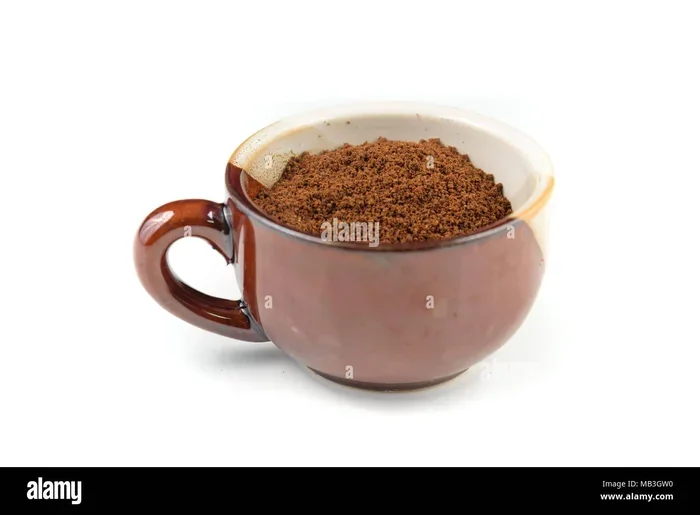
Visual guide about fresh coffee grounds and mug
Image source: c8.alamy.com
Here is a simple breakdown. One tablespoon of coffee weighs roughly 5 to 7 grams. Ten tablespoons give you 50 to 70 grams. This aligns well with the 1:16 ratio for a 10-cup brew. If you prefer precision, aim for 147 grams total. Use a scale to hit that target.
Adjusting for Strength Preferences
Not everyone likes the same strength. Some want a mild morning drink. Others need a strong kick to start the day. Adjust your coffee amount based on your preference. Here is a quick guide:
- Mild Brew: Use 9 to 10 tablespoons for 10 cups of water.
- Standard Brew: Use 10 to 12 tablespoons for 10 cups of water.
- Strong Brew: Use 13 to 15 tablespoons for 10 cups of water.
These ranges give you flexibility. Test each level over a few days. Note which one makes you happiest. Then lock it in as your standard.
Accounting for Coffee Maker Differences
Different machines extract differently. A drip machine runs water through grounds quickly. A French press steeps longer. A pour-over gives you full control. Each method may need a slight tweak. Drip machines often work well with the standard ratio. French presses may need a touch more coffee for richness. Pour-overs shine with precise measurements.
Know your machine. Read its manual if needed. Some brands recommend specific amounts. Follow those guidelines as a starting point. Then adjust to your taste.
Factors That Change Your Coffee Strength
The amount of coffee is only one piece of the puzzle. Several other factors shape your final cup. Understanding these helps you troubleshoot weak or bitter results.
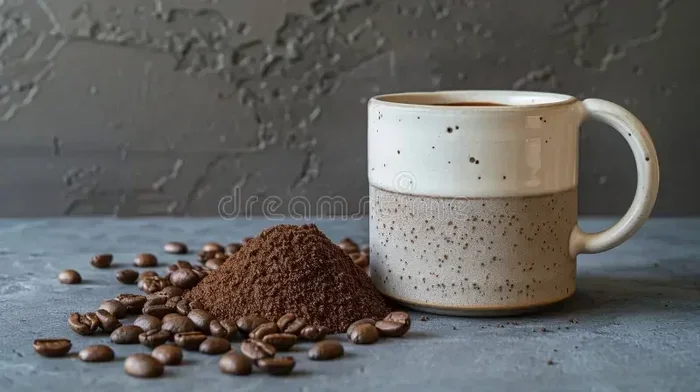
Visual guide about fresh coffee grounds and mug
Image source: thumbs.dreamstime.com
Grind Size and Extraction
Grind size controls how fast water pulls flavor from the beans. Fine grinds expose more surface area. Water extracts quickly. This works well for espresso or French press. Coarse grinds extract slower. They suit drip machines and cold brew. Using the wrong grind leads to problems. Too fine causes bitterness. Too coarse creates weakness.
Match your grind to your method. If your coffee tastes sour or thin, try a finer grind. If it tastes harsh or burnt, go coarser. Small changes in grind size make a noticeable difference.
Bean Type and Roast Level
Not all coffee beans taste the same. Light roasts retain more acidity and floral notes. They often need a slightly higher coffee amount to balance the brightness. Dark roasts bring bold, smoky flavors. They pack more punch per gram. You may use less coffee with a dark roast.
Freshness also matters. Old beans lose flavor and aroma. They produce a flat cup. Buy beans with a recent roast date. Store them in an airtight container away from heat and light. Fresh beans make every tablespoon count.
Water Quality and Temperature
Water makes up most of your cup. Poor water quality ruins good coffee. Hard water leaves mineral buildup. It also changes the taste. Chlorine adds a chemical note. Filtered water solves both problems. It tastes cleaner and protects your machine.
Temperature plays a role too. Boiling water scorches grounds. It extracts bitter compounds. Water just off the boil, around 195 to 205 degrees Fahrenheit, works best. Most drip machines handle this automatically. For manual brewing, let the water sit for 30 seconds after boiling.
Common Mistakes to Avoid
- Using stale beans: Old coffee loses flavor and yields a dull cup.
- Inconsistent scooping: Packing or heaping spoons changes the amount each time.
- Ignoring grind size: The wrong grind leads to over-extraction or under-extraction.
- Poor water quality: Tap water with strong chlorine or minerals hurts the taste.
- Not cleaning the machine: Old oils and residue build up and affect flavor.
Brewing Methods and How They Affect the Ratio
Your brewing method changes how you apply the ratio. Each style has its own quirks. Knowing these helps you get the best results from your setup.
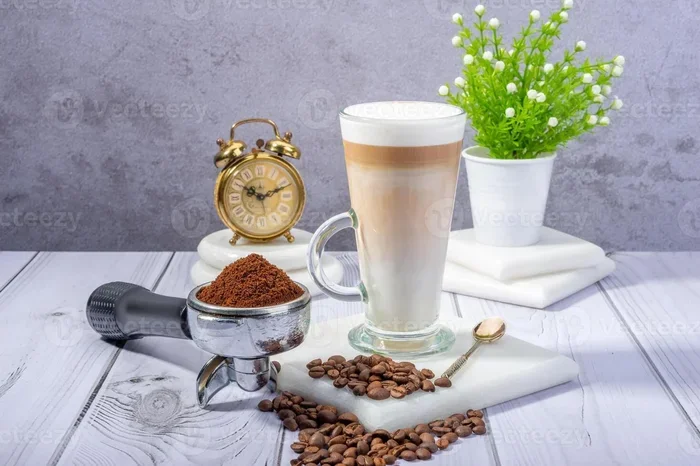
Visual guide about fresh coffee grounds and mug
Image source: static.vecteezy.com
Drip Coffee Makers
Drip machines are the most common home brewers. They pass hot water through a basket of grounds. The standard ratio works well here. Use 10 to 12 tablespoons for 10 cups of water. Keep the water reservoir clean. Replace filters regularly. This prevents old oils from spoiling the taste.
If your machine has a built-in grinder, use it right before brewing. Freshly ground coffee releases more aroma. The result tastes brighter and more flavorful.
French Press
A French press steeps coffee directly in hot water. This method extracts more oils and body. You may want a slightly stronger ratio. Try 12 to 14 tablespoons for 10 cups of water. Use a coarse grind to avoid sediment. Steep for four minutes, then press slowly. The result is rich and full-bodied.
Pour-Over
Pour-over brewing gives you full control. You pour water by hand over grounds in a filter. This method highlights subtle flavors. Precision matters here. Use a scale for the best results. Aim for the 1:16 ratio. For 10 cups, that is about 147 grams of coffee. Pour in slow, steady circles. Let the water drain evenly. The cup comes out clean and bright.
Cold Brew
Cold brew uses cold or room temperature water. It steeps for 12 to 24 hours. The ratio differs from hot brewing. Cold brew concentrate is often made at 1:8 or 1:10. You dilute it later with water or milk. For a ready-to-drink cold brew, use a 1:15 ratio. That means about 10 to 12 tablespoons for 10 cups of water. The long steep time extracts smoothly without bitterness.
Tips for Consistent and Delicious Coffee Every Time
Consistency turns a good cup into a great one. Small habits make a big difference. Follow these tips to keep your brews reliable and tasty.
Use a Scale for Precision
A kitchen scale removes guesswork. Weigh your water and your coffee. This guarantees the same ratio every time. Start with 147 grams of coffee for 2,360 milliliters of water. Adjust from there based on taste. Once you find your perfect number, write it down. Use it daily.
Keep Your Equipment Clean
Coffee oils build up over time. They turn rancid and spoil fresh batches. Wash your carafe, basket, and French press after each use. Run a vinegar or cleaning solution cycle through your drip machine monthly. A clean machine makes cleaner coffee.
Store Beans Properly
Heat, light, and air degrade coffee. Store beans in a sealed container. Keep them in a cool, dark place. Do not store them in the fridge or freezer unless you seal them tightly. Moisture causes stale flavors. Buy smaller amounts more often. Fresh beans taste better than old ones.
Experiment Gradually
Change one variable at a time. Adjust the coffee amount first. Then try grind size. Then water temperature. Note what each change does. This systematic approach helps you find your ideal brew. Rushing changes everything at once makes it hard to know what worked.
Expert Insights
Baristas often recommend weighing coffee instead of scooping. Weight stays consistent across bean types and roast levels. Volume fluctuates because grounds compress differently. A scale gives you control. Control leads to repeatability. Repeatability leads to the perfect cup every morning.
Troubleshooting Weak or Bitter Coffee
Even with the right ratio, problems happen. Use this checklist to diagnose and fix common issues.
Coffee Tastes Weak
Weak coffee usually means under-extraction. Try these fixes:
- Add one or two more tablespoons of coffee for 10 cups of water.
- Use a finer grind to increase extraction.
- Check that your water is hot enough, around 195 to 205 degrees Fahrenheit.
- Make sure your machine is not leaking or bypassing the grounds.
Coffee Tastes Bitter
Bitterness often comes from over-extraction. Try these fixes:
- Reduce the coffee amount slightly, maybe 9 to 10 tablespoons for 10 cups of water.
- Use a coarser grind to slow extraction.
- Lower the water temperature a bit. Avoid boiling water directly on the grounds.
- Shorten the brew time if your method allows it.
Coffee Tastes Flat or Stale
Flat coffee usually points to old beans or poor water. Try these fixes:
- Buy fresher beans with a recent roast date.
- Use filtered water instead of straight tap water.
- Clean your machine to remove old oils and residue.
- Store beans in an airtight container away from heat and light.
Final Thoughts on Brewing the Perfect Pot
Finding how much coffee for 10 cups of water is simpler than it seems. Start with 10 to 12 tablespoons. Use the 1:16 golden ratio as your guide. Adjust based on your taste, your beans, and your brewing method. Small changes lead to big improvements.
Remember that consistency is your friend. Use a scale when you can. Keep your equipment clean. Store beans properly. Experiment slowly and note what works. Over time, you will dial in your perfect brew. The result is a morning cup that tastes exactly the way you want it.
Coffee brewing is a skill. Like any skill, it improves with practice. Trust the process. Make one adjustment at a time. Enjoy the journey. Your perfect cup is just a few brews away.
Frequently Asked Questions
How much coffee should I use for 10 cups of water in a drip machine?
Use 10 to 12 tablespoons of ground coffee for 10 cups of water in a standard drip machine. This follows the 1:16 golden ratio and gives a balanced flavor. Adjust up or down based on your strength preference.
Does the type of coffee bean change how much I need?
Yes, bean type and roast level affect strength. Dark roasts taste bolder, so you may use slightly less coffee. Light roasts often need a touch more to balance their brighter notes. Fresh beans also taste stronger than stale ones.
Can I use a scale instead of tablespoons?
Absolutely. A scale gives you precise measurements and better consistency. Aim for about 147 grams of coffee for 10 cups of water, which follows the 1:16 ratio. Weight removes the guesswork that comes with volume measurements.
What grind size works best for 10 cups of coffee?
The best grind depends on your brewing method. Use a medium grind for drip machines and a coarse grind for French press. Pour-over methods often work well with a medium-fine grind. Match the grind to your method for optimal extraction.
Why does my coffee taste weak even with the right amount?
Weak coffee usually means under-extraction. Check your grind size, water temperature, and brew time. A finer grind or hotter water can help. Also make sure your machine is not leaking or skipping the grounds.
How often should I clean my coffee maker for best results?
Clean your carafe and basket after every use. Run a deep cleaning cycle with vinegar or a coffee cleaner once a month. Regular cleaning removes old oils and residue that spoil the taste of fresh coffee.