Dyeing clothes with coffee is a simple, eco-friendly way to refresh old garments. You only need brewed coffee, salt, and natural fabrics like cotton. This method creates a soft, vintage brown tone without harsh chemicals. Follow our easy steps to achieve beautiful, custom colors at home.
Have you ever looked at an old white shirt and wished it had a little more character? Maybe you want to hide a stain or just give your wardrobe a vintage vibe. Dyeing clothes with coffee is a fantastic solution. It is cheap, natural, and surprisingly easy to do.
Many people throw away clothes because they look dull or faded. But you can bring them back to life with items you already have in your kitchen. Coffee grounds create a beautiful earthy tone. It looks like you bought the garment that way. Plus, you avoid toxic chemicals found in store-bought dyes.
In this guide, we will walk you through everything you need to know. You will learn how to prepare your fabric, brew the perfect dye bath, and set the color. By the end, you will feel confident enough to try this project yourself. Let’s turn those plain clothes into something unique.
Key Takeaways
- Natural Fabrics Work Best: Cotton, linen, and wool absorb coffee dye better than synthetics.
- Brew Strong Coffee: Use extra grounds for a deeper, richer brown color.
- Use Salt as a Mordant: Salt helps set the dye and makes the color last longer.
- Prep Matters: Wash clothes first to remove any finishes that block dye absorption.
- Control the Shade: Soak longer for darker colors and shorter for lighter tints.
- Rinse Carefully: Rinse in cold water until the water runs clear to stop the dyeing process.
- Dry Away from Sun: Dry your dyed items in the shade to prevent fading.
📑 Table of Contents
Why Choose Coffee for Fabric Dyeing
There are many reasons to try natural dyeing at home. Synthetic dyes can be harsh on your skin and the environment. Coffee offers a gentle alternative. It smells great while you work. The color is subtle and warm. It gives fabrics a lived-in look that is very trendy right now.
This method is also very budget-friendly. You probably drink coffee every day. Instead of throwing away your used grounds, you can use them. Or you can brew a fresh, strong pot specifically for dyeing. Either way, it costs much less than buying a dye kit. It is a great project for beginners who want to experiment without spending much money.
Environmental Benefits
Fast fashion creates a lot of waste. Dyeing your old clothes extends their life. This reduces the need to buy new items. Natural dyes like coffee are biodegradable. They do not pollute the water supply like chemical dyes can. Choosing this method is a small step toward a more sustainable lifestyle. You feel good knowing you are helping the planet.
The Aesthetic Appeal
Coffee dye does not give a bright neon color. It gives a soft, muted brown. This look works well for cottagecore styles. It also hides minor imperfections well. If you have a shirt with a small stain, dyeing it can camouflage the spot. The result looks intentional and stylish. Many people love the vintage aesthetic it provides.
Preparing Your Materials and Workspace
Before you start, you need to gather your supplies. You do not need anything fancy. Most items are likely already in your home. Setting up your workspace properly prevents messes. You want to protect your surfaces and your skin.
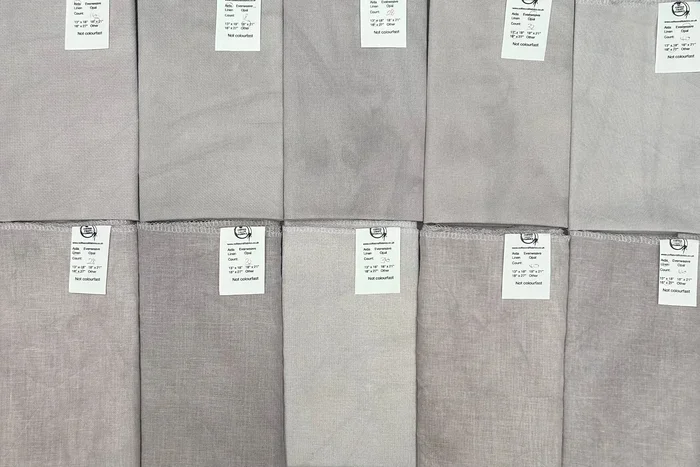
Visual guide about coffee dyed fabric swatches
Image source: coffeecraftfabrics.co.uk
Here is what you will need to get started:
- White vinegar or salt: Acts as a mordant to set the color.
- Large pot: Use one you do not cook food in anymore.
- Coffee grounds: Used grounds work, but fresh are stronger.
- Natural fabric: Cotton, linen, or wool works best.
- Rubber gloves: Keeps your hands from staining.
- Stirring stick: A wooden spoon works well.
Choosing the Right Fabric
Not all clothes take dye the same way. Natural fibers absorb the coffee pigment best. Cotton t-shirts are perfect for this project. Linen dresses also take the color beautifully. Wool can work but be careful with heat. Synthetics like polyester usually repel the dye. If you dye a poly-cotton blend, the color will be very light. Always check the care label before you begin.
Pre-Washing Your Garment
You must wash your clothes before dyeing them. New clothes often have sizing or starch on them. This creates a barrier against the dye. Dirt and oils also block absorption. Wash the item in warm water with a little soap. Do not use fabric softener. Softener coats the fibers and stops the dye from sticking. Dry the clothes slightly or dye them damp. Damp fabric often absorbs color more evenly.
Brewing the Perfect Coffee Dye Bath
The strength of your coffee determines the final color. If you want a light tan, brew a standard pot. For a dark brown, you need a very strong concentrate. You can use leftover grounds from your morning cup. However, fresh grounds give a richer hue. Think about how much fabric you are dyeing. You need enough liquid to submerge the garment completely.
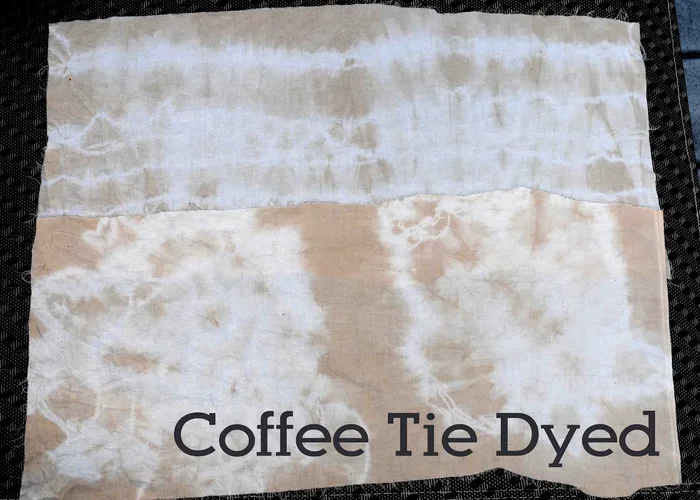
Visual guide about coffee dyed fabric swatches
Image source: 4.bp.blogspot.com
Here is a simple recipe for a strong dye bath:
- Use more grounds: Double the amount you would use for drinking.
- Less water: Brew it concentrated rather than diluted.
- Boil the grounds: Simmer the grounds in water for an hour.
- Strain the liquid: Remove solids to avoid spots on the fabric.
Using Used vs. Fresh Grounds
Used grounds are convenient and free. They create a lighter, softer brown. This is great for a subtle vintage look. Fresh grounds are more potent. They create a deeper, richer color. If you want a dark look, buy a cheap bag of dark roast beans. Grind them fresh and use them specifically for dyeing. You can mix both for a medium tone.
The Role of Heat
Heat helps open up the fabric fibers. This allows the coffee to penetrate deeply. You should simmer the dye bath gently. Do not let it boil violently. Agitation can damage the fabric. Keep the heat steady. This ensures the color spreads evenly across the garment. If the water gets too cool, the dye might not set properly.
The Dyeing Process Step-by-Step
Now comes the fun part. You need to be patient during this stage. Rushing can lead to uneven patches. Follow these steps to get the best results. Make sure you are wearing your gloves to protect your hands.
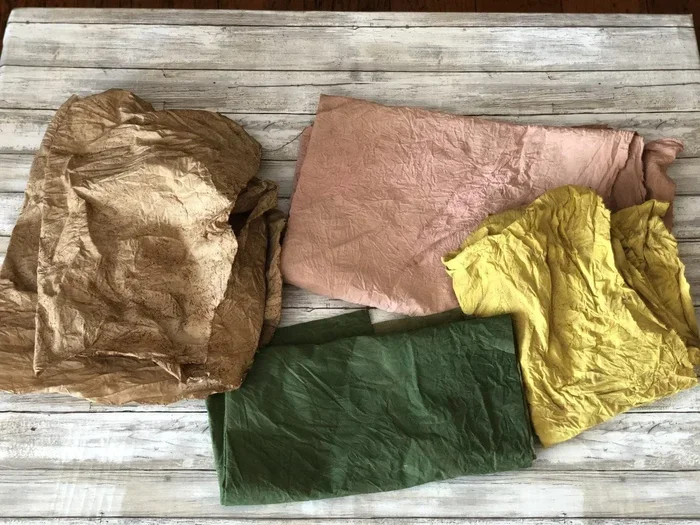
Visual guide about coffee dyed fabric swatches
Image source: thecraftydecorator.com
Here is the process you should follow:
- Fill the pot: Pour your brewed coffee into the large pot.
- Add the mordant: Mix in salt or vinegar to help set the dye.
- Submerge the fabric: Push the clothes down so they are fully underwater.
- Simmer gently: Keep the pot on low heat for at least an hour.
- Stir occasionally: Move the fabric around to prevent wrinkles or spots.
- Check the color: Lift a corner to see if the shade is dark enough.
Adding Salt or Vinegar
You might wonder why you need salt or vinegar. These act as mordants. A mordant helps the dye bind to the fiber. Without it, the color might wash out quickly. Salt is great for cotton. Vinegar works well for wool or silk. Add about half a cup to the dye bath. Stir it in before you add the clothes. This simple step makes a big difference in longevity.
Timing and Soaking
How long should you leave the clothes in? It depends on the color you want. Thirty minutes gives a light tint. An hour gives a medium brown. For a dark look, you can soak it overnight. If you soak it while the pot is off the heat, the color will be softer. Keep in mind that the color looks darker when wet. It will lighten slightly when dry. Always test a small scrap first if you can.
Rinsing and Aftercare for Dyed Clothes
Once you are happy with the color, it is time to rinse. Do not skip this step. Residual coffee can stain other clothes later. It can also make the fabric smell stale. You want to remove all loose dye particles. This locks in the color that has bonded with the fabric.
Follow these rinsing instructions:
- Use cold water: Start with cool water to close the fibers.
- Rinse until clear: Keep rinsing until the water runs clear.
- Wash gently: Use a mild detergent if needed.
- Dry naturally: Hang dry away from direct sunlight.
Drying Techniques
Heat from a dryer can fade natural dyes. It is best to air dry your items. Hang them outside in the shade. Direct sun can bleach the coffee color. If you must use a dryer, use the lowest heat setting. Remove the clothes while they are still slightly damp. This prevents excessive wrinkling. Iron them if needed once they are dry.
Washing Dyed Items Later
Your dyed clothes need special care in the future. Wash them in cold water. Use a gentle cycle. Avoid harsh detergents with bleach. Bleach will strip the coffee color quickly. Wash them separately the first few times. This ensures no extra dye comes off onto other clothes. With proper care, your coffee-dyed garments will last a long time.
Troubleshooting Common Issues
Sometimes things do not go exactly as planned. You might see spots or uneven color. Do not worry. Most issues are fixable. Understanding why they happen helps you avoid them next time. Here are some common problems and how to solve them.
Dealing with Stains and Spots
Spots usually happen because of clumps in the dye. Coffee grounds can stick to the fabric. Always strain your coffee liquid before dyeing. If you see spots, rinse the area immediately. You can also try rubbing the spot gently with a soft brush. Prevent this by stirring the pot often during the dyeing process.
Fixing Uneven Color
Uneven color means the fabric folded or bunched up. The dye cannot reach the creased areas. To fix this, wring out the garment and put it back in the bath. Stir it more frequently. Make sure the fabric is fully submerged. If the color is too light, you can repeat the dyeing process. Just brew a new batch and soak it again.
Expert Tips for Better Results
If you want to take your dyeing to the next level, try these tips. Small adjustments can change the final look. Experimentation is part of the fun. You might discover a technique you love.
- Add iron: A rusty nail in the pot can darken the color to black.
- Try different roasts: Dark roast gives a deeper brown than light roast.
- Layer the dye: Dip the item multiple times for a gradient effect.
- Test first: Always try on a scrap piece of similar fabric.
Safety Precautions
Even natural dyes need safety precautions. Coffee stains skin easily. Wear gloves to keep your hands clean. Work in a well-ventilated area. Boiling water can cause burns. Be careful when handling the hot pot. Keep children and pets away from the workspace. When you are done, clean your pot thoroughly. Coffee residue can leave a smell.
Storage and Longevity
Store your dyed clothes in a cool, dry place. Natural dyes can fade over time. This is normal and adds to the vintage charm. If you store them in direct sunlight, they will fade faster. Fold them neatly or hang them up. Avoid crushing the fabric. With good care, your coffee-dyed items will stay beautiful for years.
Conclusion
Dyeing clothes with coffee is a rewarding DIY project. It saves money and reduces waste. You get a unique, natural color that looks stylish. Remember to use natural fabrics for the best results. Prepare your dye bath carefully and be patient during the process. Rinse well and dry in the shade.
Now you have the knowledge to refresh your wardrobe. Grab an old white shirt and some coffee grounds. Give it a try this weekend. You might be surprised by how much you love the result. Happy dyeing!
Frequently Asked Questions
Can I use instant coffee to dye clothes?
Yes, you can use instant coffee, but the color may be lighter. You will need to use more powder to get a rich brown shade. It works best on natural fibers like cotton.
Will coffee dye work on synthetic fabrics?
Coffee dye does not work well on synthetic fabrics like polyester. These materials do not absorb natural dyes easily. You should stick to cotton, linen, or wool for best results.
How do I stop the color from fading?
To prevent fading, use salt or vinegar as a mordant before dyeing. Wash the item in cold water with mild detergent. Avoid drying in direct sunlight to preserve the color.
Can I mix coffee with other natural dyes?
Yes, you can mix coffee with other natural ingredients like tea or turmeric. This allows you to create custom shades. Experiment on a scrap piece of fabric first to test the color.
Does the coffee smell stay on the clothes?
The coffee smell usually washes out after rinsing and drying. If a scent remains, it will fade over time. Washing with a little vinegar can help remove any lingering odor.
Is it safe to use the same pot for cooking later?
It is best to use a pot dedicated to dyeing projects. Coffee stains can linger and affect the taste of food. If you must use it for cooking, clean it thoroughly with baking soda and soap.