
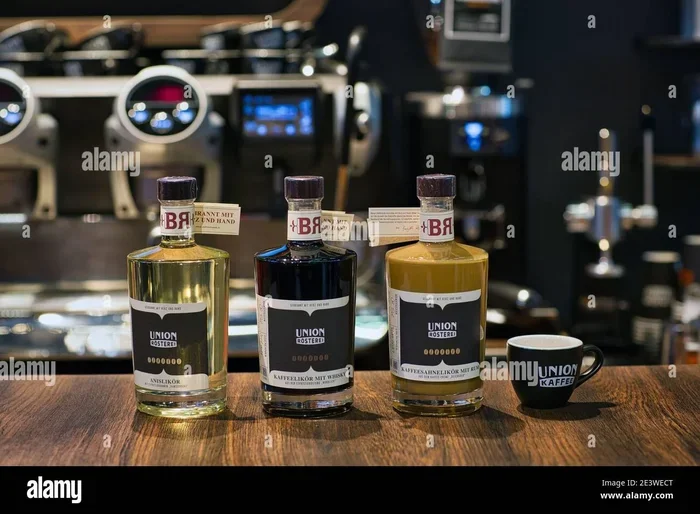
Does coffee liqueur have caffeine? Yes, most coffee liqueurs contain caffeine because they are made with real coffee extracts or brewed coffee. The amount varies by brand, recipe, and serving size, but a standard shot usually delivers a small, noticeable boost. This guide breaks down exactly what to expect, how it compares to regular coffee, and what you should know before sipping.
If you have ever poured a splash of coffee liqueur into a cocktail or sipped it neat after dinner, you may have wondered about the stimulant hiding inside that dark, sweet bottle. The short answer is simple. Most coffee liqueurs do contain caffeine. The longer answer is a bit more interesting, because the exact amount depends on how the liqueur is made, which brand you choose, and how much you pour. Understanding what is in your glass helps you enjoy the flavor without guessing about the effects.
Coffee liqueur is beloved for its rich, roasted taste and its smooth, dessert-like finish. It fits perfectly in cocktails, lingers on ice, and adds depth to coffee-based drinks. But behind that sweet profile sits a real coffee foundation. That foundation brings flavor, aroma, and yes, a bit of caffeine. If you are sensitive to stimulants, curious about your nightly routine, or just trying to compare drinks, it helps to know what you are actually drinking.
In this guide, we will walk through what coffee liqueur is, why caffeine shows up in it, how much you can expect in a typical serving, and which factors change the numbers. We will also look at popular brands, compare coffee liqueur to regular coffee, and share practical tips for drinking it wisely. By the end, you will have a clear picture of what this tasty bottle brings to your glass.
Key Takeaways
- Most coffee liqueurs contain caffeine: Traditional recipes use real coffee, so a standard serving typically delivers a modest amount of caffeine.
- Caffeine levels depend on the brand: Different producers use different coffee concentrations, so two bottles can have very different caffeine counts.
- A standard shot gives a light boost: Most servings contain far less caffeine than a cup of drip coffee, making the effect mild for most people.
- Coffee liqueur is a sweet cocktail mixer: The sugar and alcohol content often overshadow the caffeine, so taste and strength matter more than the stimulant effect.
- Nighttime sipping can affect sleep: Even small amounts of caffeine may disrupt rest if you drink coffee liqueur late in the evening.
- Check labels when possible: Some brands list caffeine content, while others rely on traditional coffee extraction methods that vary by batch.
- Moderation keeps it enjoyable: Treat coffee liqueur like a flavorful dessert drink, and you will avoid unwanted jitters or sleep trouble.
📑 Table of Contents
What Is Coffee Liqueur and Why Does It Contain Caffeine
Coffee liqueur is a sweet, spirit-based drink that uses coffee as a primary flavor ingredient. The base usually starts with neutral spirits, rum, or another clear alcohol, and then coffee is added through brewing, steeping, or extraction. The result is a smooth, dark liquid that tastes like a dessert version of coffee, with sugar or syrup balancing the bitterness of the beans.
The reason coffee liqueur contains caffeine is straightforward. Real coffee naturally contains caffeine, so when coffee beans or brewed coffee become part of the recipe, some caffeine carries over into the final product. The amount that remains depends on how the producer makes the coffee component. Some brands use concentrated coffee extracts, while others steep ground beans or blend in brewed coffee. Each method can leave a different caffeine footprint.
This is why coffee liqueur is not just a flavored syrup with alcohol. It is more like a coffee-infused spirit with sweetness added for balance. That coffee base gives the drink its signature character, and it also explains why a small amount of caffeine is part of the package. If a product uses only artificial coffee flavoring, the caffeine content could be very different, but most traditional coffee liqueurs rely on real coffee in some form.
How Coffee Liqueur Is Typically Made
Most coffee liqueurs follow a similar general process, even if the details vary by brand. The basic idea is to extract coffee flavor and then combine it with alcohol and sweeteners. Here is a simple overview of what often happens behind the scenes:
- Coffee extraction: Producers may brew strong coffee, steep ground beans, or use a concentrated coffee extract to capture the flavor and some of the natural compounds found in coffee.
- Spirit base: A neutral alcohol base is common, though some recipes use rum, whiskey, or another spirit to add depth.
- Sweetening: Sugar, simple syrup, or other sweeteners are added to create that smooth, dessert-like taste.
- Aging or resting: Some coffee liqueurs are rested so the flavors blend more cleanly, while others are bottled soon after blending.
- Filtering and bottling: The final liquid is filtered for smoothness and bottled for sale.
Because the coffee step is where caffeine enters the mix, the style of extraction matters. A strong brew or concentrated extract can bring more caffeine into the bottle than a mild steep. That does not automatically mean one product is stronger in every case, but it does show why the numbers can differ from one label to the next.
Why Caffeine Shows Up in the Bottle
Caffeine is one of the natural compounds that makes coffee famous. It survives many brewing and extraction methods, so it often ends up in the finished liqueur. The key point is that coffee liqueur is not usually designed to remove caffeine. Instead, it is designed to capture coffee flavor, and caffeine comes along for the ride.
That means the caffeine content is typically a byproduct of the flavor process rather than the main goal. You are not drinking coffee liqueur for a strong energy kick. You are drinking it for taste, aroma, and cocktail character. Still, the caffeine is there, and if you drink enough of it, it can have a mild effect.
How Much Caffeine Is in Coffee Liqueur
This is the question most people really want answered. The exact caffeine content varies, but coffee liqueur usually contains a small amount per serving. In many cases, a standard shot has far less caffeine than a typical cup of coffee. That does not mean it is caffeine-free. It just means the dose is usually modest.
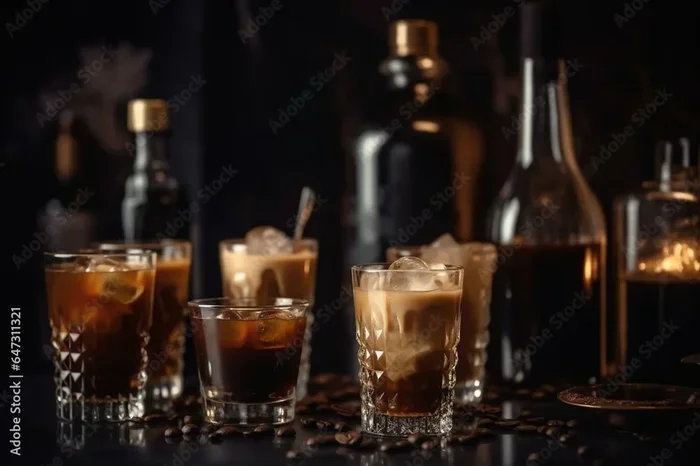
Visual guide about coffee liqueur bottles on bar
Image source: as2.ftcdn.net
Several things affect the count. Serving size matters because a larger pour means more liquid and more caffeine. Brand matters because different makers use different coffee concentrations. Recipe style matters because some liqueurs are more coffee-forward than others. Even the same brand can vary slightly over time if the coffee extraction process changes.
A helpful way to think about it is this: coffee liqueur is sweeter, stronger in alcohol, and usually lower in caffeine than a regular cup of coffee. If you are drinking it in a cocktail, you may only have a small amount per drink. If you are sipping it slowly after dinner, the caffeine can still add up if you have several servings.
Typical Caffeine Range in a Serving
While exact numbers depend on the product, a standard serving of coffee liqueur often contains a low to moderate amount of caffeine. Many people are surprised by how small the amount is compared with brewed coffee. That is because the coffee in liqueur is diluted by alcohol, sugar, and other ingredients.
Here is a general way to picture the difference:
- A cup of brewed coffee: usually contains a noticeable amount of caffeine and is the drink most people think of for a morning boost.
- A shot of espresso: is more concentrated, so the caffeine per ounce can be higher even though the total volume is smaller.
- A serving of coffee liqueur: often delivers a smaller caffeine amount because the coffee component is only one part of the final drink.
If you want the most accurate picture, it is best to check the label or product details when available. Some brands share caffeine information, while others do not. When the label is silent, the safest assumption is that there is some caffeine, but probably not a large amount in a single pour.
Factors That Change the Caffeine Content
Not all coffee liqueurs are built the same way. A few common factors can push the caffeine content up or down:
- Coffee strength: A more concentrated coffee extract or stronger brew can bring more caffeine into the liqueur.
- Recipe style: Some liqueurs taste more like coffee, while others lean sweeter and lighter in coffee flavor.
- Serving size: A small pour delivers less caffeine than a generous one.
- Batch variation: Natural ingredients can cause slight differences from batch to batch.
- Additives and flavorings: If a product uses artificial flavoring rather than real coffee, the caffeine content may be very different.
This is why two people can drink what seems like the same kind of coffee liqueur and have different experiences. One bottle may taste bolder and carry a bit more caffeine. Another may be smoother and milder. The label, the taste, and the pour all give clues.
Coffee Liqueur Compared With Regular Coffee
It is easy to assume that coffee liqueur and coffee affect the body in the same way because they share a flavor family. They do share a common ingredient, but they are not the same drink. Regular coffee is mostly water and brewed coffee. Coffee liqueur is an alcoholic, sweetened spirit with coffee flavor. That difference changes both the caffeine experience and the overall effect on your body.
Visual guide about coffee liqueur bottles on bar
Image source: c8.alamy.com
With regular coffee, caffeine is usually the star of the show. With coffee liqueur, alcohol and sugar play a much bigger role. You may notice the sweetness first, then the roasted coffee notes, and only feel a mild stimulant effect if any. That makes coffee liqueur more of a flavorful treat than a practical energy drink.
The comparison also matters for timing. A morning coffee may be part of your routine. A nightcap made with coffee liqueur may feel relaxing because of the alcohol, but the caffeine inside can still interfere with sleep for some people. So even though the caffeine amount is usually lower than coffee, the timing of your drink still matters.
Caffeine, Alcohol, and How They Feel Together
When caffeine and alcohol appear in the same drink, the experience can be a little mixed. Alcohol can make you feel relaxed or sleepy, while caffeine can make you feel more alert. In coffee liqueur, the alcohol content is usually high enough to matter, and the caffeine content is usually low enough that the effect is subtle.
That combination is one reason coffee liqueur is popular in cocktails and dessert-style drinks. It adds richness without creating the same kind of sharp stimulant effect you might expect from strong coffee. Still, if you are sensitive to caffeine, it is worth remembering that the stimulant is present, even if the alcohol and sugar are more noticeable.
Why the Comparison Can Be Misleading
People sometimes compare coffee liqueur to coffee as if they are interchangeable sources of caffeine. That can lead to confusion. A cup of coffee is usually consumed for its caffeine content and its warmth. Coffee liqueur is usually consumed for flavor, celebration, or cocktail building. The caffeine may be present in both, but the purpose of the drink is different.
Another misleading assumption is that sweet drinks always contain less caffeine. Sweetness does not automatically reduce caffeine. It just changes the taste and how the drink feels in your mouth. The real question is how much coffee went into the liqueur and how it was processed.
Popular Coffee Liqueur Brands and What to Expect
There are several well-known coffee liqueurs on the market, and each one has its own style. Some are classic, some are modern, and some are designed to taste smoother or sweeter than others. While it is not always easy to compare them side by side without label information, you can still make some general observations.

Visual guide about coffee liqueur bottles on bar
Image source: thumbs.dreamstime.com
Classic coffee liqueurs tend to be bold, dark, and rich. They often taste strongly of roasted coffee and caramel-like sweetness. Newer or lighter styles may focus on a smoother finish, a cleaner coffee note, or a more dessert-forward flavor. The caffeine content usually follows the coffee intensity to some degree, though not always in a perfectly predictable way.
What to Look for on the Label
If you want to know more about the caffeine in a specific bottle, the label can help, though it may not tell the whole story. Here are a few things worth checking:
- Ingredients list: Look for coffee, coffee extract, or brewed coffee as an ingredient. That is a strong clue that caffeine is present.
- Product description: Some brands describe their liqueur as coffee-forward, which may suggest a stronger coffee base.
- Serving suggestions: These can hint at how strong or sweet the liqueur is intended to taste.
- Manufacturer details: Some producers provide more information online than on the bottle itself.
If the label does not mention caffeine, that does not mean it is absent. It often just means the information is not highlighted. In that case, the safest approach is to assume there is some caffeine and adjust your intake if you are sensitive.
How Brand Style Can Influence Caffeine
A brand that aims for a very strong coffee taste may use more coffee extract or a more concentrated brew. That can mean a slightly higher caffeine content in some cases. A brand that aims for a smoother, sweeter profile may use less coffee intensity, which could mean less caffeine. Again, this is not a perfect rule, but it is a useful general guide.
The best approach is to treat each bottle as its own product. Two coffee liqueurs can both be delicious and still differ in flavor, sweetness, alcohol feel, and caffeine level. If you are choosing based on caffeine concerns, pay attention to the coffee emphasis and the serving size rather than assuming all bottles are the same.
Practical Tips for Enjoying Coffee Liqueur Wisely
Coffee liqueur is easy to enjoy, but a little awareness makes the experience better. Since it contains alcohol, sugar, and some caffeine, it helps to think about when and how you drink it. A few simple habits can keep it pleasant and reduce any unwanted effects.
The first tip is to treat it like a flavorful drink, not a caffeine source. If you want energy, coffee is the more direct choice. If you want a rich taste in a cocktail or a small after-dinner pour, coffee liqueur does that job well. Keeping that distinction in mind helps you set the right expectation.
Good Ways to Use Coffee Liqueur
There are many ways to enjoy coffee liqueur without overdoing it. Here are a few common and practical options:
- On the rocks: A small pour over ice lets you sip slowly and appreciate the flavor.
- In cocktails: Coffee liqueur works well in dessert cocktails and mixed drinks where only a modest amount is used.
- With dessert: It can complement chocolate, caramel, and baked treats without needing a large serving.
- In coffee drinks: Some people add a splash to hot coffee or iced coffee for extra depth, though that also adds alcohol and sugar.
- As a finishing touch: A little can go a long way when you want a rich note rather than a full glass.
Common Mistakes People Make
A few habits can make coffee liqueur less enjoyable than it should be. Here are some common ones to avoid:
- Assuming it is caffeine-free: If you are sensitive, it is better to assume there is some caffeine unless you know otherwise.
- Drinking too much too late: Evening servings can be relaxing, but the caffeine may still affect sleep for some people.
- Confusing it with coffee: Coffee liqueur is not a substitute for brewed coffee if you want a familiar caffeine boost.
- Ignoring the alcohol content: The sweet taste can make it easy to drink quickly, so pace yourself.
- Pouring large servings: A bigger pour means more alcohol, more sugar, and more caffeine.
If you keep the serving small and the timing reasonable, coffee liqueur is usually easy to enjoy. It is a dessert-style drink, and treating it that way helps you get the best experience from the bottle.
Expert Insight on Caffeine and Nighttime Drinking
If you are someone who notices caffeine easily, it is smart to think about when you drink coffee liqueur. Even a modest amount can matter if your body is sensitive or if you drink it close to bedtime. Alcohol may make you feel drowsy, but that does not cancel out the caffeine completely for everyone.
A practical rule is to enjoy coffee liqueur earlier in the evening if you are cautious about sleep. Another option is to keep the serving small and see how your body responds. Since people react differently, a little personal testing is often more useful than a generic rule.
Final Thoughts on Does Coffee Liqueur Have Caffeine
So, does coffee liqueur have caffeine? In most cases, yes. The amount is usually modest, and it depends on the brand, the recipe, and the serving size. That means you do not need to treat coffee liqueur like a strong caffeinated drink, but you also should not assume it is caffeine-free.
The best way to enjoy it is with a clear expectation. Coffee liqueur is there for flavor, sweetness, and cocktail character. If you keep the pour reasonable, pay attention to the time of day, and remember that real coffee is part of the recipe, you will have a much better sense of what you are drinking.
If you are choosing a bottle and caffeine matters to you, look for clues in the ingredients, compare coffee-forward styles with lighter ones, and check for any product details the maker provides. With a little attention, you can enjoy the rich taste of coffee liqueur while keeping your caffeine intake where you want it.
Frequently Asked Questions
Does coffee liqueur have caffeine in every brand?
Most traditional coffee liqueurs contain caffeine because they are made with real coffee or coffee extract. However, the exact amount can vary by brand, recipe, and serving size. If a product uses only artificial coffee flavoring, it may not contain much caffeine at all.
How much caffeine is in a shot of coffee liqueur?
A standard shot usually contains a small amount of caffeine, often less than a typical cup of coffee. The precise number depends on the brand and how strongly the coffee was extracted. If you want exact numbers, check the label or manufacturer information for that specific bottle.
Can coffee liqueur keep me awake at night?
It can for some people, especially if you drink it close to bedtime or if you are sensitive to caffeine. The caffeine amount is usually modest, but alcohol and sugar do not cancel out the stimulant effect completely. If sleep is a concern, it is wise to enjoy it earlier in the evening or keep the serving small.
Is coffee liqueur a good source of caffeine for energy?
Not really. Coffee liqueur is better thought of as a flavorful, sweet cocktail ingredient than as an energy drink. The caffeine content is usually low compared with regular coffee, and the alcohol and sugar change how the drink feels. If you want a reliable caffeine boost, brewed coffee or espresso is a more direct choice.
Does coffee liqueur have more caffeine than espresso?
Usually not. Espresso is more concentrated, so it often contains more caffeine per serving than a typical shot of coffee liqueur. Coffee liqueur includes alcohol, sweeteners, and other ingredients that dilute the coffee component. That means the caffeine is generally lower, even though the flavor can still taste strongly coffee-like.
How can I tell if my coffee liqueur contains caffeine?
The easiest clue is the ingredients list. If it includes coffee, coffee extract, or brewed coffee, there is likely caffeine in the bottle. Some brands also share caffeine details online or on the label. If no information is available, assume there is some caffeine and adjust your intake if you are sensitive.



