Can you drink coffee before giving blood? The short answer is yes, but with important caveats. Caffeine can temporarily raise your blood pressure and cause dehydration, which may affect your donation experience. Most blood banks allow moderate coffee consumption, but you should always hydrate well and follow specific clinic guidelines. This guide explains exactly what to expect, what to avoid, and how to prepare your body for a safe and comfortable blood donation.
Planning to donate blood is a generous act that helps save lives. But if you are like many people, your morning routine probably starts with a warm cup of coffee. That leads to a very common question: can you drink coffee before giving blood? The answer is not a simple yes or no. It depends on how much you drink, how your body reacts to caffeine, and what your local blood bank recommends.
Most donation centers understand that coffee is part of daily life. They do not expect you to quit caffeine cold turkey. Still, caffeine does change your body in small ways that matter during a blood donation. It can affect your blood pressure, your hydration levels, and even how you feel during the screening process. If you prepare smartly, you can enjoy your usual cup and still have a smooth donation experience.
In this guide, we will break down exactly what happens when you drink coffee before donating, what the experts say, and how to make the best choice for your body. You will learn simple tips to stay hydrated, what to eat, and when it might be better to skip the brew. Let’s dive in.
Key Takeaways
- Moderate coffee is usually fine: Most donation centers allow one cup of coffee before your appointment, but avoid excessive caffeine.
- Hydration matters most: Coffee is mildly dehydrating, so drink extra water alongside it to keep your veins full and your blood volume stable.
- Blood pressure can spike: Caffeine may temporarily raise your readings, which could delay your donation if your numbers run high.
- Skip heavy cream and sugar: Rich additives can slow digestion and make you feel sluggish during the screening process.
- Listen to your body: If you feel jittery, dizzy, or unusually anxious after coffee, consider switching to water or decaf on donation day.
- Follow clinic rules: Every blood bank has slightly different guidelines, so always check their pre-donation instructions before you drink anything.
- Eat a solid meal first: Pairing coffee with a balanced breakfast helps stabilize your energy and reduces the risk of lightheadedness after donating.
📑 Table of Contents
- Can You Drink Coffee Before Giving Blood? The Short Answer
- How Caffeine Affects Your Body During Blood Donation
- What Blood Banks and Donation Centers Recommend
- Smart Tips for Coffee Drinkers Who Want to Donate
- What to Avoid Before Donating Blood
- How to Prepare for a Smooth Donation Day
- Common Myths About Coffee and Blood Donation
- Expert Insights and Final Thoughts
Can You Drink Coffee Before Giving Blood? The Short Answer
Yes, you can usually drink coffee before giving blood, but moderation is key. Most blood donation organizations do not ban caffeine outright. They simply ask you to avoid overdoing it. One standard cup of coffee in the morning is generally safe for healthy adults. However, drinking multiple cups or loading up on strong espresso can cause issues.
The main reason caffeine gets attention is its effect on your cardiovascular system. Caffeine temporarily raises your heart rate and blood pressure. During a donation, your vital signs are checked before you roll up your sleeve. If your blood pressure reads too high, the staff may ask you to wait or reschedule. This is not meant to be strict. It is a safety step to protect you and the quality of the blood you give.
Another factor is hydration. Coffee has a mild diuretic effect, which means it can make you lose a bit more water through urine. Donating blood removes about a pint of fluid from your body. If you start out slightly dehydrated, you may feel more tired or dizzy afterward. That is why water matters just as much as your coffee choice.
What the Guidelines Usually Say
Blood banks and health organizations generally follow a few common rules. They want donors to be well-rested, well-fed, and well-hydrated. Caffeine is not on the banned list, but it is often mentioned in pre-donation tips. Here is what you will typically see:
- Drink plenty of water the day before and the morning of your appointment.
- Limit caffeine to one or two moderate servings if you normally tolerate it well.
- Avoid energy drinks and highly concentrated caffeine shots, which can cause sharp spikes.
- Do not skip meals, since low blood sugar combined with caffeine can make you feel shaky.
These guidelines are simple, but they make a real difference. Think of your body like a car before a long trip. You would not start with a half-empty gas tank and a shaky engine. The same idea applies here. Good preparation helps you feel better during and after the donation.
When Coffee Might Cause a Problem
Even though coffee is usually fine, there are moments when it can work against you. If you are sensitive to caffeine, you may notice a faster heartbeat, nervous feelings, or a headache. These reactions can make the screening process more stressful. Some people also experience stomach upset when coffee hits an empty stomach.
If your blood pressure tends to run high on normal days, caffeine can push it higher for a short window. That does not mean you should panic. It just means you may want to time your cup carefully. Drinking coffee right before your appointment gives the caffeine less time to settle. Drinking it an hour or two earlier may be a smarter move.
Also, keep in mind that coffee is not the only source of caffeine. Tea, soda, chocolate, and some medications contain it too. If you stack several sources, the total amount can add up quickly. A simple check of what you have already consumed can save you from an unexpected spike.
How Caffeine Affects Your Body During Blood Donation
Caffeine is a stimulant. It wakes up your nervous system and tells your body to be more alert. That sounds helpful, but donation centers want you calm and steady, not overstimulated. When caffeine enters your bloodstream, it can narrow blood vessels slightly and increase the force of your heart’s pumping. These changes are temporary, yet they matter when you are about to give blood.
Visual guide about coffee cup before blood donation
Image source: coffeegeek.tv
Your body also responds to caffeine by releasing certain hormones that can make you feel more focused. For some people, that is a good thing. For others, it creates jittery feelings or mild anxiety. Donation rooms are designed to be quiet and reassuring. If you walk in feeling wired, the experience may feel more intense than it needs to be.
Blood Pressure and Heart Rate Considerations
Your blood pressure reading is one of the first checks you will go through. Staff want to make sure you are in a safe range before proceeding. Caffeine can raise that number for a short period. The effect is usually small, but it can be enough to matter if your baseline is already near the upper limit.
Heart rate can also climb a bit after caffeine. A faster heartbeat is not dangerous by itself, but it can make you more aware of every step in the donation process. You might feel your pulse more strongly while sitting in the chair. That sensation is normal, yet it can be unsettling if you are not expecting it.
If you know you have borderline blood pressure, you may want to take a gentler approach. Consider drinking water first, eating a balanced meal, and keeping caffeine to a minimum. This simple plan helps your readings stay steadier and your donation go more smoothly.
Dehydration and Vein Visibility
Hydration plays a huge role in blood donation. When you are well hydrated, your veins are easier to find and your blood flows more smoothly. When you are low on fluids, veins can look flatter and feel less prominent. That can make the needle placement take a little longer.
Coffee can contribute to fluid loss if you drink it instead of water. It does not dehydrate you severely, but it does not hydrate you as well as plain water either. If your morning routine is coffee first and water later, you may want to flip that order on donation day. Start with a glass of water, then enjoy your coffee.
Here is a quick way to think about it:
- Water supports volume: It helps your body maintain steady blood flow.
- Coffee adds mild fluid loss: It can nudge you toward the bathroom more often.
- Balance is best: Pair coffee with extra water to stay comfortable.
Energy Levels and Mood After Caffeine
Many people use coffee to feel more awake and ready for the day. That boost can be helpful if you have an early appointment. But the crash that follows caffeine can also catch you off guard. Once the stimulant effect fades, you may feel a little tired or mentally foggy.
During donation, you want steady energy rather than a sharp spike and drop. Eating a solid meal with some protein, complex carbs, and healthy fats gives you a more even fuel source. Coffee can be part of that morning, but it should not be the only thing powering you through.
What Blood Banks and Donation Centers Recommend
Different organizations have slightly different rules, but the overall message is similar. They want you healthy, hydrated, and comfortable. Most FAQs and pre-donation pages mention caffeine in a practical way. They rarely say never drink coffee. They usually say drink it wisely.
Visual guide about coffee cup before blood donation
Image source: m.media-amazon.com
Some centers suggest avoiding caffeine right before your appointment if you are nervous about your blood pressure. Others simply remind you to keep your intake moderate. If you are unsure, check the website of the place you plan to visit. A quick look at their donor guidelines can save you time and stress.
General Pre-Donation Rules to Follow
Beyond coffee, there are a few universal tips that help almost everyone. These rules are easy to remember and easy to follow:
- Eat a healthy meal within a few hours of your appointment.
- Drink water consistently the day before and the morning of donation.
- Avoid alcohol the night before, since it can affect hydration and recovery.
- Get enough sleep so your body starts the day in a steady state.
- Bring identification and any required documents to keep check-in smooth.
These steps may seem basic, but they matter. Blood donation is a small stress on the body. Good preparation helps your system handle that stress with less effort.
Why Water Is Often Preferred Over Coffee
Water is the safest and simplest choice before donating. It supports your blood volume, helps your veins stay visible, and does not stimulate your nervous system. If you want the most predictable experience, water is the best starting point.
Coffee can still fit into your routine. The trick is to treat it as a bonus, not your main hydration source. If you drink a cup of coffee, add an extra glass of water to balance it out. That small habit can make a noticeable difference in how you feel after the donation.
Smart Tips for Coffee Drinkers Who Want to Donate
If coffee is part of your daily rhythm, you do not have to give it up. You just need a smarter approach. A few small changes can help you keep your routine while protecting your comfort and safety.
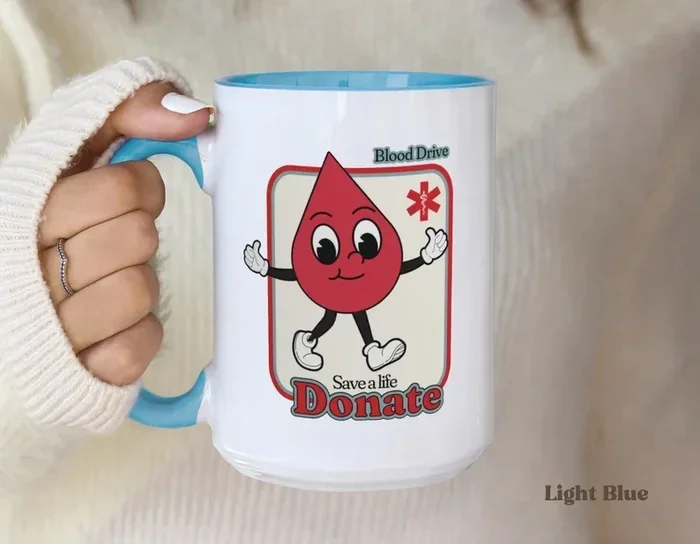
Visual guide about coffee cup before blood donation
Image source: i.etsystatic.com
Timing Your Coffee the Right Way
Timing matters more than many people realize. Drinking coffee ten minutes before your appointment gives your body less time to adjust. Drinking it one to two hours earlier gives the caffeine a chance to settle. That window can help your blood pressure readings look more stable.
If your appointment is late in the day, you may have more flexibility. If it is early, consider shifting your usual cup a bit earlier or keeping it smaller. The goal is to feel normal, not overstimulated.
Choosing the Right Coffee and Additives
Not all coffee drinks are the same. A simple black coffee or a lightly sweetened cup is easier on your stomach than a heavy, cream-loaded beverage. Large sugary drinks can cause a quick rise and fall in energy, which is not ideal before donating.
If you like milk or plant-based alternatives, keep the amount moderate. Too much fat or sugar can slow digestion and leave you feeling sluggish. A lighter coffee gives you the comfort of your routine without the extra heaviness.
Pairing Coffee With Food and Water
Food is your best friend on donation day. A balanced breakfast helps keep your blood sugar steady and reduces the chance of feeling faint. Good options include oatmeal, whole-grain toast, eggs, fruit, or yogurt. These foods provide lasting energy without making you feel weighed down.
Water should also be part of the plan. Try this simple routine:
- Drink one glass of water as soon as you wake up.
- Eat a light, balanced breakfast with protein and complex carbs.
- Enjoy your coffee in moderation, ideally not immediately before leaving.
- Sip more water on the way to your appointment.
This approach keeps you comfortable and ready. It also helps your body handle the fluid loss more easily afterward.
What to Avoid Before Donating Blood
Coffee is only one piece of the puzzle. A few other habits can make your donation harder than it needs to be. Avoiding these common pitfalls can improve your experience a lot.
High-Caffeine Drinks and Energy Boosters
Energy drinks, strong caffeine shots, and highly concentrated beverages can cause rapid changes in heart rate and blood pressure. They are not a good match for donation day. Even if you tolerate them normally, the extra stimulation can make you feel uneasy during the screening and donation process.
If you want a warm drink, coffee in moderation is usually a calmer choice. If you want the safest option, water or decaf is even gentler. The main idea is to avoid anything that pushes your body into overdrive.
Alcohol, Heavy Meals, and Skipping Breakfast
Alcohol the night before can leave you mildly dehydrated and lower your energy the next day. Heavy, greasy meals can make you feel slow and uncomfortable. Skipping breakfast can drop your blood sugar and make caffeine feel stronger than usual.
All of these choices can make donation day harder. A lighter, balanced approach works better. Think steady fuel, steady hydration, and steady energy.
Smoking and Other Stimulants
Smoking and other stimulants can also affect your circulation and blood pressure. If you use nicotine, keep in mind that it can narrow blood vessels and raise your heart rate for a short time. That may influence your screening results.
If you can, avoid using stimulants right before your appointment. A calmer body gives you a smoother experience and helps the staff do their job efficiently.
How to Prepare for a Smooth Donation Day
Good preparation is the real secret to a comfortable donation. When you plan ahead, you reduce surprises and help your body feel ready. Here is a simple way to think about the whole day.
The Night Before and Morning Of
Start the night before with a decent meal and a glass of water. Try to get a full night of sleep so you wake up rested. In the morning, rehydrate first, then eat something nourishing. If you drink coffee, keep it moderate and not too close to your appointment.
A calm morning routine helps more than you might expect. Rushing, skipping meals, and chugging caffeine all at once can leave you feeling off balance. A steady start sets the tone for the whole visit.
During the Donation and After
During the donation, relax as much as you can. Breathe normally, keep your muscles loose, and let the staff guide you. Afterward, take your time getting up. Sit for a moment, have a snack if offered, and drink water.
After you leave, keep hydrating and avoid heavy exercise for the rest of the day. If you feel lightheaded, slow down and rest. Your body has done something important, and it deserves a little extra care.
Quick Tips for Coffee Lovers
- Keep it moderate: One cup is usually enough on donation morning.
- Hydrate first: Water before coffee helps balance fluid loss.
- Eat something: Food buffers caffeine and stabilizes energy.
- Watch the clock: Give caffeine time to settle before your appointment.
- Listen to your body: If you feel too jittery, switch to water or decaf.
Common Myths About Coffee and Blood Donation
There is a lot of advice floating around, and not all of it is accurate. Some people think coffee will ruin their donation. Others think it does not matter at all. The truth sits in the middle.
Myth: Coffee Will Ruin Your Donation
This is not true for most people. A normal cup of coffee will not make your blood unusable. The donation process still works the same way. The main concern is your comfort and your vital signs, not the quality of the blood itself.
Myth: Caffeine Always Raises Blood Pressure Dangerously
Caffeine can raise blood pressure, but usually only temporarily and by a modest amount. It is not a danger signal for everyone. The issue is more about whether your reading stays in the acceptable range on that day.
Myth: You Must Avoid All Fluids Except Water
You do not have to avoid coffee completely. You just need to be sensible. Hydration is the bigger goal, and coffee can be part of a balanced morning if you also drink water.
Expert Insights and Final Thoughts
Health professionals and donation staff usually agree on one thing: preparation matters. Coffee is not the enemy, but it is not a substitute for water, food, or rest either. If you treat it as one part of a bigger routine, it can fit in nicely.
The best approach is personal. Some people feel perfectly fine with their usual cup. Others do better with less caffeine or none at all on donation day. Either choice is valid. What matters most is that you feel steady, hydrated, and ready to give.
If you have ever wondered can you drink coffee before giving blood, the safest answer is yes, with a little care. Keep your intake moderate, drink water, eat a good meal, and follow the guidelines from your donation center. That simple plan gives you the best chance of a smooth and positive experience.
Blood donation is a meaningful act, and taking care of yourself before and after makes it even better. With a few smart habits, you can keep your morning coffee and still show up as a strong, prepared donor.
Frequently Asked Questions
Can I drink coffee right before giving blood?
Yes, but it is better to drink it in moderation and not immediately before your appointment. Giving the caffeine a little time to settle can help keep your blood pressure more stable during screening.
Will coffee affect my blood pressure reading at the donation center?
It can temporarily raise your blood pressure, especially if you drink a lot or are sensitive to caffeine. If your reading is already near the upper limit, the staff may ask you to wait before donating.
Should I drink water instead of coffee before donating?
Water is the best choice for hydration, but you do not have to skip coffee entirely. If you drink coffee, pair it with extra water and a solid meal to stay comfortable and well hydrated.
Can I have decaf coffee before giving blood?
Decaf is usually a gentler option because it contains very little caffeine. It can give you the comfort of a warm drink without the same stimulant effect as regular coffee.
What should I eat before donating blood if I drink coffee?
Aim for a balanced breakfast with protein and complex carbohydrates, such as eggs, oatmeal, or whole-grain toast. Food helps stabilize your energy and reduces the chance of feeling shaky after caffeine.
Is it okay to drink coffee after donating blood?
Yes, but you should focus on rehydrating first with water and a snack. After that, moderate coffee is usually fine, as long as you feel steady and not overly tired or dizzy.