
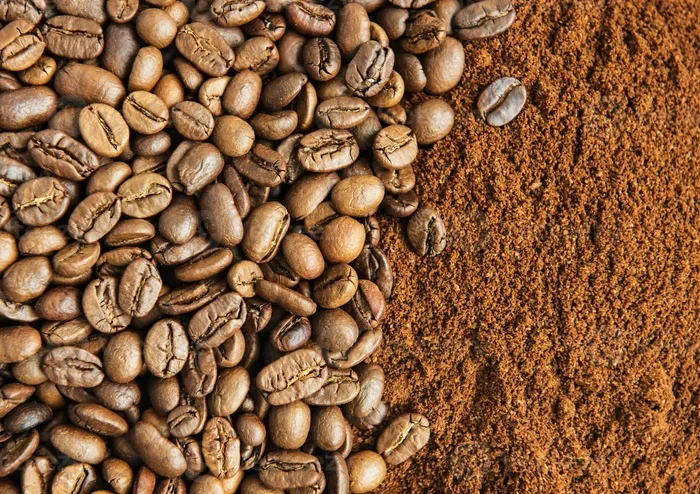
How long does coffee stay fresh depends on whether you buy whole beans, ground coffee, or brewed cups. Whole beans last the longest, while brewed coffee loses flavor fast. Proper storage in airtight containers away from heat and light helps preserve quality. This guide covers exact timelines, storage methods, and signs your coffee has gone stale.
Key Takeaways
- Point 1: Whole coffee beans stay fresh for 2 to 4 weeks after roasting, while ground coffee loses flavor within a few days.
- Point 2: Brewed coffee tastes best within 30 minutes and stays safe for up to 4 hours at room temperature.
- Point 3: Air, moisture, heat, and light are the main enemies of coffee freshness and flavor.
- Point 4: Store coffee in airtight containers in a cool, dark place to extend shelf life.
- Point 5: Freezing coffee can work if done correctly, but repeated thawing damages flavor.
- Point 6: Check roast dates instead of expiration dates for the best quality.
- Point 7: Stale coffee tastes flat, bitter, or cardboard-like and loses its natural aroma.
📑 Table of Contents
- How Long Does Coffee Stay Fresh
- Understanding Coffee Freshness and Shelf Life
- How Long Does Coffee Stay Fresh: Beans, Grounds, and Brewed
- Best Ways to Store Coffee for Maximum Freshness
- Signs Your Coffee Has Gone Stale
- Quick Tips to Keep Coffee Fresh Longer
- Common Mistakes That Ruin Coffee Freshness
- Expert Insights on Coffee Freshness
- Key Takeaways
- Key Takeaways
- Conclusion
How Long Does Coffee Stay Fresh
How long does coffee stay fresh is a question many coffee lovers ask every morning. You want that rich aroma, smooth taste, and bright energy that only good coffee delivers. But coffee does not last forever. Its flavor fades, its oils go rancid, and its magic disappears over time. The good news is that you can control most of the factors that ruin freshness. This guide breaks down exact timelines for beans, grounds, and brewed coffee. You will also learn simple storage tricks that keep your daily cup tasting sharp.
Coffee freshness is not just about safety. It is about flavor, aroma, and that first sip feeling you expect. Many people drink coffee past its prime without knowing it. They blame the brand or the roast, when the real problem is time and storage. Understanding what affects coffee quality helps you make better choices at the store and at home. You will save money, waste less, and enjoy better cups every day.
Understanding Coffee Freshness and Shelf Life
Coffee freshness depends on several factors working together. Beans start losing quality the moment they leave the roaster. Grinding speeds up the process because more surface area meets the air. Brewing changes everything again, since liquid coffee behaves differently than dry beans. Knowing these differences helps you plan your coffee routine better.
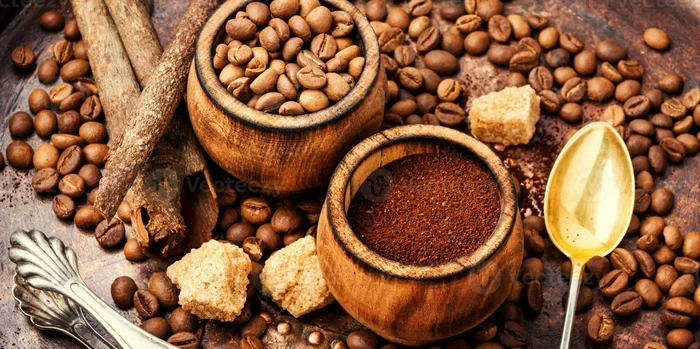
Visual guide about fresh coffee beans and grounds
Image source: static.vecteezy.com
Whole Beans vs Ground Coffee
Whole beans stay fresh much longer than pre-ground coffee. The protective outer layer keeps oxygen away from the inner oils. Once you grind beans, those oils meet air right away. Flavor drops fast after grinding. Many coffee experts suggest grinding only what you need for each brew. This simple habit makes a big difference in taste.
What Affects Coffee Freshness
Four main things ruin coffee over time. Air pushes oxygen into the beans and speeds up staling. Moisture causes mold and dulls flavor. Heat breaks down delicate oils and changes the taste. Light, especially sunlight, damages coffee compounds and fades aroma. Keeping coffee away from these four enemies is the easiest way to preserve quality.
Roast Date vs Expiration Date
Many coffee bags show a best-by date, but that date often misleads buyers. Coffee does not suddenly go bad on that date. The roast date matters much more. Fresh roasts taste bright and complex. Older roasts taste flat and dull. Look for a roast date on the bag when you shop. If the bag only shows a best-by date, assume the coffee is already weeks old.
How Long Does Coffee Stay Fresh: Beans, Grounds, and Brewed
How long does coffee stay fresh varies by form. Whole beans, ground coffee, and brewed coffee all follow different timelines. Use these ranges as a practical guide for your kitchen.
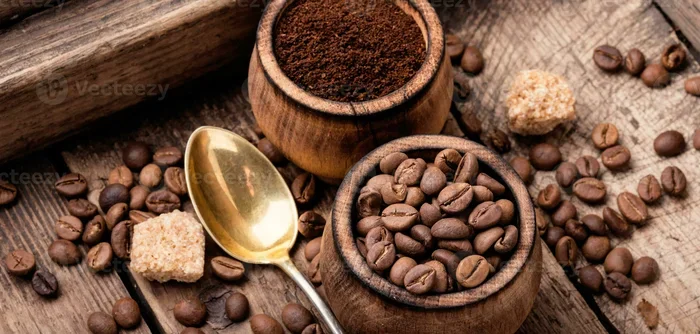
Visual guide about fresh coffee beans and grounds
Image source: static.vecteezy.com
Whole Coffee Beans
Whole beans stay at peak flavor for about two to four weeks after roasting. They remain safe to drink for months if stored well, but the taste declines steadily. After one month, you may notice less aroma and a flatter cup. After three months, the coffee still works, but it loses the bright notes that make it special. Keep beans in a sealed container and buy smaller batches more often.
Ground Coffee
Ground coffee loses freshness much faster. Once ground, coffee begins staling within hours. For best flavor, use ground coffee within a few days to a week. Store-bought pre-ground coffee often sits on shelves longer, so the flavor may already be reduced by the time you buy it. If you love strong aroma and clean taste, grinding fresh is the best upgrade you can make.
Brewed Coffee
Brewed coffee tastes best right after brewing. The flavor peaks within the first 30 minutes. After that, oxidation changes the taste and the coffee turns bitter or sour. At room temperature, brewed coffee stays safe for about 4 hours, but the flavor drops quickly. In the fridge, brewed coffee lasts longer, yet reheating often makes it taste harsh. Most coffee drinkers agree that fresh brewing beats reheating every time.
Best Ways to Store Coffee for Maximum Freshness
Good storage can stretch coffee freshness and protect flavor. You do not need fancy gear to do this well. You just need a few simple habits that limit air, moisture, heat, and light.
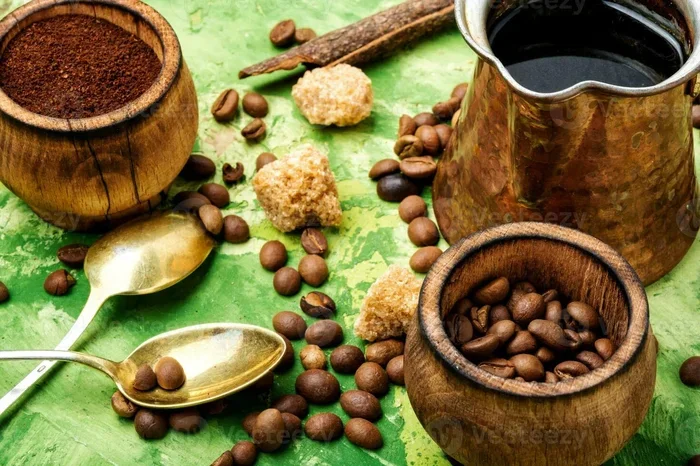
Visual guide about fresh coffee beans and grounds
Image source: static.vecteezy.com
Airtight Containers and Cool Dark Places
The best home storage is a tight-sealing container kept in a cool, dark cabinet. Glass jars with strong lids work well if you keep them out of sunlight. Ceramic canisters with rubber seals also do a good job. Avoid clear containers on countertops near the stove or window. Heat and light from daily kitchen activity can shorten coffee life.
Freezing Coffee: Yes or No?
Freezing coffee can help if you buy in bulk or want to store beans for a longer time. The key is to freeze only once and keep the coffee sealed tight. Divide beans into small portions, seal them well, and thaw only what you need. Repeated freezing and thawing creates moisture and hurts flavor. For daily use, a cool pantry works better than the freezer.
What to Avoid When Storing Coffee
Do not store coffee in the original bag if it does not reseal well. Do not keep coffee above the oven, toaster, or dishwasher. Do not leave it in a car or near a window. Do not use containers that let air in. These small mistakes add up and make coffee taste old too fast.
Signs Your Coffee Has Gone Stale
Coffee usually tells you when it is past its best. You can spot stale coffee through smell, taste, and appearance. Catching these signs early helps you avoid weak, flat cups.
Smell and Taste Changes
Fresh coffee has a strong, pleasant aroma. Stale coffee smells dull, dusty, or almost like cardboard. The taste also changes. Instead of smooth richness, you may notice bitterness, sourness, or a dry finish. If your coffee no longer smells inviting, it is probably past its peak.
Visual Clues and Texture
Whole beans may look oily or dry depending on the roast, but stale beans often lose their shine. Ground coffee can clump when exposed to moisture. If you see mold, throw the coffee away right away. A strange off smell is another clear warning sign. Trust your senses before you brew a full pot.
Quick Tips to Keep Coffee Fresh Longer
Small habits make a big difference. Use these practical tips to keep your coffee tasting better for longer.
- Buy smaller amounts more often instead of stocking up for months.
- Grind only what you need right before brewing.
- Keep coffee away from heat sources like the stove and oven.
- Use a sealed container that blocks air and light.
- Avoid storing coffee in the fridge unless you seal it very well.
- Check the roast date before you buy.
- Clean your grinder and brewer regularly so old oils do not affect flavor.
Common Mistakes That Ruin Coffee Freshness
Even experienced coffee drinkers make storage mistakes. These errors often explain why coffee tastes weak or bitter. Avoid these common problems to get better results.
Leaving Coffee Open Too Long
Every time you open a container, fresh air gets in. If you leave the lid off while scooping, the coffee ages faster. Seal the container right after use. If possible, keep a small daily batch in a separate container and store the rest away from frequent exposure.
Storing Coffee in the Wrong Place
Kitchen counters seem convenient, but they are often warm and bright. Cabinets near appliances can also trap heat. Choose a stable, cool spot instead. A dark pantry shelf usually works better than a display jar on the counter.
Buying Too Much at Once
Bulk buying can save money, but coffee is not a great candidate for long-term stockpiling if you care about flavor. Large bags sit around longer and lose quality before you finish them. If you do buy in bulk, split the coffee into smaller sealed portions and keep the ones you will not use soon frozen or stored very carefully.
Expert Insights on Coffee Freshness
Coffee professionals often say that freshness is a moving target, not a fixed deadline. The goal is not perfection. The goal is a cup that tastes good enough to enjoy every day. For most home brewers, buying fresh beans, grinding close to brew time, and storing coffee wisely gives the best balance of flavor and convenience.
Another useful insight is that different brews highlight freshness in different ways. Delicate methods like pour-over often show off bright notes more clearly. Stronger methods like French press can mask some staling, but they still benefit from fresh coffee. Espresso is especially demanding, so freshness matters even more there. If you use a specific brewing style, match your coffee routine to that style for better results.
Key Takeaways
Key Takeaways
- Point 1: Whole beans stay freshest for 2 to 4 weeks after roasting, while ground coffee declines much faster.
- Point 2: Brewed coffee tastes best within 30 minutes and should not sit out for long.
- Point 3: Air, moisture, heat, and light are the main causes of stale coffee.
- Point 4: Store coffee in a sealed container in a cool, dark place.
- Point 5: Freezing can work for long-term storage if you avoid repeated thawing.
- Point 6: Roast dates matter more than best-by dates when buying coffee.
- Point 7: Stale coffee loses aroma, tastes flat, and may smell dusty or cardboard-like.
Conclusion
How long does coffee stay fresh depends on the form you use and how you store it. Whole beans give you the longest window for good flavor, while ground coffee and brewed coffee fade faster. The best approach is simple: buy fresh, seal it well, keep it cool and dark, and brew it soon. These habits protect the flavor you want and reduce waste in your kitchen.
If you want better coffee without spending more, start with freshness. A small change in storage can improve every cup. Pay attention to aroma, taste, and roast dates. When coffee tastes dull, it is often a storage problem, not a bad bean problem. Use the tips in this guide to keep your coffee at its best and enjoy a stronger, smoother morning routine.
Frequently Asked Questions
How long does ground coffee stay fresh after opening?
Ground coffee stays at its best for about a few days to one week after opening if you store it in a sealed container. After that, the flavor fades quickly because grinding exposes more surface area to air.
Can you drink coffee that is past its best-by date?
Yes, coffee is usually safe to drink past the best-by date if it smells fine and shows no signs of mold. The flavor may be weaker or flatter, but it is not automatically unsafe.
Does freezing coffee keep it fresh longer?
Freezing can help preserve coffee for longer if you seal it tightly and avoid repeated thawing. For daily use, a cool pantry is usually easier and works better for flavor.
How long does brewed coffee last at room temperature?
Brewed coffee stays safe for about 4 hours at room temperature, but the taste drops much sooner. It tastes best within the first 30 minutes after brewing.
What is the best container for storing coffee?
The best container is an airtight one kept in a cool, dark place. A sealed canister or jar with a strong lid works well as long as it blocks air and light.
Why does my coffee taste stale even though it is not old?
Coffee can taste stale if it was stored near heat, light, or moisture, or if it was left open too often. Poor sealing and frequent air exposure can ruin flavor even before the coffee is very old.



