Can I drink coffee after donating blood? Yes, but moderation is key. While caffeine won’t harm your recovery, it can dehydrate you, so pair it with plenty of water and iron-rich foods. Understanding how your body reacts helps you bounce back faster and feel great after every donation.
Giving blood is a simple act with a huge impact. You save lives, help hospitals, and support your community. But after you roll up your sleeve and sit through the process, you probably have questions. One of the most common ones is about your morning routine. Can I drink coffee after donating blood? The short answer is yes, but there are a few things to keep in mind to feel your best.
Blood donation takes about a pint of blood from your body. That might sound small, but it temporarily changes your blood volume and iron levels. Your body works hard to replace what you lost. What you eat and drink afterward plays a big role in how quickly you recover. Caffeine is a daily staple for many people, so it makes sense to wonder if it fits into your post-donation plan.
In this guide, we will break down everything you need to know. You will learn how coffee affects your body after giving blood, what hydration really means, and which foods help you bounce back faster. We will also cover common mistakes, expert tips, and practical steps you can take right away. Let us dive in and make your next donation as smooth as possible.
Key Takeaways
- Coffee is generally safe: Drinking coffee after donating blood is usually fine, but listen to your body and avoid overdoing it.
- Hydration matters most: Caffeine can have a mild diuretic effect, so drink extra water alongside your coffee to stay hydrated.
- Iron recovery is crucial: Focus on iron-rich foods and vitamin C to replenish what you lost during donation.
- Wait a bit before driving: Give yourself 10-15 minutes to rest and ensure you feel steady before getting behind the wheel.
- Avoid excessive caffeine: Too much coffee may cause jitters, increased heart rate, or dizziness, especially when your blood volume is lower.
- Listen to your body: If you feel lightheaded, skip the coffee and rest with water and a snack instead.
- Consult staff if unsure: Blood donation center professionals can give personalized advice based on your health and donation experience.
📑 Table of Contents
- Can I Drink Coffee After Donating Blood? The Short Answer
- Hydration Is the Real Priority After Donating Blood
- Coffee, Iron, and Energy Levels After Blood Donation
- How to Feel Better Faster After Donating Blood
- Common Mistakes People Make After Donating Blood
- Expert Tips for a Smooth Post-Donation Routine
- Key Takeaways for Coffee and Blood Donation Recovery
Can I Drink Coffee After Donating Blood? The Short Answer
Can I drink coffee after donating blood? For most healthy adults, the answer is yes. A cup of coffee after your donation is generally safe. Caffeine does not interfere with the healing process, and it will not stop your body from rebuilding blood cells. However, the real question is not just about safety. It is about how you feel.
Your body loses fluid and iron when you donate. Fluid loss is temporary, and your body replaces plasma quickly. Iron takes longer to rebuild. Coffee does not directly harm this process, but it can affect hydration and energy levels. If you drink too much caffeine, you may feel jittery or lightheaded, especially if you are already feeling a bit weak after donation.
How Caffeine Affects Your Body After Donation
Caffeine is a stimulant. It wakes up your nervous system and can give you a quick energy boost. That sounds helpful after sitting in a donation chair for a while. But caffeine also has mild diuretic properties. This means it can make you urinate more often. When you are already replacing lost fluids, you want to avoid unnecessary fluid loss.
A moderate amount of coffee is usually fine. One cup is unlikely to cause problems for most people. The key is balance. If you pair your coffee with water and a good snack, you are much more likely to feel steady and comfortable. If you are sensitive to caffeine, you may want to wait a bit or choose a smaller serving.
When Coffee Might Not Be the Best Choice
There are a few situations where you may want to pause before reaching for your favorite mug. If you feel dizzy, lightheaded, or unusually tired, coffee may not be the best first step. Rest, water, and food should come first. Once you feel stable, coffee can be part of your recovery routine.
Also, if you tend to get dehydrated easily or have a history of low blood pressure, it is wise to be careful. Too much caffeine can sometimes make you feel more unsettled. If you are unsure, ask the donation staff. They see this question all the time and can give you practical guidance based on how you are feeling.
Hydration Is the Real Priority After Donating Blood
If you take away one thing from this article, let it be this: hydration matters more than coffee. After donating blood, your body needs fluids to restore blood volume. Water is the simplest and most effective way to support that process. Coffee can be part of your day, but it should not replace water.
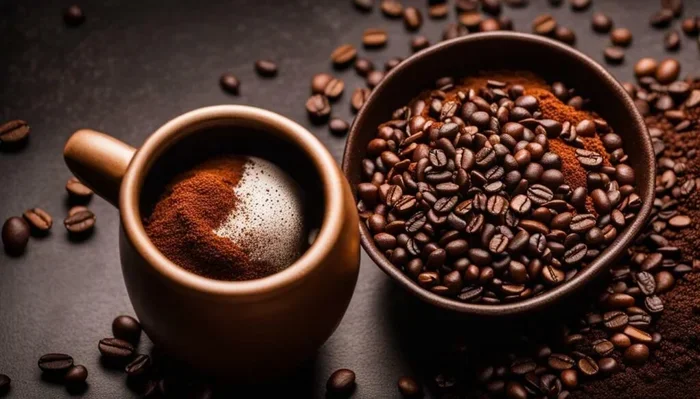
Visual guide about coffee cup after blood donation
Image source: crankandbrew.com
Think of hydration as the foundation of your recovery. Good fluid intake helps you feel better, reduces fatigue, and supports circulation. If you love coffee, enjoy it, but make water your main drink for the rest of the day. This simple habit can make a noticeable difference in how you feel.
Best Drinks to Rehydrate After Blood Donation
Water is the top choice. It is clean, simple, and does exactly what your body needs. But you do not have to stick to plain water if you do not want to. There are other helpful options too.
- Water: The best all-around choice for rehydration.
- Water with lemon or fruit: A light flavor boost that still keeps you hydrated.
- Oral rehydration drinks: Helpful if you want electrolytes along with fluids.
- Herbal tea: A caffeine-free option that is warm and soothing.
- Coffee in moderation: Fine for most people, but pair it with water.
Signs You May Need More Fluids
Your body usually gives you clues when you need more water. If you feel thirsty, have a dry mouth, or notice a headache, those are common signs of mild dehydration. After donating blood, it is especially important to pay attention to these signals. Do not wait until you feel awful. Drink steadily throughout the day.
If you are drinking coffee, use it as a complement to your hydration plan, not the whole plan. A good rule is to drink a glass of water before or after your coffee. That small habit helps you stay balanced and comfortable.
Coffee, Iron, and Energy Levels After Blood Donation
Blood donation affects your iron stores because red blood cells carry iron. When you donate, you lose some of those cells. Your body needs iron to make new red blood cells. That is why iron-rich foods are so important after donation. Coffee does not replace iron, and it does not directly block recovery. But meal timing and food choices still matter.
Visual guide about coffee cup after blood donation
Image source: static.vecteezy.com
Some people worry that coffee might interfere with iron absorption. This is a common topic in nutrition conversations. The bigger focus after donating blood should be on eating enough iron and supporting your body with vitamin C, which helps iron absorption. If you drink coffee, try not to let it replace a balanced meal. Food first, coffee second.
Iron-Rich Foods That Support Recovery
Rebuilding iron stores takes time, so consistent eating habits help. You do not need a complicated diet. Simple, wholesome foods can do a lot.
- Red meat: A strong source of easily used iron.
- Beans and lentils: Great plant-based iron options.
- Spinach and leafy greens: Helpful when paired with vitamin C.
- Fortified cereals: An easy way to add iron to your day.
- Nuts and seeds: Good snacks that contribute to overall nutrition.
Why Vitamin C Matters Too
Vitamin C helps your body absorb iron more effectively, especially from plant-based foods. That means a simple combo like beans with tomatoes or spinach with citrus can be a smart move. If you are planning your post-donation meal, think about pairing iron foods with vitamin C foods. This is one of the easiest ways to support recovery through everyday eating.
Coffee can still be part of the picture. Just make sure it does not become the main event when your body needs nourishment. A balanced meal with protein, iron, and vitamins will serve you better than coffee alone.
How to Feel Better Faster After Donating Blood
Recovery after blood donation is usually straightforward. Most people feel fine after a short rest and a snack. The goal is to help your body reset without pushing it too hard. Small habits add up. Here are practical steps you can take to feel better faster.
Rest Before You Rush Back Into Your Day
After donating, sit down and take it easy for a few minutes. Do not jump up quickly. Stand slowly and make sure you feel steady. If you feel lightheaded, stay seated and tell the staff. They are there to help you. A short rest can prevent dizziness and make the rest of your day smoother.
Eat a Balanced Snack or Meal Soon After Donating
Food gives your body the energy and nutrients it needs. A good snack after donation should be gentle, satisfying, and nourishing. You do not need anything fancy. Think simple and balanced.
- A sandwich with lean protein
- Yogurt with fruit
- A handful of nuts and a piece of fruit
- Eggs with toast
- A bowl of oatmeal with milk or a milk alternative
Keep Moving Gently, Not Aggressively
You do not need to stay in bed all day, but you also do not need to push through a hard workout right away. Light activity is usually fine once you feel steady. If you normally exercise, it may be wise to keep today lighter than usual. Listen to your body and give yourself permission to ease up a bit.
Watch for Unusual Symptoms
Most post-donation feelings are mild and temporary. Fatigue, slight lightheadedness, or a bit of thirst can happen. But if you notice ongoing dizziness, weakness, or anything that feels off, take it seriously. Rest, hydrate, and reach out for medical advice if needed. It is always better to be cautious.
Common Mistakes People Make After Donating Blood
Even with good intentions, it is easy to make a few missteps after donation. Knowing what to avoid can help you recover more comfortably. Here are some common mistakes and simple ways to prevent them.
Skipping Water Because You Had Coffee
This is one of the biggest mistakes. Coffee is not the same as water. If you drink coffee and assume you are fully hydrated, you may end up falling short. Make water your main drink and treat coffee as a sidekick, not the hero.
Rushing Into Heavy Exercise Too Soon
Your body has done something important. Give it a little time before you go all out. A tough workout right after donation can leave you feeling drained or dizzy. Light movement is usually better on the same day. Save the intense sessions for when you feel fully back to normal.
Ignoring Hunger or Skipping a Meal
Some people are so busy after donating that they forget to eat. That is a missed opportunity. Food helps stabilize energy and supports recovery. Even a small snack is better than nothing. Plan a simple meal or snack ahead of time so you are not left empty-handed.
Standing Up Too Fast
Blood donation can temporarily affect how you feel when you change positions. Standing too quickly can lead to dizziness. Take your time. Sit first, then stand slowly. If you feel woozy, sit back down and let the staff know.
Expert Tips for a Smooth Post-Donation Routine
If you want a simple, reliable plan for after your donation, keep it easy. The best routine is one you can actually follow. Here are some expert-friendly tips that work for many donors.
Build a Simple After-Donation Checklist
A short checklist can take the stress out of the moment. You do not need a long list. Just a few good habits.
- Drink water right away
- Eat a snack or meal within a reasonable time
- Rest for a few minutes before leaving
- Stand up slowly
- Keep coffee moderate and pair it with water
- Avoid strenuous activity for the rest of the day
Make Coffee Work With Your Recovery, Not Against It
If coffee is part of your daily life, you do not have to give it up after donating blood. Just be intentional. Choose a reasonable portion, drink water too, and pay attention to how you feel. If you feel great, enjoy your cup. If you feel shaky or tired, scale back and focus on rest and hydration first.
Plan Ahead for Your Next Donation
A little preparation makes donation day easier. Eat a good meal beforehand if you can, stay hydrated, and bring a snack for afterward. If you know you will want coffee later, pack a water bottle too. Planning ahead helps you feel more comfortable and confident.
Key Takeaways for Coffee and Blood Donation Recovery
When it comes to can I drink coffee after donating blood, the answer is usually yes, with a few smart habits. Coffee can fit into your day, but hydration, food, and rest do the heavy lifting. Keep your caffeine moderate, drink plenty of water, and give your body the nutrients it needs to recover.
If you feel good after donating, enjoy your coffee. If you feel off, slow down and prioritize water and food first. Blood donation is a generous act, and taking care of yourself afterward helps you stay ready for the next one. With a balanced routine, you can recover well and get back to your day with confidence.
Frequently Asked Questions
Can I drink coffee immediately after donating blood?
Yes, most people can drink coffee soon after donating blood, but it is better to rest, hydrate, and eat first. If you feel dizzy or weak, wait until you feel steady before having caffeine.
Will coffee dehydrate me after giving blood?
Coffee can have a mild diuretic effect, so it should not be your only source of fluids. Drink water alongside coffee to stay properly hydrated after donation.
How long should I wait before drinking caffeine after blood donation?
There is no strict waiting period for most people, but taking a short rest first is a good idea. If you feel lightheaded, delay coffee until you feel more stable and have had water and food.
What should I eat after donating blood if I want coffee too?
Try a balanced snack or meal with iron and protein, such as eggs, yogurt, beans, or a sandwich. Pair your coffee with water and avoid letting caffeine replace nourishing food.
Can coffee make me dizzy after donating blood?
It can if you drink too much or if you are already feeling weak or dehydrated. Too much caffeine may increase jitters or lightheadedness, so moderation is important after donation.
Is decaf coffee a better choice after blood donation?
Decaf can be a good option if you want the comfort of coffee without extra caffeine. It is especially helpful if you are sensitive to caffeine or already feeling tired after donating.