
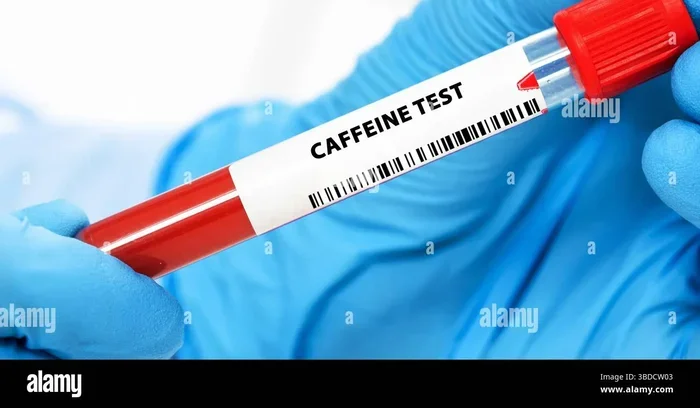
Can I have coffee before fasting blood work? The short answer is usually no. Black coffee may seem harmless, but it can change your blood sugar, enzyme levels, and hydration status. Even a small cup might affect your lipid panel or glucose test. Doctors recommend sticking to plain water until your blood draw is done. If you need clarity, always ask your doctor or lab first.
Many people ask the same question every time they schedule a checkup: can I have coffee before fasting blood work? It is a simple question, but the answer matters a lot. Blood tests are meant to show your body in a resting, baseline state. Even a small change in what you drink can shift your numbers. That is why labs and doctors give clear rules about fasting.
Coffee is part of daily life for so many of us. It helps us wake up, focus, and feel ready for the day. So it feels frustrating to skip it before a lab visit. Still, your test results should be accurate. A wrong reading can lead to extra testing, confusion, or unnecessary worry. In this guide, we will break down what fasting means, how coffee affects your blood work, and what you can safely drink instead.
Key Takeaways
- Black coffee is not truly fasting: Even without sugar or milk, coffee can trigger metabolic changes that affect test accuracy.
- Water is your safest choice: Plain water keeps you hydrated and does not interfere with fasting blood work results.
- Caffeine can alter test markers: Coffee may impact glucose, insulin, lipids, and certain liver or kidney readings.
- Additives break the fast: Cream, sugar, syrup, or plant milk will definitely affect your results and should be avoided.
- Medication rules still apply: Some prescriptions allow water only, and coffee can interact with how your body processes certain drugs.
- When in doubt, ask your provider: Lab requirements vary, so always confirm what is allowed before your appointment.
- Plan ahead to avoid stress: Scheduling your blood work early and drinking water the night before makes fasting easier.
📑 Table of Contents
- What Does Fasting Mean for Blood Work
- Can I Have Coffee Before Fasting Blood Work
- What Can Happen If You Drink Coffee Before Your Test
- What You Can Safely Drink During a Fast
- What to Avoid Before Fasting Blood Work
- How to Prepare for Your Blood Draw
- Special Situations and Common Concerns
- Quick Tips for a Smooth Fasting Experience
- Common Mistakes to Avoid
- Expert Insights and Best Practices
- Key Takeaways for Your Next Lab Visit
What Does Fasting Mean for Blood Work
Fasting for blood work means you avoid food and most drinks for a set period before your test. The goal is to measure your body without the influence of recent meals. When you eat or drink certain things, your blood sugar, fats, and digestive enzymes can change quickly. Those changes can make your results harder to read.
Most fasting windows last from 8 to 12 hours. In some cases, your doctor may ask for a shorter or longer window. The exact rule depends on the test and your health history. Common fasting tests include glucose checks, lipid panels, and some liver or kidney tests. Your provider should always tell you what is allowed during the fasting period.
Why Fasting Matters for Accurate Results
Your body reacts fast to what you consume. A cup of coffee with sugar can raise your blood glucose. A fatty breakfast can change your lipid levels. Even small amounts of cream or flavored syrup can affect your digestive system. Fasting helps create a clean starting point for your lab work.
Accurate results matter because they guide your care. If your numbers look off for the wrong reason, your doctor may think something is wrong when it is not. On the other hand, a hidden food or drink could hide a real issue. That is why clear fasting rules are so important.
Can I Have Coffee Before Fasting Blood Work
If you are wondering can I have coffee before fasting blood work, the safest answer is usually no. Most providers say to avoid coffee during the fasting window. Even black coffee is not always considered neutral. It contains caffeine and other natural compounds that can affect your body in subtle ways.
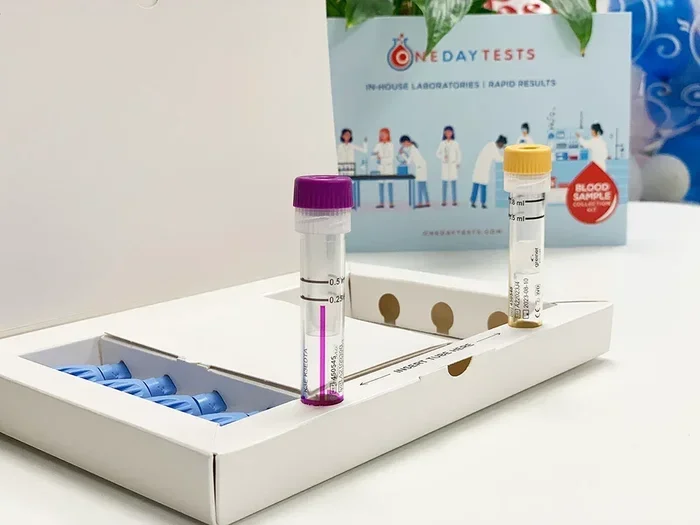
Visual guide about coffee and blood test kit
Image source: onedaytests.com
Some labs may be more flexible than others. A few may allow plain black coffee in small amounts. Still, that does not mean it is the best choice for every test. If your doctor wants a true baseline, water is the better option. It is always wise to follow the instructions you were given rather than guess.
Black Coffee and Fasting Blood Work
Black coffee has no milk and no sugar, so it may seem safe. But black coffee and fasting blood work do not always mix well. Caffeine can stimulate your nervous system and change how your body handles energy. It may also affect your blood pressure and heart rate for a short time.
For some tests, that effect is small. For others, it can matter more. Coffee can also mildly change how your stomach and liver function. That is why many doctors prefer you to skip it entirely. If you are unsure, ask your provider whether black coffee is allowed for your specific test.
Caffeine and Blood Test Results
Caffeine and blood test results are connected in more ways than people expect. Caffeine can influence your metabolism and energy use. It may also affect how your body manages insulin and glucose for a short period. That means your fasting glucose or insulin readings could shift slightly after coffee.
Caffeine can also change blood flow and hydration. If you drink a lot of coffee, you may feel more alert, but your body may also lose water through increased urination. Even mild dehydration can affect some lab values. These changes are not always dramatic, but they can still matter when precision is important.
What Can Happen If You Drink Coffee Before Your Test
Drinking coffee before your blood draw may lead to results that do not reflect your true baseline. That does not mean something is always wrong. It means the numbers may be harder to interpret. Your provider might ask you to repeat the test if the results look unusual.
Visual guide about coffee and blood test kit
Image source: cdn11.bigcommerce.com
Some common concerns include changes in glucose, lipid levels, and digestive markers. Coffee can also trigger stomach acid and affect how you feel during the test. If you are already nervous about needles or lab visits, coffee may make you feel more jittery. That is another reason many people prefer to keep the morning simple.
Blood Glucose and Insulin Effects
One of the biggest concerns is how coffee may affect blood sugar. Even without sugar added, coffee can influence your metabolism. Some people see a small rise in blood glucose after caffeine. Others may notice changes in how their body responds to insulin. These effects can vary from person to person.
If you are having a fasting blood glucose test or insulin-related test, your provider may want the cleanest possible reading. That is why coffee is often discouraged. The goal is to avoid anything that could make your numbers look higher or lower than they really are.
Lipid Panel and Cholesterol Concerns
A lipid panel checks fats in your blood, including cholesterol and triglycerides. These numbers can be affected by recent food and drink. Coffee may not have as big an effect as a full meal, but it is still not always considered fasting-safe. If the lab wants a true lipid baseline, water is the safest choice.
Triglycerides are especially sensitive to recent intake. If your coffee includes any creamer, sweetener, or flavored add-in, that can matter even more. For the most reliable lipid results, follow the fasting instructions closely and keep your morning drink simple.
What You Can Safely Drink During a Fast
If coffee is off the table, what can you drink? In most cases, plain water is the best choice. Water keeps you hydrated and does not break a fast for most blood tests. It also makes the blood draw easier because good hydration can help your veins feel more visible.
Visual guide about coffee and blood test kit
Image source: healthcareontime.com
Some providers may allow plain mineral water or very small amounts of other clear drinks, but that depends on the test. The safest plan is to stick with water unless you were told otherwise. If you need flavor, it is usually better to wait until after your blood draw.
Water and Hydration Tips
Hydration matters more than many people realize. Being well hydrated can make the blood draw smoother and more comfortable. It can also help you feel better during the fasting window. Try drinking water the night before your appointment, then continue sips in the morning if your provider allows it.
A few simple tips can help:
- Keep water nearby so you can sip it slowly.
- Avoid overdrinking right before the test if it makes you feel uncomfortable.
- Use plain water unless your provider says another clear drink is okay.
- Start fasting at the right time so you do not feel overly thirsty or tired.
When Plain Water Is Best
For most fasting labs, plain water is the gold standard. It supports hydration without adding calories, caffeine, or additives. It also helps you avoid the guesswork that comes with coffee, tea, or flavored drinks. If you want the most dependable results, water is the simplest and safest choice.
If you are used to a warm morning drink, this can feel like a big change. You might try preparing your coffee after the lab visit instead. That way, you still get your routine, but you protect the accuracy of your results.
What to Avoid Before Fasting Blood Work
Besides coffee, there are other drinks and habits that can affect your test. The basic rule is to avoid anything that adds calories, sugar, fat, or stimulants unless your provider says otherwise. That means most coffees, teas with additives, juices, sodas, and energy drinks are usually not ideal during the fasting window.
It also helps to think about what you put in your body the night before. A very heavy meal, alcohol, or unusual supplements can sometimes affect your results too. If you are preparing for an important test, keep your routine steady and follow instructions carefully.
Coffee Additives and Sweeteners
If you are asking can I have coffee before fasting blood work, it is also important to think about what goes into the coffee. Cream, half-and-half, milk, oat milk, almond milk, sugar, honey, and syrups all add calories or compounds that can affect your test. Even a splash of milk can break a fast for many lab tests.
Sugar-free sweeteners may seem harmless, but they are not always neutral either. Some people react to sweeteners with changes in digestion or cravings. Since the goal is a clean baseline, it is better to skip additives completely unless your provider approves them.
Other Common Mistakes People Make
A few common mistakes can make fasting harder than it needs to be. People sometimes forget that gum, mints, or flavored cough drops can contain sugar or sweeteners. Others drink a small amount of coffee and assume it will not matter. Some also forget to check whether their medications or supplements should be paused.
To avoid these issues, read your lab instructions carefully. If anything is unclear, call the provider or lab before your visit. A quick question can save you from repeating the test later.
How to Prepare for Your Blood Draw
Good preparation makes fasting easier and helps your results stay reliable. Start by confirming the exact fasting window your provider wants. Then plan your evening so you can stop eating and drinking at the right time. If your test is in the morning, this usually means an early bedtime and a simple routine.
Bring a snack for after the draw if you expect to feel hungry. Wear comfortable clothing with easy arm access. If you tend to feel faint, tell the lab staff ahead of time. Small steps like these can make the visit smoother.
Timing Your Test Wisely
Morning appointments are often easiest for fasting tests. That way, you spend fewer waking hours without food. You can also finish your blood draw sooner and return to your normal routine. If your schedule allows, choose an early slot and keep your morning simple.
If you have a busy day, plan around the test. For example, you may want to fast overnight, go to the lab first, and then enjoy breakfast and coffee afterward. This keeps your test accurate and helps you avoid unnecessary stress.
Questions to Ask Your Doctor or Lab
It is always smart to ask questions before your test. You may want to confirm:
- How long should I fast?
- Can I drink water only?
- Are any medications or supplements allowed?
- Can I take my regular meds with water?
- What happens if I accidentally drink coffee?
These questions are especially helpful if you have a medical condition or take multiple medications. Your provider can give you guidance that fits your situation. That is much safer than guessing based on general advice.
Special Situations and Common Concerns
Some people need extra guidance because of health conditions or daily routines. If you have diabetes, pregnancy-related testing, or a history of low blood sugar, fasting may need more care. In those cases, your provider may give you a customized plan. Never change your fasting routine without checking first if you have a special health concern.
People who rely on coffee to function may also worry about headaches or fatigue. If that sounds like you, ask your provider whether your test can be scheduled in a way that reduces discomfort. Sometimes a small adjustment in timing can help a lot.
Fasting With Diabetes or Medications
If you have diabetes, fasting can affect your blood sugar in ways that need careful monitoring. Coffee may also affect your glucose response. That is why diabetic patients should always follow personalized instructions. Your provider may tell you how to handle medications, snacks, and monitoring during the fast.
The same careful approach applies to other medications. Some can be taken with water, while others need food. Do not stop or change a prescription unless your provider tells you to. Clear guidance matters because both the medication and the fasting rules can affect your results.
What If You Accidentally Drink Coffee
If you drink coffee by mistake, do not panic. Tell the lab staff or your provider before the draw if you remember in time. They can tell you whether the test can still proceed or whether it should be rescheduled. Being honest is better than hiding the mistake.
In many cases, the test may still be useful, but your provider might want to repeat it later for accuracy. If you realize the mistake after the draw, mention it when you review your results. That extra detail can help your doctor interpret the numbers correctly.
Quick Tips for a Smooth Fasting Experience
Fasting does not have to feel difficult. A few simple habits can make the process easier and more comfortable:
- Set a reminder for when your fasting window starts and ends.
- Drink water the night before your appointment.
- Keep your morning routine calm so you do not feel rushed.
- Pack a snack for after the blood draw.
- Bring a list of medications in case the lab asks for it.
- Ask questions early instead of waiting until the day of the test.
These small steps can reduce stress and help you follow the instructions correctly. When your routine is clear, it is easier to stick with it.
Common Mistakes to Avoid
A few habits can create problems before your blood test. Watch out for these common mistakes:
- Drinking coffee with cream or sugar and assuming it is still fasting.
- Chewing gum or sucking mints that may contain sweeteners.
- Skipping water entirely and becoming overly dehydrated.
- Changing medication schedules without medical advice.
- Assuming all tests have the same rules instead of checking your specific lab instructions.
Avoiding these mistakes is one of the easiest ways to protect your test accuracy. A careful morning routine goes a long way.
Expert Insights and Best Practices
Lab professionals usually prefer simple rules because simple rules are easier to follow. Water is clear. Coffee is not always clear. That is why many providers keep the instructions straightforward: fast as directed, drink water if allowed, and avoid anything that adds calories or stimulants.
Another best practice is consistency. If you always follow the same fasting routine, your results are easier to compare over time. That can help your provider spot real trends instead of random changes caused by coffee, food, or dehydration. Consistency is especially useful if you get regular blood work.
Key Takeaways for Your Next Lab Visit
Before your next appointment, remember the main points. First, can I have coffee before fasting blood work is usually answered with a cautious no. Second, water is the safest drink for most fasting tests. Third, additives like milk, sugar, and syrups almost always break a fast. Fourth, caffeine can affect glucose, lipids, and hydration in ways that may change your results. Finally, when the instructions are unclear, ask your provider before your test.
A little planning can make fasting feel much easier. Schedule your lab early, drink water the night before, and keep your morning simple. Then enjoy your coffee afterward with a clear mind and more reliable results.
If you want accurate blood work, the safest path is usually the simplest one. Stick with water during the fasting window, follow your provider’s instructions, and save the coffee for after the draw. That way, your results are more likely to reflect your true health, not your morning routine.
Frequently Asked Questions
Can I drink black coffee before fasting blood work?
Usually, it is best to avoid black coffee unless your provider says otherwise. Even without additives, caffeine and other compounds in coffee can affect some test results. Water is the safest choice during the fasting window.
Will a small cup of coffee ruin my fasting blood test?
It may not ruin the test, but it can affect your results enough to matter. Coffee can influence glucose, lipids, and hydration, which may make your numbers harder to interpret. If you accidentally drink it, tell the lab or your doctor.
Can I drink water before my blood work?
In most cases, yes. Plain water is usually allowed during a fast and can even help make the blood draw easier. Just avoid flavored water or anything that adds calories, sweeteners, or additives unless your provider approves it.
What happens if I drink coffee with cream before my test?
Coffee with cream, milk, or any sweetener is more likely to break your fast. Those additives add calories and can affect blood sugar and other markers. You should follow your lab instructions and avoid additives during the fasting period.
How long should I fast before blood work?
The fasting time depends on the test, but many fasting windows are around 8 to 12 hours. Some tests may need a shorter or longer fast. Always follow the exact instructions your provider gives you.
Can caffeine affect my cholesterol or glucose test results?
Caffeine can influence how your body handles energy, and that may affect glucose or lipid readings in some cases. The effect is not the same for everyone, but it can still matter when accuracy is important. That is why many providers recommend avoiding coffee before fasting tests.



