
Many people wonder can coffee raise your blood pressure after drinking their morning cup. The truth is that caffeine causes a short-term spike, but regular drinkers often build a tolerance. This guide explains the science, safe limits, and how to enjoy your brew without worry.
Many people start their day with a hot cup of coffee. It wakes you up and tastes great. But some worry about their heart health. A common question is can coffee raise your blood pressure. This concern stops many from enjoying their favorite drink.
Understanding the link between caffeine and heart health is important. You want to feel good while enjoying your routine. We will look at what science says about this topic. You will learn how to drink safely.
This article breaks down the facts simply. We will talk about short-term effects and long-term habits. You will find tips to manage your intake. Let us explore the truth together.
Key Takeaways
- Temporary Spike: Caffeine can cause a short-term increase in blood pressure readings.
- Tolerance Builds: Regular coffee drinkers often experience less effect over time.
- Individual Factors: Genetics and existing health conditions play a major role.
- Moderation Matters: Limiting intake helps manage potential heart health risks.
- Monitor Levels: Checking your pressure before and after drinking reveals personal effects.
- Consult Doctors: Always talk to a healthcare provider about specific heart concerns.
- Healthy Habits: Combining coffee with a balanced diet supports overall wellness.
📑 Table of Contents
How Caffeine Affects Blood Pressure
Caffeine is a stimulant. It wakes up your central nervous system. When you drink it, your heart beats faster. This action can push your blood pressure up for a short time. The effect usually lasts a few hours.
Scientists have studied this link for years. Some studies show a clear spike after consumption. Others suggest the body adapts quickly. The reaction depends on many factors. Your genetics play a big role here.
If you do not drink coffee often, the spike may be stronger. Your body is not used to the stimulant. Regular drinkers often see less change. Their systems build a tolerance over time. This is a key point to remember.
Other ingredients in your cup matter too. Sugar and cream can affect overall health. Black coffee is different from a sugary latte. We will discuss these details later. For now, focus on the caffeine itself.
Short-Term vs. Long-Term Effects
The immediate effect is a temporary rise. This happens within an hour of drinking. It usually goes back down soon after. This is not dangerous for most healthy people.
Long-term effects are less clear. Some research suggests regular drinking might not harm heart health. Other studies show a slight risk for heavy drinkers. The key is moderation. Drinking too much can strain your system.
Think about your own habits. Do you drink one cup or five? The amount changes the outcome. Small amounts are usually safe. Large amounts need more caution.
Individual Sensitivity and Genetics
Not everyone reacts the same way. Some people are slow metabolizers. Their bodies process caffeine slowly. This keeps the stimulant in their system longer. These people may see higher pressure readings.
Others process caffeine quickly. They feel the buzz but it fades fast. Their blood pressure returns to normal sooner. Knowing your type helps you choose wisely. Family history matters here too.
If your parents had heart issues, be careful. You might be more sensitive to stimulants. Talk to your doctor about your family history. They can give personalized advice. This is the safest path forward.
Understanding the Science Behind Coffee
Coffee contains many compounds. Caffeine is the most famous one. But there are antioxidants too. These can be good for your heart. It is a complex mix of effects.

Visual guide about coffee cup and blood pressure monitor
Image source: img.freepik.com
Researchers look at many variables. They study age, weight, and lifestyle. They also look at how the coffee is brewed. Different methods extract different amounts of caffeine. Espresso has more than drip coffee.
The scientific community continues to learn. New studies come out often. What we know today might change tomorrow. Stay updated with reliable health sources. Trust medical advice over internet rumors.
What Studies Say About Hypertension
Hypertension means high blood pressure. People with this condition worry more. Some studies say caffeine raises risk slightly. Others say it makes no big difference. The evidence is mixed.
Doctors often suggest caution for hypertension patients. They might recommend decaf instead. This removes most of the caffeine. You still get the taste without the stimulant. It is a good compromise.
Monitoring is key for these patients. Check your numbers regularly. Note how you feel after drinking. Share this info with your healthcare provider. They can adjust your plan accordingly.
Antioxidants and Heart Health Benefits
Coffee is not all bad news. It has powerful antioxidants. These fight damage in your body. Some research links coffee to lower disease risk. This includes some heart conditions.
The benefits depend on how you drink it. Adding too much sugar cancels out good points. Keep your additives minimal. Black coffee is often the healthiest choice. It lets the natural compounds shine.
Balance is the goal here. You want the benefits without the risks. Enjoy the flavor and the energy. Just keep an eye on your health. Moderation makes this possible.
Factors That Influence the Reaction
Many things change how coffee affects you. Your current health status is number one. Stress levels matter too. Even your sleep habits play a part.

Visual guide about coffee cup and blood pressure monitor
Image source: addictionresource.com
If you are stressed, your pressure is already high. Caffeine might push it higher. Relaxation techniques help manage this. Try deep breathing before your cup. It calms your system down.
Physical activity also changes the response. Exercise strengthens your heart. A strong heart handles stimulants better. Staying active is great for blood pressure. Combine coffee with a healthy lifestyle.
Age and Weight Considerations
Age affects how your body processes drugs. Older adults might feel effects more strongly. Their metabolism slows down with time. They should monitor intake closely.
Weight is another factor to consider. Larger bodies might process caffeine differently. But health conditions matter more than size. Focus on overall wellness rather than just weight.
Medical conditions change the rules. Diabetes or kidney issues need special care. Always follow your doctor’s orders. They know your full health picture.
Medications and Interactions
Some medicines interact with caffeine. Blood pressure meds might work differently. Stimulants in drugs add to the coffee effect. This can cause unwanted spikes.
Read the labels on your prescriptions. Ask your pharmacist about interactions. They can warn you about specific risks. This prevents surprise health issues.
Never stop meds without advice. Changing your routine needs guidance. Your doctor can help you balance both. Safety comes first in every decision.
Tips for Safe Coffee Consumption
You can enjoy coffee safely. Follow some simple rules. These tips help manage your intake. They protect your heart health too.
Visual guide about coffee cup and blood pressure monitor
Image source: img-s-msn-com.akamaized.net
Start by tracking your consumption. Count how many cups you drink. Note the time of day too. Morning cups might affect you differently. Evening cups can ruin sleep.
Choose your brew wisely. Lighter roasts have more caffeine. Darker roasts taste stronger but have less. Control the strength to control the effect.
Monitoring Your Blood Pressure
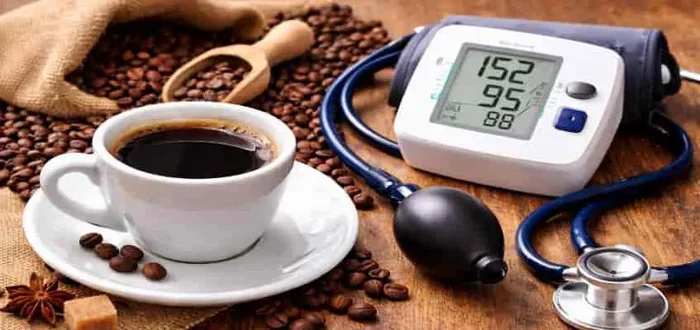
Buy a home monitor for accuracy. Check your pressure before drinking coffee. Check it again an hour later. Compare the numbers to see the change.
Keep a log of your readings. Share this with your doctor. They can spot trends over time. This data helps make better choices. It puts you in control.
Stay calm during testing. Stress raises pressure too. Sit quietly for five minutes first. This gives a true reading. Accuracy matters for your health.
Choosing the Right Type of Coffee
Decaf is a great option for sensitivity. It has very little caffeine. You get the ritual without the risk. Many people cannot tell the difference.
Herbal teas are another alternative. They are caffeine-free naturally. You can find many flavors to enjoy. This diversifies your daily drinks.
Limit additives like sugar and cream. These add calories and fat. They can affect heart health negatively. Keep your cup simple and clean.
When to Talk to Your Doctor
Some signs need professional attention. If you feel chest pain, seek help. Dizziness or shortness of breath is worrying. Do not ignore these symptoms.
Regular check-ups are vital for health. Discuss your coffee habits openly. Your doctor can give specific limits. They know your medical history best.
Changes in health need re-evaluation. If your pressure stays high, adjust habits. You might need to cut back. Listen to your body always.
Signs You Should Cut Back
Headaches can mean too much caffeine. Jitters or anxiety are also signs. Trouble sleeping is a common issue. These suggest you need less intake.
Reduce your cups gradually. Stopping suddenly causes withdrawal. Headaches and fatigue can follow. Take it slow and steady.
Switch to water between cups. Stay hydrated throughout the day. This helps your body process everything. Hydration supports overall heart function.
Conclusion
So, can coffee raise your blood pressure? The answer is yes, but usually only for a short time. For most people, moderate drinking is safe. It depends on your unique body and health.
Listen to your body and track your numbers. Make smart choices about your brew. Enjoy your coffee without fear. Balance and moderation are the keys to success.
Frequently Asked Questions
Does decaf coffee affect blood pressure?
Decaf coffee has very little caffeine. It usually does not raise blood pressure significantly. It is a safe choice for sensitive individuals.
How long does caffeine raise blood pressure?
The effect typically lasts for a few hours. It peaks within an hour of drinking. Your levels should return to normal soon after.
Is coffee bad for people with hypertension?
People with hypertension should be cautious. Caffeine can cause temporary spikes. Consult your doctor for personalized advice.
Can I drink coffee before a blood pressure test?
It is best to avoid coffee before testing. Caffeine can skew your results. Wait until after the appointment for your brew.
What are the symptoms of too much caffeine?
Common signs include jitters, anxiety, and headaches. You might also feel your heart racing. Reduce intake if you notice these symptoms.
Does adding sugar change the effect on blood pressure?
Sugar does not change caffeine effects directly. However, excess sugar harms overall heart health. Keep your coffee drinks as healthy as possible.