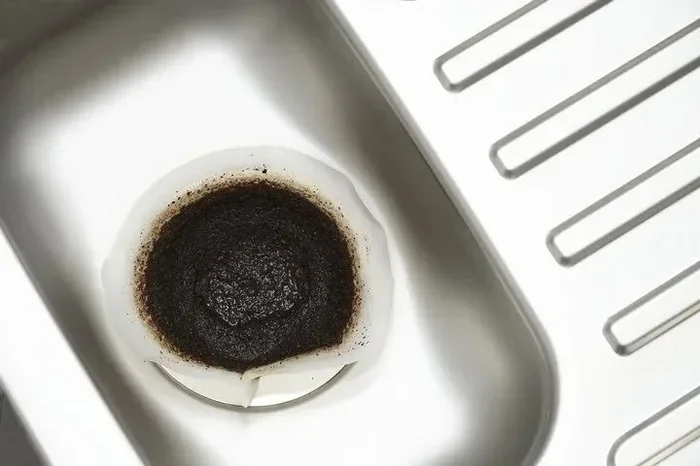
Many homeowners ask, can you put coffee grounds down the garbage disposal, but the answer is usually no. Coffee grounds clump together and create stubborn blockages in your pipes over time. Instead of risking expensive repairs, you should toss them in the trash or find creative reuse options. Protecting your kitchen plumbing starts with making smart disposal choices every single day.
Every morning, millions of people brew a fresh pot of coffee to start their day. It is a comforting ritual that many of us rely on for energy and focus. However, once you finish your cup, you are left with a pile of wet, used grounds. This leads to a common household question that plagues many kitchens. Can you put coffee grounds down the garbage disposal? It seems like a convenient way to clean up, but it might cause more harm than good.
Your garbage disposal is a powerful tool designed to chop up food scraps. It handles things like vegetable peels and small bits of leftovers with ease. But coffee grounds behave differently than most other food waste. They are fine, dense, and tend to stick together when wet. Understanding how these grounds interact with your plumbing is crucial for maintaining a healthy home. Ignoring this advice could lead to frustrating backups and expensive repairs down the line.
In this guide, we will explore why this practice is risky and what you should do instead. We will look at the mechanics of your disposal unit and the nature of coffee waste. You will learn safe disposal methods and creative ways to reuse those grounds. By the end, you will know exactly how to handle your morning leftovers without damaging your sink. Let’s dive into the details of keeping your kitchen plumbing in top shape.
Key Takeaways
- Avoid the disposal: Putting coffee grounds in the garbage disposal often leads to serious clogs and pipe damage.
- Sludge formation: Wet grounds turn into a thick paste that sticks to pipe walls and traps other debris.
- Trash is safer: The easiest and safest method is to scoop grounds into the garbage bin.
- Garden benefits: Used coffee grounds are excellent for composting and can nourish your garden soil.
- Odor control: You can use dried grounds to absorb bad smells in your fridge or freezer.
- Pipe maintenance: Regular cleaning with ice and citrus helps keep disposal blades sharp and fresh.
- Long-term savings: Proper disposal habits prevent costly plumber visits and extend your system’s life.
📑 Table of Contents
The Problem with Coffee Grounds in Disposal
When you ask can you put coffee grounds down the garbage disposal, you need to understand the physical properties of the waste. Coffee grounds are tiny, granular particles. When they are dry, they flow freely. But once they hit water in your sink, they become heavy and pasty. This texture is the root cause of most plumbing issues associated with coffee waste.
Think about what happens when you mix sand with water. It settles at the bottom and creates a thick layer. Coffee grounds act very similarly inside your pipes. They do not break down easily like organic vegetable matter. Instead, they accumulate over time. This buildup restricts water flow and creates pressure in your plumbing system.
Another issue is the smell. Old coffee grounds trapped in pipes can develop a stale, musty odor. This smell can waft up through your drain and make your kitchen unpleasant. Nobody wants their clean kitchen to smell like old trash. Keeping your pipes clear is essential for maintaining a fresh-smelling home environment.
How Grounds Create Sludge
The primary danger lies in the formation of sludge. When grounds mix with other food particles, grease, or soap scum, they create a cement-like substance. This substance sticks to the inner walls of your pipes. Over weeks and months, this layer thickens. Eventually, it narrows the pipe diameter significantly.
Water struggles to pass through this narrowed space. You might notice your sink draining slower than usual. This is often the first sign of a developing clog. If you ignore it, the blockage becomes complete. At that point, water backs up into your sink, creating a messy cleanup situation.
Even if your disposal grinds the grounds finely, the particles remain. The blades chop them, but they do not dissolve. They still travel down the drain and settle in the P-trap or further down the line. The disposal unit itself is not the problem; it is the destination of the waste that matters.
Risk of Pipe Blockages
Blockages are the most common consequence of ignoring this rule. Small particles find their way into tiny crevices and joints in your plumbing. Once lodged there, they catch other debris passing by. This creates a snowball effect where the clog grows larger with every use.
Homeowners often do not realize there is a problem until it is too late. The damage happens gradually. You might pour a little oil down the sink one day and some grounds the next. Together, they form a stubborn plug. Removing this plug often requires professional help.
Repairing a blocked pipe can be costly. You might need to call a plumber to snake the drain or replace sections of piping. These services add up quickly. Preventing the clog is much cheaper than fixing it. Simply keeping grounds out of the sink saves you money and stress.
Why Plumbers Advise Against It
Professional plumbers see the aftermath of bad disposal habits regularly. They often advise clients to avoid putting certain items down the drain. Coffee grounds are consistently at the top of that list. Their experience comes from seeing thousands of clogged sinks caused by this specific habit.
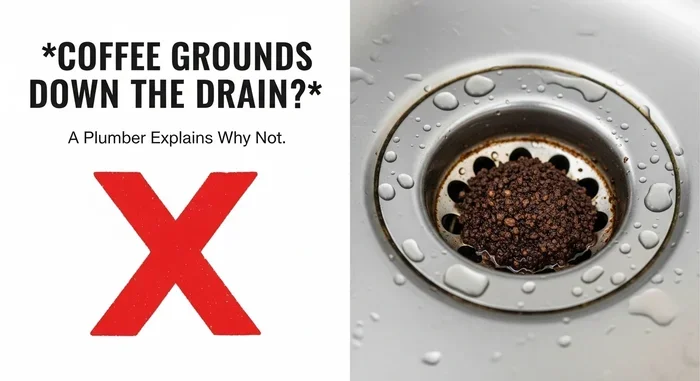
Visual guide about Coffee grounds in sink drain
Image source: coffeexplore.com
Plumbers understand the long-term effects on your plumbing infrastructure. They know that what seems harmless today can cause major issues tomorrow. Their advice is based on practical observation and technical knowledge. Listening to their warnings can save you from significant headaches.
If you are wondering can you put coffee grounds down the garbage disposal, consider the expert consensus. Most professionals say no. They recommend treating your disposal as a tool for specific soft foods, not a catch-all for kitchen waste. Respecting the limits of your appliance ensures it lasts longer.
Long-Term Plumbing Health
Your home’s plumbing is a network of pipes that needs care. Corrosion and wear happen naturally over time. Adding abrasive or clogging materials speeds up this process. Coffee grounds contribute to wear by causing blockages that increase pressure.
High pressure from clogs can stress pipe joints. This might lead to leaks in walls or under floors. Hidden leaks cause water damage and mold growth. These problems are much harder to fix than a simple drain clog. Protecting your pipes preserves the integrity of your home.
Regular maintenance is key to avoiding these issues. Flushing drains with hot water helps, but it does not dissolve grounds. Mechanical cleaning is often required to remove buildup. By avoiding grounds, you reduce the need for aggressive cleaning methods.
Cost of Repairs vs Prevention
Let’s look at the financial side of this decision. Preventing a clog costs nothing. You simply throw grounds in the trash. Fixing a clog, however, involves labor and parts. A plumber might charge a significant fee for a service call.
If the damage is severe, you might need pipe replacement. This is a major expense that disrupts your life. Water damage restoration can cost thousands of dollars. Comparing these costs makes the choice clear. Prevention is infinitely cheaper than repair.
Investing a few seconds to dispose of grounds properly is wise. It protects your wallet and your home. Small habits lead to big results over time. Think of it as an insurance policy for your plumbing system.
Safe Alternatives for Disposing Coffee Grounds
Now that you know the risks, you need practical solutions. You cannot just leave the grounds in the sink. You need a safe place to put them. Fortunately, there are several easy and effective methods available to you.
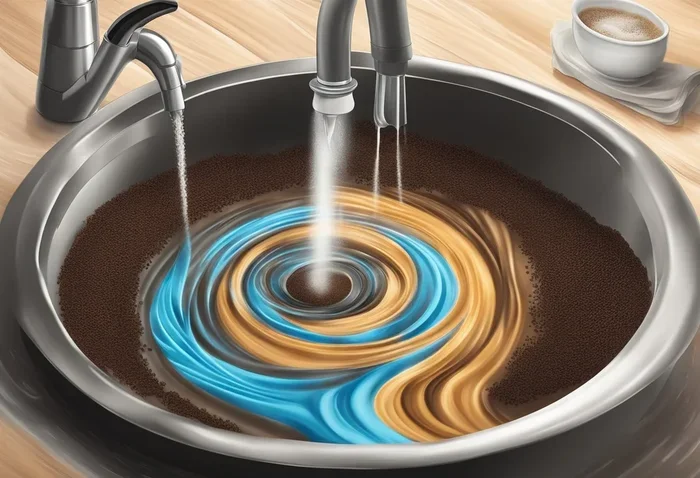
Visual guide about Coffee grounds in sink drain
Image source: koala.sh
The goal is to remove the waste without harming your pipes. You want a method that is convenient for your daily routine. Consistency is important here. If the method is too hard, you might be tempted to dump them in the sink. Choose a method that fits your lifestyle.
Many people find that having a dedicated container helps. You can keep a small bin near your coffee maker. This makes cleanup quick and easy. When the bin is full, you take it to the main trash. This simple system prevents accidental dumping in the sink.
Composting Benefits
One of the best ways to handle grounds is composting. Coffee grounds are rich in nitrogen. This makes them a valuable green material for your compost pile. They help balance the carbon-rich brown materials like leaves or paper.
Your garden plants will love the nutrient boost. Nitrogen supports leafy growth and vibrant green color. Adding grounds to your compost creates rich soil amendment. This improves the health of your flowers, vegetables, and shrubs.
You can also use grounds directly in the soil. Sprinkle them around the base of acid-loving plants. Roses and blueberries often benefit from this treatment. Just be sure not to pile them too thickly. A thin layer works best for direct application.
Composting turns waste into a resource. It reduces landfill contribution and helps your garden thrive. It is an eco-friendly choice that benefits everyone. Plus, it keeps the grounds out of your plumbing completely.
Trash Disposal Methods
If you do not compost, the trash is the next best option. Scoop the grounds into a paper towel or small bag. Then toss them into your garbage bin. This prevents them from sticking to the inside of your trash can.
Some people freeze the grounds in a container before tossing them. This reduces any potential smell in the kitchen trash. It also makes the grounds easier to handle. You can dump the whole frozen block into the outside bin.
Another trick is to use the coffee filter itself. Most paper filters are biodegradable. You can wrap the grounds inside the filter and throw it all away. This contains the mess and makes disposal cleaner. It is a simple habit that works well.
Creative Ways to Reuse Coffee Grounds
Before you throw grounds away, consider if you can use them again. There are many creative hacks for used coffee grounds. These ideas add value to what would otherwise be waste. You might find a new favorite trick for your home.
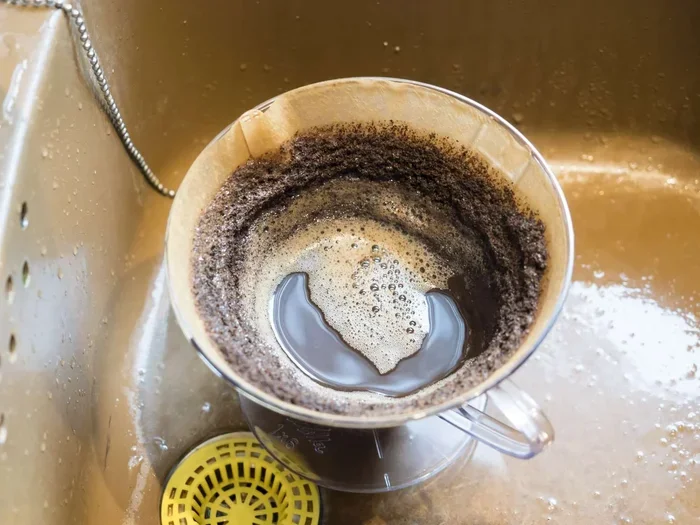
Visual guide about Coffee grounds in sink drain
Image source: southernliving.com
Reusing grounds saves money and reduces waste. It also keeps them away from your sink. You get double duty from your morning brew. Explore these ideas to see which ones work for you.
Always let the grounds dry before storing them for reuse. Wet grounds can mold quickly. Spread them on a baking sheet and let them air dry. Once dry, store them in a jar for later use. This prepares them for various household tasks.
Natural Cleaning Scrub
Coffee grounds have a gritty texture. This makes them excellent for scrubbing hard surfaces. You can use them to clean greasy pots or dirty sinks. The abrasiveness helps remove stuck-on food without harsh chemicals.
Mix the grounds with a little dish soap. Apply the paste to the surface you want to clean. Scrub with a sponge or brush. Rinse thoroughly with water. This method is great for stainless steel sinks too.
Be careful with porous surfaces. Grounds can stain light-colored grout or unsealed stone. Test a small area first. For most kitchen tasks, however, it is a safe and effective cleaner. It leaves your surfaces shining without toxic residues.
Odor Absorber Hack
Coffee grounds are famous for absorbing smells. You can use them to freshen up your refrigerator. Place a bowl of dried grounds inside the fridge. They will soak up unpleasant odors over a few days.
This works in freezers too. Old food smells can linger in cold spaces. Grounds help neutralize these scents naturally. Replace the grounds every week or two for best results. It is a cheap alternative to commercial odor absorbers.
You can also rub grounds on your hands. This removes strong smells like garlic or fish. It is useful after preparing meals. The coffee scent masks the unwanted odors effectively. Just wash your hands afterward to remove any residue.
When to Call a Professional Plumber
Sometimes, despite your best efforts, problems occur. You might suspect a clog is forming in your pipes. Knowing when to call for help is important. Ignoring serious issues can lead to worse damage.
There are clear signs that your plumbing needs attention. Water draining slowly is the most obvious one. Gurgling sounds from the drain also indicate trouble. If you smell sewage or rot, act quickly.
If you accidentally put grounds down the sink, monitor it closely. Run plenty of hot water to help flush them through. But if drainage slows, stop using the sink. Continuing to pour water might worsen the backup.
Professional plumbers have tools to clear stubborn blockages. They can inspect your pipes with cameras. This helps identify the exact location of the problem. DIY methods often fail with severe clogs. Calling an expert saves time and prevents further damage.
Regular maintenance checks are also wise. A plumber can assess the health of your disposal and pipes. They might suggest cleaning routines specific to your system. This proactive approach keeps everything running smoothly.
Remember, can you put coffee grounds down the garbage disposal is a question with a clear answer. Avoiding the practice is the best policy. But if mistakes happen, know when to seek help. Quick action prevents small issues from becoming disasters.
Conclusion
Managing your kitchen waste responsibly is key to a healthy home. We have explored the question can you put coffee grounds down the garbage disposal in detail. The evidence clearly shows that it is a risky habit. Grounds create sludge, cause clogs, and lead to expensive repairs.
Instead of risking your plumbing, try composting or trashing the grounds. You can also find creative ways to reuse them around the house. From cleaning scrubs to odor absorbers, the options are plentiful. These methods protect your sink and add value to your waste.
Your garbage disposal is a useful tool, but it has limits. Treat it with care to ensure it serves you well for years. Avoid putting harmful items down the drain. Follow the advice of experts and plumbers. Your future self will thank you for the saved money and stress.
Make the smart choice today. Keep the coffee grounds out of the sink. Your pipes, your wallet, and your nose will all benefit from this simple change. Enjoy your coffee without the worry of plumbing disasters.
Frequently Asked Questions
Can a little bit of coffee grounds hurt my disposal?
Even small amounts can accumulate over time and create sludge inside your pipes. It is best to avoid putting any grounds down the drain to prevent long-term clogs and damage.
What is the best way to throw away coffee grounds?
The safest method is to scoop them into a trash bin or compost pile. You can wrap them in a paper filter or towel to keep your garbage can clean and odor-free.
Do coffee grounds sharpen garbage disposal blades?
No, coffee grounds do not sharpen blades and can actually dull them by creating buildup. Ice cubes and citrus peels are better options for cleaning and maintaining disposal sharpness.
Can I flush coffee grounds with hot water to clear them?
Hot water helps flow, but it does not dissolve the grounds or prevent them from sticking to pipe walls. Flushing them regularly still leads to accumulation and potential blockages.
Are coffee grounds bad for septic systems too?
Yes, coffee grounds can disrupt the balance in septic tanks and contribute to solid buildup. They should be kept out of septic systems just like they are kept out of city plumbing.
How do I get rid of coffee smell in my sink?
You can clean the sink with baking soda and vinegar to neutralize odors. Running citrus peels through the disposal also helps freshen up the drain naturally.