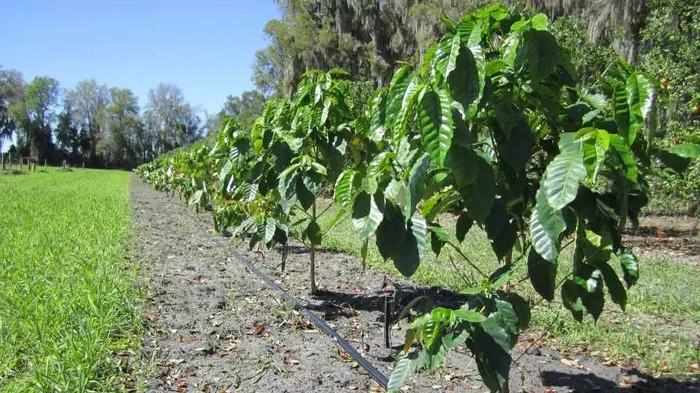
Can You Grow Coffee in Florida? Absolutely, but success depends on choosing the right spot and the right plant. Florida’s warm climate suits certain coffee varieties, especially in the southern half of the state. With proper care, consistent watering, and protection from rare cold snaps, you can enjoy homegrown beans right from your backyard.
Many gardeners wonder can you grow coffee in Florida, and the short answer is yes. The longer answer is that you need to match the plant to your microclimate, give it the right soil, and protect it from the occasional cold snap. Florida’s warm, humid weather creates a friendly environment for coffee, especially in the southern and central parts of the state. If you live farther north, you can still grow coffee in pots and move it inside when winter chill arrives.
Growing coffee at home is not just about harvesting beans. It is also about enjoying a beautiful, glossy shrub that looks great in a garden bed or a bright indoor corner. Coffee plants have deep green leaves, small white flowers that smell like jasmine, and colorful red cherries when they ripen. With steady care, you can turn a small plant into a productive little tree that gives you a taste of the tropics without leaving the state.
In this guide, you will learn what coffee needs to thrive in Florida, which varieties work best, and how to care for your plant from planting day to harvest. You will also find practical tips for soil, watering, pruning, and cold protection. By the end, you will know exactly how to start your own coffee patch and keep it healthy year after year.
Key Takeaways
- Climate matters most: Coffee thrives in warm, humid conditions, making South and Central Florida ideal for home growing.
- Choose the right variety: Dwarf and compact coffee plants handle container growing and indoor overwintering better in cooler zones.
- Soil and drainage are critical: Coffee needs rich, slightly acidic soil with excellent drainage to prevent root rot.
- Water consistently: Keep soil evenly moist but never soggy, especially during Florida’s hot, dry spells.
- Protect from cold: Cover plants or move containers indoors when temperatures drop below 40°F to avoid damage.
- Harvest at the right time: Pick bright red cherries when fully ripe for the best flavor and easier processing.
- Patience pays off: Coffee plants take a few years to mature, but steady care leads to a rewarding home harvest.
📑 Table of Contents
Understanding Florida’s Climate for Coffee
Coffee is a tropical plant, and Florida offers a climate that can support it in many regions. The key is warmth, humidity, and protection from strong winds. Coffee plants prefer steady temperatures between 60 and 80 degrees. They do not like sudden freezes, and they struggle when the air stays too dry for too long. South Florida’s mild winters and long growing season make it the easiest place to grow coffee outdoors. Central Florida also works well, especially if you choose a sheltered spot near a fence, wall, or hedge that blocks cold wind.
North Florida presents a bigger challenge because winter temperatures can dip lower and stay cold for longer periods. In those areas, container growing gives you more control. You can keep the plant outside during warm months and bring it indoors before the first frost. A bright window, a grow light, or a warm sunroom can keep the plant happy through the colder weeks. This flexible approach makes it possible to answer can you grow coffee in Florida with a confident yes, even if you do not live in the warmest zone.
Best Regions for Outdoor Coffee
The southern half of Florida offers the most reliable outdoor conditions. Areas with gentle winters, steady rainfall, and filtered sunlight create a strong foundation for coffee. Coastal spots often benefit from warmer nighttime temperatures, which helps coffee plants avoid stress. If you live in a cooler pocket, look for a sunny but protected location. A south-facing wall can reflect warmth and shield the plant from harsh winds.
Microclimates That Help Coffee Thrive
Small changes in your yard can make a big difference. Planting near a brick wall, under a high canopy that filters intense midday sun, or beside a water feature can create a gentler environment. Coffee likes bright light, but harsh afternoon sun can scorch the leaves. A spot with morning sun and light afternoon shade often works best. If your soil drains poorly, consider a raised bed or a large container to keep the roots healthy.
Quick Tip
Before planting, watch your yard for a few days. Notice where the sun lands, where cold air settles, and where the wind blows hardest. Choose the calmest, warmest spot you can find.
Choosing the Right Coffee Variety for Florida
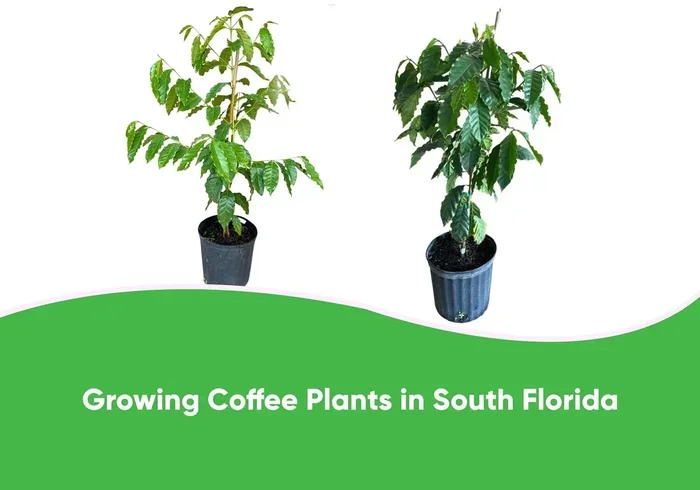
Not every coffee plant performs the same way in Florida. Some varieties grow taller and need more space, while others stay compact and adapt well to containers. If you are asking can you grow coffee in Florida and want the best chance of success, start with a variety that matches your space and your climate. The two most common types of coffee are Arabica and Robusta, but home gardeners usually focus on Arabica because it offers smoother flavor and grows well in home settings.
Visual guide about Coffee plants growing in Florida
Image source: everglades.farm
Within Arabica, there are several cultivars that gardeners like for their manageable size and reliable growth. Dwarf or compact selections are especially useful if you plan to keep the plant in a pot or if you live where winter protection is necessary. These plants tend to stay smaller, branch neatly, and produce well when given steady care. If you have plenty of room and live in a warm area, a standard Arabica plant can become a lovely small tree with abundant cherries.
Arabica vs. Robusta at a Glance
Arabica generally offers better flavor and a more delicate growth habit. It prefers consistent warmth and a bit of shade during the hottest part of the day. Robusta is tougher and more resistant to heat and pests, but it often produces a stronger, more bitter cup. For most home growers, Arabica is the better choice because it is easier to manage and more rewarding to process at home.
Dwarf and Compact Options
Compact coffee plants are ideal for patios, screened lanai spaces, and indoor growing. They fit neatly in large containers and are easier to move when cold weather arrives. They also work well for gardeners who want a manageable plant that does not overwhelm a small yard. If you are short on space, look for a dwarf variety and give it a deep pot with good drainage.
Common Mistake
Choosing a plant that is too large for your space can lead to constant pruning and stress. Match the variety to your available room, and you will spend less time fighting the plant and more time enjoying it.
Soil, Planting, and Drainage Basics
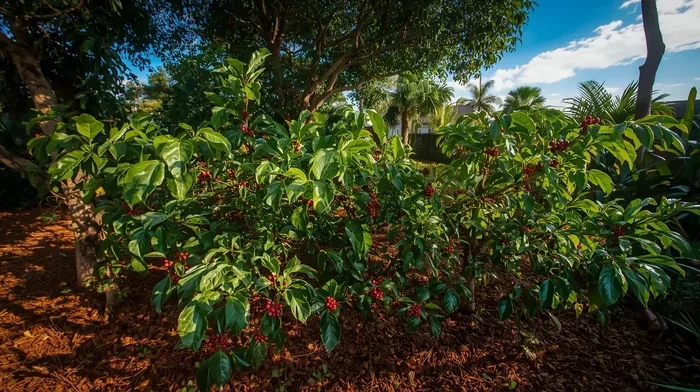
Coffee plants need soil that is rich, loose, and slightly acidic. They also need excellent drainage. Wet feet are one of the fastest ways to cause root problems, so heavy clay or soggy ground can be a real issue. If your native soil holds water, amend it with organic matter or plant in a raised bed. Many Florida gardeners find that a mix of quality potting soil, compost, and a bit of pine bark creates a friendly environment for coffee roots.
Visual guide about Coffee plants growing in Florida
Image source: leafyheaven.com
When you are ready to plant, dig a hole that is wide enough for the root ball and no deeper than the container the plant came in. Set the plant at the same level it was growing before, then fill in around it gently. Water well after planting to help the soil settle. If you are growing coffee in a container, choose a pot with drainage holes and use a lightweight, well-draining mix. A large pot gives the roots room to grow and helps the soil stay evenly moist without becoming waterlogged.
Getting the pH Right
Coffee prefers a slightly acidic soil, usually in the range of 6.0 to 6.5. Florida soils can vary widely, so it helps to test your soil if you are planting in the ground. If the pH is too high, you can lower it gradually with suitable soil amendments and organic matter. If you are using a container, start with a quality mix designed for acid-loving plants and adjust as needed over time.
Mulch and Moisture Retention
A layer of mulch helps keep the soil cool, reduces evaporation, and suppresses weeds. Organic mulch also breaks down slowly and improves soil structure. Keep the mulch a few inches away from the stem to prevent excess moisture around the base. In Florida’s heat, mulch is especially helpful for maintaining steady soil moisture between waterings.
Expert Insight
Healthy roots come from balance. Coffee does not want to dry out completely, but it also does not want to sit in standing water. Good drainage and consistent moisture are the real keys to strong growth.
Watering, Feeding, and Routine Care
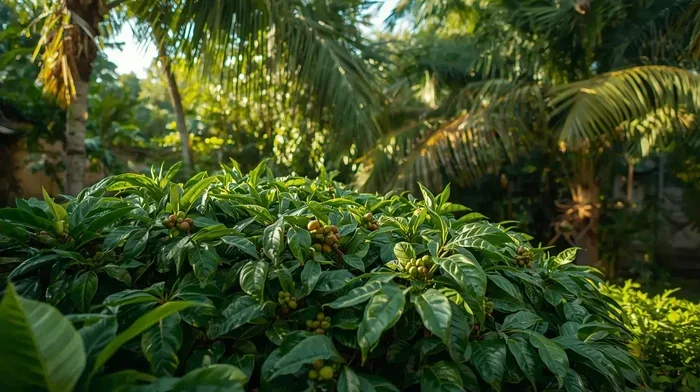
Watering is one of the most important parts of coffee care in Florida. The plant likes evenly moist soil, especially during warm, dry periods. Water deeply when the top layer of soil starts to dry, and make sure excess water can escape freely. In hot months, you may need to water more often, particularly if the plant is in a container. In cooler months, you can ease back a bit, but do not let the plant become bone dry for long stretches.
Visual guide about Coffee plants growing in Florida
Image source: leafyheaven.com
Feeding helps coffee grow steadily and produce healthy foliage. A balanced fertilizer designed for acid-loving plants can work well. Apply it according to the label directions during the active growing season, and avoid overfeeding. Too much fertilizer can burn the roots and create more harm than good. Organic options, such as compost and mild liquid feeds, can also support healthy growth without pushing the plant too hard.
Seasonal Care Adjustments
During the hottest part of summer, watch for leaf curl or drooping, which can signal heat stress or thirst. Move containers into lighter shade if the sun becomes too intense. In winter, reduce watering slightly and keep an eye on nighttime temperatures. If you expect a cold snap, water the plant before the temperature drops, since moist soil can help buffer roots better than dry soil.
Pruning for Shape and Airflow
Pruning helps keep coffee plants compact and encourages stronger branching. Remove dead or damaged stems, and trim back overly long growth if you want a bushier shape. Good airflow around the plant also helps reduce pest issues and keeps the foliage healthier. If you are growing coffee in a pot, light pruning can help the plant stay manageable and attractive.
Quick Tip
Check the soil with your finger before watering. If the top inch feels dry, it is usually time to water. If it still feels damp, wait a little longer.
Harvesting and Processing Homegrown Coffee
Harvest time is the rewarding payoff for all your care. Coffee cherries usually ripen gradually, so you may see green, yellow, and red cherries on the same plant at once. The best sign of ripeness is a deep red color and a slight softness when you gently squeeze the cherry. Pick the ripe ones carefully by hand, and leave the unripe cherries to mature a bit longer. If you are asking can you grow coffee in Florida for a usable home crop, patience matters because the plant produces in stages rather than all at once.
Once you have your cherries, you will need to remove the outer fruit and prepare the beans for drying. There are a few simple methods home growers use, including pulping the cherries, rinsing the beans, and drying them thoroughly before storage or roasting. Clean equipment and good airflow help prevent mold during drying. After the beans are dry, you can roast them in small batches and enjoy a cup that started in your own garden.
Signs of Ripe Cherries
Ripe cherries are usually bright red and firm but not hard. They should detach fairly easily when picked. If a cherry is still green or pale, leave it on the plant. Harvesting only the ripe fruit improves flavor and makes processing easier.
Simple Home Processing Steps
Start by removing the outer flesh of the cherry. Rinse the beans well to remove sticky residue. Then dry the beans in a warm, airy place until they are dry enough to store or roast. Keep them moving occasionally so they dry evenly. Once the beans are ready, you can roast them lightly or darkly depending on your taste preference.
Common Mistake
Rushing the drying process can lead to off flavors or storage problems. Dry the beans slowly and evenly, and make sure they are fully dry before you store them.
Pests, Diseases, and Cold Protection
Coffee plants are generally manageable in home gardens, but they can still face pests and stress. Common issues include aphids, scale, and mites, especially when plants are kept indoors or in crowded conditions. Good airflow, regular inspections, and prompt removal of problem leaves can help keep pests under control. If you notice persistent infestations, gentle treatment methods are usually best for a home plant.
Diseases often show up when moisture stays too high around the roots or when foliage remains wet for long periods. That is why drainage and careful watering matter so much. Root rot is one of the biggest risks in poorly drained soil. If your plant looks tired, drops leaves, or stops growing, check the soil moisture and drainage first. Often, the fix is as simple as improving the soil or reducing watering frequency.
Cold Weather Protection
Even in Florida, cold weather can appear unexpectedly. Coffee plants are sensitive to low temperatures, so it is smart to have a plan. For in-ground plants, cover them with frost cloth or a blanket when a freeze is forecast. For container plants, move them to a sheltered spot or indoors. A garage, sunroom, or bright window can provide temporary protection until the weather warms up again.
Indoor Overwintering Tips
If you bring your coffee plant inside, place it in the brightest spot you have. Reduce watering slightly, but do not let the plant dry out completely. Keep it away from cold drafts and heating vents that can dry the air too much. Once the weather improves, acclimate the plant slowly before moving it back outdoors so it adjusts without shock.
Expert Insight
Prevention is easier than cure. A well-drained soil, steady watering, and a little cold-weather planning will solve most coffee plant problems before they start.
Final Thoughts on Growing Coffee at Home
So, can you grow coffee in Florida? Yes, and it can be a deeply satisfying project. The state’s warmth and humidity give coffee a strong start, especially in South and Central Florida. With the right variety, good drainage, steady watering, and basic cold protection, you can grow a healthy plant that produces beautiful cherries. If you live in a cooler area, containers and indoor overwintering make the project even more flexible.
The best approach is to start simple. Pick a suitable spot, choose a plant that fits your space, and focus on consistent care rather than perfection. Coffee grows best when you give it a stable environment and pay attention to small changes in soil, water, and light. Over time, you will learn what your plant likes, and that knowledge will make each season easier.
Homegrown coffee is not just about the final cup. It is about the experience of nurturing a tropical plant in your own yard or home. Whether you want a decorative shrub, a fun gardening challenge, or a chance to roast your own beans, coffee can be a wonderful addition to your Florida garden.
Key Takeaways
- Warmth and drainage matter most: Give coffee a protected spot with rich, well-draining soil.
- Match the plant to your zone: Dwarf varieties work well in containers and cooler areas.
- Water evenly: Keep soil moist but never soggy, especially in heat.
- Watch for cold: Cover or move plants when temperatures drop.
- Harvest ripe cherries carefully: Red, fully ripe fruit gives the best result.
- Be patient: Coffee takes time, but steady care leads to a rewarding harvest.
Frequently Asked Questions
Can you grow coffee in Florida if you live in North Florida?
Yes, you can, but container growing is usually the safest option. North Florida can get colder in winter, so moving the plant indoors before a freeze gives it the best chance to stay healthy.
What kind of coffee plant grows best in Florida?
Arabica is the most popular choice for home growers because it offers better flavor and manageable growth. Compact or dwarf varieties are especially helpful if you have limited space or need to move the plant indoors.
How much sun does a coffee plant need in Florida?
Coffee likes bright light, but harsh midday sun can stress the leaves. Morning sun with some afternoon shade is often the best balance, especially in hotter parts of the state.
How often should I water coffee in Florida?
Water when the top layer of soil starts to dry, and make sure the pot or bed drains well. In hot weather, you may need to water more often, while cooler months usually call for less frequent watering.
When are coffee cherries ready to pick?
Cherries are ready when they turn deep red and feel slightly soft to the touch. It is best to harvest only the ripe fruit, since unripe cherries do not process well.
Can I grow coffee indoors year-round in Florida?
Yes, many gardeners keep coffee plants indoors, especially in winter or in smaller homes. A bright window or grow light, steady watering, and good airflow can help the plant stay healthy inside.