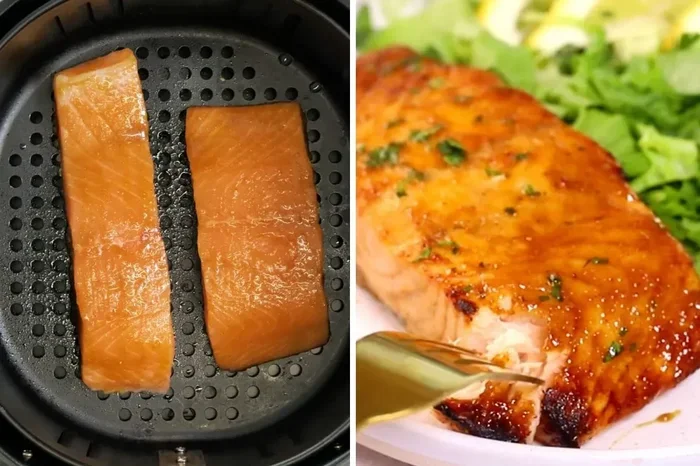
Heating salmon in the air fryer is fast, easy, and delivers restaurant-quality results at home. The exact timing depends on thickness, starting temperature, and your preferred doneness. This guide breaks down how long to heat salmon in the air fryer so you can serve perfectly cooked fish without guesswork. Follow these simple steps and enjoy juicy, flavorful meals in minutes.
Reheating or cooking salmon in the air fryer feels like a small kitchen hack with huge rewards. You get crisp edges, tender flesh, and a clean cleanup in very little time. If you have ever wondered how long to heat salmon in the air fryer, you are in the right place. The answer depends on a few simple factors, and once you learn them, the process becomes second nature.
Most home cooks reach for the oven or stovetop out of habit. Yet the air fryer moves hot air around the food with impressive speed. That rapid circulation cooks fish quickly and evenly when you handle the basics right. You do not need fancy tools or complicated steps. A little attention to temperature, thickness, and timing goes a long way.
This guide walks you through everything you need for reliable results. We cover fresh fillets, thawed pieces, and even frozen salmon when you are in a rush. You will see quick tips, common mistakes, and a simple comparison table. By the end, you will know exactly how long to heat salmon in the air fryer for your favorite style of doneness.
Key Takeaways
- Timing varies by thickness: Thin fillets need 3-5 minutes, while thicker cuts may take 6-9 minutes at 390°F.
- Start with cold or thawed fish: Heating frozen salmon directly requires extra time and often yields uneven results.
- Use a light oil spray: A quick mist keeps the surface moist and helps seasonings stick without adding heavy fat.
- Check internal temperature: Aim for 125-135°F for medium doneness, then let carryover cooking finish the job.
- Flip halfway through: Turning the fillet once promotes even heating and prevents dry edges.
- Avoid overcrowding: Cook in a single layer with space between pieces so hot air circulates properly.
- Rest before serving: A short 2-3 minute rest keeps juices inside and improves texture.
📑 Table of Contents
- Why The Air Fryer Works So Well For Salmon
- How Long To Heat Salmon In The Air Fryer: Timing By Thickness
- Best Temperature And Settings For Even Heating
- Step By Step: How Long To Heat Salmon In The Air Fryer
- Reheating Leftover Salmon Without Drying It Out
- Quick Comparison: Air Fryer Vs. Oven For Salmon
- Expert Insights And Key Takeaways
- Conclusion
Why The Air Fryer Works So Well For Salmon
The air fryer is basically a compact convection oven. It pushes heated air around the food at high speed. That moving air browns the surface quickly and cooks the inside with less fuss than a traditional pan. For salmon, this means you can get a lightly crisp exterior while keeping the center tender and juicy.
Another benefit is speed. A fillet that takes ten to fifteen minutes in a full-size oven often finishes faster in the air fryer. You also avoid heating a large appliance for a small meal. That saves time and energy, which matters on busy weeknights.
Cleanup stays simple too. Most air fryer baskets or trays wipe down quickly. If you use a light oil spray and keep the surface from sticking, you spend less time scrubbing and more time eating. That makes this method appealing for quick dinners and easy lunches.
Heat Circulation And Fish Texture
The fast airflow affects texture in a good way. It helps the outer layer firm up without drying the whole piece. That balance is important for salmon, which can turn dry if you overcook it. A short cook time with strong air movement gives you a pleasant contrast between the outside and the soft center.
You still need to watch the clock. The same airflow that creates nice browning can push the fish past the ideal doneness if you leave it in too long. Think of the air fryer as a helpful tool that rewards attention, not a set-it-and-forget-it machine. A quick check near the end keeps everything on track.
How Long To Heat Salmon In The Air Fryer: Timing By Thickness
The best answer to how long to heat salmon in the air fryer starts with thickness. A thin fillet cooks faster than a thick steak-like piece. Starting temperature matters too. Cold fish from the fridge needs a bit more time than a piece that has sat out briefly. Use these general ranges as a starting point, then adjust based on your model and preference.
- Thin fillets, about 1/2 inch: 3 to 5 minutes at 390°F
- Medium fillets, about 3/4 inch: 5 to 7 minutes at 390°F
- Thick cuts, 1 inch or more: 7 to 9 minutes at 390°F
- Pre-cooked or leftover salmon: 2 to 4 minutes at 350°F to warm gently
These ranges assume a single layer with space around each piece. If you stack fish or crowd the basket, the cook time changes and the results suffer. Give the hot air room to move, and you will get more consistent heating.
Fresh Vs. Thawed Vs. Frozen
Fresh or thawed salmon gives you the most control. You can see the color change and judge the texture more easily. Thawed fish also heats more evenly, so the timing stays predictable. If you start with frozen salmon, the exterior can brown before the center warms through. That is why thawing first usually delivers better results.
When you are short on time, you can cook from frozen, but plan for extra minutes and lower heat at the start. A gentler start helps the center catch up before the outside gets too dark. If you want a fuller guide on timing for frozen fish in this style of cooking, you can also check how to cook frozen fish in air fryer for more detail.
Preheating Matters
A quick preheat helps the basket reach the target temperature before the fish goes in. That short wait, often 2 to 3 minutes, reduces the guesswork. The fish starts cooking right away instead of sitting while the basket warms up. Preheating is especially useful when you want a light crisp on the outside.
If your air fryer model heats up fast, you may skip preheating for thin fillets. For thicker pieces, a brief preheat adds consistency. Either way, keep an eye on the fish near the end and pull it when it looks just set.
Best Temperature And Settings For Even Heating
Temperature controls how quickly the surface browns and how gently the center warms. For most salmon, a range around 375°F to 390°F works well. Higher heat gives you more browning in less time. Lower heat offers a softer finish and a bit more forgiveness. If you are reheating leftovers, a lower setting around 350°F keeps the fish from drying out.
Your air fryer model may run hot or cool compared with the dial setting. That is normal. Treat the numbers as a guide, then adjust based on your own results. After a couple of tries, you will learn how your machine behaves and can fine-tune the timing with confidence.
Choosing The Right Doneness
Some people like salmon very soft and glossy, while others prefer a firmer bite. Both styles work in the air fryer. For a softer center, stop earlier and let carryover cooking finish the job. For a firmer texture, add a minute or two and check the color. The flesh should turn opaque and flake gently when ready.
A small temperature check helps if you use a thermometer. Many cooks aim for an internal temperature in the mid-120s to mid-130s for a tender result. If you like it more set, go a bit higher. Remember that the temperature rises slightly after you remove the fish, so pull it just before it looks fully done.
Oil, Seasoning, And Moisture Balance
A light coating of oil helps the surface stay moist and lets seasoning stick. You do not need much. A quick spray or a small brush of oil is enough. Too much oil can create smoke and make the basket messy. Too little can leave the fish dry, especially at higher heat.
Season simply and evenly. Salt, pepper, lemon, and a touch of garlic powder work well. Fresh herbs like dill or parsley add brightness after cooking. If you want a stronger crust, a light dusting of spice can help. For ideas on cooking frozen asparagus alongside your fish, see how to cook frozen asparagus in an air fryer for a quick side dish option.
Step By Step: How Long To Heat Salmon In The Air Fryer
This simple method works for most fillets and keeps the process easy to repeat. Follow these steps, then adjust the time to match your thickness and taste.
- Pat the salmon dry with a paper towel. Dry surface equals better browning.
- Lightly spray or brush the fish with oil. Keep it thin and even.
- Season both sides with salt, pepper, and any spices you like.
- Place the fillet in the air fryer basket in a single layer. Leave space between pieces.
- Cook at 390°F for 3 to 5 minutes for thin fillets, or 5 to 7 minutes for medium ones.
- Flip once halfway through if your basket allows easy access.
- Check near the end. The flesh should look opaque and flake gently.
- Remove and rest for 2 to 3 minutes before serving.
That is the core routine. Once you memorize it, you can vary the seasonings and sides without changing the basics. The process stays quick, and the results stay consistent.
Quick Tips For Better Results
Here are a few small habits that make a big difference. They take almost no extra time and improve the final dish.
- Use parchment made for air fryers if you want easier cleanup, but keep it from blocking airflow.
- Add a slice of lemon on top during the last minute for a fresh finish.
- If the top browns too fast, lower the temperature slightly and add a minute.
- For a crisper edge, place the fish skin-side down first if the skin is intact.
- Avoid heavy sauces until after cooking, since wet coatings can slow browning.
Common Mistakes To Avoid
A few easy errors can dry out the fish or leave it underheated. Watch for these issues and adjust as needed.
- Overcrowding the basket: Pieces need room for air to move.
- Skipping the dryness step: Excess moisture slows browning.
- Using too much oil: Heavy spray can create smoke and mess.
- Ignoring thickness: One fixed time never fits every cut.
- Overcooking by habit: Pull the fish early and let carryover heat finish it.
Reheating Leftover Salmon Without Drying It Out
Leftover salmon needs a gentler touch than fresh fish. The goal is to warm it through without turning it rubbery. A lower temperature and a shorter time usually do the job. If you are wondering how long to heat salmon in the air fryer when it is already cooked, start with 2 to 4 minutes at 350°F and check early.
Cover the piece loosely with a small piece of foil if your air fryer tends to run hot. That simple step helps protect the surface. You can also add a tiny splash of liquid, such as broth or lemon juice, to keep the flesh moist. Reheating works best when the fish is stored well from the start, so keep leftovers in a sealed container and use them within a day or two.
Best Ways To Serve Reheated Fish
Warm salmon shines in simple dishes. Flake it into a salad, tuck it into a grain bowl, or serve it with roasted vegetables. A quick side can round out the meal without much effort. If you enjoy crunchy snacks alongside fish, you might like how to make pita chips in air fryer for a fast companion.
You can also use reheated fish in a sandwich or wrap. Add fresh greens, a spread, and a squeeze of citrus for a quick lunch. The key is to warm the fish just enough so it tastes good without losing its tender texture.
Quick Comparison: Air Fryer Vs. Oven For Salmon
Both appliances can cook salmon well, but they behave differently. This table gives a quick side-by-side look so you can choose the right tool for the moment.
| Factor | Air Fryer | Standard Oven |
|---|---|---|
| Speed | Fast, often 3 to 9 minutes | Slower, often 10 to 15 minutes |
| Preheat time | Short, about 2 to 3 minutes | Longer, often 10 to 15 minutes |
| Texture | Light crisp on the outside | Gentler, more even browning |
| Energy use | Lower for small portions | Higher for full-size heating |
| Best for | Quick fillets and reheating | Larger cuts and multiple servings |
| Watchfulness | Needs a closer eye near the end | More forgiving on timing |
The air fryer wins when you want speed and a bit of surface browning. The oven makes more sense for larger meals or when you want a softer, slower finish. Either way, the same principles apply: dry the fish, use a little oil, and check early.
Expert Insights And Key Takeaways
Experienced cooks treat salmon in the air fryer as a quick, repeatable routine. They focus on thickness, dryness, and a light oil coat. They also check the fish near the end instead of trusting the timer blindly. Those habits produce tender results with very little fuss.
If you are new to this method, start with a medium fillet and a simple seasoning. Note how your machine behaves and adjust from there. After a few tries, you will have a feel for how long to heat salmon in the air fryer in your own kitchen. That confidence makes weeknight meals easier and more enjoyable.
Key Takeaways
- Start with thickness: Thin fillets need less time, thick cuts need more.
- Keep it dry and lightly oiled: This balance improves browning and moisture.
- Check early and often: A quick look prevents overcooking.
- Use lower heat for leftovers: Gentle warming protects texture.
- Rest briefly before serving: A short pause keeps juices in place.
Conclusion
Knowing how long to heat salmon in the air fryer turns a simple piece of fish into a fast, satisfying meal. The right timing depends on thickness, starting temperature, and how firm you like the finished texture. With a little practice, you can dial in the perfect window for your favorite cuts and serve juicy results every time.
Remember the basics: dry the surface, use a light oil spray, leave space in the basket, and check early. Treat the timer as a guide, not a rule, and let your eyes and a gentle flake test help you decide. Once you get comfortable, you will reach for this method again and again for easy dinners and quick lunches.
Frequently Asked Questions
How long to heat salmon in the air fryer for a thin fillet?
For a thin fillet around 1/2 inch, start with 3 to 5 minutes at 390°F. Check early and pull it when the flesh turns opaque and flakes gently.
Can I cook frozen salmon directly in the air fryer?
Yes, but it usually needs extra time and a gentler start so the center warms before the outside browns too much. Thawing first gives more even results, but cooking from frozen works in a pinch.
What temperature is best for reheating leftover salmon?
A lower setting around 350°F works well for already cooked fish. Warm it for 2 to 4 minutes and check often so it stays tender instead of turning dry.
Should I flip salmon in the air fryer?
Flipping once halfway through can help the fish heat more evenly, especially if the basket allows easy access. If the piece is delicate, you can skip the flip and still get good results.
How do I keep salmon from drying out in the air fryer?
Pat the fish dry, use a light oil spray, and avoid overcooking. A short rest after cooking also helps keep the moisture inside the flesh.
Is the air fryer better than the oven for salmon?
The air fryer is usually faster and gives a light crisp on the outside, which many people enjoy. The oven is more forgiving for larger portions and softer browning, so the best choice depends on your meal.