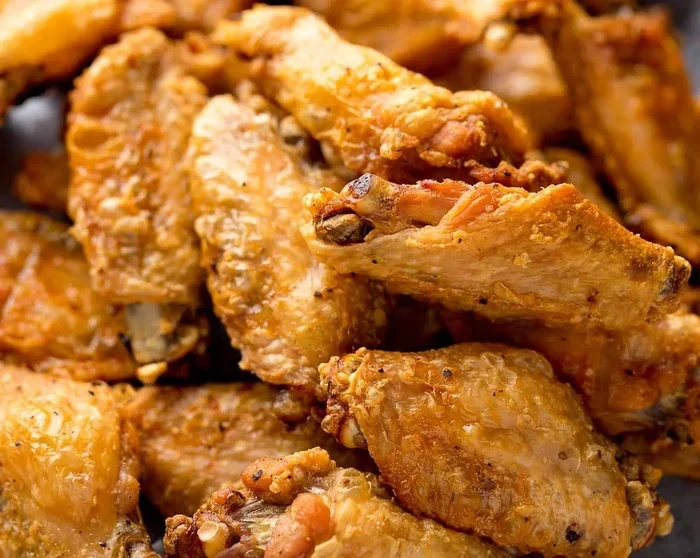
Reheating chicken wings in an air fryer is the best way to enjoy leftovers. You can keep them crispy on the outside and juicy on the inside with the right method. This guide shows you exactly how to reheat chicken wings in air fryer without drying it out. Follow these easy steps for perfect wings every time.
Everyone loves crispy chicken wings. They are perfect for game nights, parties, or a fun dinner. But what happens when you have leftovers? Cold wings are okay, but they rarely taste the same as fresh ones. The skin gets soggy and the meat feels dry. Nobody wants to eat rubbery poultry.
The good news is you can fix this. Your air fryer is the secret weapon. It circulates hot air to crisp up the skin again. Many people worry about drying out the meat during this process. However, with the right technique, you can enjoy leftover wings that taste almost fresh. This article explains everything you need to know.
We will cover temperature settings, timing, and helpful tricks. You will learn how to store them properly too. By the end, you will master how to reheat chicken wings in air fryer without drying it out. Let’s get started on making those leftovers delicious again.
Key Takeaways
- Preheat your air fryer: Warm it up to 350°F for even cooking.
- Use a light spray of oil: This helps restore crispiness without burning.
- Arrange wings in a single layer: Avoid overcrowding for proper airflow.
- Heat for 3-5 minutes: Check frequently to prevent drying out.
- Let them rest briefly: This keeps the juices inside the meat.
- Avoid high heat: Too much heat makes the meat tough and dry.
- Use a meat thermometer: Ensure internal temperature reaches 165°F.
📑 Table of Contents
Why Use an Air Fryer for Leftovers
An air fryer is not just for cooking raw food. It works great for warming up old meals. The main benefit is the circulating hot air. This mimics a convection oven but works faster. It helps remove moisture from the skin surface. This makes the coating crunchy again.
Other methods often fail with wings. A microwave makes the skin rubbery and chewy. It steams the food instead of crisping it. A regular oven takes a long time to preheat. It can also dry out the meat if you leave it in too long. The air fryer offers a perfect balance.
You get speed and texture in one machine. It is ideal for reheating fried food like wings. You do not need to add much oil either. The hot air does the work for you. This keeps the calorie count lower than frying again. It is a convenient kitchen hack for busy weeknights.
Comparing Reheating Methods
Not all heating methods are created equal. Some destroy the texture completely. Others take too much effort. Here is a quick look at how the air fryer stacks up against common options.
| Method | Texture Result | Time Required | Effort Level |
|---|---|---|---|
| Air Fryer | Crispy skin, juicy meat | 3-5 minutes | Low |
| Microwave | Soggy, rubbery skin | 1-2 minutes | Very Low |
| Oven | Dry skin, uneven heat | 10-15 minutes | Medium |
| Skillet | Crispy bottom, soft top | 5-7 minutes | High |
As you can see, the air fryer wins on texture and time. It is the superior choice for leftover chicken wings. You avoid the soggy mess of a microwave. You also skip the long wait of an oven. This makes it the top pick for quick meals.
Preparing Your Wings for Reheating
Success starts before you turn on the machine. Proper preparation ensures even heating. If you skip this step, some parts might burn while others stay cold. You want every wing to taste perfect. Here is how to get them ready.
Storage and Thawing Tips
How you store wings matters a lot. If they sit out too long, they become unsafe. Always put leftovers in the fridge within two hours. Use an airtight container to keep air away. This prevents them from drying out in storage.
If your wings are frozen, do not cook them yet. You need to thaw frozen chicken safely first. The best way is to move them to the fridge overnight. If you are in a hurry, use the defrost setting on a microwave. Never cook frozen wings directly in the air fryer for reheating. They will cook unevenly.
Arranging the Basket
Placement is key for airflow. You must arrange the wings in a single layer. Do not stack them on top of each other. Overcrowding blocks the hot air circulation. This leads to soggy spots on the wings.
If you have a lot of wings, cook them in batches. It takes a bit more time but the result is better. Leave a little space between each piece. This allows the hot air circulation to reach every side. Your wings will crisp up evenly this way.
Adding a Little Oil
Old wings often lose their natural fats. This makes the skin look dull. A light spray of oil can help restore the shine. It also helps the skin crisp up faster. Use a cooking spray with a high smoke point.
Do not drench them in oil. A light mist is enough. Too much oil can make the coating greasy. You want to enhance the texture, not ruin it. This simple step helps keep wings crispy during the heating process.
Step-by-Step Reheating Process
Now you are ready to cook. The process is simple but requires attention. Timing is the most critical part. Leaving them in too long causes dryness. Follow these steps for the best results.
Setting the Temperature
Temperature control is vital for reheating poultry safely. You want enough heat to crisp the skin but not cook the meat further. High heat can toughen the protein quickly. Low heat might not crisp the skin enough.
The sweet spot is around 350°F to 375°F. This temperature warms the inside without burning the outside. If your wings are very saucy, go slightly lower. Sugar in the sauce can burn at high heat. For plain wings, 375°F works well to restore crunch.
Timing and Checking
How long does it take? Usually, it takes about 3 to 5 minutes. However, this depends on the size of the wings. Larger wings need more time. Smaller drumettes heat up faster.
Check them halfway through the cycle. Shake the basket to rotate the wings. This ensures even heating on all sides. Use a meat thermometer to check the internal temperature. You want it to reach 165°F. Once they are hot, take them out immediately.
Here is a quick timing guide for different wing types:
- Plain wings: 3-4 minutes at 375°F
- Sauced wings: 4-5 minutes at 350°F
- Frozen wings (thawed): 4-5 minutes at 375°F
- Large jumbo wings: 5-6 minutes at 350°F
Resting the Meat
Do not eat them straight out of the basket. Let them rest for a minute or two. This allows the juices to redistribute. If you bite immediately, the juices might run out. This leads to drier meat.
Resting is a simple trick. It makes a big difference in moisture retention. Cover them loosely with foil if you need to keep them warm. This traps a little heat without steaming the skin. Now you know how to reheat chicken wings in air fryer without drying it out.
Tips for Maximum Crispiness
Everyone wants that perfect crunch. Sometimes wings come out soft even with an air fryer. There are extra tricks to boost the texture. These tips help you get restaurant-quality results at home.
Using Cooking Spray Effectively
As mentioned before, oil helps. But timing matters too. Spray the wings before they go in. You can also spray them halfway through cooking. This adds an extra layer of crispiness.
Use a neutral oil like canola or avocado. Olive oil might smoke at high heat. A light coating is all you need. It helps the skin brown nicely. This creates that desirable crispy texture everyone loves.
Avoiding Overcrowding
We mentioned this earlier, but it deserves more focus. Overcrowding is the number one reason for soggy wings. When wings touch, they steam each other. Steam kills crispiness.
Give each wing its own space. If your basket is small, cook in batches. It is better to wait than to eat soggy food. Proper airflow is the secret to air fryer cooking success. Never rush this step.
Preheating the Appliance
Preheating is often skipped. People want to save time. But a cold basket can lower the cooking temperature. This extends the cooking time unnecessarily.
Run the air fryer empty for 2-3 minutes before adding food. This gets the basket hot. When wings hit the hot surface, they start crisping immediately. This helps seal in the juices. It is a small step with big rewards.
Common Mistakes to Avoid
Even with good instructions, errors happen. Knowing what not to do is just as important. Avoid these common pitfalls to ensure perfect wings every time.
Using Too High Heat
Some people think higher heat means faster crisping. This is wrong. High heat burns the outside before the inside warms up. It also dries out the protein fibers.
Stick to the recommended temperature range. Patience yields better results. Low and slow works better for reheating. You want to warm the food, not cook it from raw. Respect the cooking temperature limits.
Ignoring Sauce Types
Not all sauces behave the same. BBQ sauce has sugar. Sugar burns quickly. If you have sauced wings, lower the heat. Check them more often.
Dry rubs are safer at higher heat. Wet sauces need more care. If you add sauce after reheating, you avoid this issue entirely. Consider reheating plain wings and adding sauce later. This gives you more control over the flavor.
Skipping the Thermometer
Guessing the temperature is risky. You might leave them in too long. Or you might take them out too early. A food thermometer removes the guesswork.
It ensures food safety too. Poultry must reach 165°F to be safe. Undercooked chicken is dangerous. Overcooked chicken is dry. A thermometer helps you find the perfect balance. It is a small tool for food safety and quality.
Storage and Safety Guidelines
Reheating is only half the battle. Storing them correctly prevents waste. It also keeps them safe to eat later. Follow these guidelines for best practices.
Refrigeration Rules
Leftovers should go into the fridge quickly. Bacteria grow rapidly at room temperature. Put wings in a sealed container within two hours. They will stay good for 3-4 days.
Keep them away from strong-smelling foods. Wings can absorb odors from onions or garlic. This changes the taste. A proper container protects the flavor. This ensures your leftover meal tastes fresh.
Freezing for Later
Can you freeze reheated wings? Yes, you can. But the texture might change slightly. Freeze them in a single layer first. Then put them in a freezer bag.
This prevents them from sticking together. When you are ready to eat, thaw them in the fridge. Then reheat them using the method above. Freezing is great for meal prep and saving food. Just expect a slight texture change.
Signs of Spoilage
Always check before eating. Look for strange colors or smells. If the meat feels slimy, throw it away. Do not risk your health for leftovers.
When in doubt, throw it out. It is not worth getting sick. Proper storage reduces this risk. Always label your containers with the date. This helps you track how old they are.
Expert Insights for Perfect Wings
We gathered some tips from kitchen experts. These insights can elevate your reheating game. Use them to impress your family or friends.
The Foil Trick
Some chefs suggest using a small piece of foil. Place it under the wings in the basket. This catches drips and prevents smoking. It also makes cleanup easier.
Just ensure the foil does not block airflow. Keep it small and tucked under the food. This is a handy trick for messy sauces. It keeps your appliance clean and functional.
Reviving Dry Wings
If your wings are already very dry, add moisture. A small cup of water in the basket can help. The steam keeps the meat moist. Do not let the water touch the wings.
This creates a humid environment. It prevents further drying during the heating process. Combine this with the oil spray for best results. It is a great save for older leftovers.
Serving Suggestions
Pair your wings with fresh sides. Celery and carrot sticks add crunch. A cool dip balances the heat. Ranch or blue cheese works well.
Fresh sides make the meal feel complete. They also add hydration to the dish. This complements the juicy chicken nicely. Presentation matters too. Serve them on a warm plate for the best experience.
Conclusion
Reheating leftovers does not have to be disappointing. You can enjoy crispy chicken wings again with the right method. The air fryer is the best tool for this job. It restores texture without excessive oil.
Remember to preheat your machine and avoid overcrowding. Use moderate heat and check the timing closely. These steps ensure you reheat chicken wings in air fryer without drying it out. With practice, you will perfect the timing for your specific appliance.
Enjoy your delicious leftovers safely. Follow these tips for the best results. Your next batch of wings will taste just as good as the first. Happy cooking and enjoy your meal.
Frequently Asked Questions
Can I reheat frozen chicken wings directly in the air fryer?
It is best to thaw them first for even heating. Cooking frozen wings directly can lead to uneven results and dry meat. Thaw them in the fridge overnight for the best texture.
What temperature should I use for sauced wings?
Use a lower temperature like 350°F for sauced wings. Sugar in the sauce can burn at higher heat. Check them frequently to prevent scorching the coating.
How do I keep the wings from sticking to the basket?
Lightly spray the basket with oil before adding the wings. You can also use parchment paper made for air fryers. This ensures easy cleanup and prevents sticking.
Is it safe to reheat wings more than once?
It is not recommended to reheat poultry multiple times. Each reheating cycle reduces quality and increases safety risks. Only reheat the amount you plan to eat immediately.
Why are my wings still soggy after reheating?
Sogginess usually comes from overcrowding the basket. Ensure there is space between each wing for air flow. You can also spray a little oil to help crisp the skin.
Can I add fresh sauce after reheating?
Yes, adding sauce after reheating is a great idea. It prevents the sauce from burning in the air fryer. This keeps the flavor fresh and the texture crispy.