
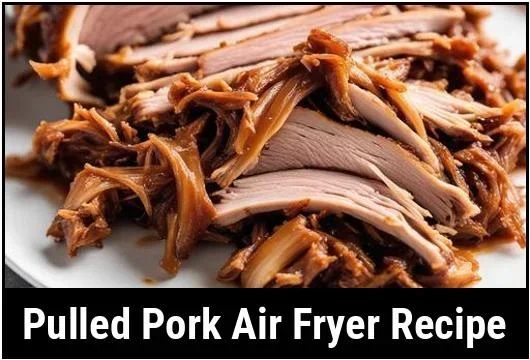
Reheating leftover barbecue can be tricky, but the air fryer makes it simple. You will learn the exact time and temperature needed for perfect results. This guide covers reheating pulled pork without drying it out. You will also discover tips for adding crispy edges to your meat. Follow these steps for a delicious meal in minutes.
Leftover barbecue is a gift. But nobody wants dry, tough meat. You want that tender texture you remember from day one. The air fryer is a powerful tool for this job. It circulates hot air quickly. This heats the food fast. It also helps crisp up the edges. Many people ask how long to reheat pulled pork in air fryer units. The answer depends on your portion. It also depends on your machine.
You do not need to be a chef. You just need simple steps. This guide will walk you through everything. We will cover temperature settings. We will talk about timing. You will learn how to keep the meat juicy and moist. We will also share tricks for crispy meat. By the end, you will feel confident. You can turn leftovers into a great meal. Let us get started on making your pulled pork taste fresh again.
Key Takeaways
- Optimal Temperature: Set your air fryer to 350°F for even warming without burning.
- Timing Matters: Heat pulled pork for 3 to 5 minutes depending on portion size.
- Moisture Retention: Add a splash of broth or sauce to keep the meat juicy.
- Crispy Texture: Spread the pork thinly to achieve crispy edges on the outside.
- Avoid Overcrowding: Cook in batches to ensure hot air circulates around the meat.
- Check Internal Temp: Aim for an internal temperature of 165°F for safety.
- Rest Before Serving: Let the meat sit for a minute after heating to redistribute juices.
📑 Table of Contents
Why Use an Air Fryer for Reheating
The air fryer is not just for frying. It is a small convection oven. It blows hot air around your food. This method is faster than a standard oven. It is also more efficient than a microwave. Microwaves often make meat rubbery. They heat water molecules too fast. This ruins the texture of the meat.
An air fryer gives you more control. You can get a nice sear on the edges. This adds a nice contrast to the soft interior. It is perfect for reheating BBQ dishes. You get the best of both worlds. You keep the moisture inside. You get the crispy exterior outside. Many home cooks prefer this method now.
Comparing Cooking Methods
Not all heating methods are equal. You should choose the right tool for the job. Here is a quick look at how they compare.
| Method | Time | Texture Result | Convenience |
|---|---|---|---|
| Air Fryer | 3-5 Minutes | Crispy edges, juicy inside | High |
| Microwave | 1-2 Minutes | Rubbery, soggy | Very High |
| Oven | 15-20 Minutes | Dry if overcooked | Low |
| Stovetop | 5-10 Minutes | Good control | Medium |
As you can see, the air fryer offers a great balance. It is fast like a microwave. But it gives better texture like an oven. This makes it the top choice for leftover pulled pork. You save time without sacrificing quality.
Preparing Your Pulled Pork
Preparation is key to success. You cannot just throw cold meat in the basket. You need to prep it right. This ensures even heating. It also helps retain moisture. Start by taking the pork out of the fridge. Let it sit for a few minutes. Cold meat takes longer to heat.
Adding Moisture
Pulled pork can dry out in the fridge. The fibers tighten up when cold. You need to loosen them up. Add a small amount of liquid. Apple juice or broth works well. You can also use leftover BBQ sauce. Mix it gently with the meat. Do not soak it completely. Just add enough to coat it. This creates steam inside the basket. The steam keeps the meat tender.
Portion Size
The cooking time depends on how much you heat. A single serving is different from a full batch. Spread the meat out in an even layer. Do not pile it too high. Hot air needs to reach all sides. If you overcrowd the basket, the center stays cold. It is better to cook in batches. This ensures every piece gets hot. You want consistent heat distribution.
Exact Time and Temperature Settings
This is the most important part. You need the right settings. Too hot and the outside burns. Too cool and it dries out. The sweet spot is usually 350 degrees Fahrenheit. This is hot enough to crisp. It is not hot enough to char quickly.
Recommended Settings
For most air fryer models, use these settings:
- Temperature: 350°F (175°C)
- Time: 3 to 5 minutes
- Shake: Shake the basket halfway through
If you have a larger portion, add more time. You might need up to 7 minutes. Always check the meat early. It is better to underheat than overheat. You can always add another minute. This is the best way to manage reheating time.
Adjusting for Thickness
Thick chunks take longer. Shredded meat heats faster. If your pork is in large chunks, reduce the temp. Try 320°F instead. Give it more time. This prevents the outside from burning. The inside needs to reach 165°F. Use a meat thermometer if you have one. Safety is important with leftover meat.
Step-by-Step Reheating Process
Now let us put it all together. Follow these steps for perfect results. You will have crispy pulled pork ready to eat.
Step 1: Preheat the Air Fryer
Preheating helps the process. It ensures the air is hot right away. Set your machine to 350°F. Let it run for 2 minutes. Some machines heat up fast. Others need a few minutes. Check your manual if unsure.
Step 2: Prepare the Basket
Lightly oil the basket. This prevents sticking. You can use a spray oil. Or use a little bit of broth. Place your prepared pork in the basket. Spread it out evenly. Do not stack it too high.
Step 3: Cook and Check
Insert the basket into the unit. Set the timer for 3 minutes. When the timer goes off, check the meat. Stir it with a fork. This moves the cold pieces to the outside. Add another 2 minutes if needed. Watch closely near the end.
Step 4: Add Sauce
You can add sauce before or after. Adding it before helps caramelize the sugars. This creates a sticky glaze. Adding it after keeps the sauce fresh. Try both ways to see what you like. For crispy meat, add sauce in the last minute.
Step 5: Rest and Serve
Take the pork out carefully. It will be very hot. Let it rest for one minute. This helps the juices settle. Then serve it on a bun. Add your favorite toppings. You now have a great BBQ sandwich.
Tips for Crispy Edges
Many people want crispy edges. This is where the air fryer shines. The circulating air dries the surface slightly. This creates a nice crust. Here is how to maximize that effect.
Spread It Thin
Do not bury the meat. Spread it across the bottom. A thin layer crisps faster. If it is too thick, it steams instead. Steaming makes the meat soft. You want dry heat for crispiness.
Use a Little Oil
A light spray of oil helps browning. It conducts the heat well. You do not need much. Just a quick mist is enough. This also prevents the meat from sticking. It adds a nice golden color to the pork.
Do Not Overcook
Crispy does not mean burnt. Watch the color closely. If it turns black, it is too late. Pull it out when it looks golden. The residual heat will finish the job. This keeps the texture perfect.
Common Mistakes to Avoid
Even simple tasks can go wrong. Avoid these common errors. They will save you from dry meat.
- Overcrowding the Basket: This blocks airflow. The meat steams instead of crisps.
- Skipping the Liquid: Dry pork becomes tough. Always add a splash of moisture.
- Using High Heat: 400°F is too hot for reheating. It burns the outside quickly.
- Ignoring the Timer: Set a timer. Do not walk away for too long.
- Not Shaking the Basket: Move the meat around. This ensures even heating.
Avoiding these mistakes makes a big difference. You will get consistent results every time. Your leftover BBQ will taste amazing.
Expert Insights on Reheating
I have tested many methods over the years. The air fryer is my top pick. It is versatile and fast. But you must respect the heat. Reheating meat is different than cooking raw meat. You are just warming it up. You do not need to cook it through.
Another tip is to use foil. You can make a small foil boat. This holds the meat together. It also makes cleanup easier. But do not cover it completely. You need the air to flow. Leave the top open. This is a great trick for small portions.
Also, think about your sides. Reheat your buns too. You can warm them in the air fryer. Just put them in for 1 minute. This makes the whole meal feel fresh. It is all about the complete experience.
Final Thoughts on Pulled Pork
You now know how long to reheat pulled pork in air fryer settings. It is a simple process. But it yields delicious results. You save money on leftovers. You also save time on cooking. There is no need to order out. Your kitchen can make this happen.
Remember the key points. Use 350°F. Cook for 3 to 5 minutes. Add moisture to keep it juicy. Spread it out for crispiness. Follow these steps and you will be happy. Enjoy your meal with confidence.
Frequently Asked Questions
Can I reheat frozen pulled pork in an air fryer?
Yes, you can reheat frozen pulled pork, but it takes longer. You should thaw it first for the best texture. If cooking from frozen, add extra time and check the internal temperature carefully.
What temperature is safe for reheated pork?
The safe internal temperature for reheated pork is 165°F. This ensures any bacteria are killed. Use a meat thermometer to check the center of the meat.
Should I add BBQ sauce before reheating?
It is best to add BBQ sauce in the last minute of cooking. This prevents the sugars from burning. You can also toss the meat in sauce after reheating for a fresher taste.
How do I keep the pork from drying out?
Add a small splash of broth, apple juice, or water before heating. This creates steam inside the basket. It helps keep the meat fibers moist and tender.
Can I reheat pork buns in the air fryer too?
Yes, you can warm your buns in the air fryer. Place them in for about 1 minute at 350°F. This makes them soft and warm without getting too crispy.
Why is my reheated pork tough?
Tough pork usually means it was overcooked or dried out. You might have used too high heat. Try lowering the temperature and adding more liquid next time.



