
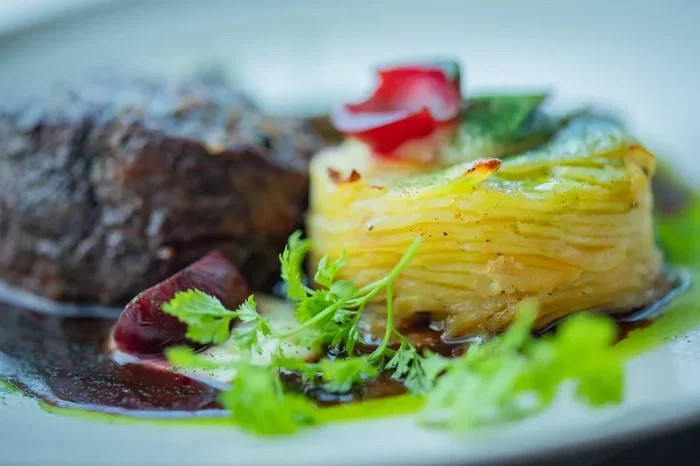
Master the art of cooking filet mignon with our comprehensive temp chart. Learn the ideal internal temperatures for your desired doneness, ensuring a tender and juicy steak every time.
Hello, steak lovers! Today, we’re diving into the tantalizing world of filet mignon and helping you master the perfect internal temperature for these elegant cuts. With our expert filet mignon internal temp chart, you’ll cook steaks that are tender, juicy, and full of flavor. Let’s get started!
Why Internal Temperature Matters
Cooking steak is an art form, and like any art, it requires practice and understanding. The internal temperature of your filet mignon determines its doneness and affects the texture and flavor significantly. By mastering the ideal internal temps, you’ll ensure that every bite is as delicious as it is tender.
Understanding Filet Mignon
Before we dive into the temp chart, let’s quickly discuss filet mignon. Also known as beef tenderloin, filet mignon is a cut from the short loin and sirloin, near the cow’s rear leg. It’s renowned for its mild flavor and tender texture, making it a favorite among steak enthusiasts.
The Perfect Filet Mignon Internal Temp Chart
Now that we’ve covered the basics, let’s explore our comprehensive filet mignon internal temp chart. Remember, these temperatures are measured using a reliable meat thermometer, inserted into the thickest part of the steak.
Key Takeaways
- Perfect cook: 125°F (52°C) for medium-rare
- Temperature myth: Carryover cooking is crucial
- Resting time: Let steaks rest for 5-10 minutes
- Safe consumption: 145°F (63°C) for medium-well
- Pan-searing vs. grilling: Both methods have pros and cons
- Thickness matters: Adjust cooking time for different thicknesses
📑 Table of Contents
Rare
Internal Temp: 120-125°F (49-52°C)
Description: Bright red, slightly firm, very soft, and chewy texture. Some may find it too raw or undercooked.
Cooking Time: 2-3 minutes per side (1/2-inch thick), adjust for thickness
Medium-Rare
Internal Temp: 130-135°F (54-57°C)
Description: Pinkish-red center, juicy, tender, and soft. This is the preferred doneness for many steak enthusiasts.
Cooking Time: 4-5 minutes per side (1/2-inch thick), adjust for thickness
Medium
Internal Temp: 140-145°F (60-63°C)
Description: Solid pink, less juicy, but still tender. This is a safe temperature for those who prefer their steak well-done.
Cooking Time: 6-7 minutes per side (1/2-inch thick), adjust for thickness
Medium-Well
Internal Temp: 155°F (69°C)
Description: Small amount of pink, slightly drier, but still reasonably tender.
Cooking Time: 8-9 minutes per side (1/2-inch thick), adjust for thickness
Well-Done
Internal Temp: 160°F (71°C)
Description: Grayish-brown, no pink, very dry, and less tender. Some may find this overcooked.
Cooking Time: 10-11 minutes per side (1/2-inch thick), adjust for thickness
The Carryover Cooking Effect
One critical aspect of cooking filet mignon is understanding carryover cooking. When you remove your steak from the heat, its internal temperature will continue to rise by about 5°F (3°C). To reach the perfect internal temp, pull your steak off the heat when it’s 5°F (3°C) below your desired doneness.
Resting Your Steak
After removing your steak from the heat, let it rest for 5-10 minutes. Resting allows the juices to redistribute throughout the steak, ensuring a more tender and flavorful final product. Remember, cutting into your steak before it rests will cause those precious juices to spill out, leaving you with a dry steak.
Pan-Searing vs. Grilling: Which is Better?
Both pan-searing and grilling can produce delicious results, but they have different strengths. Pan-searing creates a beautiful crust and is perfect for smaller cuts or when you want to add additional ingredients to the pan. Grilling, on the other hand, imparts a smoky flavor and is ideal for thicker cuts and outdoor cooking. Ultimately, the choice depends on your personal preference and the specific cut you’re working with.
Thickness Matters: Adjusting Cooking Times
The thickness of your filet mignon significantly impacts cooking time. For this temp chart, we’ve used a 1/2-inch thick steak as a baseline. If your steak is thicker or thinner, adjust the cooking time accordingly. A good rule of thumb is to add or subtract 1-2 minutes per side for every 1/4-inch difference in thickness.
Common Mistakes to Avoid
Overcooking
Filet mignon is a delicate cut, and overcooking can lead to a dry, tough steak. Be mindful of cooking times and use a meat thermometer to avoid overcooking.
Not Resting
Skipping the resting step can result in a less flavorful and drier steak. Always let your steak rest for 5-10 minutes before serving.
Using High Heat
Cooking filet mignon at high temperatures can cause the exterior to overcook while the interior remains raw. Opt for medium-high heat to ensure even cooking.
Expert Tips for Perfect Filet Mignon
Preheat Your Pan
Preheating your pan ensures even cooking and helps create a perfect sear. Place your pan over medium-high heat and allow it to heat up for 5-10 minutes before adding your steak.
Season Generously
A well-seasoned steak is a flavorful steak. Don’t be afraid to season your filet mignon generously with salt and pepper before cooking. You can also experiment with other spices and herbs for added flavor.
Use a Meat Thermometer
A reliable meat thermometer is your secret weapon for cooking the perfect filet mignon. Invest in a good quality thermometer and use it to ensure your steak reaches the ideal internal temperature.
Conclusion
There you have it, steak lovers! With our comprehensive filet mignon internal temp chart, you’re well on your way to cooking the perfect steak every time. Remember to consider carryover cooking, rest your steak, and experiment with different cooking methods to find what works best for you. Happy cooking!
Now that you’re a filet mignon pro, why not try your hand at cooking other cuts? Check out our article on [how to sharpen a filet knife](https://kitchenfact.com/how-to-sharpen-a-filet-knife/) to ensure you’re ready for any culinary challenge!
Frequently Asked Questions
**
What is the best temperature for filet mignon?
The best internal temperature for filet mignon is 125°F (52°C) for medium-rare, which offers a tender and juicy steak with a pink center.
Why is my filet mignon tough?
Filet mignon can become tough if overcooked or not rested properly. Always use a meat thermometer and let your steak rest for 5-10 minutes before serving.
How long should I cook filet mignon per side?
Cooking time varies depending on thickness, but for a 1/2-inch thick filet mignon, aim for 4-5 minutes per side for medium-rare.
Can you eat filet mignon rare?
Consuming rare or undercooked meat carries a risk of foodborne illnesses. The USDA recommends cooking steak to at least 145°F (63°C) for medium-well to ensure food safety.
What is the difference between filet mignon and ribeye?
Filet mignon is cut from the tenderloin, while ribeye comes from the rib section. Filet mignon is known for its tenderness, while ribeye is prized for its marbling and rich flavor.
How can I tell when my filet mignon is done without a thermometer?
While using a thermometer is the most accurate method, you can also judge doneness by pressing the steak with tongs. For rare, the steak will feel soft and spongy. For medium-rare, it will feel firmer and more resilient.



