
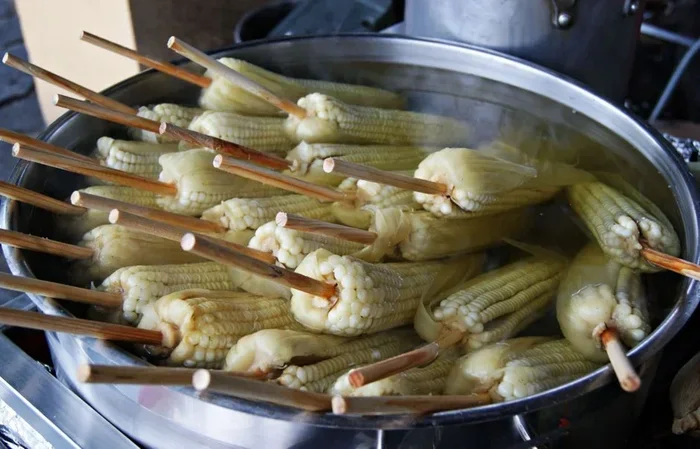
Is corn a vegetable? It’s a common question, but the answer might surprise you. While it’s often classified as one in the kitchen, botanically, corn is a grain. Dive in to learn more about this versatile crop’s true nature.
Is Corn a Veggie? The Surprising Truth About This Versatile Crop
When you think of vegetables, images of leafy greens, crunchy carrots, or crispy celery might come to mind. But what about corn? It’s a staple at summer barbecues, a key ingredient in Mexican cuisine, and even makes an appearance in breakfast cereals. So, is corn a vegetable? Let’s delve into the fascinating world of this versatile crop to find out.
A Botanical Perspective: Corn as a Grain
In the botanical world, corn is classified as a type of grass, more specifically a cereal grass. It belongs to the Poaceae family, which includes other grains like wheat, rice, and barley. From a scientific standpoint, corn is a grain because it grows on a stalk, has a hard outer shell, and contains a seed in the middle. This seed is what we typically eat, whether it’s boiled, grilled, or popped into a fluffy treat.
Corn plants are annuals, completing their life cycle in one growing season. They can grow up to 10 feet tall, with stalks that bear long, narrow leaves and tassels at the top that produce pollen. The female flowers at the base of the stalk develop into ears of corn, which contain the seeds we consume.
The Culinary Classification: Corn as a Vegetable
While botanically corn is a grain, in the kitchen, it’s often categorized as a vegetable. This is primarily due to its culinary uses. Corn is typically served as part of savory meals, such as salads, stews, and side dishes, alongside other vegetables and proteins. It’s also commonly used in vegetable-based dishes like succotash or corn chowder.
Moreover, corn is often grouped with other vegetables in meal plans and dietary recommendations. For instance, the USDA’s MyPlate program includes corn in the “Vegetables” category, suggesting that people should aim for at least 2.5 cups of vegetables per day, with corn counting towards that goal.
Nutritional Powerhouse
Regardless of its botanical or culinary classification, there’s no denying that corn is a nutritional powerhouse. A 1-cup serving of cooked corn kernels provides:
– Fiber: 2.4 grams
– Protein: 5.4 grams
– Vitamin C: 12% of the Daily Value (DV)
– Vitamin A: 8% DV
– Folate: 10% DV
– Magnesium: 6% DV
– Phosphorus: 8% DV
Corn is also low in fat and calories, making it an excellent choice for those watching their weight or managing their cholesterol levels. Additionally, corn contains antioxidants like lutein and zeaxanthin, which are essential for eye health.
Corn’s Versatility in the Kitchen
One of the reasons corn is so widely enjoyed is its incredible versatility. Here are some ways you can incorporate corn into your meals:
1. Fresh off the cob: Grill, boil, or roast ears of corn and enjoy them plain or with your favorite toppings, such as butter, salt, pepper, lime juice, or chili powder.
2. Canned or frozen corn kernels: Use these convenience products in salads, soups, stews, and casseroles for added sweetness and crunch.
3. Cornmeal: Grind dried corn kernels into meal, which can be used to make cornbread, muffins, pancakes, and even polenta.
4. Popcorn: Air-popped popcorn is a low-calorie, high-fiber snack. Experiment with various seasonings to create your perfect treat.
5. Corn-based beverages: From corn-based whiskeys to horchata, a sweet rice drink that often includes cornmeal, there are plenty of tasty libations to explore.
A Brief History of Corn
Corn is one of the world’s oldest domesticated crops, with evidence of its cultivation dating back to around 7,000 BC in Mexico. Over time, it spread throughout the Americas, becoming a staple food for many indigenous populations. Today, corn is grown on every continent except Antarctica, with the United States being the top producer.
Throughout history, corn has played a vital role in various cultures’ cuisines, economies, and even spiritual practices. For instance, the Native American Iroquois people believed that corn, along with beans and squash, was a gift from the gods to sustain humanity.
Genetically Modified Corn (GMO)
A significant portion of the world’s corn crop is genetically modified, primarily to express traits that make it more resistant to pests, diseases, and herbicides. According to the USDA, in 2020, 89% of the corn planted in the United States was genetically engineered.
While genetically modified organisms (GMOs) are a contentious topic, it’s essential to understand that the scientific consensus is that currently approved GMOs are safe to consume. However, it’s always a good idea to be informed about the food you eat and choose products that align with your personal values and preferences.
Common Myths and Misconceptions About Corn
1. All corn is high in sugar: While sweet corn is indeed high in sugar, field corn, which is primarily used for animal feed, ethanol production, and other industrial purposes, has a much lower sugar content.
2. Corn is always yellow: While yellow corn is the most common, corn can come in various colors, including white, blue, red, purple, and even black.
3. Corn doesn’t grow in cold climates: While many varieties of corn do prefer warmer temperatures, there are also cold-hardy varieties that can thrive in cooler regions.
Corn Allergies and Intolerances
Although rare, some people may experience allergic reactions to corn or have difficulty digesting it. Corn allergies can cause symptoms such as itching, hives, difficulty breathing, and, in severe cases, anaphylaxis. Those with celiac disease or gluten intolerance may also need to avoid corn, as it contains a protein called zein that can trigger symptoms in some individuals.
If you suspect you have a corn allergy or intolerance, it’s essential to consult with a healthcare professional for proper diagnosis and guidance on managing your diet.
Quick Tips for Enjoying Corn
1. Choose organic: Opt for organic corn when possible to minimize exposure to pesticides and other chemicals.
2. Eat the rainbow: In addition to the classic yellow corn, try other colors and varieties to maximize your nutrient intake.
3. Freeze for later: Fresh corn can be frozen on the cob or as kernels for later use in soups, stews, and casseroles.
4. Experiment with global flavors: Try incorporating corn into dishes inspired by different cuisines, such as Mexican street corn, Indian corn and lentil soup, or Italian corn and zucchini fritters.
Common Mistakes to Avoid When Working with Corn
1. Overcooking: Overcooked corn can become mushy and lose its sweet flavor. Be sure to cook corn just until tender.
2. Not unhusking properly: To ensure even cooking and prevent any unwanted surprises, make sure to remove all the silk and husks from ears of corn before cooking.
3. Ignoring ears with damaged kernels: Kernels that are discolored, shriveled, or have a spotted texture should be avoided, as they may indicate that the corn is past its prime or contaminated with mold.
Expert Insights: The Future of Corn
As the global population continues to grow, so too does the demand for food. Corn plays a crucial role in feeding people, animals, and even cars, as a primary ingredient in biofuels. To meet these growing demands, researchers are exploring new ways to improve corn yields, enhance its nutritional profile, and make it more sustainable.
Some exciting developments in the world of corn research include:
1. Genome editing: Using tools like CRISPR-Cas9, scientists can make precise changes to a plant’s DNA, allowing them to create crops with desirable traits, such as improved drought tolerance or enhanced nutrient content.
2. Sustainable agriculture: As concerns about climate change and environmental degradation grow, so too does the need for more sustainable farming practices. Researchers are exploring ways to optimize corn production while minimizing its environmental impact, such as through reduced tillage, integrated pest management, and improved soil health.
3. Non-food uses: Corn is already used in a wide range of products, from paper to plastic to clothing. As our understanding of this versatile crop continues to grow, so too will the number of innovative applications for corn-based materials.
Key Takeaways
Corn is a fascinating and versatile crop with a long history of nourishing people and cultures around the world. While botanically it is a grain, in the kitchen, it is often categorized as a vegetable. Regardless of its classification, there’s no denying that corn is a nutritional powerhouse, packed with fiber, vitamins, and minerals. Its incredible versatility makes it an excellent addition to countless dishes, from fresh off the cob to popcorn and even cornmeal-based baked goods.
Conclusion: Embrace the Versatility of Corn
So, is corn a vegetable? The answer, as with many things in life, is complex and depends on your perspective. Botanically, it is a grain, but in the kitchen, it is often treated as a vegetable. Ultimately, the classification of corn doesn’t change the fact that it is a delicious, nutritious, and versatile crop that has played a crucial role in the diets and cultures of people throughout history.
As you explore the many ways to enjoy corn, don’t be afraid to think outside the box and try new recipes, flavors, and preparations. Whether you’re a fan of sweet corn on the cob, savory corn chowder, or salty popcorn, there’s a world of culinary possibilities waiting for you. So go ahead, embrace the versatility of corn, and happy cooking!
Key Takeaways
- Botanical Perspective: Corn is biologically a grain, classified as a type of grass.
- Culinary Classification: In the kitchen, corn is typically considered a vegetable due to its use in savory dishes.
- Nutritional Profile: Corn is packed with fiber, vitamins, and minerals, making it a healthy addition to any diet.
- Versatility: Corn can be enjoyed in numerous ways, from fresh off the cob to popcorn and even cornmeal for baking.
- Corn’s History: This ancient crop has been cultivated for thousands of years, playing a vital role in many cultures’ cuisines and economies.
- Genetically Modified Corn (GMO): A significant portion of corn worldwide is genetically modified for various traits, including herbicide resistance and insect protection.
Frequently Asked Questions
**
Is corn the same as maize?
Yes, corn and maize are interchangeable terms for the same plant, Zea mays. The term “corn” is more commonly used in North America, while “maize” is more prevalent in other English-speaking countries and scientific literature.
How many kernels are on an ear of corn?
The number of kernels on an ear of corn can vary depending on the variety and growing conditions. On average, a standard-sized ear of corn has about 800 kernels arranged in 16 rows.
Can corn be consumed raw?
While it’s possible to consume raw corn, especially when it’s very fresh and sweet, some people may experience digestive discomfort due to the plant’s natural tough fibers. Cooking helps to break down these fibers, making the corn easier to digest.
Can corn be frozen for later use?
Yes, corn can be frozen for later use. To freeze corn on the cob, husk and blanch the ears for a few minutes, then allow them to cool before freezing. For corn kernels, simply spread them in a single layer on a baking sheet, freeze until solid, then transfer to an airtight container or freezer bag.
Is canned corn as nutritious as fresh corn?
While canned corn is still a nutritious option, it may not be as high in some vitamins and antioxidants as fresh corn. Canning involves heat processing, which can cause some nutrient loss. However, canned corn is still a convenient and practical choice, especially when fresh corn is out of season.
What is the difference between dent corn and sweet corn?
Dent corn and sweet corn are two main varieties of corn, each with distinct characteristics and uses. Dent corn is primarily used for animal feed, ethanol production, and other industrial purposes. It has a hard, starchy kernel that “dents” when mature. Sweet corn, on the other hand, is grown for human consumption and has a softer, sweeter kernel that is typically eaten fresh or processed into products like canned corn or cornmeal.



