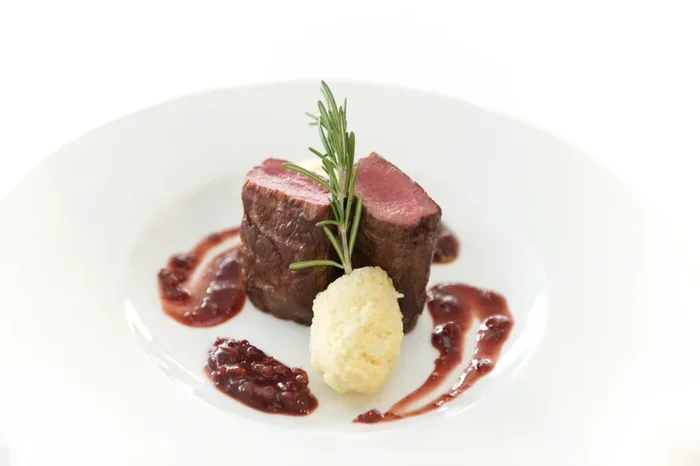
Master filet mignon cook time with this detailed chart. Whether you prefer rare or well-done, we’ve got you covered. Upgrade your steak game today!
Introduction
Ever wondered how to achieve that perfectly cooked, tender, and juicy filet mignon? The secret lies in understanding the ideal cooking time for your desired doneness. In this comprehensive guide, we’ll provide you with a detailed filet mignon cook time chart to help you elevate your steak dinner every time. Let’s dive in and master the art of cooking filet mignon!
Understanding Filet Mignon Cook Time
Before we get started, it’s essential to understand that cooking times may vary depending on factors such as steak thickness, pan temperature, and your preferred level of doneness. To ensure consistent results, we recommend using a reliable meat thermometer. Now, let’s explore the ideal cooking times for filet mignon at different doneness levels.
Filet Mignon Cook Time Chart*
Thickness: 1 inch
| Doneness | Cook Time (minutes per side) | Internal Temperature (°F) |
| — | — | — |
| Rare | 2-3 | 125°F (52°C) |
| Medium Rare | 4-5 | 135°F (57°C) |
| Medium | 6-8 | 145°F (63°C) |
| Medium Well | 9-11 | 155°F (69°C) |
| Well Done | 12-14 | 160°F (71°C) |
Cooking Filet Mignon: Step-by-Step
1. Preheat your pan: Place a heavy-duty skillet or cast-iron pan over high heat and allow it to get piping hot. This ensures even cooking and prevents the steak from sticking.
2. Season your steak: Pat your filet mignon dry with a paper towel, then season both sides generously with salt and freshly ground black pepper. You can also marinate your steak before cooking to enhance its flavor.
3. Sear the steak: Add a small amount of oil with a high smoke point, such as canola, grapeseed, or avocado oil, to your preheated pan. Once shimmering, place your steak in the pan. Cook for the recommended time based on your desired doneness (refer to the chart above). Flip the steak once halfway through the cooking time.
4. Baste (optional): For added flavor, you can baste your steak during the last minute of cooking. Add a knob of butter, minced garlic, and fresh herbs like thyme or rosemary to the pan. Spoon the melted butter and aromatics over the steak continuously until it’s fully coated.
5. Rest your steak: Once your steak has reached the desired internal temperature, remove it from the pan and transfer it to a cutting board or plate. Let it rest for half the cooking time to allow the juices to redistribute throughout the steak.
6. Slice and serve: After resting, slice your filet mignon against the grain using a sharp knife. This helps to break up the muscle fibers, making the steak more tender and easier to chew. Serve your perfectly cooked filet mignon with your favorite sides and enjoy!
H3 Tips for Achieving Perfect Filet Mignon Cook Time
Use high heat: Cooking filet mignon over high heat helps to develop a beautiful sear and lock in moisture.
Avoid overcooking: Be mindful of the cooking time, as filet mignon can become tough if overcooked. Use a meat thermometer to ensure accurate cooking times.
Let it come to room temperature: Before cooking, allow your filet mignon to sit at room temperature for about 20-30 minutes. This helps the steak cook more evenly.
Use a heavy-duty skillet: A heavy-duty skillet or cast-iron pan provides even heat distribution and helps create a perfect sear.
Pre-slice your steak (optional): For easier serving, you can slice your filet mignon before cooking. This also helps the steak cook more evenly since the surface area is larger.
H3 Common Mistakes to Avoid When Cooking Filet Mignon
Not using a meat thermometer: Relying solely on cooking times can lead to inconsistent results. Always use a meat thermometer for accurate cooking times.
Overcrowding the pan: Cooking too many steaks at once can lead to reduced heat and uneven cooking. Cook steaks in batches if necessary.
Flipping too often: Constantly flipping your steak can prevent it from developing a nice sear and may lead to uneven cooking. Flip your steak only once halfway through the cooking time.
Skipping the resting step: Resting your steak allows the juices to redistribute throughout the meat, ensuring a more tender and flavorful steak. Don’t skip this crucial step!
H2 Expert Insights: Filet Mignon Cooking Techniques
Reverse Searing
Reverse searing involves cooking your filet mignon at a low temperature in the oven before finishing it off in a hot skillet. This method helps to ensure a perfectly even cook and a beautiful sear. Here’s how to reverse sear your filet mignon:
1. Preheat your oven to 275°F (135°C).
2. Season your filet mignon with salt and pepper, then place it on a wire rack set over a baking sheet.
3. Cook the steak in the oven until it reaches an internal temperature of 125°F (52°C) for rare or 130°F (54°C) for medium-rare.
4. Remove the steak from the oven and let it rest for a few minutes.
5. Preheat a cast-iron skillet or heavy-duty pan over high heat. Add a small amount of oil with a high smoke point.
6. Sear the steak for 1-2 minutes on each side or until it reaches your desired level of doneness.
7. Rest the steak for an additional 5-10 minutes before slicing and serving.
Sous Vide Cooking
Sous vide cooking involves vacuum-sealing your filet mignon and cooking it in a water bath at a precise, consistent temperature. This method ensures perfectly even cooking and helps to lock in moisture. Here’s how to cook filet mignon sous vide:
1. Preheat your sous vide machine to your desired internal temperature (e.g., 125°F/52°C for rare, 135°F/57°C for medium-rare).
2. Season your filet mignon with salt and pepper, then place it in a vacuum-sealed bag.
3. Submerge the bag in the water bath and cook for the recommended time based on your desired doneness and steak thickness (refer to the chart above).
4. Once cooked, remove the steak from the bag and pat it dry with a paper towel.
5. Preheat a cast-iron skillet or heavy-duty pan over high heat. Add a small amount of oil with a high smoke point.
6. Sear the steak for 1-2 minutes on each side or until it reaches your desired level of doneness.
7. Rest the steak for an additional 5-10 minutes before slicing and serving.
Conclusion
Cooking the perfect filet mignon is an art that requires patience and practice. By understanding the ideal cooking times and following our comprehensive guide, you’ll be well on your way to creating tender, juicy, and perfectly cooked steaks every time. Don’t hesitate to experiment with different cooking techniques and seasonings to find your perfect steak recipe. Happy cooking!
**
Key Takeaways
- Temperature matters: Use a meat thermometer for accurate results.
- Rare to well-done: Cook times vary from 6 to 12 minutes per side.
- Resting is crucial: Let your steak sit for half its cooking time before serving.
- Thickness counts: Adjust cooking times based on steak thickness.
- Preheat your pan: Ensure even cooking by starting with a hot pan.
- Let it marinate: Enhance flavor by marinating your filet mignon before cooking.
[FEATURED_IMAGE_PLACEHOLDER]
Frequently Asked Questions
Q: How long do I need to cook filet mignon for medium-rare?
A: For a 1-inch thick filet mignon, cook it for 4-5 minutes per side for medium-rare. Use a meat thermometer to ensure the internal temperature reaches 135°F (57°C).
Q: Why is it important to rest my steak?
A: Resting your steak allows the juices to redistribute throughout the meat, ensuring a more tender and flavorful steak. It also helps to stabilize the internal temperature.
Q: Can I cook filet mignon in the oven?
A: Yes, you can cook filet mignon in the oven using the reverse searing method or by starting it in the oven and finishing it on the stove. Preheat your oven to 400°F (200°C) and cook the steak for about 8-10 minutes for medium-rare, then finish it off in a hot skillet.
Q: Why does my filet mignon stick to the pan?
A: Steak can stick to the pan if it’s not hot enough or if you don’t use enough oil. Make sure your pan is well-oiled and preheated before adding the steak. Also, avoid moving the steak around too much once it’s in the pan.
Q: Can I cook filet mignon from frozen?
A: It’s not recommended to cook filet mignon from frozen. Thaw the steak in the refrigerator overnight before cooking for the best results.
Q: How do I store leftover filet mignon?
**
A: Store leftover filet mignon in an airtight container in the refrigerator for up to 3 days. Reheat gently in a low oven or on the stove to maintain its tenderness.