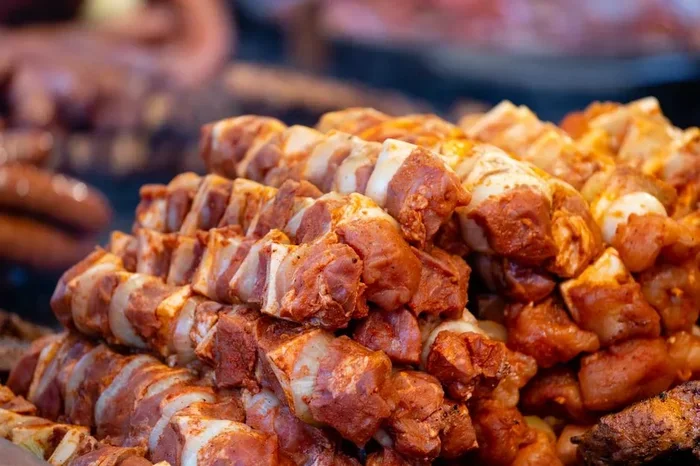
Elevate your pork dishes with the best overnight pork marinade recipes. These easy, time-saving marinades infuse your meat with incredible flavor and ensure tenderness.
## Introduction
Ever wondered how to transform simple pork into a succulent, mouthwatering masterpiece? The secret lies in marinating – and the best results come from an overnight pork marinade. Diving into the world of marinades is an exciting journey that opens up a realm of flavors, ensuring tender, juicy pork every time. In this comprehensive guide, we’ll explore the best overnight pork marinade recipes, share expert tips, and help you become a pork marination maestro.
## Understanding Pork Marinades
Marinades are liquid mixtures that enhance the flavor and tenderness of meat. They typically consist of an acid, oil, and aromatics. Overnight marination allows these components to penetrate the pork, breaking down tough fibers and infusing deep, rich flavors. Moreover, marinating helps lock in moisture, ensuring your pork remains juicy even after cooking.
### Acids in Marinades
Acids, such as lemon juice, vinegar, or wine, are crucial components of marinades. They work by denaturing proteins, which tenderizes the meat and helps flavors penetrate deeper. To balance the acidity, always include oil in your marinade.
### Oil in Marinades
Oil serves multiple purposes in marinades. It acts as a carrier for flavors, helps with tenderization, and prevents the meat from drying out during cooking. Opt for neutral-flavored oils like vegetable, canola, or grapeseed oil for versatile usage.
### Aromatics in Marinades
Aromatics, including garlic, onions, herbs, and spices, provide the flavor foundation of your marinade. Choose ingredients that complement the cut of pork and your preferred cooking method.
## The Best Overnight Pork Marinade Recipes
Now that we understand the science behind marinades, it’s time to dive into some delicious overnight pork marinade recipes. Remember, the key to a great marinade is balancing flavors and allowing it sufficient time to work its magic.
### 1. Classic Italian Pork Marinade
This classic Italian-inspired marinade combines tangy vinegar, fragrant herbs, and garlic for a robust flavor. It’s perfect for pork chops or tenderloins.
Ingredients:
– 1/4 cup olive oil
– 1/4 cup red wine vinegar
– 4 cloves garlic, minced
– 1 tsp dried oregano
– 1 tsp dried basil
– 1 tsp salt
– 1/2 tsp black pepper
– 2 lbs (900g) pork chops or tenderloins
Instructions:
1. In a bowl, whisk together oil, vinegar, garlic, oregano, basil, salt, and pepper.
2. Place pork in a resealable plastic bag or a non-reactive bowl.
3. Pour the marinade over the pork, ensuring it’s well coated.
4. Seal the bag or cover the bowl and refrigerate for at least 8 hours, or preferably overnight.
### 2. Asian-Inspired Soy Ginger Marinade
For a taste of the Orient, try this soy ginger marinade. It’s packed with umami goodness and works beautifully on pork roasts or chops.
Ingredients:
– 1/2 cup soy sauce
– 1/4 cup mirin (or rice vinegar)
– 2 tbsp honey
– 2 tbsp grated ginger
– 2 cloves garlic, minced
– 1 tbsp sesame oil
– 2 lbs (900g) boneless pork roast or chops
Instructions:
1. In a bowl, combine soy sauce, mirin, honey, ginger, garlic, and sesame oil.
2. Place pork in a resealable plastic bag or a non-reactive bowl.
3. Pour the marinade over the pork, ensuring it’s well coated.
4. Seal the bag or cover the bowl and refrigerate for at least 8 hours, or preferably overnight.
### 3. Sweet and Spicy Jerk-Style Marinade
Craving some Caribbean heat? This sweet and spicy jerk-style marinade will set your taste buds alight. It’s fantastic for pork tenderloins or chops.
Ingredients:
– 1/4 cup olive oil
– 1/4 cup apple cider vinegar
– 2 tbsp soy sauce
– 2 tbsp honey
– 1 Scotch bonnet pepper, seeded and minced (adjust to taste)
– 2 cloves garlic, minced
– 1 tbsp grated fresh ginger
– 1 tsp allspice
– 1 tsp thyme
– 1 tsp cinnamon
– 1/2 tsp nutmeg
– 2 lbs (900g) pork tenderloins or chops
Instructions:
1. In a bowl, whisk together oil, vinegar, soy sauce, honey, Scotch bonnet pepper, garlic, ginger, allspice, thyme, cinnamon, and nutmeg.
2. Place pork in a resealable plastic bag or a non-reactive bowl.
3. Pour the marinade over the pork, ensuring it’s well coated.
4. Seal the bag or cover the bowl and refrigerate for at least 8 hours, or preferably overnight.
## Expert Tips for Marinating Pork
1. Use non-reactive containers: Avoid using reactive materials like aluminum or cast iron, as they can react with the acid in your marinade, altering the flavor and potentially causing discoloration.
2. Marinate in the refrigerator: Always marinate your pork in the refrigerator to prevent bacterial growth. Keep it in a sealed container or bag to avoid cross-contamination.
3. Avoid over-marinating: While marinating is beneficial, too much of a good thing can lead to mushy, discolored meat. Stick to the recommended marinating time, typically 4 to 24 hours for pork.
4. Pat dry before cooking: Before cooking, remove the pork from the marinade and pat it dry with paper towels. This helps achieve a better sear and prevents excess acid from affecting the cooking process.
5. Reserve marinade for cooking: Don’t reuse the marinade for basting or serving, as it may contain bacteria from the raw meat. Instead, cook it down to create a safe, flavorful sauce.
6. Adjust seasonings: Don’t be afraid to experiment with different herbs, spices, and aromatics to create your perfect marinade. Start with a basic recipe, then adjust it to suit your tastes.
7. Consider the cut: Different cuts of pork require different marinating times. Tender cuts like pork chops or tenderloins may only need 4 to 6 hours, while tougher cuts like pork roasts benefit from a longer marinade.
## Cooking Your Marinated Pork
Now that your pork is marinated and ready to go, it’s time to cook it to perfection. Here are some popular cooking methods for marinated pork:
– Grilling: Preheat your grill to medium-high heat, then cook pork chops or tenderloins for 4 to 5 minutes per side, or until the internal temperature reaches 145°F (63°C). For roasts, grill for 15 to 25 minutes per pound, turning occasionally.
– Pan-searing: Heat a cast-iron or oven-safe skillet over medium-high heat. Sear pork chops or tenderloins for 2 to 3 minutes per side, then finish cooking in the oven at 375°F (190°C) for 10 to 15 minutes, or until the internal temperature reaches 145°F (63°C).
– Roasting: Preheat your oven to 350°F (180°C). Place the marinated pork roast in a roasting pan and cook for 20 to 30 minutes per pound, or until the internal temperature reaches 145°F (63°C).
## Quick Tips for Success
– Marinate in advance: Prepare your marinade and pork the night before, so all you have to do is cook it the next day.
– Use a meat thermometer: Ensure your pork is cooked to a safe internal temperature by using a meat thermometer.
– Rest before serving: After cooking, let your pork rest for 5 to 10 minutes before slicing and serving. This allows the juices to redistribute throughout the meat.
## Common Mistakes to Avoid
– Over-marinating: As mentioned earlier, over-marinating can lead to mushy, discolored meat. Stick to the recommended marinating time.
– Using a fork to turn the meat: Poking the meat with a fork before cooking can cause the juices to escape, leading to dry pork. Instead, use tongs or a spatula to flip the meat.
– Cooking at too high a temperature: Cooking pork at too high a temperature can lead to dry, tough meat. Opt for medium or medium-high heat instead.
## Expert Insights*
“Marinating is an excellent way to add flavor and tenderness to pork. However, it’s essential to balance the acidity in your marinade with oil to prevent the meat from becoming too tough. Additionally, consider the cut of pork and adjust the marinating time accordingly.”
– Chef Alex Stupak, renowned chef and owner of Empellón restaurants
## Conclusion
The best overnight pork marinade recipes are the key to transforming ordinary pork into extraordinary dishes. By understanding the science behind marinades and experimenting with different flavors, you can create tender, juicy, and incredibly delicious pork every time. So go ahead, try these recipes, and enjoy the journey of discovery that is pork marination.
*
Key Takeaways
- Variety of flavors: Explore diverse marinade options, from sweet and tangy to spicy and savory.
- Tender meat: Overnight marination breaks down tough fibers, resulting in tender pork.
- Time-saving: Prepare your marinade the night before, then cook your pork the next day.
- Versatile usage: Use these marinades for pork chops, tenderloins, or roasts.
- Customization: Easily adjust seasonings to suit your preferences.
- Storage tips: Store marinated pork in the refrigerator to maintain freshness.
[FEATURED_IMAGE_PLACEHOLDER]
Frequently Asked Questions
How long should I marinate pork?
Marinate pork for at least 4 hours, but no more than 24 hours. Tender cuts like chops or tenderloins may only need 4 to 6 hours, while tougher cuts like roasts benefit from a longer marinade.
Can I reuse the marinade for basting?
No, it’s not safe to reuse marinade for basting or serving, as it may contain bacteria from the raw meat. Instead, cook it down to create a safe, flavorful sauce.
What’s the best way to store marinated pork?
Store marinated pork in a sealed container or resealable plastic bag in the refrigerator. Keep it away from other foods to prevent cross-contamination.
Can I freeze marinated pork?
Yes, you can freeze marinated pork for up to 2 months. Thaw it overnight in the refrigerator before cooking.
What’s the safe internal temperature for pork?
The safe internal temperature for pork is 145°F (63°C). Use a meat thermometer to ensure your pork is cooked to this temperature.
Why did my pork turn grey after marinating?
**
Pork can turn grey due to the reaction between the acid in your marinade and the proteins in the meat. This is primarily a cosmetic issue and doesn’t affect the taste or safety of the pork. To minimize discoloration, add a small amount of acid-neutralizing ingredient like baking soda or yogurt to your marinade.