
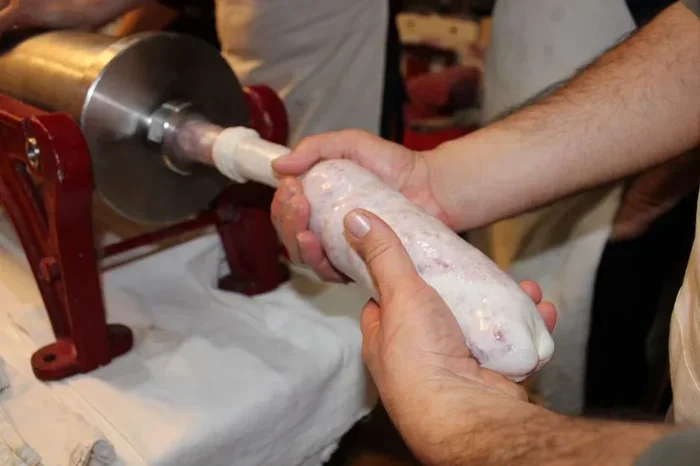
Master Meat Grinding: The Ultimate Guide teaches you how to use a meat grinder like a pro. Learn techniques, maintenance, and more for perfect ground meat every time!
Welcome to Master Meat Grinding
Ever wondered how to achieve that perfect, homemade burger patty or meatball texture? The secret lies in mastering the art of meat grinding. In this comprehensive guide, we’ll walk you through the process, from selecting the right grinder to cleaning and maintaining your tool. Let’s dive in!
Understanding Meat Grinders
Before we begin, let’s familiarize ourselves with meat grinders. They come in various types: manual, electric, and attachment grinders. Electric grinders are the most common, offering convenience and speed. Today, we’ll focus on using electric meat grinders.
Safety First: Setting Up Your Grinder
1. Secure the Grinder: Place the grinder on a stable, flat surface. For added stability, you can clamp it to the counter or use a grinder with built-in suction cups.
2. Plug It In: Plug in the grinder, but don’t turn it on just yet.
3. Keep Hands Away: Never put your hands near the cutting area while the grinder is on. Always use the attached food pusher or a spoon to feed the grinder.
Selecting the Right Blade
Meat grinders come with interchangeable plates or blades, allowing you to customize the grind. Here’s what each does:
– Coarse Blade: Ideal for chunky meat dishes like chili or tacos.
– Medium Blade: Perfect for meatloaf, meatballs, and burgers.
– Fine Blade: Great for sausages or when you want a very smooth grind.
Preparing Your Meat
For the best results, follow these steps when preparing your meat:
1. Chill the Meat: Keep your meat cold to prevent it from getting mushy. Freezing it for 30-60 minutes before grinding is ideal.
2. Cut into Cubes: Trim any excess fat or gristle, then cut the meat into 1-inch cubes. Smaller pieces will feed through the grinder more smoothly.
3. Season (Optional): If you’re adding any seasoning, do so now. Make sure it’s well mixed before grinding.
Grinding Meat: The Basics
Now that you’ve prepared your meat and selected the right blade, it’s time to start grinding.
1. Turn It On: With the grinder secured and your hands safely away, turn it on and let it run for a few seconds to warm up.
2. Feed the Grinder: Using the food pusher or a spoon, slowly feed the meat into the grinder’s funnel. Don’t overload the grinder; feed it a steady, slow stream of meat.
3. Catch the Ground Meat: Place a bowl or plate under the grinder’s exit to catch the ground meat. If you’re making sausages, have your casings ready.
Mastering Meat Grinding Techniques
For the best results, experiment with these techniques:
– Mixing Meats: Combine different cuts or types of meat for added flavor and texture. For example, mix pork shoulder with belly for a delicious breakfast sausage.
– Partial Freeze: For very lean meats, partially freezing them before grinding helps prevent the meat from becoming too mushy.
– Chilling with Additives: If you’re adding ingredients like breadcrumbs or eggs, make sure to chill them as well to prevent the meat from getting too warm.
Cleaning and Maintaining Your Grinder
Cleaning your grinder immediately after use is crucial to prevent bacteria growth. Here’s how to do it:
1. Unplug and Disassemble: Unplug the grinder and let it rest for a few minutes before disassembling it.
2. Clean the Parts: Use warm, soapy water to clean the grinder’s parts. For tougher grime, use a brush or scrape it off with a spatula.
3. Sharpen Blades (if needed): Over time, blades can become dull. Use a sharpening steel or stone to keep them in top shape. For electric grinders with permanent blades, follow the manufacturer’s instructions.
4. Dry and Store: Thoroughly dry all parts before storing the grinder. Keep it in a cool, dry place, away from moisture and direct sunlight.
Exploring Beyond Meat
While meat grinders are designed for, well, meat, they can also handle other ingredients. Give these a try:
– Vegetables: Grind carrots, zucchini, or potatoes for homemade baby food, soups, or even vegetable burgers.
– Cheese: Grind hard or soft cheeses for quick and easy preparation of cheese sauces, soups, or pasta dishes.
– Breadcrumbs: Grind stale bread for fresh breadcrumbs to use in meatballs, meatloaf, or as a coating for fried foods.
Avoiding Common Mistakes
To ensure you get the best results, avoid these common mistakes:
– Overfilling: Don’t overload the grinder. Feed it meat slowly and steadily.
– Grinding Too Fast: Rushing the process can lead to uneven grinding and mushy meat.
– Mixing Meats Without Chilling: Adding unchilled ingredients like breadcrumbs or eggs can cause your meat to get too warm, leading to a mushy texture.
– Forgetting to Clean: Always clean your grinder immediately after use to prevent bacteria growth and keep it in good working order.
Conclusion: Mastering Meat Grinding
Mastering the art of meat grinding opens up a world of culinary possibilities. From perfect burgers to delicious sausages, your newfound skills will elevate your dishes and impress your family and friends. So, grab your grinder, and let’s get cooking!
Key Takeaways
- Safety First: Always secure the grinder, keep hands away from cutting areas, and unplug before cleaning.
- Choose the Right Blade: Select the right plate for your desired grind: coarse, medium, or fine.
- Feed Meat Correctly: Cut meat into 1-inch cubes, keep it cold, and feed it to the grinder slowly.
- Maintain Your Grinder: Clean thoroughly after each use, sharpen blades when needed, and store properly.
- Use for More Than Meat: Grind vegetables, cheese, and even breadcrumbs for various recipes.
- Avoid Common Mistakes: Don’t overfill, grind too fast, or mix meats with additives without proper chilling.
[FEATURED_IMAGE_PLACEHOLDER]
Frequently Asked Questions
**
What’s the difference between a meat grinder and a food processor?
A meat grinder uses rotating blades to force meat through a fixed plate, creating a consistent grind. A food processor chops and pulverizes meat using spinning blades, resulting in a less uniform texture.
Can I use a meat grinder to make sausages?
Yes, many meat grinders come with sausage attachment kits that allow you to stuff ground meat into casings. If your grinder doesn’t have one, you can purchase a separate sausage stuffer.
How do I clean a meat grinder with hard-to-remove grime?
For tough grime, use a mixture of equal parts white vinegar and warm water to soak the parts for 15-20 minutes. Then, scrub them with a brush or scrape off the grime with a spatula. Rinse well and dry thoroughly.
Can I use a meat grinder to make hamburger patties?
Yes, grinding your own meat for hamburger patties ensures you have complete control over the ingredients and texture. Simply grind the meat, mix in any desired seasonings, and form the patties by hand.
Why is it important to chill the meat before grinding?
Chilling the meat helps prevent it from getting mushy during the grinding process. This results in a better texture and more evenly ground meat.
Can I use a meat grinder to make my own dog food?
Yes, many pet owners use meat grinders to make homemade dog food. However, it’s essential to consult with a vet or pet nutritionist to ensure you’re providing a balanced diet for your dog.



