
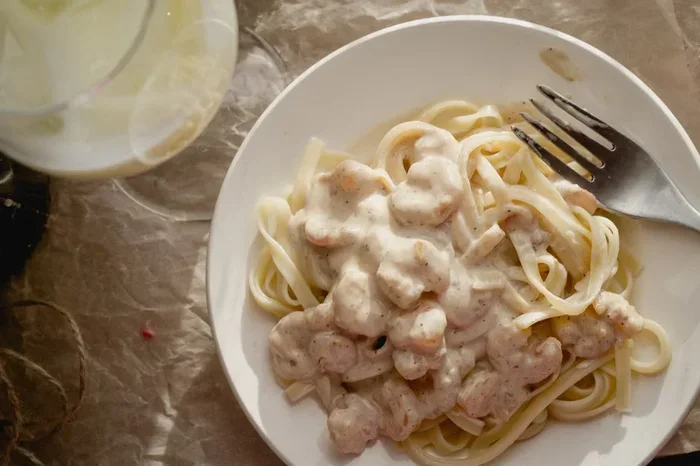
The best homemade alfredo sauce recipe is simpler than you think. With just butter, heavy cream, and parmesan cheese, you can create a rich, velvety sauce that beats any store-bought version. This guide walks you through every step so you can make a creamy alfredo sauce that tastes like it came from a professional kitchen.
There is something deeply satisfying about a warm bowl of pasta coated in a silky, rich alfredo sauce recipe that you made yourself from scratch. Many people think that creating a restaurant-quality cream sauce at home requires fancy techniques or hard-to-find ingredients. The truth is, a homemade alfredo sauce needs just a handful of simple pantry staples and a little patience.
Whether you are a complete beginner in the kitchen or someone looking to upgrade your go-to pasta night, this guide covers everything you need. You will learn the exact ingredients, step-by-step instructions, and helpful tips that guarantee a smooth, delicious cream sauce recipe every single time. Let us dive in and make the best alfredo sauce you have ever tasted.
Key Takeaways
- Only 4 ingredients needed: Butter, heavy cream, parmesan cheese, and garlic make a classic alfredo sauce.
- Low and slow is the key: Gentle heat prevents the sauce from splitting or becoming grainy.
- Fresh parmesan makes a difference: Pre-grated cheese contains anti-caking agents that affect texture.
- Adjust to your taste: Add nutmeg, pepper, or herbs to customize your sauce.
- Pairs with many dishes: This sauce works beautifully with fettuccine, chicken, and vegetables.
- Store it properly: Homemade alfredo sauce keeps in the fridge for up to 5 days.
📑 Table of Contents
Why Homemade Alfredo Sauce Beats Store-Bought
Before we get into the recipe, let us talk about why making your own sauce matters. Store-bought alfredo sauces often contain preservatives, artificial flavors, and excess sodium. When you make it at home, you control every single ingredient. The result is a rich and creamy sauce with a fresh, clean taste that store-bought versions simply cannot match.
A homemade alfredo sauce recipe also allows you to adjust the consistency, seasoning, and richness to suit your personal preference. Some people like it thick and clingy. Others prefer a lighter, more pourable sauce. When you make it yourself, the choice is entirely yours.
The Flavor Difference Is Night and Day
Once you taste a freshly made alfredo sauce, you will never go back to the jarred kind. The butter melts into the cream and creates a smooth base. The parmesan melts into that base and adds a salty, nutty depth. Garlic brings a gentle warmth that ties everything together. It is a simple but powerful combination of flavors.
Many people also notice that homemade alfredo sauce does not leave that greasy aftertaste that canned versions sometimes have. That is because you are using real butter and real cream, not modified food starch or palm oil. The quality of your ingredients directly shapes the quality of your sauce.
Ingredients You Will Need
One of the best things about a homemade alfredo sauce recipe is how few ingredients it requires. You probably already have most of them in your kitchen right now. Here is what you need to gather before you start:
- Unsalted butter (4 tablespoons) — This forms the flavorful base of the sauce. Using unsalted butter gives you control over the salt level.
- Garlic (3-4 cloves, minced) — Fresh garlic provides a fragrant, savory depth. Garlic powder works in a pinch but fresh is always better.
- Heavy cream (1 cup) — This creates the rich, velvety texture that defines alfredo sauce. Do not substitute with milk or half-and-half.
- Parmesan cheese (1 cup, freshly grated) — Freshly grated parmesan melts smoothly and adds a sharp, salty flavor. Pre-grated cheese contains fillers that can make your sauce grainy.
- Salt and black pepper — To taste. Start with a small amount and adjust as you go.
- Nutmeg (a pinch, optional) — This is a classic Italian secret that adds warmth without being identifiable.
Why Each Ingredient Matters
Every ingredient in this alfredo sauce recipe plays a specific role. The butter provides fat and richness. The heavy cream adds body and smoothness. The parmesan brings flavor and helps thicken the sauce as it melts. Garlic adds a savory backbone that elevates the entire dish. When you understand the role of each ingredient, you can troubleshoot more easily if something goes wrong.
For example, if your sauce turns out too thin, you may not have cooked it long enough for the parmesan to fully incorporate. If it tastes flat, you may need more salt or a bit more garlic. Understanding these connections makes you a better cook over time.
Step-by-Step Instructions
Making a homemade alfredo sauce recipe is straightforward, but technique matters. Follow these steps carefully for the best results.
Step 1: Melt the Butter
Place a medium saucepan over low heat. Add the four tablespoons of unsalted butter and let it melt completely. Do not let the butter brown or sizzle. You want it gentle and melted. Low heat is your best friend here. Butter burns easily, and burnt butter will ruin the flavor of your entire sauce.
Step 2: Cook the Garlic
Once the butter is melted, add your minced garlic. Stir it constantly for about 30 seconds to one minute. You want the garlic to become fragrant and slightly softened. Do not let it turn brown. Burnt garlic turns bitter and will throw off the balance of your creamy pasta dishes.
Step 3: Add the Heavy Cream
Pour the heavy cream into the saucepan with the butter and garlic. Stir to combine. Increase the heat to medium-low and let the cream warm up gently. You are not boiling the cream. You are simply heating it through. Stir occasionally to prevent a skin from forming on the surface.
Step 4: Add the Parmesan
Reduce the heat to low. Begin adding the freshly grated parmesan cheese, a handful at a time. Stir continuously after each addition. This slow incorporation is the secret to a smooth alfredo sauce without any lumps. The cheese melts into the warm cream and creates that signature silky texture.
Step 5: Season and Adjust
Once all the parmesan has been added and the sauce is smooth, season with salt, black pepper, and a pinch of nutmeg if using. Taste the sauce and adjust the seasoning. If it feels too thick, stir in a splash of pasta water or a little more cream. If it is too thin, let it simmer gently for another minute or two.
Step 6: Toss with Pasta
Cook your fettuccine or preferred pasta according to package directions. Reserve about one cup of pasta water before draining. Add the hot pasta directly into the saucepan with the sauce. Toss everything together over low heat for one to two minutes. The starch from the pasta water helps the sauce cling to each noodle beautifully.
Pro Tip: Never rinse your pasta before tossing it with the sauce. The surface starch is what helps the alfredo sauce recipe adhere to the noodles. Rinsing washes away that starch and leaves you with a thinner, less flavorful coating.
Common Mistakes to Avoid
Even a simple alfredo sauce recipe can go wrong if you make common mistakes. Here are the pitfalls to watch out for:
- Using pre-grated parmesan: This is the number one mistake. Pre-grated cheese contains cellulose and anti-caking agents that prevent it from melting smoothly. Your sauce will end up grainy and clumpy. Always grate your own parmesan from a block.
- Using too high heat: High heat causes the cream to separate and the butter to brown. Keep the heat low to medium-low throughout the process. Patience is the key to a perfect cream sauce recipe.
- Adding cheese too fast: Dumping all the parmesan at once creates lumps that are very difficult to smooth out. Add it gradually and stir constantly.
- Not enough salt: Parmesan is salty, but it may not be enough on its own. Taste the sauce at the end and adjust the seasoning generously.
- Overcooking the garlic: Garlic goes from golden to burnt in seconds. Keep a close eye on it and stir constantly.
How to Fix a Broken Sauce
If your sauce does split or become grainy, do not panic. You can often fix it. Remove the sauce from the heat and let it cool slightly. Then whisk in a tablespoon of cold cream or a small piece of cold butter. The sudden temperature change can help the fats re-emulsify. Alternatively, blend the sauce with an immersion blender for a few seconds to restore its smooth texture.
Serving Suggestions and Pairings
The classic way to serve homemade alfredo sauce is tossed with fettuccine pasta. This pairing is iconic for a reason. The wide noodles hold the sauce beautifully, and the rich cream complements the mild flavor of the pasta perfectly. But do not stop there. A homemade alfredo sauce recipe is incredibly versatile.
Try it as a base for a baked pasta dish. Layer it with cooked chicken, spinach, and mozzarella, then bake until bubbly. Or use it as a dipping sauce for breadsticks at your next dinner party. The possibilities are endless.
If you love exploring different pasta recipes, check out 19 Classic Alfredo Pasta Recipes Everyone Loves for more inspiring ways to use this creamy base. You will find creative variations that take your alfredo game to the next level.
Creamy Pasta Dishes to Try Tonight
Beyond the classic fettuccine alfredo, here are some delicious ideas for using your homemade sauce:
- Chicken Alfredo: Add grilled or pan-seared chicken strips to your pasta for a protein-packed meal. The rich cheese sauce pairs wonderfully with tender chicken.
- Alfredo with Roasted Vegetables: Toss roasted broccoli, zucchini, or sun-dried tomatoes into the sauce for a colorful, nutritious twist.
- Stuffed Shells: Use the alfredo sauce as the base for jumbo stuffed shells filled with ricotta and spinach.
- Alfredo Pizza: Use the sauce as a pizza base instead of traditional tomato sauce. Top with chicken, bacon, and extra parmesan for a decadent treat.
For more creamy pasta inspiration, explore 14 Boursin Cheese Pasta Recipe That’s Creamy Rich. It uses a similar approach with a different cheese for a unique flavor profile.
Storing and Reheating Your Sauce
A homemade alfredo sauce recipe makes more than enough for one meal, which is great because you can store the leftovers. Here is how to handle your extra sauce properly:
- Refrigerator storage: Store the cooled sauce in an airtight container for up to 5 days. The sauce may thicken as it sits. This is normal. Simply reheat over low heat and stir in a splash of cream or pasta water to restore the consistency.
- Freezer storage: You can freeze alfredo sauce for up to 3 months. However, the texture may change slightly after freezing. The cream can separate a bit when reheated. To minimize this, thaw the sauce overnight in the refrigerator and reheat gently while stirring constantly.
- Reheating tips: Always reheat on low heat. High heat can cause the cream to curdle. Stir frequently and add small amounts of cream if the sauce becomes too thick.
If you enjoy making cream-based soups, you might appreciate 13 Easy Cream Of Mushroom Soup Recipe. It uses similar techniques for building a smooth, velvety base that you will already be familiar with after mastering this alfredo sauce.
Expert Tips for the Perfect Alfredo Sauce
Here are some additional tips from experienced cooks that will help you master the alfredo sauce recipe on your very first try:
- Use room temperature cream: Cold cream added to hot butter can cause slight separation. Let the cream sit out for 15-20 minutes before you start cooking.
- Grate parmesan finely: The finer the grate, the faster and smoother the cheese melts. A microplane grater works beautifully for this purpose.
- Reserve pasta water generously: You may need more than one cup. The starchy water is your best tool for adjusting sauce consistency.
- Add a splash of pasta water before the parmesan: This creates a slightly starchy base that helps the cheese blend more smoothly into the cream.
- Never boil the finished sauce: Once the parmesan is incorporated, keep the heat low. Boiling causes the dairy proteins to seize and the sauce to become grainy.
- Taste as you go: Season in stages. Add a little salt after the cream, a little more after the parmesan, and adjust the final seasoning right before serving.
These small details make a big difference. They separate a good alfredo sauce from a truly great one. Once you practice a few times, these steps will become second nature.
Quick Tips Summary
- Always use freshly grated parmesan for the smoothest texture.
- Keep the heat low to prevent the sauce from splitting.
- Stir constantly when adding cheese to avoid lumps.
- Use pasta water to adjust consistency perfectly.
- Taste and adjust seasoning at the very end before serving.
Frequently Asked Questions
Can I use milk instead of heavy cream?
You can, but the sauce will not be as rich or thick. Heavy cream has a higher fat content, which is what gives alfredo sauce its signature velvety texture. If you must use milk, add a tablespoon of flour or cornstarch to help thicken it. However, for the best results, stick with heavy cream.
Can I make alfredo sauce without butter?
Yes, you can substitute olive oil for butter. The flavor will be slightly different, but the sauce will still be creamy and delicious. Some people prefer the lighter taste that olive oil brings. Just use the same amount and follow the same steps.
Why is my alfredo sauce grainy?
Graininess usually comes from using pre-grated parmesan or overheating the sauce. Pre-grated cheese contains anti-caking agents that prevent smooth melting. Overheating causes the dairy proteins to separate. Use freshly grated cheese and keep the heat low to avoid this issue.
Can I add chicken or vegetables to the sauce?
Absolutely. Alfredo sauce pairs beautifully with grilled chicken, shrimp, roasted garlic, spinach, and sun-dried tomatoes. Simply cook your protein or vegetables separately, then toss them into the finished sauce with your pasta. The creamy pasta dishes possibilities are truly endless.
How long does homemade alfredo sauce last?
In the refrigerator, homemade alfredo sauce stays fresh for up to 5 days when stored in an airtight container. In the freezer, it can last up to 3 months. Always reheat gently over low heat and stir in a splash of cream to restore the silky texture.
What pasta shapes work best with alfredo sauce?
Fettuccine is the classic choice, but penne, rigatoni, and tagliatelle also work wonderfully. Wide, flat noodles like fettuccine and tagliatelle hold the sauce best. Shorter shapes like penne and rigatoni work well because the ridges and hollows catch the creamy sauce in every bite.
Conclusion
Making a homemade alfredo sauce recipe is one of the most rewarding things you can do in the kitchen. It takes just a few simple ingredients, a little patience, and about 15 minutes of your time. The result is a rich, creamy sauce that elevates any pasta dish from ordinary to extraordinary.
Remember to use freshly grated parmesan, keep the heat low, and stir constantly when adding the cheese. These small habits make all the difference. Once you make this sauce a few times, you will never want to open another jar of store-bought alfredo again.
Start with this recipe today. Experiment with add-ins like chicken, roasted vegetables, or fresh herbs. Share it with family and friends. A great alfredo sauce recipe is meant to be enjoyed, shared, and made your own. You have everything you need to create something truly delicious right now.



