
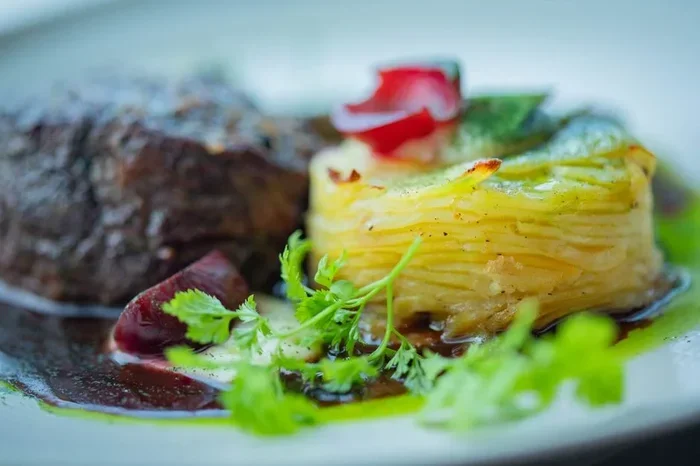
Making a filet mignon roast in the oven is easier than you think. This guide walks you through choosing the right cut, seasoning it well, searing it perfectly, and cooking it to your desired doneness. You will learn how to get a juicy, tender roast that impresses every time.
Key Takeaways
- Choose the right cut: A well-marbled filet mignon roast cooks best in a hot oven.
- Sear before roasting: A good sear locks in juices and adds a beautiful crust.
- Use a meat thermometer: This is the only way to know your roast is done perfectly.
- Let it rest: Resting your roast keeps it juicy and tender after cooking.
- Pair it well: Simple sides like roasted vegetables or garlic mashed potatoes complement the rich flavor.
- Oven temperature matters: 400°F to 425°F is the sweet spot for a great filet mignon roast.
📑 Table of Contents
- Why a Filet Mignon Roast in Oven Is a Game-Changer
- Choosing the Best Filet Mignon Roast
- Seasoning Your Filet Mignon Roast Like a Pro
- Searing and Oven Cooking: The Two-Step Method
- Resting and Serving Your Roast
- Common Mistakes to Avoid
- Expert Tips for the Perfect Filet Mignon Roast
- Frequently Asked Questions
- Conclusion
Why a Filet Mignon Roast in Oven Is a Game-Changer
Cooking a filet mignon roast in oven is one of the most satisfying things you can do in the kitchen. It feels fancy, but it is actually very simple. You do not need a fancy grill or a professional kitchen. Your oven can do all the heavy lifting.
A filet mignon roast comes from the beef tenderloin. It is one of the most tender cuts of beef you can buy. When you cook it in the oven, the even heat wraps around the meat gently. This gives you a consistent cook from edge to center. Unlike a skillet that only heats from below, an oven surrounds the roast with warmth.
The best part? You can pull it out and serve it almost like a piece of art. A perfect oven-baked filet mignon has a golden crust on the outside and a pink, juicy center on the inside. Once you master this method, you will never go back to overcooked steak again.
Many people think beef roast recipes are complicated. They are not. A simple oven-baked beef roast like this one takes about 30 minutes of active time. The rest is just waiting. And trust me, the wait is worth it.
Choosing the Best Filet Mignon Roast
What to Look for at the Butcher or Store
Not all filet mignon roasts are the same. When you are shopping, look for a roast that is at least 2 to 3 inches thick. Thicker cuts give you more room for error. They also hold up better in a hot oven.
Check the color. A good filet mignon should be a deep red with fine white lines of marbling. Those white lines are fat. Fat equals flavor and juiciness. Do not be afraid of a little marbling. It is your friend.
Size matters too. A roast that weighs about 1.5 to 2 pounds is ideal for a family of four. If you are cooking for two, a 1-pound roast works perfectly. You can always adjust the cooking time for filet mignon based on the size.
Fresh vs. Frozen: What Works Better?
Fresh filet mignon is always best. But frozen can work in a pinch. If you use frozen, thaw it slowly in the fridge overnight. Never thaw it on the counter. That can lead to uneven cooking and food safety issues.
Once thawed, pat the roast dry with paper towels. Dry meat sears better. This is a small step that makes a huge difference.
Seasoning Your Filet Mignon Roast Like a Pro
Simple Seasoning for Big Flavor
Filet mignon is already tender and mild in flavor. You do not need a complicated spice mix to make it shine. Salt and pepper are your best friends here. Coarse sea salt and freshly cracked black pepper work wonders.
Here is a simple seasoning approach:
- Salt: Apply at least 30 minutes before cooking. This draws out moisture and then reabsorbs it, making the meat juicier.
- Pepper: Add just before searing. Pepper can burn at high heat, so timing matters.
- Garlic powder: A light sprinkle adds depth without overpowering the beef.
- Fresh herbs: Thyme or rosemary sprigs can go into the pan during roasting.
Butter Basting for Extra Richness
Butter basting is a technique that takes your roast to the next level. After searing, add a knob of butter, a few crushed garlic cloves, and fresh thyme to the pan. As the roast cooks, spoon the melted butter over the top every few minutes. This adds a rich, savory flavor that makes people ask for seconds.
You can also add a touch of Dijon mustard to the butter for a tangy kick. This works especially well if you are planning to make a pan sauce later.
Searing and Oven Cooking: The Two-Step Method
Why Searing Matters
Searing is the secret to a great roast. When you sear meat at high heat, the surface sugars and proteins react to create a brown crust. This is called the Maillard reaction. It adds flavor and texture that you cannot get from oven cooking alone.
Think of searing as the foundation of your roast. Without it, the oven result is good. With it, the result is extraordinary. Even if you are short on time, do not skip this step.
How to Sear Your Filet Mignon
Place an oven-safe pan on the stove over high heat. Let it get ripping hot. A cast iron skillet works best, but any oven-safe pan will do. You can also use a best pan to cook turkey in oven since these are built for high-heat cooking.
Add a high-smoke-point oil like avocado or grapeseed oil. Place the seasoned roast in the pan and do not touch it. Let it sear for 2 to 3 minutes on each side. You want a deep brown crust, not a gray one.
Moving to the Oven
Once your roast is seared on all sides, transfer the pan directly into the oven. Set your oven to 400°F to 425°F. This is the ideal oven temperature for steak roast.
The oven does the gentle work of bringing the center up to the right temperature. Here is a quick reference for cooking times:
- Rare (120°F internal): About 12 to 15 minutes
- Medium Rare (130°F internal): About 15 to 18 minutes
- Medium (140°F internal): About 18 to 22 minutes
- Well Done (155°F internal): About 22 to 25 minutes
These times are approximate. Your actual time will depend on the thickness of the roast and how hot your oven runs. Always use a meat thermometer to check the internal temperature. This is the single most important tool for perfect results.
Comparing Doneness Levels
Not everyone likes their steak the same way. Here is a quick comparison of what to expect at each level:
- Rare: Cool red center, very soft texture. Best for true steak lovers.
- Medium Rare: Warm red center, juicy and tender. This is the most popular choice.
- Medium: Pink center, slightly firmer. A good middle ground.
- Well Done: Gray-brown throughout, very firm. Not recommended for filet mignon as it can dry out.
Most chefs recommend medium rare for filet mignon. It brings out the best balance of flavor and tenderness. But ultimately, cook it the way you like it.
Resting and Serving Your Roast
The Importance of Resting
Once your roast comes out of the oven, do not cut into it right away. Resting is just as important as cooking. When you rest the meat, the juices redistribute throughout the roast. If you cut too early, those juices run out onto the cutting board instead of staying in the meat.
Let your filet mignon roast rest for at least 5 to 10 minutes. Tent it loosely with aluminum foil. This keeps the heat in without trapping too much steam, which can make the crust soggy.
Think of resting like letting a keeping ribs warm in the oven — the same principle applies. The meat continues to cook slightly from residual heat during this time. This is called carryover cooking. It can raise the internal temperature by 5°F or more.
Slicing and Plating
When slicing, cut against the grain. This makes each slice more tender and easier to chew. Filet mignon is already very tender, so this step is less critical than with tougher cuts. But it still helps.
Plate your slices on a warm dish. Add a few fresh herb sprigs for color. A simple pan sauce made from the drippings in the skillet takes this roast to restaurant quality.
Best Side Dishes to Pair with Filet Mignon
Filet mignon is rich and buttery. You want sides that complement without competing. Here are some great options:
- Roasted asparagus: Simple, elegant, and quick to make.
- Creamy mashed potatoes: A classic pairing that never disappoints.
- Garlic butter green beans: Adds a fresh contrast to the rich beef.
- Crispy roasted potatoes: Perfect for soaking up any pan sauce.
- Simple mixed greens salad: Light and refreshing to balance the richness.
Keep your sides simple. The filet mignon is the star of the show. Let it shine.
Common Mistakes to Avoid
Skipping the Sear
This is the number one mistake people make. They put the roast straight into the oven and expect great results. You will get a decent roast, but you will miss out on that deep, caramelized flavor. Always sear first.
Using the Wrong Pan
Not every pan belongs in the oven. Check that your pan is oven-safe before you start. Non-stick pans with plastic handles are a no-go. A cast iron skillet or stainless steel pan works best. These can handle the high heat of both stovetop searing and oven roasting.
Overcooking the Roast
Filet mignon is lean meat. It does not have a lot of fat to protect it from drying out. Overcooking is easy to do. This is why a meat thermometer is non-negotiable. Do not rely on time alone. Check the temperature early and often.
Not Letting the Roast Come to Room Temperature
Take your roast out of the fridge about 30 minutes before cooking. A cold roast going into a hot oven cooks unevenly. The outside can overcook while the center stays cold. Letting it sit at room temperature helps it cook more evenly throughout.
Expert Tips for the Perfect Filet Mignon Roast
Bring Your Meat to Room Temperature
Take your roast out of the fridge 30 to 45 minutes before cooking. This small step helps the roast cook more evenly. The outside and center will reach the right temperature at the same time.
Pat the Meat Dry
Moisture is the enemy of a good sear. Use paper towels to pat the roast completely dry before seasoning. The drier the surface, the better the crust will be.
Preheat Your Pan and Oven
Do not rush the preheating. A hot pan and a hot oven work together to create the perfect roast. Preheat your oven while the pan heats up on the stove. This way, everything is ready when you are.
Let the Pan Do the Work
After searing, let the pan go into the oven with the roast. The residual heat in the pan continues to cook the bottom of the roast. This creates an even crust all around.
Make a Quick Pan Sauce
Do not throw away those delicious pan drippings. After the roast rests, deglaze the pan with a splash of beef broth or red wine. Scrape up the browned bits. Simmer for a few minutes and you have a rich, flavorful sauce to drizzle over your slices.
A simple pan sauce adds so much flavor without much effort. It is the kind of finishing touch that makes home cooking feel special.
Frequently Asked Questions
How long should I cook a filet mignon roast in the oven?
It depends on the size and thickness of your roast and how done you like it. A 1.5 to 2-pound roast at 425°F typically takes 15 to 22 minutes for medium rare. Always use a meat thermometer to check the internal temperature. This is the most reliable way to know it is done.
What temperature should I cook filet mignon roast in the oven?
400°F to 425°F is the sweet spot for oven-baked filet mignon. This high heat creates a nice crust while cooking the inside evenly. Lower temperatures take too long and can dry out the meat. Higher temperatures may burn the outside before the center is done.
Should I cover my filet mignon roast with foil in the oven?
No, do not cover it. You want the roast exposed to the dry heat of the oven. Covering it traps steam and prevents a good crust from forming. Only tent it with foil during the resting period after cooking.
Can I cook a frozen filet mignon roast in the oven?
It is not recommended. Frozen roasts cook unevenly and take much longer. The outside can overcook while the center is still frozen. Always thaw your roast in the fridge overnight before cooking for the best results.
How do I know when my filet mignon roast is done?
Use a meat thermometer inserted into the thickest part of the roast. For rare, aim for 120°F. For medium rare, 130°F. For medium, 140°F. Remember that the temperature will rise a few degrees during resting. Pull the roast a few degrees early and let it rest.
What is the best way to store leftover filet mignon roast?
Let the roast cool to room temperature, then store it in an airtight container in the fridge. It will keep for up to 3 days. Reheat gently in the oven at 300°F to keep it from drying out. A low and slow reheat preserves the tenderness best.
Conclusion
A filet mignon roast in oven is one of the most impressive dishes you can make at home. It does not require advanced cooking skills or expensive equipment. With a good cut of meat, a hot oven, and a little patience, you can create a restaurant-quality roast in your own kitchen.
Remember the key steps: choose a thick, well-marbled roast, season it simply, sear it hard, cook it at 400°F to 425°F, and rest it before serving. Use a meat thermometer to get it just right every time. These steps work whether you are cooking for a special dinner or a weeknight treat.
Once you nail this method, you will wonder why you ever settled for dry, overcooked steak. The oven gives you consistent, beautiful results with very little effort. So preheat that oven, grab your skillet, and get ready to make the best filet mignon roast of your life. Your taste buds will thank you.



