
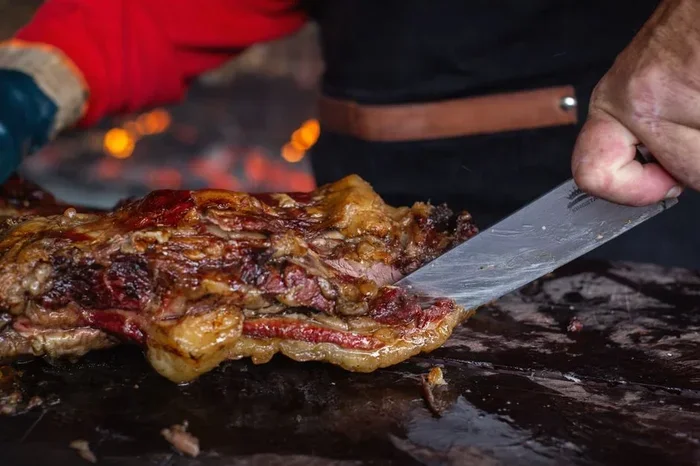
A prime rib cooking instructions chart helps you roast the perfect prime rib roast with confidence. You will learn the right cooking temperature, resting time, and seasoning for bone-in prime rib or boneless cuts. This guide covers everything from prep to carving so you get restaurant-quality results at home.
A perfectly cooked prime rib roast is the star of any holiday table or weekend dinner. But getting it right can feel tricky. That is where a prime rib cooking instructions chart becomes your best kitchen friend.
This guide walks you through everything you need to know. We will cover temperatures, timing, seasoning, and carving. By the end, you will feel confident enough to roast a prime rib like a pro. Let us dive in.
Key Takeaways
- Use a chart: A prime rib cooking instructions chart gives you exact times and temperatures for every roast size.
- Rest your roast: Always let prime rib rest for 15 to 30 minutes after cooking for juicy slices.
- Target temps matter: Rare, medium-rare, and well-done each need a different internal temperature to hit perfectly.
- Season simply: Salt, pepper, garlic, and rosemary are all you need for a great prime rib seasoning.
- Plan ahead: A bone-in prime rib needs more cooking time than boneless, so always check your chart.
- Store leftovers safely: Use a good grease container for reusable cooking oil to save flavorful drippings for later.
📑 Table of Contents
- What Is a Prime Rib Cooking Instructions Chart?
- How to Choose the Right Prime Rib Roast
- Prime Rib Cooking Instructions Chart: Temperatures and Times
- Step-by-Step Prime Rib Preparation
- Common Mistakes to Avoid
- Expert Tips for Perfect Prime Rib Every Time
- Quick Tips for Using Your Prime Rib Chart
- Final Thoughts
What Is a Prime Rib Cooking Instructions Chart?
A prime rib cooking instructions chart is a simple reference tool. It shows you exactly how long to cook a prime rib roast and at what temperature. Charts usually list roast size, cooking time, and target internal temperature.
Think of it as a roadmap for your roast. Instead of guessing, you follow clear numbers. This removes the stress from cooking a large beef roast. Whether you are a beginner or a seasoned home cook, a chart keeps you on track.
Why Charts Work Better Than Recipes Alone
Recipes give you steps. But they often skip details about your specific roast size. A chart accounts for weight and bone-in versus boneless cuts. This makes it much more precise.
Here is why using a chart helps:
- Clear timing: You know exactly how many minutes per pound to cook.
- Temperature targets: You can aim for rare, medium-rare, or well-done with confidence.
- Less waste: You avoid overcooking or undercooking your expensive roast.
- Easy planning: You know when to start cooking based on serving time.
How to Choose the Right Prime Rib Roast
Before you use any chart, you need to pick the right roast. Not all prime rib cuts are the same. Your choice affects cooking time and results.
Bone-In vs Boneless Prime Rib
A bone-in prime rib roast, also called a standing rib roast, has the rib bones still attached. The bone adds flavor and protects the meat during cooking. It also looks impressive on the table.
A boneless prime rib is easier to carve. It cooks a bit faster because heat reaches the meat more directly. Both are great options. Your chart will adjust timing based on which one you choose.
How Much Prime Rib Per Person?
A good rule of thumb is about one pound per person. If you are serving a big holiday crowd, go with one and a half pounds per guest. Remember that bone-in roasts have less edible meat since the bones take up space.
Here is a quick size guide:
- 3 to 4 people: A 4-bone roast works perfectly.
- 6 to 8 people: A 7-bone roast is ideal.
- 10 or more: Go with a full standing rib roast or two smaller roasts.
Prime Rib Cooking Instructions Chart: Temperatures and Times
This is the heart of your planning. The chart below gives you a clear starting point. Always use a meat thermometer for the most accurate results.
Cooking Temperature Guide
Most chefs recommend starting your prime rib at a high temperature for the first 15 to 20 minutes. This creates a beautiful sear. Then you lower the heat and let the roast slow-cook evenly.
Here is a simple breakdown:
- Sear phase: 450°F for 15 to 20 minutes.
- Low and slow phase: 325°F until the target internal temperature is reached.
- Resting phase: 15 to 30 minutes after removing from the oven.
Target Internal Temperatures by Doneness
Your prime rib internal temperature determines how done the meat is. Pull the roast off the heat a few degrees early. The temperature will rise during resting. This is called carryover cooking.
| Doneness | Pull Temp (°F) | Final Temp (°F) |
|---|---|---|
| Rare | 120°F | 125°F |
| Medium-Rare | 125°F | 130°F |
| Medium | 135°F | 140°F |
| Medium-Well | 145°F | 150°F |
| Well-Done | 155°F | 160°F |
Most people prefer medium-rare for prime rib. It gives you the juiciest, most flavorful result. Medium-rare is the sweet spot for a tender roast.
Estimated Cooking Times by Weight
Use this as a general guide. Always rely on your thermometer more than the clock.
- 3 to 4 pounds: About 25 to 30 minutes total cook time.
- 5 to 6 pounds: About 20 to 25 minutes per pound.
- 7 to 8 pounds: About 18 to 22 minutes per pound.
- 10+ pounds: About 15 to 18 minutes per pound.
Remember, bone-in roasts take slightly longer than boneless ones. Adjust your chart accordingly. A prime rib roast recipe often includes these same time estimates.
Step-by-Step Prime Rib Preparation
Preparation is just as important as cooking. Taking the right steps before your roast goes in the oven makes a big difference.
Step 1: Bring the Roast to Room Temperature
Take your prime rib out of the fridge 1 to 2 hours before cooking. Leting it sit at room temperature helps it cook more evenly. Cold meat in a hot oven leads to uneven results.
Step 2: Season Generously
Keep it simple for the best flavor. A good prime rib seasoning needs just a few ingredients:
- Kosher salt
- Freshly cracked black pepper
- Garlic powder or minced garlic
- Fresh or dried rosemary
- A drizzle of olive oil to help the rub stick
Rub the seasoning all over the roast. Do this the night before if you can. Leting it sit in the fridge uncovered helps form a better crust.
Step 3: Prep Your Cooking Vessel
You need a sturdy pan or roasting pan for your prime rib. If you use induction cooking, make sure your best pots and pans for induction cooking are compatible. A heavy roasting pan works great for the oven method.
Place the roast fat-side up in the pan. Add a cup of water or beef broth to the bottom. This keeps the bottom from burning and adds moisture.
Step 4: Cook According to Your Chart
Follow the sear and low-and-slow method described above. Insert a meat thermometer into the thickest part of the roast. Avoid touching the bone, as it reads hotter than the meat.
Step 5: Rest and Carve
Once your roast hits the target pull temperature, take it out. Cover it loosely with foil and let it rest for 15 to 30 minutes. This resting time lets the juices redistribute. Cutting too early means losing all that flavorful juice.
To carve, slice against the grain. Remove the bones first if you have a bone-in roast, then slice the meat evenly. Use a sharp carving knife for clean cuts.
Common Mistakes to Avoid
Even with a chart, mistakes happen. Here are the most common ones and how to avoid them.
Skipping the Thermometer
This is the number one mistake. Relying on a timer alone is not enough. Every oven is different. Your prime rib internal temperature is the only true indicator of doneness.
Overcooking the Roast
Prime rib is expensive. You do not want to ruin it by overcooking. Pull the roast early and let carryover cooking do the rest. A few degrees make a huge difference in texture.
Not Resting Long Enough
Resting is not optional. Skipping this step means dry, less flavorful slices. Set a timer for at least 15 minutes. You will be rewarded with juicier meat.
Seasoning Too Late
Seasoning right before cooking works, but overnight is better. The salt needs time to penetrate the meat. This simple step adds so much flavor to your roast.
Ignoring Leftover Storage
Prime rib leftovers are delicious. But you need to store them properly. Save the flavorful drippings in a best grease container for reusable cooking oil for later use. Refrigerate leftover meat within two hours of cooking.
Expert Tips for Perfect Prime Rib Every Time
Want to take your prime rib to the next level? Try these pro tips that go beyond the chart.
Use a Prime Rib Probe Thermometer
A good probe thermometer lets you monitor the temperature without opening the oven door every few minutes. This keeps the heat steady and gives you more accurate readings.
Dry Brine for Better Flavor
Dry brining means salting the roast 12 to 24 hours before cooking. The salt draws out moisture, then gets reabsorbed. This creates a deeper flavor and a better crust on the outside.
Sear After Slow Cooking
Some cooks prefer to slow roast first and then sear at the end. This gives you a more even pink color inside with a deeply browned crust. It is a great technique if you want more control over your doneness.
Plan for Leftovers
Prime rib makes amazing leftovers. Slice extra and use it for sandwiches, hash, or salads the next day. Proper storage keeps the meat fresh for up to three days in the fridge.
Quick Tips for Using Your Prime Rib Chart
- Always preheat your oven before placing the roast inside.
- Place the thermometer in the thickest part of the meat, away from the bone.
- Use a best big pot for cooking non stick or heavy roasting pan for even heat distribution.
- Write down your results each time you cook. This helps you refine your personal chart over time.
- Let the roast rest uncovered for 15 minutes to keep the crust crispy.
Final Thoughts
A prime rib cooking instructions chart takes all the guesswork out of roasting. You get clear numbers for time, temperature, and doneness. This means less stress and a better roast every time you step into the kitchen.
Start with the chart, follow the steps, and trust your thermometer. Soon you will be cooking prime rib with confidence. Your family and guests will think you are a professional chef. And the best part? You made it all yourself with simple tools and a little planning.
Grab your chart, pick your roast, and get ready for a memorable meal. Happy cooking!
Frequently Asked Questions
What temperature should I cook prime rib to?
The ideal internal temperature depends on your preference. Most people aim for 130°F for medium-rare, which gives the juiciest and most tender result. Always pull the roast a few degrees early because the temperature will rise during resting.
How long does it take to cook a prime rib roast?
Cooking time varies by weight and oven temperature. A general estimate is about 15 to 20 minutes per pound at 325°F after the initial sear. Use a prime rib cooking instructions chart for more precise timing based on your roast size.
Should I cover my prime rib while it rests?
Yes, loosely cover the roast with aluminum foil during resting. This keeps the heat in without trapping too much steam. A 15 to 30 minute rest lets the juices settle back into the meat for a more flavorful slice.
Can I cook prime rib in a nonstick pan?
You can use a nonstick roasting pan, but a heavy-duty metal pan works better for high-heat searing. If you need a reliable option, check out the best big pots for cooking non stick for your kitchen.
How do I store leftover prime rib?
Let the roast cool, then wrap it tightly in foil or store it in an airtight container. Refrigerate within two hours. Leftover prime rib stays fresh for up to three days. Save the drippings in a best grease container for reusable cooking oil for future recipes.
What size prime rib do I need for a family dinner?
Plan on about one pound of bone-in prime rib per person. For boneless cuts, you can go slightly less since there is more edible meat. A 7-bone roast serves about 6 to 8 people comfortably.



