
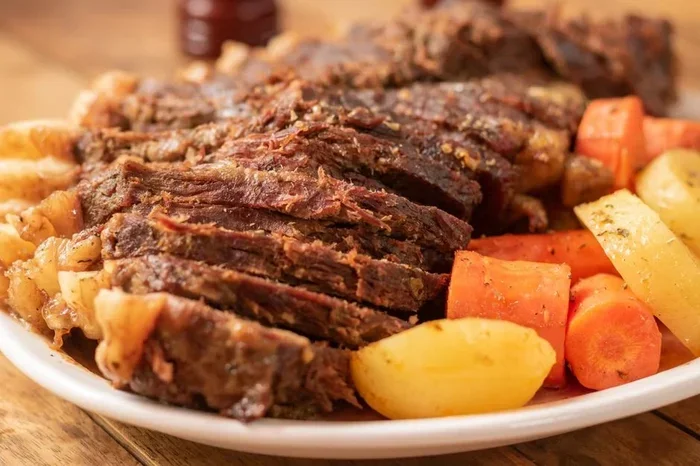
A beef roast temperature chart is your essential guide to cooking perfectly juicy roast beef every time. Whether you use an oven, slow cooker, or instant pot, knowing the right internal temperature makes all the difference between dry meat and a tender, flavorful roast. This comprehensive chart covers every doneness level, popular beef cuts, cooking times, and common mistakes to avoid for restaurant-quality results at home.
A beef roast temperature chart is one of the most useful tools you can keep in your kitchen. Whether you are preparing a chuck roast for a cozy family dinner or a prime rib for a special occasion, knowing the right internal temperature makes all the difference. The gap between a dry, tough roast and a juicy, tender one often comes down to just a few degrees.
Many home cooks rely on guesswork or visual cues when roasting beef. Unfortunately, guesswork leads to inconsistent results more often than not. A reliable beef roast temperature chart removes all the guesswork. It gives you clear, precise targets for every level of doneness, from rare to well done. With this chart in hand, you can cook with total confidence every single time.
This guide covers everything you need to know about beef roast temperatures. We break down the internal temperature for each doneness level, share cooking times for popular roast cuts, recommend the best thermometers, and highlight common mistakes to avoid. We also include practical tips for resting your roast and storing leftovers. By the end, you will have all the knowledge you need to roast beef that is juicy, tender, and full of flavor.
Key Takeaways
- Target Temperatures Matter: Each doneness level has a specific internal temperature range that ensures the best texture and flavor.
- Resting Is Non-Negotiable: Always let your roast rest for at least 15 minutes to allow juices to redistribute.
- Use a Meat Thermometer: A digital instant-read thermometer is the most reliable way to check doneness accurately.
- Carryover Cooking Is Real: Your roast will continue to rise in temperature after removing it from the heat source.
- Different Cuts Need Different Approaches: Chuck roast, prime rib, and rump roast all have unique cooking times and temperature needs.
- Avoid Common Mistakes: Cutting too early, overcooking, and skipping the rest period are the top errors home cooks make.
- Leftovers Store Well: Properly stored roast beef stays fresh for days and makes great meals throughout the week.
📑 Table of Contents
What Is a Beef Roast Temperature Chart?
A beef roast temperature chart is a reference tool that shows the internal temperature your roast should reach for each level of doneness. It takes the mystery out of cooking beef roasts and helps you achieve consistent, delicious results. Think of it as your personal guide that takes the stress out of roasting beef.
These charts typically list temperatures in Fahrenheit and sometimes Celsius. They cover the full range from rare to well done. Many charts also include carryover cooking temperatures, which account for the rise in temperature after you remove the roast from the oven or slow cooker.
The beauty of a beef roast temperature chart is its simplicity. You do not need to be a professional chef to use one. All you need is a good meat thermometer and a basic understanding of what temperatures correspond to which textures. Once you learn to use the chart, you will never second-guess your roast again.
Using a temperature chart also helps you cook safely. The United States Department of Agriculture recommends that beef roasts reach a minimum internal temperature of 145 degrees Fahrenheit for safety. However, most roast beef recipes call for higher temperatures depending on the desired doneness. A chart helps you balance safety with your personal preference for how cooked you like your beef.
Beef Roast Internal Temperature Guide by Doneness
Rare: 120 to 125 Degrees Fahrenheit
A rare roast beef has a bright red center and a warm interior. The internal temperature for rare beef is between 120 and 125 degrees Fahrenheit. This level of doneness preserves the most natural beef flavor and juices. The texture is soft and almost raw in the very center.
Rare roast beef works best with high-quality cuts like prime rib or tenderloin. Because the meat is not cooked through, it is important to source fresh, good-quality beef. If you prefer your roast on the rare side, pull it from the oven when the thermometer reads about 115 degrees. The carryover heat will bring it up to the proper range.
Keep in mind that rare beef is not recommended for everyone. Young children, elderly adults, pregnant women, and those with weakened immune systems should avoid rare or undercooked beef. Always consider your guests when deciding how to cook your roast.
Medium Rare: 130 to 135 Degrees Fahrenheit
Medium rare roast beef is the most popular choice among steak and roast lovers. The internal temperature sits between 130 and 135 degrees Fahrenheit. The center is warm and pink, with a firm outer layer. This level offers the best balance of flavor, juiciness, and texture.
Most chefs and cooking experts recommend medium rare as the ideal doneness for beef roast. At this temperature, the meat retains plenty of its natural juices while being cooked through enough to be safe and enjoyable. A beef roast temperature chart will almost always highlight medium rare as the sweet spot.
When cooking for a crowd, medium rare is a safe bet. It appeals to most people and works well with a variety of cuts. Chuck roast, rump roast, and sirloin roast all shine at medium rare. The key is to monitor the temperature closely with a meat thermometer and pull the roast just before it hits the target.
Medium: 140 to 145 Degrees Fahrenheit
Medium doneness brings the internal temperature to 140 to 145 degrees Fahrenheit. The center is pink but not as red as medium rare. The meat is firmer and has less juice, but it is still tender and flavorful. This level is a good compromise for families with mixed preferences.
Some people find medium roast beef more comfortable because the pink color is less prominent. If you are cooking for picky eaters or children, medium is a great option. Just be careful not to overcook, as the window between medium and well done can happen quickly.
Well Done: 155 to 165 Degrees Fahrenheit
Well done roast beef reaches an internal temperature of 155 to 165 degrees Fahrenheit. The meat is gray-brown throughout with no pink remaining. It is the most thoroughly cooked option but also the driest. Well done beef can still be tender if you choose the right cut and cook it low and slow.
If you or your family prefer well done beef, consider using a tougher cut like chuck roast or brisket. These cuts benefit from longer cooking times, which break down the connective tissue and create a tender result even at higher temperatures. A slow cooker roast is an excellent method for achieving well done beef that is still moist.
Cooking Times for Different Roast Cuts
Chuck Roast Temperature and Time
Chuck roast is one of the most popular and affordable cuts for roasting. It comes from the shoulder area and has great marbling, which makes it perfect for low and slow cooking. The ideal chuck roast temperature for tender results is around 195 to 205 degrees Fahrenheit internally.
When cooking a chuck roast in the oven, plan for about 3 to 4 hours at 325 degrees Fahrenheit for a 3 to 4 pound roast. In a slow cooker, it takes about 8 to 10 hours on low. The long cooking time breaks down the tough muscle fibers and creates a fork tender result.
For best results, sear the chuck roast on all sides before cooking. This step builds a rich, brown crust that adds tremendous flavor. If you are looking for specific recipes, our 24 Crockpot Beef Roast Recipes collection has plenty of options to try.
Prime Rib and Ribeye Roast
Prime rib, also known as standing rib roast, is a premium cut that deserves special attention. The prime rib temperature for rare is 120 to 125 degrees, medium rare is 130 to 135 degrees, and medium is 140 to 145 degrees. Prime rib is typically cooked at higher oven temperatures, around 450 degrees for the first 15 minutes, then reduced to 325 degrees.
A general rule for prime rib is about 15 to 20 minutes per pound at 325 degrees Fahrenheit. However, always rely on your thermometer rather than time alone. Bone-in roasts may take slightly longer than boneless ones, but the difference is minimal.
Ribeye roast is similar to prime rib but is usually sold as individual steaks or smaller roasts. The cooking principles are the same. Sear it first, then roast at a moderate temperature until it reaches your desired doneness.
Rump Roast and Round Roast
Rump roast and round roast are leaner cuts from the rear of the cow. Because they have less fat and marbling, they can dry out more easily. The beef cooking temperature for these cuts should target around 135 to 145 degrees for medium rare to medium. Higher temperatures will make them tough and chewy.
These cuts benefit from braising or slow cooking methods. Braising involves cooking the roast partially submerged in liquid at a low temperature for several hours. This technique adds moisture and breaks down the lean muscle fibers, resulting in a tender and flavorful roast.
Slow Cooker and Instant Pot Roasts
Using a slow cooker or instant pot is a fantastic way to roast beef with minimal effort. In a slow cooker, a 4 to 5 pound roast typically takes 8 to 10 hours on low or 4 to 6 hours on high. The low, steady heat makes even tough cuts incredibly tender.
Instant pot beef roast recipes are a game changer for busy weeknights. A pressure cooked roast can be ready in about 60 to 90 minutes, plus natural release time. The beef roast temperature inside the instant pot reaches well above boiling point, which speeds up the cooking process significantly.
For those who love saving time in the kitchen, our instant pot ground beef recipes also offer great ideas for quick beef meals using similar techniques.
Best Tools for Checking Roast Beef Temperature
The single most important tool for using a beef roast temperature chart is a good meat thermometer. Without one, you are essentially guessing. There are several types of thermometers available, and each has its own advantages.
Instant-read digital thermometers are the most popular choice for home cooks. They give you a reading in just a few seconds and are very affordable. You insert the probe into the thickest part of the roast, wait for the reading, and pull the roast when it hits your target temperature.
Leave-in probe thermometers are another great option. These have a wire that stays in the roast while it cooks, with a display unit that sits outside the oven. They allow you to monitor the temperature without opening the oven door, which helps maintain a consistent cooking temperature.
Wireless smart thermometers are the premium choice. They connect to your phone via Bluetooth or Wi-Fi and send you alerts when the roast reaches the target temperature. These are especially useful if you like to cook other dishes at the same time or need to step away from the kitchen.
No matter which type you choose, make sure to insert the probe into the center of the roast, away from bone, fat, or gristle. Bone conducts heat differently than meat, so a reading near the bone will not be accurate. For the most reliable results, check the temperature in at least two different spots.
Common Mistakes When Cooking Beef Roast
Not Using a Thermometer
The biggest mistake home cooks make is not using a thermometer. Visual cues and time estimates are helpful, but they are not precise. Every oven runs differently, and every cut of beef varies in thickness and shape. A meat thermometer removes all the uncertainty and takes the stress out of roasting beef.
Cutting Into the Roast Too Early
It is tempting to cut into your roast to check if it is done, but this is a major mistake. When you cut into the roast, you release all those precious juices onto the cutting board instead of letting them stay in the meat. Always use a thermometer to check the temperature without cutting into the roast.
If you have ever dealt with dry, tough meat, you know how frustrating it can be. Similar to how tough corned beef can result from overcooking or improper technique, dry roast beef usually comes from cutting too early or cooking past the target temperature.
Skipping the Rest Period
Resting your roast is just as important as cooking it to the right temperature. When you remove a roast from the oven, the juices inside are under a lot of heat pressure. If you cut into it immediately, those juices will run out and leave you with dry meat.
Let your roast rest for at least 15 to 20 minutes before slicing. Tent it loosely with aluminum foil to keep it warm while the juices redistribute. During this time, the internal temperature will also rise by about 5 to 10 degrees due to carryover cooking. This is why it is important to pull your roast a few degrees before it reaches the target temperature.
Overcooking the Roast
Overcooking is the enemy of a juicy roast. Even a few extra minutes can turn a tender, juicy roast into a dry, tough one. The best way to prevent overcooking is to monitor the temperature closely and pull the roast when it is 5 degrees below your target. The carryover heat will bring it up to the perfect temperature during the rest period.
How to Rest and Serve Your Roast Beef
Resting your beef roast properly is the final step to achieving juicy results. After removing the roast from the oven or slow cooker, place it on a cutting board and tent it loosely with aluminum foil. The foil should not be wrapped tightly, as you want some steam to escape and prevent the crust from getting soggy.
During the rest period, which should last at least 15 to 20 minutes for a standard roast, several important things happen. The internal temperature equalizes throughout the meat, the muscle fibers relax, and the juices redistribute from the center to the outer parts of the roast. This is what gives you that beautiful, juicy slice when you finally cut into it.
When it is time to slice, use a sharp carving knife and cut against the grain. Cutting against the grain shortens the muscle fibers and makes each slice more tender. For a chuck roast, identify the direction of the grain and slice perpendicular to it.
If you have leftovers, store them properly to enjoy them throughout the week. Learn more about how to store beef to keep your roast fresh and safe for up to four days in the refrigerator. Leftover roast beef also makes excellent sandwiches, salads, and stir fry the next day.
Conclusion
A beef roast temperature chart is an essential tool for anyone who loves cooking roast beef at home. It takes the guesswork out of roasting and helps you achieve juicy, tender results every single time. From rare to well done, each temperature level has its own unique texture and flavor profile, and knowing these differences empowers you to cook exactly the way you like.
Remember to always use a reliable meat thermometer, pull your roast a few degrees early to account for carryover cooking, and never skip the rest period. These simple steps make a huge difference in the final result. With practice and the right beef roast temperature chart as your guide, you will roast beef like a seasoned pro in no time.
Start experimenting with different cuts, temperatures, and cooking methods. Try a chuck roast in the slow cooker one weekend, and a prime rib in the oven the next. Each roast will teach you something new, and soon you will have the confidence to roast beef without even thinking about it. Happy cooking!
Frequently Asked Questions
What is the best internal temperature for a beef roast?
The best internal temperature depends on your preferred level of doneness. For medium rare, aim for 130 to 135 degrees Fahrenheit. For medium, target 140 to 145 degrees. Most chefs recommend medium rare as the ideal balance of juiciness and flavor. Always use a meat thermometer for the most accurate reading.
How long should I rest my beef roast before slicing?
You should rest your beef roast for at least 15 to 20 minutes before slicing. This allows the juices to redistribute throughout the meat, resulting in a more tender and juicy roast. A good rule of thumb is to rest the roast for about 10 minutes per pound.
Can I use a beef roast temperature chart for slow cooker recipes?
Yes, a beef roast temperature chart works for slow cooker recipes too. The target internal temperatures remain the same regardless of cooking method. However, slow cookers take longer to reach these temperatures, so plan for 8 to 10 hours on low for most cuts. A slow cooker is great for tougher cuts that benefit from long, gentle cooking.
What is carryover cooking and why does it matter?
Carryover cooking refers to the rise in internal temperature that continues after you remove the roast from the heat source. The residual heat in the outer layers transfers to the center, raising the overall temperature by 5 to 10 degrees. This is why you should pull your roast a few degrees before it reaches your target temperature.
How can I tell if my beef roast is done without a thermometer?
While a thermometer is the most reliable tool, you can use the finger test as a rough guide. Press the center of the roast with your finger. A rare roast feels very soft, medium rare feels slightly firm, medium feels firm but gives slightly, and well done feels very firm with no give. However, this method takes practice and is not as accurate as using a thermometer.
What is the safe minimum internal temperature for beef roast?
The USDA recommends a minimum internal temperature of 145 degrees Fahrenheit for all beef roasts, followed by a three-minute rest time. This applies to all whole cuts of beef. Ground beef has a different minimum of 160 degrees Fahrenheit. Always ensure your roast reaches the safe minimum to avoid foodborne illness.



