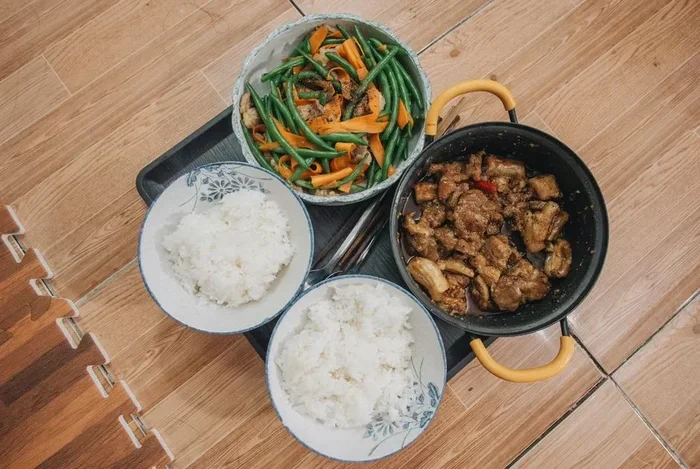
Classic Filipino beef dishes combine bold flavors, simple ingredients, and slow-cooked tenderness to create memorable meals. These recipes reflect the heart of Filipino home cooking, where every family has its own cherished version. You will learn about beloved dishes like beef caldereta, mechado, and beef pares, along with tips to perfect each one.
When you think of hearty, comforting meals, classic Filipino beef dishes probably come to mind first. These recipes have been passed down through generations, and they never fail to bring people together around the table. Whether you are looking for a rich tomato stew or a simple braised beef meal, Filipino cuisine has something for everyone.
The beauty of classic Filipino beef dishes lies in their simplicity. Most recipes use everyday ingredients that you likely already have in your kitchen. Tomatoes, soy sauce, garlic, onion, and bay leaves form the base of many beloved dishes. What makes these dishes special is the time and care you put into cooking them slowly.
Filipino families take their beef recipes seriously. Every household has its own twist on a favorite dish. Some add potatoes, others add olives or raisins. Some prefer a thicker gravy, while others like it more brothy. This diversity is what makes exploring Filipino beef recipes so exciting. You will never run out of new versions to try.
Key Takeaways
- Filipino beef dishes are built on slow cooking: Low and slow heat breaks down tough cuts into tender, flavorful meals.
- Tomato-based stews are a Filipino staple: Dishes like caldereta and mechado rely on tomatoes, soy sauce, and aromatics for depth.
- Beef pares is a simple yet satisfying meal: This braised beef dish with garlic rice is a favorite street food and home-cooked classic.
- Leftover beef dishes are common: Many Filipino beef recipes taste even better the next day as flavors meld together.
- Basic pantry ingredients go a long way: Soy sauce, vinegar, garlic, and bay leaves form the backbone of most Filipino beef recipes.
- Proper beef storage matters: Storing beef correctly keeps it fresh and safe for your next cooking session.
- Tender beef starts with the right technique: Learning how to handle tough cuts makes all the difference in Filipino beef cooking.
📑 Table of Contents
Why Filipino Beef Dishes Stand Out
Filipino food is known for its balance of savory, sweet, and tangy flavors. Classic Filipino beef dishes showcase this balance perfectly. The use of soy sauce adds saltiness, while tomatoes bring a natural acidity. Sugar or raisins sometimes add a hint of sweetness. Vinegar or calamansi gives a bright tang that lifts the whole dish.
Another reason these dishes stand out is the cooking method. Most Filipino beef stews are braised or slow-cooked. This means you cook the beef low and slow in liquid until it becomes fork-tender. Tough cuts of beef work best for this approach. The long cooking time breaks down the collagen in the meat, creating a rich, silky texture.
Filipino beef dishes also reflect the country’s history and cultural influences. Spanish, Chinese, and Malay flavors have all shaped the way Filipinos cook beef. For example, caldereta has Spanish roots, while mechado shows the influence of Spanish cuisine as well. These cultural layers make every bite more interesting.
The Role of Tomato in Filipino Beef Cooking
Tomatoes play a starring role in many classic Filipino beef dishes. Fresh tomatoes or tomato sauce create the base of the gravy. The acidity from the tomatoes helps tenderize the beef during the long cooking process. It also adds a vibrant color and a slightly sweet flavor to the dish.
If you love tomato-based stews, you will feel right at home with Filipino beef recipes. The tomato gravy is thick, rich, and deeply satisfying. It pairs perfectly with steamed white rice, which is a staple on every Filipino table. Some cooks even use the gravy to make beef pares over garlic fried rice for a heartier meal.
Beef Caldereta: The Crown Jewel of Filipino Beef
When people think of classic Filipino beef dishes, caldereta is usually at the top of the list. This rich tomato-based stew is a staple at Filipino gatherings and fiestas. It is a dish that feels special but is actually quite simple to prepare.
Beef caldereta typically includes beef chuck or shoulder, which becomes incredibly tender after hours of simmering. The gravy is made from tomatoes, tomato sauce, and a mix of savory seasonings. Many families add olives, red bell peppers, and sometimes even liver spread for extra richness.
What Makes Caldereta Different from Other Beef Stews
The key difference is the flavor profile. While many beef stews rely on herbs like thyme and rosemary, caldereta has its own unique character. The combination of tomato, soy sauce, and sugar creates a sweet-savory gravy that is unmistakably Filipino. Some versions also include liver or liver paste, which gives the stew a velvety body.
If you want to try making caldereta at home, start with a good quality beef chuck. Learn how to make beef stew meat tender on the stove to get the best results. Patience is the most important ingredient here. Let the beef simmer gently until it falls apart with a fork.
Serving Tips for Caldereta
- Serve with steamed white rice to soak up the rich gravy.
- Add a side of fried eggplant or okra for a complete Filipino meal.
- Caldereta tastes even better the next day, so do not hesitate to make extra.
- Pairs well with fresh bread or rolls for dipping into the sauce.
Beef Mechado: A Hearty Tomato and Potato Stew
Another beloved dish in the world of classic Filipino beef dishes is mechado. This stew is very similar to caldereta but has its own distinct character. Mechado features whole pieces of beef simmered in a tomato-based sauce with potatoes and other vegetables.
The name “mechado” comes from the Spanish word “mecha,” which means fuse or wick. This refers to the traditional practice of inserting strips of fat or pork into the beef to keep it moist during cooking. While this step is optional today, it shows the deep Spanish influence on Filipino cuisine.
Key Ingredients in Mechado
- Beef round or chuck: Tough cuts that benefit from slow cooking.
- Tomatoes and tomato sauce: The foundation of the savory gravy.
- Potatoes: Added for heartiness and to absorb the flavorful sauce.
- Soy sauce and vinegar: These create the signature Filipino savory base.
- Garlic and onion: Essential aromatics that build depth of flavor.
- Bay leaves and peppercorns: Simple seasonings that elevate the entire dish.
Mechado is a perfect example of how Filipino beef recipes turn humble ingredients into something extraordinary. The beef becomes meltingly tender, and the potatoes soak up all the delicious tomato gravy. It is the kind of dish that fills your kitchen with an irresistible aroma.
Beef Pares: The Ultimate Comfort Meal
If there is one classic Filipino beef dish that represents comfort food perfectly, it is beef pares. This dish originated from the roadside eateries, or carinderias, of the Philippines. It is simple, affordable, and deeply satisfying.
Beef pares consists of braised beef strips cooked in a flavorful garlic-soy sauce gravy. It is almost always served over garlic fried rice, which soaks up every drop of the savory sauce. The beauty of beef pares is in its simplicity. There are no fancy ingredients, just bold flavors done right.
How to Get the Best Flavor in Beef Pares
- Use beef sirloin or brisket for the best balance of tenderness and flavor.
- Marinate the beef in soy sauce, garlic, and a splash of vinegar before cooking.
- Cook the beef low and slow to develop deep, rich flavors.
- Do not rush the garlic fried rice. The garlic should be golden and fragrant.
- Add a little sugar to the gravy for a subtle sweetness that rounds out the flavor.
Beef pares is a great example of how Filipino beef dishes can be both humble and incredibly delicious. You do not need expensive cuts or complicated techniques. A few simple ingredients and some patience are all you need.
Essential Tips for Cooking Filipino Beef Dishes
Cooking classic Filipino beef dishes successfully comes down to a few key principles. These tips will help you achieve the best results every time you step into the kitchen.
Choose the Right Cut of Beef
Tough, well-marbled cuts work best for Filipino beef stews and braises. Beef chuck, shoulder, and round are excellent choices because they become tender during the long cooking process. Avoid lean cuts like sirloin for stews, as they can become dry and tough.
Be Patient with the Cooking Time
The secret to tender Filipino beef dishes is time. Do not rush the process. Let the beef simmer gently for at least one to two hours. The collagen in the meat needs time to break down and create that silky, melt-in-your-mouth texture. If you are short on time, a slow cooker can be a great alternative.
Build Layers of Flavor
Start by sautéing your garlic and onion until they are fragrant and slightly caramelized. This forms the flavor base of most Filipino beef recipes. Add your tomatoes and cook them down until they break into a thick sauce. Then add the beef and let it absorb all those flavors as it simmers.
Adjust Seasoning to Taste
Every Filipino household has its own preferred balance of flavors. Some families like their beef stews more savory, while others prefer a touch of sweetness. Taste as you go and adjust the soy sauce, sugar, or vinegar until the flavor feels just right to you.
Storing and Reheating Leftover Beef Dishes
One of the great things about classic Filipino beef dishes is that they taste even better the next day. The flavors have time to deepen and meld together overnight. However, proper storage is important to keep your leftovers safe and delicious.
Let your beef dish cool to room temperature before storing it. Transfer it to airtight containers and refrigerate within two hours of cooking. Properly stored, Filipino beef stews can last in the fridge for three to four days. For longer storage, you can freeze individual portions for up to three months.
If you want to learn more about keeping your beef fresh, check out our guide on how to store beef properly. When reheating, add a splash of water or broth to loosen the gravy. Warm the dish gently on the stove over medium-low heat to prevent the beef from drying out.
Common Mistakes to Avoid
- Using too high heat: Boiling the beef vigorously makes it tough. Keep the heat low and let it simmer gently.
- Adding tomatoes too early: Cook your aromatics first to build a flavorful base before adding the tomatoes.
- Skipping the resting time: Letting the dish rest after cooking allows the flavors to settle and the gravy to thicken.
- Over-seasoning at the start: Add soy sauce gradually and taste as you go to avoid oversalting.
Frequently Asked Questions
What are the most popular classic Filipino beef dishes?
The most popular classic Filipino beef dishes include beef caldereta, beef mechado, beef pares, and beef adobo. Each dish has its own unique flavor profile and cooking method, but they all share the common thread of being hearty, comforting, and deeply flavorful.
What cut of beef is best for Filipino stews?
Beef chuck, shoulder, and round are the best cuts for Filipino stews. These cuts have more connective tissue and marbling, which breaks down during slow cooking to create tender, flavorful results. Avoid lean cuts for stews, as they can become dry.
Can I use a slow cooker for Filipino beef dishes?
Absolutely. A slow cooker works wonderfully for classic Filipino beef dishes. It allows the beef to cook low and slow for hours, developing deep flavors and tender texture. Just follow the same steps of sautéing aromatics first, then transferring everything to the slow cooker.
Why does my beef turn out tough?
Tough beef usually results from cooking at too high a heat or not cooking long enough. For tender results, keep the heat low and let the beef simmer gently for at least one to two hours. If your beef is already tough, you can try fixing tough beef on the stove by continuing to cook it in liquid until it softens.
Can I make Filipino beef dishes ahead of time?
Yes, and in fact, most Filipino beef recipes taste better the next day. The flavors have time to develop and meld together. Cook ahead, store properly in the refrigerator, and reheat gently on the stove. This makes Filipino beef dishes perfect for meal prep and family gatherings.
What goes well with Filipino beef dishes?
Steamed white rice is the traditional pairing for classic Filipino beef dishes. You can also serve them with garlic fried rice, steamed vegetables like eggplant or okra, and fresh salad. A side of bread or rolls is great for soaking up the rich gravy.
Conclusion
Classic Filipino beef dishes are more than just recipes. They are a celebration of flavor, family, and tradition. From the rich, tomato-laden gravy of caldereta to the simple comfort of beef pares, these dishes bring warmth and joy to any table. They remind us that the best food often comes from the simplest ingredients, given time and love.
Whether you are a seasoned cook or just starting your kitchen journey, these Filipino beef recipes are easy to try at home. Start with one dish, taste as you go, and make it your own. Every family has its own version, and yours will too. So fire up your stove, gather your ingredients, and enjoy the wonderful world of Filipino beef dishes. Your taste buds will thank you.
Do not be afraid to experiment. Add your favorite vegetables, adjust the seasoning to your liking, and make these recipes fit your lifestyle. The beauty of Filipino cooking is its flexibility and its heart. Every pot of classic Filipino beef dishes you make carries a piece of tradition and a whole lot of love.