
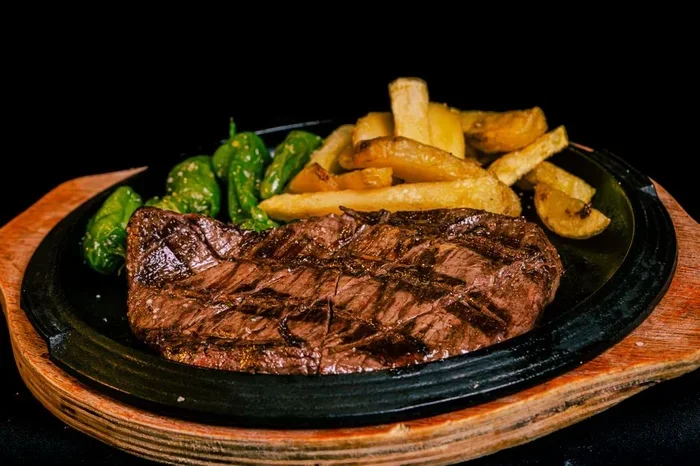
Cooking beef tenderloin minutes per pound depends on your roast size, oven temperature, and desired doneness. A typical beef tenderloin roast needs about 20 to 25 minutes per pound at 425°F for medium-rare. This guide breaks down exact timing, temperatures, and tips so you can roast beef tenderloin perfectly every single time.
Roasting a beef tenderloin is one of the most rewarding things you can do in the kitchen. It is a cut that feels fancy but is surprisingly simple when you understand the basics. The biggest question home cooks ask? Beef tenderloin minutes per pound and how to get it just right.
Whether you are preparing a holiday dinner or a special weekend meal, knowing the right timing makes all the difference. Too little time and the roast stays raw in the center. Too much time and you end up with dry, tough meat. This guide walks you through everything you need to know about beef tenderloin cooking time per pound, from prep to plating.
We will cover oven temperatures, internal doneness temperatures, searing techniques, and how to rest your roast properly. By the end, you will feel confident enough to roast a beef tenderloin like a seasoned pro. Let us dive in.
Key Takeaways
- Timing matters: Plan for roughly 20 to 25 minutes per pound at 425°F for a medium-rare beef tenderloin.
- Use a meat thermometer: The internal temperature is the most reliable way to gauge doneness and avoid overcooking.
- Rest your roast: Let the beef tenderloin rest for 15 to 20 minutes after cooking for juicy, tender slices.
- Size affects timing: Larger roasts take longer per pound, while smaller cuts cook faster and need closer monitoring.
- Searing adds flavor: A quick sear before roasting creates a beautiful crust and locks in juices.
- Storage is easy: Leftover beef tenderloin keeps well in the fridge for up to 4 days when stored properly.
📑 Table of Contents
Understanding Beef Tenderloin Minutes Per Pound
The general rule for beef tenderloin minutes per pound is about 20 to 25 minutes at 425°F for medium-rare. But this is just a starting point. Several factors change the actual time you need.
Why Size Changes Everything
A smaller tenderloin roast, say 1 to 2 pounds, cooks much faster than a larger 4 to 5 pound roast. Smaller cuts have less mass, so heat reaches the center quickly. Larger roasts need more time, but the heat also has to travel farther into the meat.
Here is a simple breakdown of how size affects your beef tenderloin roast:
- 1 to 2 pounds: About 15 to 20 minutes per pound at 425°F
- 2 to 4 pounds: About 20 to 25 minutes per pound at 425°F
- 4 to 6 pounds: About 22 to 28 minutes per pound at 425°F
- Over 6 pounds: About 25 to 30 minutes per pound at 425°F
These numbers assume you start with a room-temperature roast. If your meat is cold from the fridge, add a few extra minutes. Cold meat takes longer to reach the target internal temperature, which can throw off your timing.
The Role of Oven Temperature
Oven temperature is the second biggest factor in beef tenderloin roasting time. Most recipes call for 425°F because it strikes a great balance between cooking speed and even browning. But you can adjust the temperature depending on your goals.
Here is how different oven temperatures affect your cook:
- 375°F: Slower cook, about 25 to 30 minutes per pound. Great for hands-off roasting.
- 425°F: The sweet spot for most cooks. About 20 to 25 minutes per pound.
- 450°F: Faster cook, around 15 to 20 minutes per pound. Best for smaller roasts.
Higher temperatures cook faster but also increase the risk of overcooking the outer layers before the center reaches the right beef tenderloin doneness level. Lower temperatures are more forgiving but take longer.
How To Cook Beef Tenderloin Perfectly
Now that you understand the timing basics, let us walk through the actual cooking process. Following these steps will help you get a juicy beef roast with a beautiful crust every time.
Step 1: Prep the Roast
Take your beef tenderloin out of the fridge about 30 to 45 minutes before cooking. Letting it come to room temperature ensures more even cooking. Pat the roast dry with paper towels. This helps the sear stick better.
Season generously with salt, pepper, and any herbs you like. Garlic powder, rosemary, and thyme all work wonderfully with beef tenderloin. Some cooks like to add a light coating of olive oil before seasoning. This helps the rub adhere to the surface.
Step 2: Sear for Flavor
Searing is optional but highly recommended. A hot skillet with a bit of oil gets very smoky very fast. Sear each side of the beef tenderloin for about 1 to 2 minutes until you get a deep brown crust.
Searing does not cook the meat all the way through. It mainly adds flavor through the Maillard reaction. That is the chemical process that creates that rich, savory crust on roasted meats. Do not skip this step if you want the best results.
Step 3: Roast in the Oven
Place the seared roast on a rack inside a roasting pan. Put it in the preheated oven and start your timer. For a medium-rare beef tenderloin, aim for an internal temperature of 135°F. Pull the roast out when it is about 5 degrees below that target. The temperature will rise during resting.
Use a reliable instant-read meat thermometer. This is the single most important tool for roasting beef. Without it, you are guessing, and guessing leads to overcooked or undercooked meat.
Step 4: Rest the Roast
Resting is just as important as cooking. Remove the beef tenderloin from the oven and let it sit for 15 to 20 minutes before slicing. During this time, the juices redistribute throughout the meat. If you cut too early, those juices run out onto the cutting board instead of staying in the roast.
Tent the roast loosely with aluminum foil while it rests. This keeps it warm without trapping too much steam, which can make the crust soggy.
Beef Tenderloin Internal Temperature Guide
Knowing the right internal temperature for beef tenderloin is the key to perfect doneness every time. The temperature you pull the roast at will be about 5 degrees lower than the final temperature after resting. This is called carryover cooking.
Doneness Temperature Chart
Here is a simple reference for beef tenderloin doneness based on internal temperature:
- Rare: Pull at 120°F, final temp around 125°F
- Medium-Rare: Pull at 130°F, final temp around 135°F
- Medium: Pull at 140°F, final temp around 145°F
- Medium-Well: Pull at 148°F, final temp around 153°F
- Well-Done: Pull at 155°F, final temp around 160°F
Most people prefer medium-rare for beef tenderloin. It offers the best balance of juiciness and flavor. Well-done tenderloin tends to dry out quickly because this cut has very little fat compared to other roasts.
Why Carryover Cooking Matters
Carryover cooking is something many home cooks overlook. After you pull the beef tenderloin from the oven, the residual heat continues to cook the meat. The internal temperature can rise by 5 to 10 degrees during the resting period.
This means if you wait until the thermometer reads 135°F inside the oven, your roast will actually reach medium-rare after resting. Pulling early is the secret to perfectly cooked beef roast every single time.
Common Mistakes When Roasting Beef Tenderloin
Even experienced cooks make mistakes with beef tenderloin. Here are the most common ones and how to avoid them.
Starting with Cold Meat
Putting a cold roast straight into the oven creates uneven cooking. The outside overcooks while the center stays too cold. Always let your beef tenderloin sit at room temperature for at least 30 minutes before roasting.
Skipping the Thermometer
Timing estimates are helpful guidelines, but they are not precise. Every oven is different. Every roast is different. A meat thermometer takes the guesswork out of the equation. It is the best investment you can make for consistent beef tenderloin results.
Cutting Too Early
We mentioned resting, but it bears repeating. Cutting into your beef tenderloin the moment it comes out of the oven is one of the biggest mistakes home cooks make. The juices need time to settle back into the meat. Patience pays off here.
Overcooking by a Few Degrees
Beef tenderloin is a lean cut. It does not have the fat marbling that makes tougher cuts forgiving. Overcooking by just a few degrees can turn a moist, tender roast into a dry, chalky one. Stay vigilant with your thermometer and pull the roast on time.
Not Tying the Roast
If your beef tenderloin has a thick end and a thin end, the thinner part will cook faster. Tying the roast with kitchen twine creates an even shape so everything cooks at the same rate. This is a simple step that makes a big difference in even beef tenderloin cooking.
Storing and Reheating Leftover Beef Tenderloin
Sometimes you end up with more beef tenderloin than you can eat in one sitting. That is actually great news because leftover tenderloin makes incredible sandwiches and salads the next day.
Store leftover roast in an airtight container in the refrigerator within two hours of cooking. Properly stored beef tenderloin stays fresh for up to 4 days. For longer storage, wrap the roast tightly and freeze it for up to 3 months.
When reheating, go low and slow. A low oven temperature around 250°F with a splash of beef broth helps keep the meat moist. Avoid microwaving if you can, as it tends to dry out the edges quickly. For more tips on keeping your beef fresh, check out our guide on how to store beef properly.
If you ever end up with tough leftover beef, there are ways to fix it. Our article on how to fix tough corned beef on the stove has helpful tips that apply to reheating any type of beef roast.
Quick Tips for Perfect Beef Tenderloin Every Time
Here are some quick, actionable tips to keep in mind for your next beef tenderloin roast:
- Buy a good thermometer. This is non-negotiable for perfect roasting.
- Dry the surface before searing. Moisture is the enemy of a good crust.
- Let the meat rest. At least 15 minutes, loosely tented with foil.
- Slice against the grain. This makes the meat more tender and easier to chew.
- Season generously. Beef tenderloin is lean, so it needs good seasoning to shine.
- Use a rack in the pan. This allows air to circulate around the roast for even cooking.
- Do not skip the sear. It adds a layer of flavor that roasting alone cannot achieve.
Conclusion
Getting the right beef tenderloin minutes per pound comes down to understanding a few key factors. Your roast size, oven temperature, and target internal temperature all play a role in the final cook time. As a general rule, plan for about 20 to 25 minutes per pound at 425°F for a medium-rare result.
But timing is only part of the equation. Resting your roast, using a meat thermometer, and slicing against the grain all contribute to a better final result. These small steps make a huge difference in the texture and flavor of your beef tenderloin.
Now that you have all the information you need, it is time to put it into practice. Pick up a beef tenderloin at your next grocery run, follow these guidelines, and enjoy a restaurant-quality roast right at home. Once you nail the timing, you will never look back.
Frequently Asked Questions
How long does it take to cook a 3-pound beef tenderloin per pound?
A 3-pound beef tenderloin typically takes about 20 to 25 minutes per pound at 425°F. That means roughly 60 to 75 minutes total cooking time. Always use a meat thermometer to check the internal temperature rather than relying solely on the clock.
What is the best temperature for beef tenderloin per pound?
425°F is the recommended oven temperature for most beef tenderloin roasts. It cooks the meat evenly and creates a nice brown crust. If you prefer a slower, more hands-off approach, 375°F works well too, but add about 5 extra minutes per pound.
How do you know when beef tenderloin is done?
The most reliable way to tell is by checking the internal temperature with a meat thermometer. For medium-rare, pull the roast at 130°F. The temperature will rise by about 5 degrees during resting. For more details on beef doneness levels, you can also refer to our guide on how to make beef stew meat tender for additional beef cooking insights.
Can you overcook beef tenderloin?
Yes, absolutely. Because beef tenderloin is a lean cut with very little fat, it dries out quickly if overcooked. Even a few extra degrees can make a big difference. Always pull the roast a few degrees early and let carryover cooking finish the job.
How long should beef tenderloin rest before slicing?
Let the beef tenderloin rest for 15 to 20 minutes after removing it from the oven. This allows the juices to redistribute throughout the meat. Tent it loosely with aluminum foil to keep it warm without steaming the crust.
Does beef tenderloin get more tender the longer you cook it?
No, the opposite is true. Beef tenderloin is already one of the most tender cuts available. Cooking it too long will dry it out and make it tough. Stick to the recommended beef tenderloin minutes per pound and use a thermometer to avoid overcooking.



