
Discover how to make the ultimate marinade for grilled flank steak that delivers bold flavor and melt-in-your-mouth tenderness. This guide covers everything from choosing the right cuts to mastering marinating times and grilling techniques. You will learn simple ingredients, expert tips, and common mistakes to avoid so your flank steak turns out perfect every single time.
Grilled flank steak is one of the most satisfying cuts you can cook at home. It is lean, packed with beefy flavor, and perfect for summer gatherings. But here is the thing, flank steak can turn tough and chewy fast if you do not treat it right. The secret lies in a great marinade. A well-crafted flank steak marinade transforms a simple cut into something extraordinary. In this guide, we walk you through everything you need to know about making the ultimate marinade for grilled flank steak.
Whether you are a beginner or a seasoned griller, this article has something for you. We will cover the best ingredients, marinating times, grilling techniques, and mistakes to avoid. By the end, you will have all the tools to create a tender steak that impresses everyone at the table.
The key to a great grilled flank steak starts long before it hits the grill. It starts with the marinade. A good marinade does three things, it adds flavor, it tenderizes the meat, and it keeps the steak juicy during cooking. Let us break down exactly how to do that.
Key Takeaways
- Acid and oil are the foundation: A great flank steak marinade needs acid (like citrus or vinegar) and oil to break down fibers and lock in moisture.
- Marinate for the right amount of time: 2 to 4 hours is the sweet spot for flank steak. Too long can make the meat mushy.
- Score the steak before marinating: Scoring helps the marinade penetrate deeper and speeds up tenderization.
- High heat and a hot grill are essential: Sear the steak fast to lock in juices and get those perfect grill marks.
- Rest the meat after grilling: Letting flank steak rest for 5 to 10 minutes keeps the juices inside and makes every bite tender.
- Avoid common mistakes: Over-marinating, skipping the rest, and cutting against the grain can ruin even the best marinade.
📑 Table of Contents
- Understanding Flank Steak and Why It Needs a Marinade
- Building the Ultimate Marinade: Key Ingredients
- Step-by-Step: How to Make the Ultimate Marinade
- Marinating Times: Finding the Sweet Spot
- Grilling Tips for the Perfect Flank Steak
- Common Mistakes to Avoid
- Serving Suggestions and Pairing Ideas
- Final Thoughts
Understanding Flank Steak and Why It Needs a Marinade
Flank steak comes from the abdominal muscles of the cow. This means it is a hardworking cut with a lot of connective tissue and muscle fibers. Unlike a ribeye or filet mignon, flank steak is very lean. It has little fat marbling, which means it can dry out quickly if you are not careful. A flank steak marinade helps compensate for this by adding moisture and breaking down the tough fibers.
The long muscle fibers in flank steak also mean it can be chewy if you do not handle it properly. This is where the right marinade and technique make all the difference. When you invest time in a good marinade recipe, the results speak for themselves. The steak becomes tender, flavorful, and much more enjoyable to eat.
What Makes Flank Steak Different
Flank steak is not like other beef cuts. It is flat, wide, and has a pronounced grain running through it. This grain is what gives flank steak its texture. When you slice it correctly, against the grain, each bite is tender. But before slicing, the marinade plays a big role in softening those fibers. Acidic ingredients like lemon juice or vinegar help break down the proteins in the meat. This is the same science behind how to tenderize meat naturally, and it works beautifully on flank steak.
The fat content in flank steak is low, which is great for health-conscious eaters but challenging for flavor and moisture. A rich steak seasoning blend mixed into a marinade adds layers of taste that compensate for the lack of fat. Oil in the marinade also creates a barrier that helps retain moisture during high-heat grilling.
Building the Ultimate Marinade: Key Ingredients
Every great marinade for flank steak has a few core components. Think of these as the building blocks. Once you understand the role of each ingredient, you can get creative and customize to your taste.
Acid: The Tenderizer
Acid is the most important element in any flank steak marinade. It helps break down the tough muscle fibers and makes the meat more tender. Common acids include:
- Citrus juice like lemon, lime, or orange. These add brightness and a fresh flavor profile.
- Vinegar such as apple cider vinegar or red wine vinegar. These bring a deeper, more complex tang.
- Yogurt or buttermilk. These are gentler acids that tenderize without making the surface mushy.
You want about a quarter cup of acid for every half cup of marinade. Too much acid can actually cook the surface of the meat and make it mealy. Balance is everything when you are making a best marinade for steak.
Oil: The Moisture Lock
Oil serves two purposes in a marinade. First, it carries fat-soluble flavor compounds from spices and herbs into the meat. Second, it coats the surface of the steak, which helps retain moisture during grilling. Olive oil is a popular choice, but avocado oil works well too because it has a high smoke point. You want enough oil to coat the steak evenly without drowning it. A ratio of one part acid to two parts oil works well for most marinade recipes.
Seasonings and Aromatics: The Flavor Builders
This is where you can get creative. A great steak seasoning blend brings depth and complexity. Here are some ingredients to consider:
- Garlic fresh or minced adds a savory, aromatic base.
- Fresh herbs like cilantro, rosemary, or thyme give a bright, herbal note.
- Smoked paprika adds a subtle smokiness that complements the grill.
- Soy sauce or Worcestershire sauce brings umami and saltiness.
- Honey or brown sugar adds a touch of sweetness that caramelizes beautifully on the grill.
- Black pepper and salt for a simple, classic seasoning.
When you combine these elements thoughtfully, you create a marinade that does more than just add taste. It transforms the entire eating experience. The grilling flank steak becomes juicy, aromatic, and full of character.
Step-by-Step: How to Make the Ultimate Marinade
Now let us put it all together. Here is a simple, foolproof method for making a flank steak marinade that delivers incredible results every time.
Step 1: Gather Your Ingredients
For a basic but exceptional marinade, you will need:
- Quarter cup fresh lime juice
- Quarter cup olive oil
- Two cloves garlic, minced
- One tablespoon soy sauce
- One teaspoon smoked paprika
- One teaspoon cumin
- One tablespoon fresh cilantro, chopped
- Salt and black pepper to taste
These ingredients create a balanced marinade with acid, oil, salt, and bold flavors. The lime juice tenderizes, the oil moisture-locks, and the spices build a complex flavor profile.
Step 2: Mix the Marinade
In a bowl, whisk together the lime juice, olive oil, soy sauce, garlic, smoked paprika, and cumin. Stir until everything is well combined. Add the chopped cilantro and season with salt and pepper. Taste the marinade. It should be well-balanced with a nice kick of flavor. Adjust as needed.
Step 3: Prepare the Steak
Place the flank steak in a large zip-lock bag or a shallow dish. Score the surface of the meat with a sharp knife, making shallow cuts about a quarter inch deep. This step is crucial. Scoring creates channels for the marinade to penetrate deeper into the meat. It also helps the steak cook more evenly.
For even better results, you can also follow some of the principles behind how to tenderize meat naturally by gently pounding the steak with a meat mallet before marinating. This breaks down the muscle fibers further and helps the marinade work faster.
Step 4: Marinate the Steak
Pour the marinade over the steak, making sure it is fully coated. Seal the bag or cover the dish with plastic wrap. Place it in the refrigerator and let it marinate for 2 to 4 hours. This is the sweet spot for flank steak. Marinating for too long, especially with a strong acid, can break down the meat too much and create a mushy texture.
If you are short on time, even 30 minutes of marinating will add flavor. But for the best steak tenderness and depth of flavor, aim for at least 2 hours.
Step 5: Grill the Steak
Preheat your grill to high heat. Remove the steak from the marinade and let the excess drip off. You do not want large drops of marinade causing flare-ups on the grill. Grill the steak for about 4 to 5 minutes per side for medium-rare. The high heat creates a beautiful sear that locks in the juices and gives you those classic grill marks.
Use a meat thermometer to check the internal temperature. For flank steak, 130 to 135 degrees Fahrenheit is ideal for medium-rare. Remember that the steak will continue to cook slightly after you remove it from the grill.
Step 6: Rest and Slice
This step is non-negotiable. Let the steak rest for 5 to 10 minutes before slicing. Resting allows the steak juices to redistribute throughout the meat. If you cut too soon, the juices will run out and the steak will be dry.
When slicing, always cut against the grain. The grain in flank steak runs lengthwise. Identify the direction of the fibers and slice perpendicular to them. This makes each piece much more tender and easier to chew. If you skip this step, even the best marinade will not save you from chewy bites.
Marinating Times: Finding the Sweet Spot
Timing is everything when it comes to marinating flank steak. Too little time and the flavors will not penetrate deeply. Too much time and the acid starts to break down the meat in a bad way. Here is a quick guide:
- 30 minutes to 1 hour: Adds surface flavor. Good for a quick weeknight dinner.
- 2 to 4 hours: The ideal window. Deep flavor penetration and noticeable tenderization.
- 6 to 8 hours: Still workable but start to risk mushiness, especially with strong citrus acids.
- Over 8 hours: Too long. The meat texture starts to deteriorate and can become unpleasant.
If you want to marinate overnight, reduce or eliminate the acidic ingredients. Use oil, salt, and seasonings only, and add the acid just before grilling. This approach gives you deep flavor without compromising the texture.
Keep in mind that the thickness of your steak also matters. A thin flank steak will absorb flavor faster than a thick one. Adjust your marinating time accordingly. If you are ever unsure about meat preparation techniques, checking out how to make beef stew meat tender on the stove can give you additional insight into working with tougher cuts.
Grilling Tips for the Perfect Flank Steak
Grilling flank steak is all about high heat and speed. Unlike a thick ribeye that benefits from slow, indirect cooking, flank steak is a thin cut that cooks fast. Here are some pro tips to get the best results.
Preheat Your Grill Properly
Let your grill preheat for at least 15 minutes. You want the grates ripping hot. A hot grill creates a sear that locks in moisture and prevents the steak from sticking. Oil the grates lightly with a paper towel dipped in oil before placing the steak down.
Do Not Move the Steak
Place the steak on the grill and leave it alone. Resist the urge to peek or flip too early. Let it cook undisturbed for about 4 to 5 minutes. You will know it is ready to flip when it releases naturally from the grates. If it sticks, it is not ready yet.
Watch for Flare-Ups
Flank steak is lean, which means it can flare up if excess marinade drips onto the flames. Keep a spray bottle of water nearby. If you see large flames, move the steak to a cooler part of the grill temporarily. Flare-ups can char the outside of the steak and leave a bitter taste.
Use a Meat Thermometer
Do not rely on guesswork. A meat thermometer takes the guesswork out of grilling. For flank steak, pull it off the grill when it reaches 130 to 135 degrees Fahrenheit for medium-rare. Let it rest and it will climb to about 140 degrees, which is still perfectly pink and juicy.
If you ever run into issues with tough or dry meat on the grill, understanding more about how to fix tough corned beef on the stove can offer helpful general principles for rescuing overcooked beef.
Common Mistakes to Avoid
Even the best marinade for grilled flank steak can fail if you make these common mistakes. Here is what to watch out for:
Over-Marinating
Leaving flank steak in an acidic marinade for too long turns the surface mushy and gray. Stick to the 2 to 4 hour window for best results. If you want to marinate longer, go with a mostly oil-based marinade and add the acid right before cooking.
Skipping the Rest
Cutting into the steak the moment it comes off the grill is the fastest way to lose all those beautiful juices. Give it at least 5 minutes. Your patience will be rewarded with a juicier, more flavorful bite.
Cutting With the Grain
This is the number one mistake people make with flank steak. Cutting with the grain means you are eating along the long muscle fibers, which are tough and chewy. Always cut across the grain for the most tender result.
Using Too Much Salt Too Early
Salt draws moisture out of the meat. If you add too much salt to your marinade too early, the steak can become dry. Keep salt moderate in the marinade and season more right before grilling if needed.
Not Letting the Steak Come to Room Temperature
Take the steak out of the refrigerator about 30 minutes before grilling. A cold steak placed on a hot grill will cook unevenly. The outside will be overdone while the inside remains undercooked.
Using a Dirty Grill
A dirty grill causes sticking and uneven cooking. Always clean your grates before you start. A stiff brush and a little oil do the trick.
Serving Suggestions and Pairing Ideas
A perfectly grilled flank steak is delicious on its own, but the right sides can elevate the meal. Here are some ideas to complete your plate:
- Grilled vegetables: Asparagus, bell peppers, and zucchini complement the smoky flavor of grilled flank steak beautifully.
- Fresh salsa: A bright tomato salsa adds a burst of freshness that balances the rich, savory steak.
- Guacamole and tortilla chips: A classic pairing that brings creamy texture and cool flavor to the table.
- Black beans and rice: A hearty, satisfying combination that makes the meal feel complete.
- Simple green salad: A light salad with a citrus vinaigrette cleanses the palate between bites.
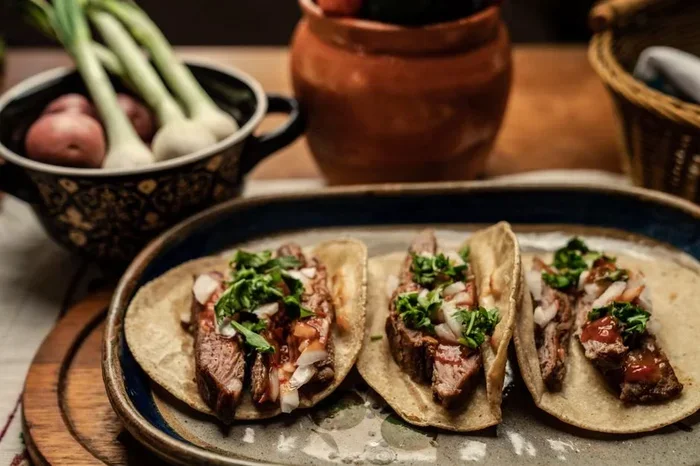
Flank steak also works wonderfully in tacos, salads, and wraps. Slice it thinly against the grain and serve it on warm tortillas with your favorite toppings. The steak seasoning and smoky char from the grill make it a standout in any dish.
For meal prep, grilled flank steak keeps well in the refrigerator for up to three days. Slice it after it has cooled and store it in an airtight container. It makes an excellent addition to lunches and quick dinners throughout the week.
Remember that every step, from the marinade recipe to the final slice, contributes to the overall experience. Take your time, enjoy the process, and you will be rewarded with a tender steak that rivals anything from a restaurant.
If you are looking to expand your grilling knowledge, exploring techniques for other cuts like how to make chicken drumsticks on the stove can give you more confidence in working with different proteins and cooking methods.
Final Thoughts
Making the ultimate marinade for grilled flank steak does not require fancy ingredients or complicated techniques. It requires the right balance of acid, oil, and seasoning, paired with proper marinating time and grilling technique. Follow the steps in this guide and you will consistently produce flank steak that is tender, juicy, and full of flavor.
The beauty of a great marinade is that it works with simple ingredients to create extraordinary results. You do not need expensive cuts or special equipment. Just a good recipe, a little patience, and a hot grill. Now go fire up that grill and make your next flank steak the best one yet.
Your family and friends will notice the difference. And once you master this flank steak marinade, you will never go back to bland, dry grilled steak again. Happy grilling.
Frequently Asked Questions
How long should I marinate flank steak for the best results?
2 to 4 hours is the ideal marinating time for flank steak. This window allows the marinade to penetrate deeply and tenderize the meat without breaking down the texture. If you are short on time, even 30 minutes adds noticeable flavor, but longer marinating up to 4 hours delivers the best steak tenderness and depth of taste.
Can I marinate flank steak overnight?
It is not recommended to marinate flank steak in an acidic marinade overnight. The acid can break down the meat fibers too much and create a mushy, gray surface. If you want to marinate for longer, use an oil and seasoning-based marinade without acid, and add the acidic component just before grilling.
What is the best way to tell if flank steak is done grilling?
Use a meat thermometer for the most accurate results. Pull flank steak off the grill at 130 to 135 degrees Fahrenheit for medium-rare. The temperature will rise a few degrees as the steak rests. If you do not have a thermometer, press the center of the steak, it should feel firm but slightly yielding for medium-rare.
Should I cut flank steak with or against the grain?
Always cut flank steak against the grain. The grain refers to the long muscle fibers running through the meat. Cutting across these fibers shortens them, making each bite much more tender. Cutting with the grain leaves the long fibers intact, which results in a chewy, tough eating experience.
Can I reuse leftover marinade?
No, do not reuse marinade that has been in contact with raw meat. It contains harmful bacteria from the raw steak. If you want to use extra marinade as a sauce, set aside a portion before it touches the raw meat. Boil any used marinade vigorously for at least two minutes if you absolutely need to reuse it, but fresh is always safer and better tasting.
What can I do if my flank steak turns out tough?
If your flank steak comes out tough, the most common causes are overcooking, cutting with the grain, or not marinating long enough. Next time, use a meat thermometer to avoid overcooking, always slice against the grain, and make sure your flank steak marinade has enough time to work. You can also learn from techniques in how to fix tough corned beef on the stove, which shares helpful principles for rescuing tough beef.



