
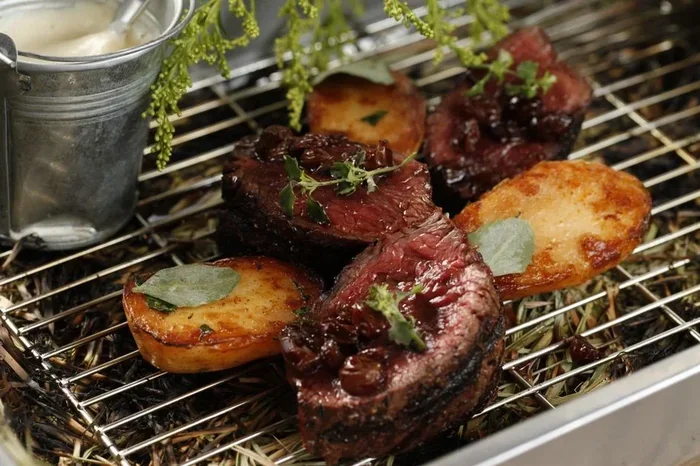
Cooking filet mignon in the oven is easier than you think. This guide walks you through searing, oven temperature, timing, and resting for a perfect oven-baked filet mignon every single time. You will learn how to get a pink center and restaurant-quality steak at home with simple steps and a meat thermometer.
Few things in the kitchen feel as special as a perfectly cooked filet mignon. It is tender, juicy, and incredibly satisfying. Whether you are celebrating a special occasion or just treating yourself to a great meal, learning how to cook filet mignon in the oven is a skill worth having.
The good news? You do not need a fancy restaurant or expensive equipment. A basic oven, a cast iron skillet, and a little patience are all you need. This guide breaks down every step so you get consistent, delicious results. Let us dive in.
Key Takeaways
- Sear First, Then Oven Finish: A hot skillet creates a flavorful crust before the oven gently cooks the center.
- Internal Temperature Is Everything: Pull your steak at 120°F for medium-rare and let carryover cooking do the rest.
- Resting Time Matters: Always rest your steak for at least 5-8 minutes to lock in the juices.
- Use a Cast Iron Skillet: It retains heat beautifully and gives you that perfect sear.
- Simple Seasoning Wins: Salt, pepper, garlic, and fresh herbs are all you need for a restaurant-quality steak.
📑 Table of Contents
Why Cook Filet Mignon in the Oven?
The oven method, also known as sear and roast, gives you the best of both worlds. You get a deep, caramelized crust from the skillet and a perfectly even cook from the oven. This approach works beautifully for beef tenderloin steak because the tenderloin is naturally lean and tender.
Here is why this method stands out:
- Even cooking: The oven surrounds the steak with gentle, consistent heat.
- Better control: You can monitor the internal temperature easily.
- Crispy crust: Searing first adds flavor and texture you cannot get from oven-only cooking.
- Minimal fuss: No special tools or techniques required.
This method is similar to how many chefs pan-sear and finish in the oven. It is reliable and forgiving, making it perfect for beginners and seasoned cooks alike.
What You Will Need
Essential Equipment
You do not need much to make this work. Here is your basic setup:
- A cast iron skillet or oven-safe stainless steel pan
- A meat thermometer (this is non-negotiable for perfect results)
- Tongs for flipping
- A cutting board
- A small saucepan for butter basting
Ingredients
Keep it simple. The best filet mignon recipe relies on quality meat and minimal seasoning:
- 2 filet mignon steaks, about 1.5 to 2 inches thick
- Kosher salt and freshly cracked black pepper
- 2 tablespoons unsalted butter
- 2 cloves garlic, smashed
- Fresh thyme or rosemary sprigs
- A drizzle of olive oil
How to Cook Filet Mignon in the Oven Step by Step
Step 1: Bring the Steak to Room Temperature
Take your steaks out of the refrigerator 30 to 45 minutes before cooking. This is a crucial step. A cold steak cooks unevenly, with a cool center and an overcooked edge. Letting it sit at room temperature ensures a more even cook from edge to center.
Pat the steaks dry with paper towels. Moisture is the enemy of a good sear. Dry surfaces mean better Maillard reaction, which is the science behind that beautiful brown crust.
Step 2: Season Generously
Season both sides with kosher salt and plenty of black pepper. Do not be shy. The salt helps draw out moisture initially, but it also creates a flavorful crust. Some cooks like to add a touch of garlic powder or onion powder for extra depth.
If you have time, salt the steaks up to an hour ahead and leave them uncovered in the fridge. This technique, called dry brining, pulls moisture to the surface and then reabsorbs it, seasoning the meat deeply.
Step 3: Preheat the Oven
Set your oven to 400°F. This is the sweet spot for oven-baked filet mignon. It is hot enough to cook the steak efficiently but not so hot that it dries it out. Some recipes call for 375°F, but 400°F gives you a slightly faster cook time while still being gentle enough to preserve juiciness.
While the oven heats, place your cast iron skillet on the stove. You want it ripping hot before the steak hits the pan.
Step 4: Sear the Steak
Add a high-smoke-point oil to the skillet. Olive smoke point is too low for this, so use avocado oil or vegetable oil. Once the oil is shimmering, carefully place the steak in the pan.
Do not move it. Let it sear for 2 to 3 minutes on the first side. You will hear a satisfying sizzle. That sound means the sear is working. Flip the steak and sear the other side for another 2 minutes.
For extra flavor, add the butter, garlic, and herbs to the pan after flipping. Tilt the pan slightly and spoon the butter baste over the steak repeatedly. This technique adds richness and aroma that elevates the entire dish.
Step 5: Transfer to the Oven
Move the skillet directly into the preheated oven. This is where the magic happens. The oven gently finishes the cook without burning the crust.
Cook times vary based on thickness and desired doneness:
| Steak Thickness | Medium-Rare (130°F) | Medium (140°F) | Medium-Well (150°F) |
|---|---|---|---|
| 1.5 inches | 6-7 minutes | 8-9 minutes | 10-11 minutes |
| 2 inches | 8-9 minutes | 10-11 minutes | 12-14 minutes |
Use your meat thermometer inserted horizontally into the thickest part of the steak. This is the only way to know for sure. The target internal temperature before resting is 120°F for medium-rare, which will rise to about 130°F after resting.
Step 6: Rest the Steak
This step is just as important as the cooking. Transfer the steak to a warm plate or cutting board and tent it loosely with aluminum foil. Let it rest for 5 to 8 minutes.
During resting, the juices redistribute throughout the meat. If you cut too early, they run all over the plate instead of staying in the steak. Think of it like letting a car engine cool down before you pop the hood.
While the steak rests, you can spoon any pan juices over the top for extra flavor. This simple step makes a noticeable difference.
Common Mistakes to Avoid
Even experienced cooks make errors with oven-cooked steak. Here are the most common ones:
- Skipping the sear: Some people go straight from fridge to oven. You lose the crust and deep flavor that makes filet mignon special.
- Using a cold pan: A lukewarm skillet means the steak steams instead of sears. Always preheat your pan until it is smoking hot.
- Overcooking: Filet mignon is lean. It dries out fast. Use a thermometer and pull it early. Carryover cooking will raise the temperature another 5 degrees.
- Not resting: Cutting into the steak immediately releases all those precious juices. Patience pays off here.
- Wrong steak thickness: Very thin steaks overcook in the oven before developing a good crust. Look for steaks at least 1.5 inches thick.
Pro Tips for the Perfect Filet Mignon
Choose the Right Cut
Look for filet mignon that is at least 1.5 inches thick. Thicker cuts give you more room for error and a better sear-to-oven ratio. If you can, buy from a reputable butcher who ages their beef. Dry-aged filet has a richer, more concentrated flavor.
The Butter Baste Technique
This restaurant trick is simple but transformative. After flipping the steak, add butter, garlic, and herbs to the pan. As the butter melts and browns, spoon it over the steak every 30 seconds. This adds a nutty, rich flavor and helps cook the top of the steak gently.
Let the Steak Rest Like Other Proteins
If you have ever wondered how to keep ribs warm in the oven after cooking, the principle is the same. Resting lets the internal temperature stabilize and the juices settle. You can hold a finished steak in a warm oven (around 170°F) for up to 20 minutes if needed, just like you would hold other proteins like chicken wings at 400°F or sausages cooked at the same temperature.
Slicing Matters
Always slice against the grain. Filet mignon is already tender, but cutting against the grain makes it even more so. Use a sharp knife and cut slices about half an inch thick for the best mouthfeel.
Serving Suggestions
A great filet mignon deserves great sides. Here are some ideas:
- Crispy roasted potatoes or dehydrated vegetables for a lighter option
- Garlic mashed potatoes for a classic pairing
- Roasted asparagus or broccolini
- A simple mixed green salad with red wine vinaigrette
- Creamed spinach or mushrooms for a rich, indulgent side
A glass of red wine, like a Cabernet Sauvignon or Pinot Noir, pairs beautifully with filet mignon. The tannins in the wine complement the beef perfectly.
How Filet Mignon Compares to Other Cooking Methods
There are several ways to cook filet mignon. Here is how the oven method stacks up:
| Method | Best For | Crust | Evenness of Cook | Difficulty |
|---|---|---|---|---|
| Oven Sear and Roast | Thick cuts, even cooking | Excellent | Very even | Easy |
| Grill | Smoky flavor | Good | Moderate | Medium |
| Sous Vide | Precision cooking | Needs final sear | Perfect | Advanced |
| Reverse Sear | Very thick cuts | Great | Very even | Medium |
The oven sear and roast method hits the sweet spot between simplicity and results. It is more forgiving than sous vide and gives better crust than a pure oven method. For most home cooks, this is the best way to go.
Storing and Reheating Leftover Filet Mignon
If you have leftovers, store them properly to enjoy them later:
- Refrigerate within 2 hours of cooking. Store in an airtight container for up to 3 days.
- To reheat, use a low oven (275°F) for about 10 minutes. This keeps the steak from drying out.
- You can also reheat in a skillet with a little butter on low heat. Cover the pan to trap moisture.
- Avoid microwaving. It tends to make the steak tough and rubbery.
Reheating gently preserves the texture and flavor. Think of it like how you would carefully reheat crab legs in the oven or heat up lasagna in the oven low and slow.
Final Thoughts
How to cook filet mignon in the oven is one of the most rewarding skills you can learn in the kitchen. The process is straightforward: bring the steak to room temperature, season well, sear hard, finish in the oven at 400°F, and rest before serving. Use a meat thermometer, keep an eye on the internal temperature, and resist the urge to cut too early.
With practice, you will nail the perfect medium-rare filet every time. The sear, the juicy center, the aromatic butter baste, the tender slice, it all comes together beautifully. Your family and guests will never guess you made this at home.
So grab a steak, preheat that oven, and get cooking. A perfect filet mignon is closer than you think.
Frequently Asked Questions
What temperature should I cook filet mignon in the oven?
Preheat your oven to 400°F for the best results. This temperature cooks the steak evenly without drying it out. The high heat of the oven finishes the job after you have created a great sear on the stovetop.
How long should I cook a 2-inch filet mignon in the oven?
A 2-inch thick filet mignon typically needs 8 to 9 minutes for medium-rare at 400°F after searing. Always use a meat thermometer to check the internal temperature. Pull the steak at 120°F and let carryover cooking bring it to 130°F while resting.
Do I need to sear filet mignon before putting it in the oven?
Yes, searing is highly recommended. The sear creates a flavorful crust through the Maillard reaction. It adds depth and texture that you cannot get from oven cooking alone. A hot cast iron skillet and a few minutes per side is all it takes.
What is the best internal temperature for medium-rare filet mignon?
Medium-rare filet mignon should reach 130°F after resting. Pull the steak from the oven at 120°F and let it rest for 5 to 8 minutes. The temperature will rise during resting, giving you a perfectly pink center.
Can I use a regular baking sheet instead of a cast iron skillet?
You can, but a cast iron skillet is far superior for this method. It retains heat better and gives you a much better sear. If you only have a baking sheet, you can still oven-finish the steak, but the crust will not be as pronounced.
How do I keep cooked filet mignon warm before serving?
Transfer the rested steak to a warm plate and tent loosely with foil. You can hold it in a low oven (around 170°F) for up to 20 minutes without it drying out. This works the same way as keeping other proteins warm, similar to how you would keep a turkey warm in the oven.



