
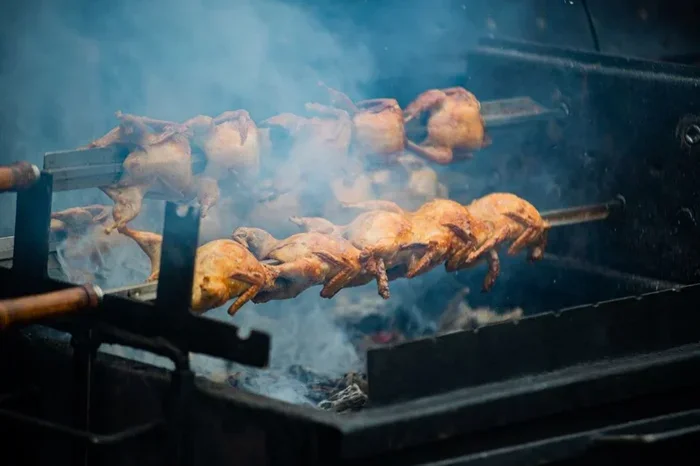
Cornish hen is a small, tender poultry bird that packs big flavor into a compact package. It is not a baby chicken but a specific breed known for its delicate meat and rich taste. Whether you roast it, grill it, or use an air fryer, this bird cooks fast and looks impressive on any plate. It is the perfect choice for an elegant dinner party or a simple weeknight meal. This guide covers everything you need to know about cornish hen today.
If you have ever seen a tiny whole bird at the butcher counter and wondered what it was, chances are you were looking at a cornish hen. This small poultry bird has been a favorite of home cooks and fine dining restaurants for decades. It is tender, flavorful, and surprisingly easy to prepare. Despite its elegant reputation, cooking a cornish hen is something anyone can do with basic kitchen tools.
In this guide, we will walk you through everything you need to know about cornish hen. You will learn what it is, how it differs from regular chicken, the best ways to cook it, and why it deserves a spot on your dinner table more often. Whether you are a beginner or a seasoned home cook, this article has practical tips and ideas you can use right away.
Key Takeaways
- Cornish hen is a specific breed: It is not a baby chicken but a young Cornish game hen, typically under five weeks old and weighing around one to two pounds.
- It cooks quickly: Because of its small size, a whole cornish hen roasts in about 45 minutes to one hour, making it ideal for busy weeknights.
- Versatile cooking methods: You can roast, grill, braise, or air fry a cornish hen with excellent results every time.
- Nutrient-dense protein: Cornish hen is lean, high in protein, and lower in calories than many other poultry cuts.
- Perfect for individual servings: Each bird serves one person, making it a natural choice for elegant, portion-controlled meals.
- Affordable and accessible: Cornish hens are widely available at most grocery stores and are often priced competitively with whole chickens.
📑 Table of Contents
- What Is a Cornish Hen?
- Cornish Hen vs Chicken: Key Differences
- How to Cook a Cornish Hen (Best Methods)
- Cornish Hen Nutrition and Health Benefits
- Tips for Buying and Serving Cornish Hen
- Popular Cornish Hen Recipes to Try at Home
- Common Mistakes to Avoid When Cooking Cornish Hen
- Why Cornish Hen Deserves a Spot in Your Kitchen
What Is a Cornish Hen?
A cornish hen is a young bird from the Cornish game hen breed. Despite the name, it is not a hen in the traditional sense. It is a cross between a Cornish chicken and a Plymouth Rock hen, bred specifically for its small size and tender meat. These birds are typically slaughtered when they are under five weeks old and weigh between one and two pounds.
The term “cornish hen” is often used loosely. In the United States, the USDA defines it as a young chicken of either sex that weighs no more than two pounds ready-to-cook weight. This means your cornish hen at the store is essentially a very young, small chicken. But the breed and the way it is raised give it a distinct flavor and texture that sets it apart from standard broiler chickens.
Where Does the Cornish Hen Come From?
The cornish game hen originated in Cornwall, England, in the 1800s. It was bred as a fighting bird before eventually becoming popular as a food source. In the 1950s, a New York poultry farmer named Alphonsine Makowsky helped popularize the bird in the United States. She raised Cornish crosses and marketed them as a premium small bird. The rest, as they say, is history. Today, cornish hens are raised all over the world and are a staple in both home kitchens and restaurant menus.
What Does Cornish Hen Taste Like?
The flavor of a cornish hen is mild but richer than regular chicken. Because the bird is young and has less time to develop tough muscle fibers, the meat is incredibly tender. The breast meat is juicy and slightly sweet, while the legs offer a deeper, more concentrated flavor. Many people describe the taste as a more refined version of chicken. When cooked properly, a cornish hen has a delicate texture that pairs beautifully with herbs, butter, citrus, and garlic.
Cornish Hen vs Chicken: Key Differences
It is easy to see why people confuse cornish hens with regular chickens. They look similar on the plate, but there are meaningful differences. Understanding these differences helps you decide when to reach for a cornish hen instead of a full chicken.
Size and serving: A whole cornish hen weighs one to two pounds, which is enough for one generous serving. A whole chicken, on the other hand, typically weighs four to six pounds and serves three to four people. This makes cornish hen the go-to choice when you want individual portions or an elegant presentation.
Cooking time: Because of its small size, a cornish hen cooks much faster. A whole chicken can take over an hour and a half to roast, while a cornish hen is done in 45 to 60 minutes. This is a huge advantage for weeknight dinners or when you are cooking multiple birds for a dinner party.
Texture and flavor: Cornish hen meat is more tender and delicate than standard chicken. The breast meat is softer, and the overall flavor is slightly richer. Regular chicken has a more neutral taste, which makes it more versatile for heavily seasoned recipes. But cornish hen shines when you want the bird itself to be the star of the dish.
Price: Cornish hens are generally more expensive per pound than whole chickens. You might pay five to eight dollars per bird at the grocery store, compared to one to two dollars per pound for a whole chicken. However, because each bird serves one person, the per-serving cost is often comparable.
| Feature | Cornish Hen | Whole Chicken |
|---|---|---|
| Weight | 1 to 2 lbs | 4 to 6 lbs |
| Servings | 1 person | 3 to 4 people |
| Roasting Time | 45 to 60 minutes | 75 to 120 minutes |
| Texture | Tender, delicate | Firmer, more versatile |
| Price per Bird | $5 to $8 | $5 to $10 |
| Best For | Individual servings, elegant meals | Family meals, meal prep |
How to Cook a Cornish Hen (Best Methods)
One of the best things about cornish hen is how forgiving it is in the kitchen. There are many ways to cook it, and most methods produce excellent results. Here are the top techniques you should try.
Roasting a Whole Cornish Hen
Roasting is the classic way to prepare cornish hen. Start by patting the bird dry with paper towels. This helps the skin crisp up beautifully. Rub the outside with butter or olive oil, then season generously with salt, pepper, garlic powder, and fresh herbs like thyme or rosemary.
Place the bird breast-side up in a roasting pan. Roast in a preheated oven at 425°F for 45 to 60 minutes. The bird is done when the internal temperature reaches 165°F in the thickest part of the thigh. Let it rest for five to ten minutes before carving. This resting period keeps the juices locked in and makes the meat even more tender.
Grilling Cornish Hen
Grilling adds a smoky flavor that pairs wonderfully with cornish hen. Before placing the bird on the grill, brine it for two to four hours in a simple saltwater solution. This keeps the meat moist during cooking.
Set up your grill for indirect heat and maintain a temperature around 375°F. Place the cornish hen away from the direct flame and close the lid. Grill for about 40 to 50 minutes, turning once halfway through. A grill basket or skewer can help keep the bird stable. The skin should be golden and slightly charred when it is done.
Using an Air Fryer
If you own an air fryer, you are in for a treat. Cornish hen cooks beautifully in an air fryer because the circulating hot air crisps the skin perfectly. Season the bird as you would for roasting, then place it in the air fryer basket at 375°F for 25 to 35 minutes.
Flip the bird halfway through cooking for even browning. The air fryer version is faster than oven roasting and uses less energy. It is also a great option if you are cooking just one or two birds and do not want to heat up the oven.
Braising for Moist, Fall-Off-the-Bone Results
Braising is a lesser-known but fantastic method for cornish hen. Brown the bird in a hot skillet with butter, then add chicken broth, white wine, and vegetables to the pan. Cover and simmer on low heat for about 45 minutes. The result is incredibly moist meat with a rich, savory sauce. Braised cornish hen pairs well with mashed potatoes or crusty bread to soak up the juices.
Cornish Hen Nutrition and Health Benefits
Cornish hen is not just delicious, it is also a nutritious choice for your meals. Let us take a closer look at what this small bird brings to the table from a health perspective.
Cornish Hen Calories and Macronutrients
A single cornish hen, without skin, contains approximately 300 to 350 calories. The meat is high in protein, with about 40 to 45 grams per bird. It is also relatively low in fat, especially if you remove the skin before eating. A cornish hen with skin will have more calories and fat, but the added flavor is well worth it for most people.
Compared to a standard chicken breast, cornish hen offers a similar protein content but with a richer flavor profile. It is also a good source of B vitamins, particularly niacin and B6, which support energy metabolism and brain health.
Why Cornish Hen Is a Healthy Choice
Because cornish hen is a lean protein source, it supports muscle building and repair. It is also lower in saturated fat than many cuts of red meat. For people watching their calorie intake, cornish hen offers a satisfying, protein-rich meal without excessive calories. The small portion size naturally helps with portion control, which is a benefit for anyone managing their weight.
Additionally, cornish hen is free of carbohydrates, making it a great option for low-carb and keto diets. When paired with vegetables and healthy fats, it creates a balanced and nutritious plate.
Tips for Buying and Serving Cornish Hen
Buying a good cornish hen is easy, but a few tips can help you get the best results. Here is what to look for and how to serve it like a pro.
What to Look for When Buying
- Freshness: Look for cornish hens with pinkish skin and no unpleasant odor. The meat should feel firm and spring back when touched.
- Size: Choose birds that weigh between one and two pounds for the best meat-to-bone ratio.
- Frozen vs. fresh: Fresh cornish hens are ideal, but frozen ones work well too. If using frozen, thaw them in the refrigerator for 24 hours before cooking.
- Organic or free-range: These options tend to have better flavor and texture. They are worth the extra cost if you are serving cornish hen for a special occasion.
How to Serve Cornish Hen
Cornish hen is a natural showstopper at dinner parties. Serve each person their own whole bird for an impressive presentation. Pair it with roasted vegetables, wild rice, or a fresh garden salad. A drizzle of lemon butter or a creamy herb sauce adds a finishing touch that elevates the dish.
For a casual weeknight meal, you can cut the cornish hen into pieces and serve it family-style with mashed potatoes and steamed broccoli. The versatility of this bird means it works for both fancy dinners and simple suppers.
Popular Cornish Hen Recipes to Try at Home
Once you have your cornish hen, the fun part is cooking it. Here are a few tried-and-true recipes to get you started.
Classic Butter Herb Roasted Cornish Hen
Rub the bird with a mixture of softened butter, minced garlic, chopped parsley, and lemon zest. Season with salt and pepper, then roast at 425°F for 50 minutes. The butter creates a golden, crispy skin while keeping the meat juicy. This is the simplest and most reliable method for a beautiful result.
Lemon Garlic Grilled Cornish Hen
Marinate the cornish hen in a blend of olive oil, lemon juice, minced garlic, and Italian herbs for at least two hours. Grill over indirect heat for 45 minutes. The lemon adds brightness, and the garlic creates a savory depth of flavor. This recipe is perfect for summer outdoor cooking.
Honey Mustard Glazed Cornish Hen
Brush the bird with a mixture of honey, Dijon mustard, and apple cider vinegar during the last 15 minutes of roasting. The glaze caramelizes into a sweet and tangy coating that kids and adults both love. Serve with roasted sweet potatoes for a complete meal.
French-Style Cornish Hen with Mushrooms
This elegant recipe starts with a browned cornish hen nestled among sautéed mushrooms, shallots, and thyme. Add white wine and chicken broth, then braise in the oven for 45 minutes. The result is a restaurant-quality dish that is surprisingly easy to make at home. It is a perfect choice for a dinner party or a special date night.
Common Mistakes to Avoid When Cooking Cornish Hen
Even though cornish hen is forgiving, a few common mistakes can affect the outcome. Here is what to watch out for.
Overcooking: Because cornish hen is small, it can dry out quickly if left in the oven too long. Use a meat thermometer and pull the bird when the internal temperature reaches 165°F. Letting it go beyond 170°F can result in dry, tough meat.
Skipping the brine: If you are grilling or frying, skipping the brine step can lead to drier results. Even a quick 30-minute brine makes a noticeable difference in juiciness.
Not letting it rest: Cutting into the bird immediately after cooking releases the juices onto the cutting board instead of keeping them in the meat. Always let your cornish hen rest for five to ten minutes before serving.
Crowding the pan: If you are cooking multiple birds, give each one enough space in the pan. Crowding traps steam and prevents the skin from crisping properly.
Why Cornish Hen Deserves a Spot in Your Kitchen
Cornish hen is one of those ingredients that feels special without being complicated. It is small enough to cook quickly, elegant enough for a dinner party, and simple enough for a Tuesday night meal. The tender meat, rich flavor, and beautiful presentation make it a standout choice for any occasion.
Whether you are new to cooking poultry or looking for a fresh twist on your usual rotation, cornish hen is worth trying. Start with a simple roasted version, and once you see how easy and delicious it is, you will be reaching for it again and again. The versatility of this little bird means there is always a new recipe to explore, a new flavor combination to try, and a new occasion to impress.
So next time you are at the grocery store or butcher shop, pick up a cornish hen and give it a try. You might just discover your new favorite way to enjoy poultry. With the tips and recipes in this guide, you have everything you need to get started on your cornish hen journey today.
Frequently Asked Questions
Is a cornish hen the same as a baby chicken?
No, a cornish hen is not a baby chicken. It is a specific breed called the Cornish game hen, which is raised to be small and tender. While it looks like a tiny chicken, it has a distinct flavor and texture that sets it apart from regular broiler chickens.
How long does it take to cook a cornish hen?
A whole cornish hen takes about 45 to 60 minutes to roast in the oven at 425°F. Grilling takes roughly 40 to 50 minutes, and air frying takes 25 to 35 minutes. Always use a meat thermometer to check that the internal temperature reaches 165°F.
Can you eat the skin on a cornish hen?
Yes, the skin is edible and adds flavor and crispiness. However, the skin contains most of the fat in the bird. If you are watching your fat intake, you can remove the skin before or after cooking. Roasted skin with a little seasoning is delicious and adds a nice crunch.
How much does a cornish hen cost?
Prices vary by location and store, but a single cornish hen typically costs between five and eight dollars. Organic or free-range options may cost a bit more. Since each bird serves one person, the per-serving cost is often comparable to a regular chicken meal.
Can you freeze cornish hen?
Yes, you can freeze cornish hen. Fresh birds can be stored in the freezer for up to six months. Wrap them tightly in plastic wrap or freezer bags to prevent freezer burn. Thaw frozen cornish hens in the refrigerator for 24 hours before cooking for the best results.
What pairs well with cornish hen?
Cornish hen pairs beautifully with roasted vegetables, wild rice, mashed potatoes, and fresh salads. A lemon butter sauce, creamy mushroom sauce, or honey mustard glaze also complements the bird perfectly. For a complete meal, add some crusty bread to soak up the juices.
=== CONCLUSION ===
Cornish hen is a versatile, delicious, and elegant poultry option that works for any occasion. From roasting and grilling to air frying and braising, there are countless ways to prepare this small bird and enjoy its tender, flavorful meat. It cooks fast, looks beautiful on the plate, and delivers a restaurant-quality experience in your own kitchen. With the tips, recipes, and insights in this guide, you are fully equipped to buy, cook, and enjoy cornish hen with confidence. Give it a try this week and discover why this little bird has won the hearts of home cooks and chefs alike.



