
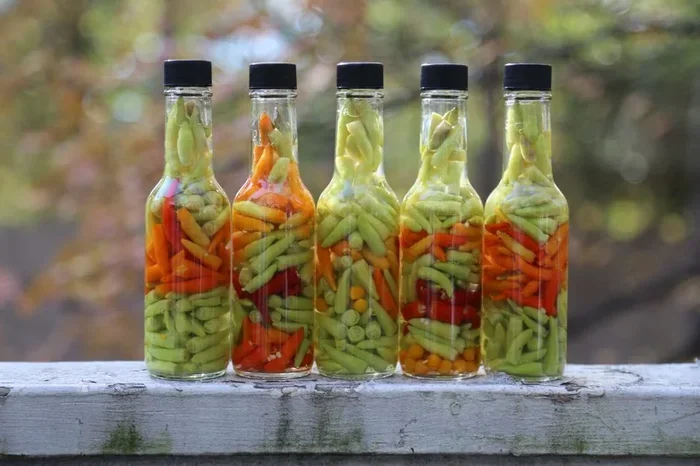
Pickled peppers are a simple, flavorful way to preserve your favorite hot and sweet peppers. Whether you prefer spicy pickled jalapeños or tangy banana peppers, this guide shows you everything you need to know. You will learn how to make them, store them safely, and use them in tasty dishes.
Pickled peppers are one of the most delicious and practical ways to preserve your harvest. If you have ever grown peppers in your garden or bought them in bulk at the farmers market, you know the struggle of using them all before they go bad. Pickled peppers solve that problem perfectly. They last for months, taste incredible, and add a punch of flavor to almost any meal.
In this guide, we will walk you through everything you need to know about homemade pickled peppers. From choosing the right peppers to mastering the brine, we have you covered. You will also learn about the health benefits, storage tips, and creative ways to enjoy them. Let us dive in!
Key Takeaways
- Easy to Make: Pickling peppers at home requires just a few simple ingredients and basic kitchen tools.
- Many Varieties: You can pickle any pepper, from sweet bell peppers to hot jalapeños and banana peppers.
- Long Shelf Life: Properly canned pickled peppers can last for months or even years in your pantry.
- Health Benefits: Pickled peppers offer probiotics, vitamins, and antioxidants that support gut health.
- Versatile Use: Enjoy pickled peppers on sandwiches, pizzas, salads, tacos, and as a standalone snack.
- Two Methods: You can use the water bath canning method or make quick refrigerator pickles for faster results.
📑 Table of Contents
What Are Pickled Peppers?
Pickled peppers are simply peppers that have been preserved in a vinegar-based solution. The process involves submerging peppers in a mixture of vinegar, water, salt, and sometimes sugar. This creates a tangy, flavorful condiment that can last for a very long time.
The pickling process has been around for centuries. People all over the world have been preserving peppers this way since long before refrigerators existed. Today, pickling remains one of the most popular methods of food preservation because it is simple, affordable, and incredibly effective.
There are two main ways to make pickled peppers at home. The first is water bath canning, which involves sealing peppers in jars and processing them in boiling water. This method gives you shelf-stable pickles that can sit in your pantry for a year or more. The second method is refrigerator pickling, which is faster and easier but requires you to keep the jars cold.
Why Pickle Peppers?
Pickling does more than just extend the life of your peppers. It also transforms their flavor. The vinegar adds a bright, tangy kick that complements the natural heat or sweetness of the pepper. You can customize the brine to suit your taste. Want it sweeter? Add more sugar. Like it spicier? Add extra garlic or hot pepper flakes.
Another great reason to pickle peppers is reducing food waste. If you have a bumper crop from your garden, pickling ensures none of those beautiful peppers go to waste. You can enjoy them long after the growing season ends.
Types of Peppers You Can Pickle
Almost any pepper works for pickling. The key is choosing peppers that are firm and fresh. Here are some of the most popular options for pickled pepper recipes:
Hot Peppers
Hot peppers are the stars of the pickling world. Pickled jalapeños are a household favorite. They bring heat and tang to pizzas, burgers, and sandwiches. Pickled banana peppers are milder and slightly sweet. They are perfect for salads and deli sandwiches. Other hot options include pickled serrano peppers, habanero peppers, and cayenne peppers.
Sweet Peppers
Not all pickled peppers need to be hot. Sweet bell peppers make wonderful pickles too. They turn a beautiful color and add a crisp, tangy bite to charcuterie boards and wraps. Pickled pepper rings made from sweet peppers are a great side dish for almost any meal.
Mixed Pepper Medleys
One of the best things about making homemade pickled peppers is that you can mix and match. Combine hot and sweet peppers in the same jar for a colorful, flavorful medley. Add onions, garlic cloves, or even carrots to the jar for extra flavor and crunch.
| Pepper Type | Heat Level | Best For |
|---|---|---|
| Jalapeño | Medium | Pizzas, sandwiches, nachos |
| Banana Pepper | Mild | Salads, deli sandwiches, relish |
| Serrano | Hot | Salsas, tacos, hot sauces |
| Bell Pepper | None | Snacks, side dishes, charcuterie |
| Habanero | Very Hot | Hot sauces, spicy relishes |
| Cayenne | Hot | Spice blends, pickling brine |
How to Make Pickled Peppers at Home
Making pickled peppers at home is easier than you might think. You do not need any fancy equipment or special skills. Here is a simple step-by-step guide to get you started.
What You Will Need
Before you begin, gather your ingredients and tools. Here is a quick checklist:
- Fresh peppers of your choice
- White vinegar or apple cider vinegar
- Water
- Pickling salt (do not use regular table salt)
- Sugar (optional, depending on your taste)
- Garlic cloves
- Dried herbs like dill or oregano
- Canning jars with lids and bands
- A large pot for the water bath
Step-by-Step Pickling Process
Step 1: Prepare the Peppers. Wash your peppers thoroughly. You can leave them whole, slice them into rings, or cut them into strips. Remove the stems and seeds if you prefer a milder flavor.
Step 2: Sterilize the Jars. Wash your canning jars in hot, soapy water. Then place them in a pot of boiling water for at least 10 minutes. This step is crucial for safe food preservation and preventing spoilage.
Step 3: Make the Brine. In a saucepan, combine one cup of vinegar, one cup of water, one tablespoon of pickling salt, and one teaspoon of sugar (if using). Bring the mixture to a boil and stir until the salt dissolves completely.
Step 4: Pack the Jars. Place your peppers in the sterilized jars. Add garlic cloves, dill, or any other seasonings you like. Pour the hot brine over the peppers, leaving about half an inch of space at the top.
Step 5: Seal and Process. Wipe the rims of the jars clean. Place the lids and bands on tightly. Lower the jars into a boiling water bath and process for 10 to 15 minutes, depending on the size of the jars.
Step 6: Cool and Store. Remove the jars from the water bath and let them cool on a towel. You will hear a satisfying popping sound as the lids seal. Store the jars in a cool, dark place for at least two weeks before opening. This allows the flavors to develop fully.
Quick Tips for Perfect Pickled Peppers
- Always use pickling salt instead of table salt. Table salt contains additives that can cloud your brine.
- Use fresh, firm peppers. Soft or wrinkled peppers will not give you the best results.
- Do not skip the jar sterilization step. It keeps your pickles safe to eat.
- Let the jars sit for at least two weeks before eating. The flavor improves with time.
- If you are in a hurry, try refrigerator pickling. It takes only a few days and does not require canning.
Common Mistakes to Avoid
Even experienced home cooks make mistakes when pickling. Here are a few to watch out for:
- Using the wrong type of vinegar. Always use vinegar with at least 5% acidity for safe canning.
- Skipping the water bath. If you want shelf-stable pickles, the water bath is non-negotiable.
- Using too much sugar. Too much sugar can make your pickles mushy and overly sweet.
- Not using enough salt. Pickling salt is essential for proper preservation and texture.
- Rushing the process. Good pickles need time. Let them sit for at least two weeks for the best flavor.
If you want to explore other ways to preserve peppers, check out our guide on how to dry peppers in an oven for a completely different preservation method that brings out a rich, concentrated flavor.
Health Benefits of Pickled Peppers
Pickled peppers are not just delicious. They also offer a range of health benefits that make them a great addition to your diet.
Rich in Vitamins and Antioxidants
Peppers are naturally packed with vitamins A and C. The pickling process helps preserve many of these nutrients. Vitamin C supports your immune system, while vitamin A is great for eye health. The vinegar in pickled peppers also contains antioxidants that help fight free radicals in your body.
Gut Health and Probiotics
Fermented and vinegar-based pickles can support healthy digestion. The acidity in the brine can promote the growth of beneficial bacteria in your gut. This is especially true for fermented peppers, which go through a natural lacto-fermentation process. A healthy gut is linked to better digestion, stronger immunity, and even improved mood.
Low in Calories
If you are watching your calorie intake, pickled peppers are a guilt-free snack. They are very low in calories and add bold flavor to your meals without adding extra fat or sugar. They make an excellent replacement for high-calorie condiments like mayonnaise or creamy dressings.
Capsaicin and Metabolism
Hot peppers contain a compound called capsaicin, which gives them their heat. Capsaicin has been linked to a slight boost in metabolism and may help with appetite control. So your spicy pickled jalapeños might actually be doing your body some good!
How to Store and Preserve Your Pickled Peppers
Proper storage is key to getting the most out of your homemade pickled peppers. Here is what you need to know:
Canned Pickled Peppers
Canned pickled peppers can be stored in a cool, dark place like a pantry or cellar. Keep them away from direct sunlight and heat sources. Properly canned pickles can last for 12 to 18 months. Always check the seals before opening. If a lid is bulging or the seal is broken, discard the jar immediately.
Refrigerator Pickles
Refrigerator pickles are not processed with a water bath, so they must be kept cold. They will last for up to two months in the refrigerator. These are perfect for people who want quick pickles without the canning process. They also tend to have a crisper texture than canned pickles.
Signs Your Pickles Have Gone Bad
Know the warning signs that your pickled peppers are no longer safe to eat:
- Bulging or loose jar lids
- Cloudy or discolored brine
- Unusual or foul odor when opening the jar
- Mold growing on the surface
- Slimy or soft peppers
When in doubt, throw it out. Food safety should always come first.
Creative Ways to Use Pickled Peppers
Once you have a jar or two of pickled peppers ready, the fun begins. There are so many ways to enjoy them beyond just eating them straight out of the jar.
On Sandwiches and Burgers
Pickled peppers are a classic burger topping. They add crunch, tang, and a kick of heat that balances the richness of the meat. Try them on a classic Italian hoagie or a spicy chicken sandwich for an extra flavor boost.
In Salads and Bowls
Chop up some pickled jalapeños or banana peppers and toss them into your favorite salad. They work wonderfully in grain bowls, taco salads, and poke bowls. The acidity of the pickle brightens up any dish.
On Pizza and Pasta
Top your homemade pizza with sliced pickled peppers for a tangy twist. They pair beautifully with mozzarella, basil, and pepperoni. You can also chop them into pasta dishes or stir them into creamy sauces for a surprising kick.
As a Condiment or Relish
Make a quick pepper relish by chopping your pickled peppers and mixing them with a little olive oil and fresh herbs. Spread it on crackers, serve it with cheese, or use it as a topping for grilled meats.
If you are looking for another great way to preserve peppers, you might also enjoy drying peppers in an air fryer. It is a fast, modern method that produces delicious pepper flakes and dehydrated pepper chips with minimal effort.
Final Thoughts on Pickled Peppers
Pickled peppers are a simple, rewarding, and incredibly tasty way to make the most of your pepper harvest. Whether you are a canning pro or a complete beginner, this guide has given you everything you need to get started. From choosing the right peppers to mastering the brine and storing your jars properly, you are now fully equipped to make homemade pickled peppers that rival anything from the store.
The beauty of pickling is that it is customizable. You control the heat, the sweetness, the spices, and the texture. Every batch can be different, and every jar is a reflection of your personal taste. So grab some fresh peppers, a bottle of vinegar, and a few canning jars. Your pickled pepper journey starts today!
Remember, practice makes perfect. Your first batch might not be flawless, and that is okay. Every jar you make teaches you something new. Soon, you will be pickling peppers like a pro and enjoying them in all your favorite dishes. Happy pickling!
Frequently Asked Questions
Can I use any type of vinegar for pickling peppers?
You should use vinegar with at least 5% acidity for safe canning. White vinegar and apple cider vinegar are the most popular choices. Apple cider vinegar adds a slightly fruity flavor that many people enjoy in their pickled peppers.
How long do homemade pickled peppers last?
Canned pickled peppers can last 12 to 18 months when stored properly in a cool, dark place. Refrigerator pickles last up to two months. Always check the seal and smell before eating any stored pickles.
Do I need special equipment to make pickled peppers?
You do not need much equipment. Basic canning jars, lids, bands, a large pot for the water bath, and a saucepan for the brine are all you need. If you want to skip canning, you can make quick refrigerator pickles with just jars and a fridge.
Can I reduce the heat of pickled peppers?
Yes! Remove the seeds and membranes from hot peppers before pickling to reduce the heat level. You can also soak the peppers in water for a few hours before adding them to the brine. This draws out some of the capsaicin and makes them milder.
Are pickled peppers healthy?
Yes, pickled peppers are a healthy snack option. They are low in calories and rich in vitamins A and C. The vinegar may also support digestion and gut health. Just be mindful of the sodium content if you are watching your salt intake.
What is the difference between canned and refrigerator pickled peppers?
Canned pickles go through a water bath processing step that makes them shelf-stable for long-term storage. Refrigerator pickles skip the canning process and must be kept cold. They are quicker to make but do not last as long as canned pickled peppers.



