
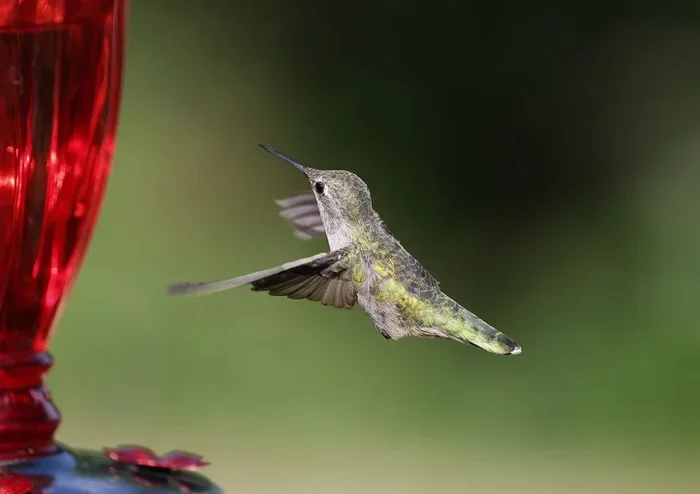
A hummingbird food recipe sugar water combination is the simplest, safest way to fuel these tiny birds. Mixing the right ratio of white sugar to water ensures your hummingbirds get the energy they need without harmful additives. In this guide, you’ll learn the exact proportions, step-by-step instructions, and expert tips for keeping your feeders fresh and your backyard visitors happy.
Key Takeaways
- 1:4 Ratio Is Golden: One part white sugar to four parts water is the closest match to natural flower nectar and the safest option for hummingbirds.
- Never Use Red Dye: Artificial red coloring can harm hummingbirds. Always make clear sugar water and let the red feeder do the work.
- Boil, Then Cool: Boiling the sugar water helps dissolve the sugar and removes impurities, but always let it cool before filling your feeder.
- Fresh Nectar Matters: Change your hummingbird food every 2-3 days in warm weather to prevent fermentation and mold growth.
- Avoid Honey and Sweeteners: Honey ferments quickly and can cause fatal fungal infections. Stick with plain white granulated sugar only.
- Clean Feeders Regularly: Scrubbing your feeder every few days prevents bacterial buildup that can harm hummingbird health.
- Store Leftover Nectar Properly: You can refrigerate extra sugar water for up to two weeks, similar to storing food without fridge reliance for short periods.
📑 Table of Contents
- The Perfect Hummingbird Food Recipe With Sugar Water
- What Is a Hummingbird Food Recipe Sugar Water?
- The Simple Sugar Water Ratio for Hummingbirds
- Step-by-Step Hummingbird Food Recipe
- Common Mistakes to Avoid When Making Hummingbird Food
- How to Store and Maintain Your Hummingbird Nectar
- Tips for Attracting More Hummingbirds to Your Garden
- Conclusion
The Perfect Hummingbird Food Recipe With Sugar Water
There’s something truly magical about watching hummingbirds dart around your garden. These tiny, iridescent birds bring life and color to any outdoor space. But attracting them consistently starts with one simple thing: hummingbird food recipe sugar water. Getting this right means the difference between a garden full of hovering visitors and an empty feeder.
Making hummingbird nectar at home is incredibly easy. You only need two ingredients: plain white sugar and water. That’s it. No fancy additives, no artificial colors, no exotic ingredients. The classic 1:4 ratio — one part sugar to four parts water — closely mimics the natural nectar found in wildflowers. This guide walks you through everything you need to know, from the exact recipe to common mistakes that can hurt the very birds you’re trying to help.
Whether you’re a first-time hummingbird watcher or a seasoned bird lover looking to refine your approach, you’ll find practical, science-backed advice here. Let’s get into it.
What Is a Hummingbird Food Recipe Sugar Water?
A hummingbird food recipe sugar water mixture is a homemade version of the natural nectar that hummingbirds consume in the wild. Wild hummingbirds feed on the sweet liquid produced by flowers, which contains sucrose, glucose, and fructose in varying amounts. Your sugar water mimics this energy source and gives hummingbirds the fuel they need for their incredibly fast metabolisms.
These birds burn energy at an astonishing rate. Their hearts beat over 1,200 times per minute, and they can flap their wings up to 80 times per second. They need to eat almost constantly throughout the day. A well-stocked feeder with proper sugar water can be a lifesaver, especially during migration seasons when natural flowers are scarce.
Making your own nectar also gives you full control over what goes into it. Commercial mixes sometimes contain unnecessary chemicals or dyes. When you make it yourself, you know exactly what your hummingbirds are consuming.
Why Sugar Water Works Best
White granulated sugar is the closest household substitute for natural flower nectar. Here’s why it works so well:
- Simple composition: White sugar is nearly pure sucrose, which breaks down into the same sugars hummingbirds use for energy.
- Easy to dissolve: When boiled with water, sugar creates a clear, clean solution that won’t clog feeder ports.
- Safe for hummingbird health: Unlike honey or artificial sweeteners, plain white sugar doesn’t introduce harmful bacteria or fungi.
- Affordable and accessible: You probably already have sugar and water in your kitchen right now.
Some people wonder if they can store leftover nectar or keep their sugar supply fresh for longer. If you want to learn more about proper sugar storage, check out this helpful guide on how to store sugar to keep it dry and free from clumps.
The Simple Sugar Water Ratio for Hummingbirds
The most important part of any hummingbird food recipe sugar water is the ratio. Too much sugar can cause kidney damage and dehydration. Too little sugar won’t provide enough energy. Getting the balance right is simple once you know the numbers.
The Classic 1:4 Ratio
The standard recommendation from ornithologists and wildlife experts is 1 part white sugar to 4 parts water. This produces a solution with roughly a 20% sugar concentration, which closely matches the sugar content of most common hummingbird-pollinated flowers. Here’s how to measure it:
- 1 cup white granulated sugar
- 4 cups water
Mix these together, bring to a boil, stir until dissolved, and let it cool. That’s your complete recipe. It takes less than five minutes to prepare.
Comparison of Common Sugar Water Ratios
| Ratio (Sugar:Water) | Sugar Concentration | Suitability |
|---|---|---|
| 1:3 | 25% | Too strong — can cause health issues |
| 1:4 | 20% | Ideal — matches natural nectar |
| 1:5 | 16.7% | Acceptable but less energy-dense |
| 1:6 | 14.3% | Too weak — won’t sustain hummingbirds |
As you can see, the 1:4 ratio sits right in the sweet spot. It delivers the energy hummingbirds need without overloading their systems. During extremely hot weather, some experts suggest a slightly weaker 1:5 mix to encourage more water intake, but the standard 1:4 works perfectly for most situations.
Step-by-Step Hummingbird Food Recipe
Now let’s walk through the actual process of making your hummingbird nectar. This is straightforward, but there are a few details that matter.
Ingredients You’ll Need
- 1 cup plain white granulated sugar (no substitutes)
- 4 cups water (distilled or tap water is fine)
- A saucepan with a lid
- A stirring spoon
- A clean container for cooling
Make sure your utensils are clean. Any residue from previous food can introduce bacteria into the nectar. This is especially important if you’re storing your ingredients in containers like those discussed in best large glass jars for food storage — always ensure they’re thoroughly cleaned before use.
Instructions
- Measure your water: Pour 4 cups of water into your saucepan.
- Add the sugar: Stir in 1 cup of white sugar gradually. This helps it dissolve more evenly.
- Bring to a boil: Place the pan on the stove over medium heat. Let it reach a gentle boil.
- Stir continuously: Keep stirring for about 1-2 minutes until all sugar crystals are fully dissolved. The solution should be completely clear.
- Remove from heat: Turn off the burner and let the mixture cool naturally. Do not add sugar to hot water off the stove — heating the water helps dissolve it, so this step matters.
- Pour into your feeder: Once completely cool (about 30-45 minutes), fill your hummingbird feeder. Store any leftover nectar in a clean, sealed container in the refrigerator for up to two weeks.
- Hang your feeder: Place it in a shaded area and wait for your hummingbirds to discover it.
That’s genuinely all there is to it. No waiting overnight, no special equipment, no complicated steps. If you’ve ever boiled pasta or made tea, you can make hummingbird nectar.
Common Mistakes to Avoid When Making Hummingbird Food
Even though the recipe is simple, several common mistakes can make your nectar harmful. Avoiding these pitfalls is just as important as knowing the recipe itself.
Never Use Red Dye or Artificial Coloring
This is the number one mistake new hummingbird enthusiasts make. Some people add red food coloring to their sugar water, thinking it will attract more birds. Research shows that red dye is unnecessary and potentially dangerous. The red color on most commercial feeders is enough to catch a hummingbird’s eye. In fact, many modern feeders already feature bright red components.
Red dye has been linked to kidney damage and other health problems in hummingbirds. Always make your nectar completely clear. Let the feeder do the attracting.
Avoid Using Honey or Artificial Sweeteners
Honey might seem like a natural alternative, but it’s actually worse than useless. Honey ferments extremely quickly when mixed with water, producing a mold called Aspergillus. This fungus can cause fatal aspergillosis in hummingbirds. Stick exclusively to plain white granulated sugar.
Artificial sweeteners like Splenda or stevia provide zero calories. Hummingbirds need actual energy to survive. Sweeteners without sugar content are essentially useless to them and can leave them malnourished.
Don’t Use Brown Sugar or Raw Sugar
Brown sugar contains molasses, which adds iron and other minerals that can be harmful to hummingbirds in concentration. Raw sugar and turbinado sugar have larger crystal structures that don’t dissolve as easily and may contain impurities. Plain white granulated sugar is the only safe choice.
How to Store and Maintain Your Hummingbird Nectar
Once you’ve made your hummingbird food recipe sugar water, proper storage and maintenance ensure it stays safe and appealing. Fresh nectar is critical for hummingbird health.
Keeping It Fresh
Hummingbird nectar spoils faster than you might think. In warm weather (above 85°F / 29°C), it can ferment within 24-48 hours. Here’s a simple schedule to follow:
- Cool weather (below 70°F): Change your nectar every 5-7 days.
- Moderate weather (70-85°F): Change every 3-4 days.
- Hot weather (above 85°F): Change every 2-3 days, or even daily if you notice cloudiness.
If the nectar shows any signs of cloudiness, floating debris, or a slight fermented smell, replace it immediately. Don’t wait. When storing extra nectar, keep it in a clean sealed container in the refrigerator — much like learning how to properly store food without fridge complications, having a cool storage plan is essential for freshness.
Cleaning Your Feeder
Every time you refill your feeder, give it a thorough cleaning. Use these steps:
- Disassemble the feeder completely.
- Rinse all parts with hot water.
- Use a bottle brush to scrub the interior, paying special attention to ports and perches where mold builds up.
- For stubborn residue, soak parts in a solution of 1 part white vinegar to 4 parts water for 15 minutes, then scrub again.
- Rinse thoroughly with clean water before refilling.
- Never use soap or dish detergent. Residual soap can leave harmful film that hummingbirds can detect and avoid.
Deep clean your feeder with a weak bleach solution (1/4 cup bleach per gallon of water) once a month. Rinse extremely well afterward.
Tips for Attracting More Hummingbirds to Your Garden
Having a perfectly made nectar is only part of the equation. Placement, timing, and your garden environment all influence how many hummingbirds visit. Here are some expert-backed tips to maximize your hummingbird traffic.
Feeder Placement Tips
- Shade is essential: Direct sunlight heats the nectar rapidly, causing it to spoil faster. Hang your feeder in a partially shaded spot.
- Keep it away from windows: Hummingbirds can fly into glass. Place feeders at least 10 feet from windows to prevent collisions.
- Elevate it slightly: Hanging feeders about 5 feet off the ground protects them from cats and other predators.
- Add a nearby perch: Hummingbirds like to rest between feedings. A small branch or wire near the feeder gives them a safe spot to survey their surroundings.
Adding Natural Nectar Sources
Feeders are fantastic, but supplementing with real flowers creates a more natural habitat. Plant these hummingbird favorites in your garden:
- Trumpet vine (Campsis radicans)
- Bee balm (Monarda)
- Cardinal flower (Lobelia cardinalis)
- Salvia (various species)
- Honeysuckle (Lonicera sempervirens — the native variety, not Japanese)
- Fuchsia
- Columbine
A mix of feeders and flowering plants gives hummingbirds multiple food sources and makes your garden a reliable stop during migration. Different hummingbird species prefer different flower shapes, so variety is key.
Timing Your Feeding Season
Put your feeders out about two weeks before your area’s expected hummingbird arrival date. In most parts of the United States, this means mid to late March for the spring migration. Keep feeders up through fall migration as well — early-migrating species like the Ruby-throated Hummingbird benefit from reliable food sources along their route.
In areas with year-round hummingbirds, such as parts of California and the Gulf Coast, keep feeders filled all winter. A heated feeder or indoor feeding station can help during freezing temperatures.
Quick Tips for Success
- Make multiple small feeders rather than one large one. Hummingbirds are territorial and will chase others away from a single feeder.
- Use feeders with bee guards to keep insects from stealing the nectar.
- Don’t worry about ants — use an ant mopper or hang your feeder with a wire hanger instead of a chain.
- Be patient. It can take a few days for hummingbirds to discover a new feeder. Place it near known flight paths for faster discovery.
Conclusion
Creating the perfect hummingbird food recipe sugar water is one of the simplest and most rewarding things you can do for your local wildlife. The 1:4 ratio of white sugar to water, boiled and cooled, gives hummingbirds a safe, energy-rich food source that closely mirrors what they find in nature. Avoid red dye, honey, and artificial sweeteners. Keep your nectar fresh and your feeder spotless. Place your feeder in shade and pair it with natural flowering plants for the best results.
Once you nail this recipe, you’ll start seeing those dazzling flashes of color in your garden. Ruby-throated, Anna’s, Calliope — whatever species visit your area, they’ll thank you for it. So grab a saucepan, measure up your sugar and water, and get ready to welcome your newest backyard neighbors. Happy feeding!
Frequently Asked Questions
Can I use brown sugar instead of white sugar for hummingbird food?
No, brown sugar contains molasses, which introduces iron and other minerals that are harmful to hummingbirds in concentrated amounts. Always use plain white granulated sugar. It’s the only type that closely matches natural flower nectar without any added compounds that could cause health problems.
How often should I change the sugar water in my hummingbird feeder?
It depends on the temperature. In hot weather above 85°F, change the nectar every 2-3 days. In moderate temperatures, every 3-4 days is sufficient. In cooler weather, once a week works. Always replace the nectar immediately if it becomes cloudy, discolored, or develops a fermented smell.
Is it safe to put hummingbird food in the refrigerator?
Yes, you can store leftover hummingbird nectar in a clean, sealed container in the refrigerator for up to two weeks. When you’re ready to use it, let it come to room temperature before filling your feeder. This is similar to storing other food items — proper refrigeration keeps the sugar water fresh and safe.
Why do hummingbirds fight over my feeder?
Hummingbirds are naturally territorial, especially males. They defend food sources aggressively to protect their energy supply. The best solution is to place multiple small feeders in different locations around your yard. This spreads the birds out and reduces conflict. Adding more flowering plants also helps distribute their attention.
Can I make hummingbird nectar with cold water without boiling?
You can stir sugar into cold water until it dissolves completely, but boiling has two advantages. First, it dissolves sugar faster and more thoroughly. Second, boiling sterilizes the water, removing bacteria and impurities. For best results and longest shelf life, always boil your sugar water for at least one to two minutes before cooling.
What time of year should I put out hummingbird feeders?
Put feeders out about two weeks before the expected arrival of hummingbirds in your area. For most regions in the U.S., this is mid to late March for spring migration. Keep feeders up through October or November to support fall migration. In mild climates where hummingbirds stay year-round, maintain feeders continuously with regular nectar changes.



