Learning how to cook cabbage on the stove top is a simple and rewarding skill. This guide walks you through every step, from picking the right cabbage to serving it perfectly. You will master tender, flavorful cabbage dishes without any hassle.
Key Takeaways
- Choose the right cabbage: Green, red, or Napa cabbage each bring unique flavors and textures to your stove top cooking.
- Prep matters: Properly washing, cutting, and seasoning your cabbage ensures even cooking and better flavor absorption.
- Master the heat: Medium to medium-high heat is the sweet spot for cooking cabbage perfectly on the stove top.
- Timing is everything: Most cabbage dishes take 15 to 30 minutes, depending on the cut and cooking method.
- Season generously: Butter, garlic, salt, pepper, and vinegar are classic seasonings that elevate cabbage dishes.
- Avoid common mistakes: Overcrowding the pan and using too high heat are the most frequent errors beginners make.
📑 Table of Contents
- How to Cook Cabbage on the Stove Top for Beginners
- Why Cook Cabbage on the Stove Top?
- Choosing the Best Cabbage for Stove Top Cooking
- Preparing Your Cabbage for the Stove
- Step-by-Step: How to Cook Cabbage on the Stove Top
- Popular Stove Top Cabbage Recipes
- Common Mistakes When Cooking Cabbage on the Stove Top
- Expert Tips for Perfect Stove Top Cabbage
- Health Benefits of Cabbage
- Storing and Using Leftover Cooked Cabbage
- Conclusion
How to Cook Cabbage on the Stove Top for Beginners
Cabbage often gets a bad rap. People think it is bland, boring, or hard to cook. But the truth is, cooking cabbage on the stove top can produce some of the most comforting and flavorful dishes you will ever eat. When done right, cabbage turns sweet, tender, and deeply satisfying.
This guide is built for beginners. You do not need fancy equipment or advanced skills. You just need a stove, a pan, a head of cabbage, and a few simple ingredients. By the end, you will know exactly how to cook cabbage like a pro.
We will cover everything. You will learn how to pick the best cabbage, how to cut it, what temperature to use, and which seasonings work best. Let us get started.
Why Cook Cabbage on the Stove Top?
Stove top cooking is one of the best ways to prepare cabbage. It gives you full control over the heat. You can sauté, braise, or simmer your cabbage to get the exact texture you want. Unlike microwaving, which can make cabbage soggy, the stove top lets you build real flavor.
Here is why stove top cooking stands out:
- Better flavor development. Direct heat creates a gentle caramelization on the edges of cabbage leaves.
- More texture control. You decide if your cabbage is crisp-tender or fully soft.
- Versatility. You can make soups, stir-fries, sautés, and braised dishes all on the stove top.
- Simplicity. You only need a few tools. A skillet or Dutch oven is all it takes.
Stove top cabbage dishes are also budget-friendly. Cabbage is one of the most affordable vegetables you can buy. A single head can feed a whole family. Plus, cabbage is packed with vitamins C and K, fiber, and antioxidants. Cooking it on the stove top preserves most of those nutrients too.
Choosing the Best Cabbage for Stove Top Cooking
Not all cabbages are the same. The type you choose affects the flavor, texture, and cooking time. Here is a quick breakdown of the most popular varieties.
Green Cabbage
Green cabbage is the most common type. It has tight, pale green leaves and a mild, slightly sweet flavor. It holds up well to high heat and is perfect for sautés and stir-fries. Green cabbage is also the best choice for beginners because it is easy to find and very forgiving when cooking.
Red Cabbage
Red cabbage has vibrant purple leaves and a slightly peppery taste. It takes a bit longer to cook than green cabbage. It is wonderful braised with a little vinegar or used in hearty stews. Red cabbage also adds a stunning color to any dish.
Napa Cabbage
Napa cabbage is lighter and more delicate. Its leaves are crinkly and pale yellow-green. It cooks faster than green cabbage and has a sweeter, more subtle flavor. Napa cabbage works great in soups and quick sautés.
Savoy Cabbage
Savoy cabbage has crinkly dark green leaves and a tender texture. It is slightly more bitter than green cabbage but responds beautifully to slow cooking. Try it in braised dishes with broth and spices.
| Cabbage Type | Flavor | Best For | Cook Time |
|---|---|---|---|
| Green | Mild, sweet | Sauté, stir-fry | 15-20 min |
| Red | Peppery, earthy | Braising, stews | 20-30 min |
| Napa | Sweet, delicate | Soups, quick sauté | 10-15 min |
| Savoy | Slightly bitter | Braising, braised dishes | 25-35 min |
Tip: No matter which type you pick, look for firm heads with crisp, unblemished leaves. Avoid cabbages that feel light or have soft spots.
Preparing Your Cabbage for the Stove
Proper preparation makes a huge difference. A few simple steps before you turn on the burner will help you get better results every time.
Washing Your Cabbage
Always rinse your cabbage under cold running water before cutting. Even if you plan to peel the outer leaves, dirt or residue can hide near the core. Gently rub the leaves as you rinse. Pat the cabbage dry with a clean towel or use a salad spinner.
Cutting Techniques
How you cut your cabbage affects how it cooks. Here are the most common cuts for stove top dishes:
- Wedges: Cut the cabbage in quarters through the core. Wedges hold together well and are great for braising or grilling on the stove top.
- Shreds: Remove the core and slice thinly into ribbons. Shreds are perfect for sautés and stir-fries.
- Chopped: Cut into small, bite-sized pieces. Chopped cabbage cooks quickly and works well in soups and hash.
- Whole leaves: Peel away individual outer leaves. These are ideal for stuffed cabbage rolls or wrapping fillings.
Pro tip: Always remove the tough core before cooking. The core does not soften well and can make your dish gritty. Use a sharp knife to slice around it and discard it.
Seasoning Basics
Cabbage loves simple seasonings. You do not need anything complicated. Here are the essentials to have on hand:
- Butter or olive oil for richness and flavor.
- Garlic for a savory depth.
- Salt and black pepper to enhance natural flavors.
- Apple cider vinegar for a bright, tangy lift.
- Chicken or vegetable broth for braising liquids.
- Red pepper flakes for a touch of heat.
Step-by-Step: How to Cook Cabbage on the Stove Top
Now let us walk through the actual cooking process. This method works for most stove top cabbage dishes. You can adapt it to your favorite recipe once you understand the basics.
Step 1: Heat Your Pan
Place a large skillet or Dutch oven over medium heat. Let it warm up for one to two minutes. A hot pan is essential for getting a good sear on your cabbage. If you are using oil or butter, add it once the pan is warm.
Step 2: Add the Fat
Use about one to two tablespoons of butter or olive oil. Let the butter melt completely or heat the oil until it shimmers. The fat prevents sticking and adds flavor. Do not skip this step, especially if you are cooking shredded cabbage.
Step 3: Add the Cabbage
Place your prepared cabbage into the pan. Spread it out in a single layer as much as possible. Avoid overcrowding the pan. If you add too much cabbage at once, it will steam instead of sauté. That leads to soggy results.
If you are cooking a large amount, cook in batches. This might take a little more time, but the results are worth it. Each batch gets direct contact with the hot pan.
Step 4: Cook and Stir
Let the cabbage cook without moving it for two to three minutes. This allows the bottom edges to caramelize slightly. Then stir and continue cooking. Most shredded cabbage dishes take about 10 to 15 minutes total. Larger wedges may need 20 to 30 minutes.
Step 5: Season and Finish
Add salt, pepper, and any other seasonings toward the end of cooking. Taste as you go. A splash of vinegar or a pour of broth near the end adds moisture and depth. Let the cabbage cook just until tender but still with a slight bite.
Quick tip: Do not overcook your cabbage. Overcooked cabbage becomes mushy and loses its flavor. Aim for tender-crisp, not completely soft.
Popular Stove Top Cabbage Recipes
Once you master the basics, you can explore different styles. Here are some beloved stove top cabbage dishes from around the world.
Simple Sautéed Cabbage
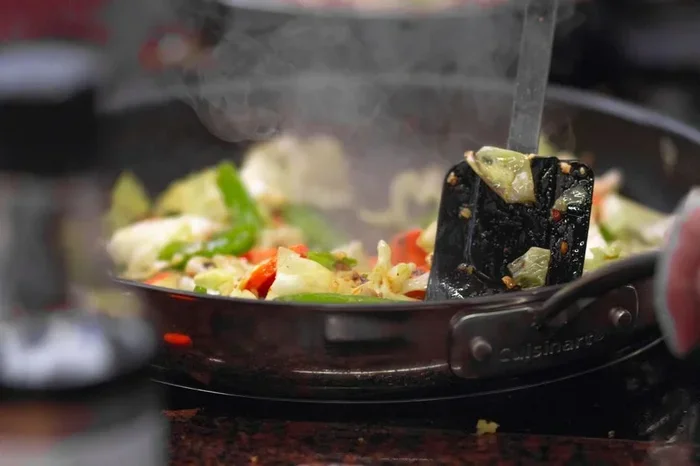
This is the fastest and easiest way to cook cabbage on the stove top. Shred a head of green cabbage. Sauté it in butter with garlic, salt, and pepper for about 12 minutes. Add a splash of apple cider vinegar in the last two minutes. Serve it as a side dish alongside roasted meat or bread. It is simple, healthy, and delicious.
Braised Cabbage with Butter and Broth
Cut a green cabbage into wedges. Sear them in a Dutch oven with butter until golden. Add chicken broth, a bay leaf, and a pinch of nutmeg. Cover and simmer on low heat for 25 to 30 minutes. The cabbage becomes silky and rich. This dish is a classic comfort food for a reason.
Cabbage Stir-Fry
Use Napa or green cabbage for stir-fry. Cut into thin strips. Heat a wok or large skillet on high heat. Add sesame oil, then toss in the cabbage with sliced carrots and snap peas. Stir constantly for 5 to 7 minutes. Add soy sauce and a squeeze of lime. This quick dish pairs perfectly with rice or noodles.
Corned Beef and Cabbage on the Stove Top
This is a traditional dish many home cooks love. You can make it entirely on the stove top. Simmer corned beef with cabbage wedges, potatoes, and carrots in a large pot. Cook on medium-low heat for about 90 minutes. The cabbage absorbs the savory broth and becomes incredibly tender. If you ever run into issues with the beef being tough, you can check out this helpful guide on how to fix tough corned beef on the stove for quick solutions.
Common Mistakes When Cooking Cabbage on the Stove Top
Even simple cooking can go wrong. Here are the most common mistakes beginners make and how to avoid them.
Overcrowding the Pan
This is the number one mistake. Too much cabbage in the pan traps steam. The cabbage steams instead of sautéing, and you lose that beautiful caramelized flavor. Cook in smaller batches if needed. Give your cabbage room to breathe.
Using Too High Heat
High heat can burn the outside while leaving the inside raw. Medium to medium-high heat is ideal for most cabbage dishes. It gives the cabbage time to soften evenly. If you are searing wedges first, start on medium-high, then lower the heat to finish cooking.
Skipping the Seasoning
Cabbage on its own can taste flat. Seasoning transforms it into something memorable. Salt is the most important seasoning. Do not be shy with it. Add pepper, garlic, or herbs to build more complex flavors. A little acid like vinegar or lemon juice brightens the whole dish.
Not Drying the Cabbage
Wet cabbage hits the pan and creates steam. Always dry your cabbage well after washing. Use a kitchen towel or paper towels. Dry cabbage sears better and cooks more evenly.
Expert Tips for Perfect Stove Top Cabbage
These tips come from experienced cooks and will take your cabbage dishes to the next level.
- Add a pinch of sugar. A tiny bit of sugar helps caramelize cabbage faster. It brings out the natural sweetness without making the dish taste sweet.
- Use a lid strategically. Covering the pan briefly helps soften cabbage. Remove the lid to let moisture escape and restore crispness.
- Pair with bold flavors. Cabbage pairs wonderfully with smoked sausage, bacon, onions, and garlic. These strong flavors complement cabbage’s mild taste.
- Rest before serving. Let cabbage sit for two to three minutes after cooking. This allows the flavors to settle and the texture to set.
- Save the core. Do not throw away the cabbage core. You can simmer it in broth to make a flavorful vegetable stock.
Health Benefits of Cabbage
Cabbage is a nutritional powerhouse. It is very low in calories but rich in important nutrients. Here is what you get from a typical serving:
- Vitamin C: Supports your immune system and skin health.
- Vitamin K: Important for bone health and blood clotting.
- Fiber: Aids digestion and keeps you feeling full.
- Antioxidants: Help reduce inflammation and protect your cells.
Cooking cabbage on the stove top preserves most of these nutrients. Unlike boiling, which can leach vitamins into the water, sautéing and braising keep them locked in. So you get great flavor and great nutrition at the same time.
Storing and Using Leftover Cooked Cabbage
Cooked cabbage stores well in the refrigerator. Place leftovers in an airtight container. They stay fresh for three to five days. You can reheat them in a skillet with a splash of broth or water. The texture holds up surprisingly well.
Leftover cooked cabbage is great in soups, frittatas, and quesadillas. You can also mix it into fried rice or pasta dishes. Do not freeze cooked cabbage if you can avoid it. It becomes soft and watery after thawing.
For raw cabbage storage, keep it whole in the refrigerator. It lasts one to two weeks. Once cut, wrap it tightly in plastic wrap and use it within a few days. If you want to learn more about proper food storage, check out this guide on how to store beef for tips that apply to storing meats often cooked alongside cabbage.
Conclusion
Now you know exactly how to cook cabbage on the stove top. You understand how to choose your cabbage, prepare it properly, and cook it to perfection. You have learned common mistakes to avoid and expert tips to elevate your dishes. Cabbage is one of the most versatile and affordable vegetables in your kitchen. With these skills, you can turn it into something truly delicious.
The next time you bring home a head of cabbage, do not hesitate. Fire up your stove, grab a pan, and give it a try. Start simple with sautéed cabbage. Once you feel confident, explore braised dishes and stir-fries. You will be surprised how good a humble vegetable can taste with a little attention and care.
Cook cabbage on the stove top more often. Your taste buds and your wallet will thank you.
Frequently Asked Questions
How long does it take to cook cabbage on the stove top?
Shredded cabbage takes about 10 to 15 minutes when sautéed. Larger wedges need 20 to 30 minutes when braised. The exact time depends on the thickness of your cut and the heat level you use. Always test for tenderness before serving.
What is the best temperature to cook cabbage on the stove top?
Medium to medium-high heat works best for most cabbage dishes. This range allows the cabbage to soften evenly without burning. If you are searing wedges first, you can start on medium-high and then lower the heat to finish cooking gently.
Do I need to soak cabbage before cooking?
Soaking is not required, but it can help remove any dirt or insects. A quick rinse under cold water and a good dry is usually enough. If you prefer, you can soak shredded cabbage in cold water for 10 minutes, then drain and pat completely dry before cooking.
Can I cook cabbage with other vegetables on the stove top?
Absolutely. Cabbage pairs well with onions, carrots, bell peppers, and garlic. Add harder vegetables first since they take longer to cook. Add cabbage and softer vegetables later so everything finishes at the same time. This approach works great for stir-fries and soups.
Why does my cabbage taste bitter?
Bitterness usually comes from overcooking or using old cabbage. Fresh cabbage should taste sweet or mildly peppery. Adding a pinch of sugar or a splash of vinegar can balance bitter flavors. Also, make sure you remove the tough outer leaves and core before cooking.
Is it better to cook cabbage covered or uncovered?
It depends on the texture you want. Cover the pan briefly to steam and soften the cabbage quickly. Then uncover it to let moisture escape and develop a slightly caramelized exterior. Using both methods during cooking gives you the best of both worlds: tender inside and flavorful outside.