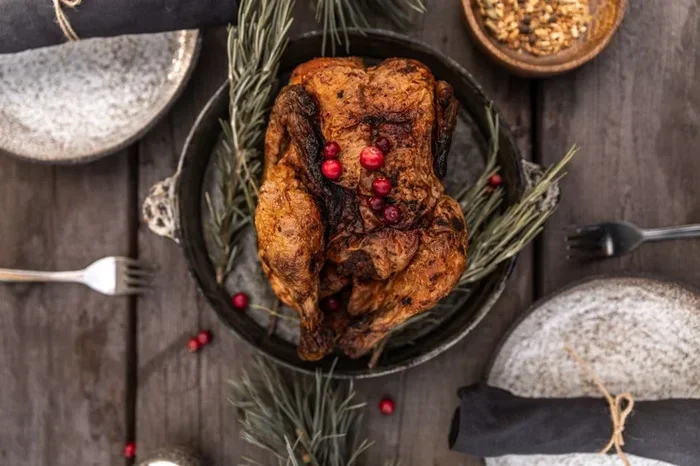
Cooking a turkey at 350°F takes about 13 minutes per pound for an unstuffed bird and up to 15 minutes per pound for a stuffed turkey. This guide covers exact timing based on turkey weight, oven temperature, and whether your bird is stuffed or unstuffed. You will learn how to use a meat thermometer, avoid common mistakes, and serve a juicy, golden brown roast turkey that impresses everyone at the table.
Roasting a turkey can feel intimidating, especially when you are cooking for a big group. The good news is that understanding the basics makes it much easier. When you know how long to cook a turkey per pound at 350 degrees, you can plan your holiday meal with confidence and avoid dry or undercooked meat.
Whether you are preparing a small bird for a family dinner or a large Thanksgiving turkey for a crowd, timing is everything. This guide breaks down the exact cooking times, shares practical tips, and answers the most common questions people ask about roasting turkey at 350°F. By the end, you will feel ready to tackle your next roast turkey with ease.
The general rule for poultry cooking at 350°F is simple. An unstuffed turkey needs about 13 minutes per pound. A stuffed turkey needs closer to 15 minutes per pound. But there is more to it than just the clock. Turkey weight, oven accuracy, and whether you use a roasting pan all play a role. Let us walk through everything you need to know.
Key Takeaways
- Unstuffed Turkey Timing: Plan for roughly 13 minutes per pound at 350°F for an unstuffed turkey.
- Stuffed Turkey Timing: A stuffed turkey needs about 15 minutes per pound at 350°F.
- Internal Temperature Matters: Always check that the thickest part of the thigh reaches 165°F for safe eating.
- Use a Meat Thermometer: This is the single best tool for ensuring your turkey is perfectly cooked.
- Resting Time Is Essential: Let your turkey rest for 20 to 30 minutes before carving to keep juices inside.
- Turkey Weight Drives Timing: Larger turkeys take longer per pound, so plan ahead for holiday meals.
- Baste for Golden Brown Skin: Regular basting helps achieve crispy, beautiful skin on your roast turkey.
📑 Table of Contents
- Understanding Turkey Cooking Time at 350°F
- How to Prepare Your Turkey for Roasting
- Step-by-Step Cooking Instructions for a Perfect Roast Turkey
- Common Mistakes to Avoid When Cooking Turkey
- How to Keep Your Turkey Warm After Cooking
- Expert Tips for Juicy Turkey Every Time
- How Long Does Turkey Rest After Cooking?
- Conclusion
Understanding Turkey Cooking Time at 350°F
The most asked question is always about timing. People want a straight number they can rely on. While general guidelines help, the real answer depends on several factors. Let us look at what actually affects your turkey cooking time at 350°F.
Why Turkey Weight Matters
A 10-pound turkey cooks very differently from a 20-pound turkey. Smaller birds cook faster because heat reaches the center more quickly. Larger birds need more time, and the heat has to travel further into the breast meat and drumstick areas. This is why per-pound timing is only a starting point.
Here is a quick look at estimated cooking times based on weight:
- 8 to 10 pounds: About 2.5 to 3 hours for unstuffed, 3 to 3.5 hours for stuffed.
- 10 to 14 pounds: About 3 to 4 hours unstuffed, 4 to 4.5 hours stuffed.
- 14 to 18 pounds: About 4 to 5 hours unstuffed, 5 to 5.5 hours stuffed.
- 18 to 22 pounds: About 5 to 6 hours unstuffed, 6 to 6.5 hours stuffed.
- 22 to 25 pounds: About 6 to 7 hours unstuffed, 7 to 7.5 hours stuffed.
These numbers are based on a steady 350°F oven temperature. Always remember that every oven is slightly different. Some run hot, and some run cool. That is why a cooking thermometer is your best friend in the kitchen.
Stuffed vs. Unstuffed Turkey: What Changes?
stuffing your turkey adds cooking time. The filling sits inside the cavity and needs to reach a safe temperature too. For food safety, the stuffing must also reach 165°F internally. This means your whole turkey needs to stay in the oven longer.
If you prefer not to stuff your bird, you can still add flavor. Try placing herbs, citrus slices, or onion quarters inside the cavity. This gives you great flavor without the extra cooking time. Many people find that an unstuffed turkey is easier to cook evenly and faster to prepare.
How to Prepare Your Turkey for Roasting
Proper preparation makes a big difference in the final result. Taking a few extra minutes before the bird goes into the oven can save you from dry meat or uneven cooking. Here is how to get your turkey ready.
Thawing Your Turkey Safely
If your turkey is frozen, you need to thaw it before roasting. The safest method is to place it in the refrigerator for 24 hours per 4 to 5 pounds. You can also thaw it in cold water, changing the water every 30 minutes. Never leave a turkey out on the counter to thaw. This creates a breeding ground for bacteria and is not safe for your holiday meal.
Seasoning and Flavor Tips
Once your turkey is thawed, pat it dry with paper towels. Dry skin helps achieve that crispy, golden brown exterior everyone loves. Rub butter or how to grease a pan without oil or butter under the skin of the breast for extra moisture and flavor. Season the inside of the cavity with salt, pepper, and your favorite herbs.
Some cooks like to brine their turkey overnight. Brining adds moisture and flavor deep into the meat. If you do not have time to brine, a simple dry rub works just as well. Just make sure you season generously.
Setting Up the Roasting Pan
Place your turkey breast-side up on a rack inside a roasting pan. The rack allows hot air to circulate around the bird, which helps it cook more evenly. If you do not have a rack, you can use chopped vegetables underneath the turkey to lift it up. This also adds flavor to your drippings.
Before putting the turkey in the oven, make sure you how to grease a pan without oil or butter if needed. A light coating of fat on the roasting pan prevents sticking and helps the drippings release easily for gravy later.
Step-by-Step Cooking Instructions for a Perfect Roast Turkey
Now that your turkey is prepped, it is time to cook it. Follow these steps for the best results when roasting at 350°F.
- Preheat your oven to 350°F before placing the turkey inside.
- Place the turkey breast-side up on a rack in the roasting pan.
- Insert a meat thermometer into the thickest part of the thigh without touching bone.
- Roast uncovered for the calculated time based on your turkey weight.
- Baste every 45 minutes with pan juices to keep the meat moist and build that beautiful golden brown color.
- Check the internal temperature when you think the turkey is done. The thickest part of the thigh should read 165°F.
- Remove from oven and let the turkey rest for 20 to 30 minutes before carving.
Following these steps gives you the best chance of a juicy, flavorful bird. The resting step is especially important. When you carve too soon, the juices run out and the meat dries up. Give your turkey time to relax after it comes out of the oven.
Basting: Does It Really Make a Difference?
Yes, basting does make a difference. It keeps the surface of the turkey moist and helps develop that deep, rich color. If you forget to baste, do not stress too much. The turkey will still cook fine. But if you want that restaurant-quality result, set a timer every 45 minutes and baste with a spoon or baster.
Using a Meat Thermometer for Accuracy
A meat thermometer removes all the guesswork from cooking turkey. Without one, you might overcook the breast while waiting for the thighs to finish. The thigh is the last part to reach the safe temperature of 165°F. Check it in multiple spots, including the thickest part of the breast, to make sure the entire bird is done.
Common Mistakes to Avoid When Cooking Turkey
Even experienced cooks make mistakes with turkey. Here are the most common errors and how to avoid them.
- Not thawing the turkey completely: A frozen or partially frozen turkey cooks unevenly. The outside can burn while the inside stays raw.
- Cooking at too high a temperature: Some people crank the oven to 425°F to speed things up. This can brown the outside too fast and leave the inside undercooked.
- Skipping the resting period: Cutting into the turkey right away releases all the juices. Let it rest and you will get much moister slices.
- Overcrowding the oven: Make sure there is enough space around the roasting pan for hot air to flow freely.
- Guessing doneness by time alone: Always use a thermometer. Time estimates are just guidelines, not guarantees.
Avoiding these mistakes will help you serve a perfectly cooked turkey that is juicy and flavorful from edge to edge.
How to Keep Your Turkey Warm After Cooking
Once your turkey is done, you need to keep it warm until serving time. This is especially important during holiday dinners when everything else is still being finished. You do not want your perfectly cooked bird to get cold while you wait for the sides to come together.
One of the best methods is to tent the turkey loosely with aluminum foil and let it rest on the counter for 20 to 30 minutes. The foil holds in the heat without trapping too much steam, which would make the skin soggy. If you need to keep it warm for longer, you can place it in a how to keep a turkey warm in the oven setup at a low temperature of around 150°F to 170°F.
Another option is to use a cooler lined with towels. This might sound unusual, but it works surprisingly well for keeping a large turkey warm for up to an hour. Just make sure the turkey is wrapped well and the cooler is pre-warmed with hot water and then dried out.
Expert Tips for Juicy Turkey Every Time
Getting a juicy turkey comes down to a few key practices. Here are expert-backed tips that make a real difference in your final result.
- Brine or dry brine: Brining adds moisture. A dry brine with salt rubbed on the skin 24 hours ahead also works wonders.
- Bring the turkey to room temperature: Take it out of the fridge 1 hour before cooking. This helps it cook more evenly.
- Use compound butter: Softened butter mixed with herbs and garlic, rubbed under the skin, adds incredible flavor and moisture.
- Do not overcook: Pull the turkey out when the thigh hits 165°F. The temperature will continue to rise a few degrees during resting.
- Save the drippings: The pan drippings make the best gravy. Use a fat separator for a smooth, delicious result.
These tips might seem small, but they add up to a turkey that is far better than the average roast. Your guests will notice the difference, and you will feel proud of the result.
How Long Does Turkey Rest After Cooking?
Resting is the final step that many people skip. But it is one of the most important parts of the whole process. When you remove the turkey from the oven, the juices inside are under a lot of pressure. Cutting into it right away releases those juices onto the cutting board instead of keeping them in the meat.
A good rule of thumb is to rest your turkey for 20 to 30 minutes for a bird up to 15 pounds. For larger turkeys over 15 pounds, rest for 30 to 45 minutes. Tent it loosely with foil during this time. You will notice that the juices settle back into the meat, making every slice moist and tender.
While the turkey rests, this is a great time to make your gravy from the pan drippings. It saves time and means everything is ready to serve at the same moment. Your holiday meal will feel seamless and stress-free.
Conclusion
Now you know exactly how long to cook a turkey per pound at 350 degrees. The basic rule is 13 minutes per pound for unstuffed and 15 minutes per pound for stuffed. But beyond the numbers, the real secret is using a meat thermometer, resting your turkey properly, and avoiding common mistakes that lead to dry meat.
Whether you are making a Thanksgiving turkey or a Sunday roast for the family, these guidelines will help you serve a bird that is juicy, flavorful, and beautifully golden brown. Take your time, follow the steps, and enjoy the process. Cooking a turkey does not have to be stressful. With the right knowledge and a little preparation, you will pull a stunning roast turkey out of the oven that everyone will love.
Start planning your next holiday meal with confidence. Use these tips, share them with friends, and make your turkey the star of the table. Happy cooking!
Frequently Asked Questions
How long does it take to cook a 12-pound turkey at 350°F?
A 12-pound unstuffed turkey takes about 2.5 to 3 hours at 350°F. A stuffed 12-pound turkey will need closer to 3 to 3.5 hours. Always check the internal temperature with a meat thermometer to confirm doneness.
What is the best internal temperature for a cooked turkey?
The USDA recommends that turkey reach an internal temperature of 165°F in the thickest part of the thigh and the thickest part of the breast. Use a reliable meat thermometer and check multiple spots for accuracy.
Should I cover my turkey with foil while roasting?
Most experts recommend roasting turkey uncovered. This allows the skin to become crispy and golden brown. You can tent the turkey loosely with foil during the resting period to keep it warm without steaming the skin.
Can I cook a turkey at a lower temperature than 350°F?
Yes, you can cook turkey at 325°F, but it will take longer per pound. Lower temperatures cook more gently and can result in moister meat, but they require more time and careful monitoring to ensure the turkey reaches 165°F safely.
How do I know if my turkey is done without a thermometer?
The juices should run clear when you pierce the thickest part of the thigh. The leg should wiggle loosely in the socket. However, a meat thermometer is the most reliable method and removes any guesswork from the process.
What is the best way to thaw a frozen turkey?
The safest method is thawing in the refrigerator, allowing 24 hours per 4 to 5 pounds. You can also thaw in cold water, changing the water every 30 minutes. Never thaw a turkey on the counter, as this creates unsafe bacteria growth conditions.