
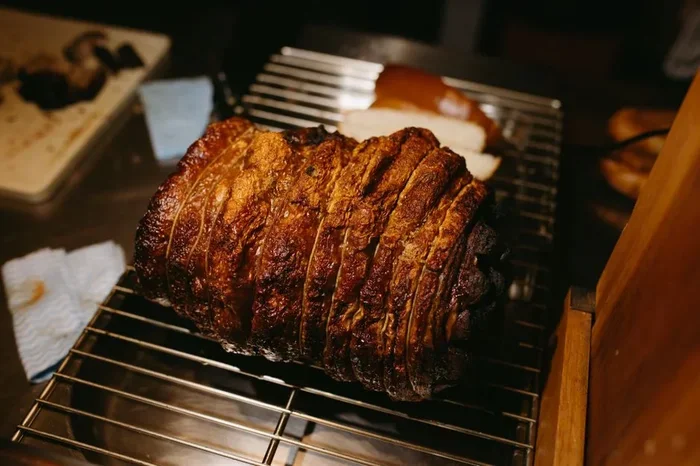
A pork roasting chart by weight helps you cook pork perfectly every single time. Knowing the right time and temperature based on weight removes all the guesswork. Whether you are roasting a small pork loin or a large shoulder, this guide covers everything you need. You will learn how long to cook pork, safe internal temperatures, and pro tips for juicy results. Keep this chart handy and never overcook your roast again.
Cooking pork can feel tricky. You want it juicy and tender, but not dry or undercooked. The truth is, a simple pork roasting chart by weight takes all the stress away. When you know how much your roast weighs, you can预测 exactly how long it needs in the oven. This guide breaks down everything you need to cook pork perfectly, every time.
Whether you are roasting a pork loin, shoulder, or tenderloin, weight is the key factor. A smaller cut cooks faster than a large one. A bone-in roast behaves differently from a boneless piece too. This pork roast cooking time guide walks you through it all in plain, simple terms. No guesswork. No stress. Just great pork on your table.
We will cover roasting times, safe temperatures, and easy tips for every skill level. By the end, you will feel confident handling any pork roast. Let’s get started.
Key Takeaways
- Cook by weight: Roasting time depends directly on the weight of your pork cut.
- Safe internal temp matters: Always aim for 145°F for whole cuts to ensure food safety.
- Rest your roast: Letting pork rest for 10-15 minutes keeps juices locked inside.
- Use a meat thermometer: This is the single best tool for perfect pork roasts.
- Bone-in vs boneless: Bone-in roasts take slightly longer but offer more flavor.
- Low and slow works well: Cooking at lower temps for longer yields tender, juicy pork.
- Size up your cut first: Weigh your pork before cooking to pick the right time and temp.
📑 Table of Contents
Pork Roasting Chart by Weight Explained
Why Weight Matters for Pork Roasting
Weight is the most important factor when cooking pork. A 2-pound pork loin cooks very differently from a 6-pound shoulder. The heavier the roast, the more time it needs to cook through evenly. Using a pork roast weight guide helps you plan your meal and avoid common mistakes.
Think of it this way. A small pork tenderloin might take 25 minutes. A big bone-in shoulder could take 4 hours. The difference is all about weight. When you follow a weight-based chart, you get consistent results every time.
Basic Pork Roasting Times by Weight
Here is a simple breakdown of general roasting times. These times assume a standard oven temperature of 350°F. Always use a meat thermometer to check doneness.
- 1-2 lbs: 20-30 minutes (pork loin, tenderloin)
- 2-4 lbs: 45-90 minutes (pork chops, smaller roasts)
- 4-6 lbs: 1.5-2.5 hours (pork shoulder, bone-in roasts)
- 6-8 lbs: 2.5-4 hours (large pork shoulder or loin)
- 8+ lbs: 4-5+ hours (whole pork roasts or large cuts)
These times are starting points. Your actual cook time may vary based on oven accuracy, roast shape, and whether the cut has bone. Use these numbers as a guide, not a rule set in stone.
Safe Internal Temperatures for Pork
The USDA Recommended Temperature
The USDA says pork is safe to eat at 145°F. This is the magic number for whole pork cuts. At 145°F, your pork is cooked through but still juicy. It may look slightly pink in the center, and that is perfectly fine.
Many people still believe pork must be cooked to 160°F. That old rule is outdated. Modern pork is safe at 145°F with a 3-minute rest. Cooking pork to this temperature keeps it tender and flavorful.
Pork Roast Temperature by Weight
Heavier roasts need more time to reach 145°F. A small pork chop might hit the target in 20 minutes. A large shoulder could take 3 hours or more. The pork roast temperature chart below shows how weight affects cooking time.
- Under 2 lbs: Reaches 145°F quickly, watch carefully to avoid overcooking
- 2-4 lbs: Moderate cook time, easy to monitor
- 4-6 lbs: Longer cook time, consider lower heat for juicier results
- Over 6 lbs: Low and slow method works best for even cooking
Always insert your thermometer into the thickest part of the roast. Avoid hitting bone, as it gives false readings. Check the temp in 2-3 spots for accuracy.
How to Use a Pork Roasting Chart
Step-by-Step Guide
Using a pork roasting chart by weight is simple. Follow these steps for perfect results every time.
- Weigh your pork: Use a kitchen scale to get the exact weight before cooking.
- Choose your cut: Identify if it is bone-in or boneless, as this affects time.
- Check the chart: Find your weight range and note the suggested time and temp.
- Preheat your oven: Set it to the recommended temperature before the roast goes in.
- Insert a thermometer: Place it in the thickest part before putting the roast in the oven.
- Check early and often: Start checking the temp 15 minutes before the estimated end time.
- Rest the roast: Let it sit for 10-15 minutes after cooking for the best results.
Bone-In vs Boneless Roasting Times
Bone-in roasts take a bit longer than boneless ones. The bone slows heat transfer to the center of the meat. However, bone-in cuts often have more flavor.
If you are choosing between the two, consider your schedule. A boneless roast cooks faster and is easier to slice. A bone-in roast takes more time but delivers richer taste. For recipe inspiration, check out 16 Bone-In Pork Chop Recipes for Flavorful Meals or explore 13 Boneless Pork Chop Recipes That Are Juicy Tender for quick weeknight options.
Best Cuts of Pork for Roasting
Pork Loin Roast
The pork loin is the most popular cut for roasting. It is lean, tender, and cooks relatively fast. A 3-4 pound loin roast takes about 1.5 to 2 hours at 350°F. This cut is perfect for Sunday dinner or special occasions.
Pork loin roasts benefit from a quick sear before going in the oven. This adds a beautiful crust and locks in moisture. Season generously with salt, pepper, garlic, and herbs for best results.
Pork Shoulder Roast
The pork shoulder is a hearty, forgiving cut. It has more fat and connective tissue, which breaks down during slow cooking. A 5-6 pound shoulder roast takes 3-4 hours at 325°F. The result is fall-apart tender meat with rich flavor.
Pork shoulder is ideal for pulled pork. If you want to try this classic dish, the low and slow method works wonders. For family-friendly recipes using this cut, check out 17 Slow Cooker Pork Chop Recipes for Families for ideas that translate well to oven roasting too.
Pork Tenderloin
Pork tenderloin is a lean, quick-cooking cut. It is smaller and more delicate than other roasts. A 1-2 pound tenderloin cooks in about 20-30 minutes at 400°F. It is the perfect cut for busy weeknights.
Tenderloin benefits from a hot oven and short cook time. Overcooking is the biggest risk with this cut. Use a thermometer and pull it off the heat as soon as it hits 145°F.
Common Pork Roasting Mistakes to Avoid
Skipping the Thermometer
This is the number one mistake home cooks make. Guessing doneness by time alone leads to dry, overcooked pork. A meat thermometer is your best friend in the kitchen. It takes the guesswork out and gives you confidence.
Not Resting the Roast
Cutting into your pork right after it comes out of the oven is tempting. But resting is essential. The juices need time to redistribute throughout the meat. A 10-15 minute rest makes a huge difference in tenderness and flavor.
Cooking at Too High a Temperature
High heat can burn the outside while leaving the inside undercooked. A moderate temperature of 325-375°F works best for most pork roasts. Low and slow is especially good for larger cuts.
Ignoring the Bone
Forgetting to account for the bone throws off your timing. Bone-in roasts need extra time. Plan accordingly and adjust your expectations when cooking with bone-in cuts.
Pro Tips for Perfect Pork Roasts
Brine for Extra Juiciness
Brining your pork before roasting adds moisture and seasoning. A simple brine of salt, sugar, and water works great. Soak your roast for 2-4 hours before cooking for noticeably juicier results.
Sear Before Roasting
A quick sear in a hot pan before roasting adds flavor and texture. Sear all sides of the roast for 2-3 minutes each. This creates a crust that locks in juices during the oven cook.
Let the Roast Come to Room Temperature
Take your pork out of the fridge 30 minutes before cooking. A room-temperature roast cooks more evenly than a cold one. This small step makes a big difference in final results.
Plan Ahead with a Pork Roast Per Pound Guide
As a general rule, figure about 1/3 pound of raw pork per person. A 4-pound roast feeds about 10-12 people. Planning portions by weight helps you buy the right size for your gathering.
For quick and easy weeknight pork meals, check out 14 Center Cut Pork Chop Recipes for Weeknights. These recipes use similar principles of cooking pork by weight and time. You can also explore 17 Fast Fry Pork Chop Recipes for Busy Nights for quick alternatives when you do not have time for a full roast.
Conclusion
A pork roasting chart by weight is the simplest tool for cooking great pork. It removes guesswork and gives you clear, reliable guidance. Whether you are roasting a small tenderloin or a large shoulder, knowing your weight and target temperature changes everything.
Use a meat thermometer, rest your roast, and follow the times in this guide. You will notice a big improvement in your pork dishes right away. Practice these steps, and soon you will not even need the chart anymore. Your instincts will take over.
The key is to start simple and build your confidence. Pick a cut, weigh it, and follow the chart. You will be rewarded with juicy, tender, flavorful pork every single time. Happy roasting!
Frequently Asked Questions
How long does it take to roast pork per pound?
At 350°F, most pork roasts take about 20-25 minutes per pound. Smaller cuts like tenderloin cook faster at 15-20 minutes per pound. Larger shoulder roasts may take closer to 30-35 minutes per pound. Always use a meat thermometer to confirm doneness.
What is the best temperature to roast pork?
350°F is the most common roasting temperature for pork. For larger, fattier cuts like shoulder, 325°F works better for a slower, more even cook. High-heat roasting at 400°F is great for smaller, leaner cuts like tenderloin that cook quickly.
How do I know when pork is done without a thermometer?
A meat thermometer is the most reliable way to check pork doneness. However, you can also check by inserting a knife into the thickest part. The juices should run clear, not pink. The meat should feel firm but springy when pressed.
Can I roast pork from frozen?
It is not recommended to roast pork from frozen. Frozen roasts cook unevenly and take much longer. Thaw your pork in the refrigerator for 24 hours before cooking for the best and safest results.
How long should I let pork rest after roasting?
Let your pork rest for 10-15 minutes after removing it from the oven. This allows the juices to settle back into the meat. Skipping this step causes juices to run out when you cut, leaving the roast drier.
What is the difference between pork loin and pork shoulder for roasting?
Pork loin is leaner, more tender, and cooks faster. It is best for quick roasts and slicing. Pork shoulder has more fat and connective tissue, making it ideal for slow cooking and shredding. Shoulder roasts take longer but are more forgiving and flavorful.



