
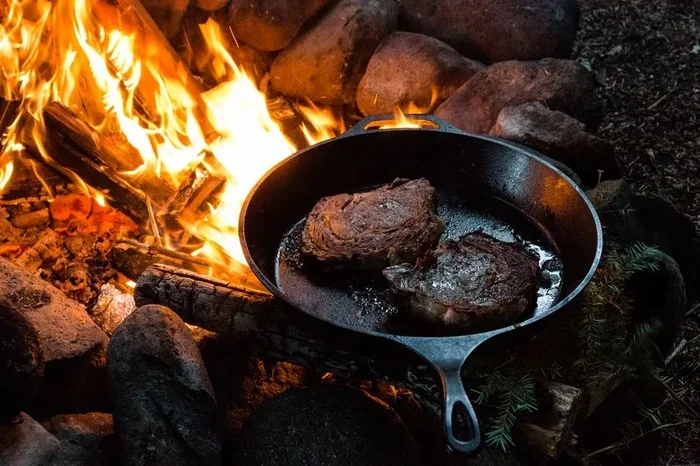
Cooking steak in a frying pan is easier than you think, and the results can rival any steakhouse. This guide covers everything from choosing the right cut and pan to mastering the perfect sear and resting your steak. You will learn proven techniques for a crispy, juicy frying pan steak that impresses every time.
This is a comprehensive guide about how to cook steak in a frying pan.
Key Takeaways
- Choose the right steak cut: thicker cuts like ribeye or strip steak work best for pan cooking.
- Pat the steak dry: removing surface moisture is the key to a great crust.
- Use a hot pan: a properly heated pan ensures a perfect sear without sticking.
- Rest your steak: letting it rest after cooking keeps the juices locked in.
- Use a meat thermometer: this is the most reliable way to hit your desired doneness.
- Butter baste for flavor: adding butter and herbs at the end elevates the taste.
[FEATURED_IMAGE_PLACEHOLDER]
Why Cooking Steak in a Frying Pan Works So Well
Many people think you need a fancy grill or a massive outdoor setup to cook a great steak. The truth is, a simple frying pan on your stovetop can deliver incredible results. A pan seared steak develops a beautiful golden crust while staying juicy and tender inside.
Using a frying pan gives you more control over the cooking process. You can adjust the heat instantly, monitor the color closely, and baste the steak with butter for extra richness. Whether you are cooking for one or feeding a small family, a frying pan makes the process simple and fast.
The key is understanding a few basic principles. Once you know how to manage heat, timing, and seasoning, you will never look back. Let us walk through everything you need to know to cook steak in a frying pan like a pro.
Choosing the Best Steak for Your Frying Pan
Not all steaks are created equal when it comes to pan cooking. The right cut makes a huge difference in texture, flavor, and how easy it is to cook. Here are the best options to reach for.
Top Cuts for Pan Cooking
Thick cuts work best because they give you more room for error. A steak that is at least one inch thick allows you to get a good sear without overcooking the inside. Here are the top picks:
- Ribeye: Rich marbling means extra flavor and a juicy finish. This is a favorite for pan cooking.
- Strip Steak (New York Strip): A great balance of tenderness and beefy flavor. Cooks evenly in a hot pan.
- Filet Mignon: The most tender cut, though leaner. Cooks faster, so watch it closely.
- Sirloin: A budget-friendly option that still delivers great taste when cooked properly.
How Thick Should Your Steak Be?
For the best results, aim for a steak that is between one and one-and-a-half inches thick. Thinner steaks can overcook quickly, while thicker ones give you a nice window to develop a crust before reaching your desired steak doneness levels. If you buy a thinner cut, adjust your cooking time accordingly.
Preparing Your Steak for the Pan
Preparation is where most home cooks go wrong. Taking a few extra minutes before the steak hits the pan makes a massive difference in the final result.
Bring the Steak to Room Temperature
Take your steak out of the refrigerator about 30 to 45 minutes before cooking. This lets the meat cook more evenly from edge to center. A cold steak hitting a hot pan will have a gray band in the middle while the outside overcooks.
Pat It Dry and Season Generously
Use paper towels to pat the steak completely dry on both sides. Moisture is the enemy of a good sear. The drier the surface, the better the Maillard reaction will be, which is the chemical process that creates that delicious brown crust.
Season with a generous amount of coarse salt and freshly ground black pepper. Some cooks like to add garlic powder, paprika, or a touch of smoked chili flakes. Keep it simple if you want to let the beef flavor shine.
Preheat the Pan Properly
Place your frying pan on the stove over medium-high to high heat. Let it get hot for about two to three minutes before adding the steak. A hot pan is essential for a good sear. If you are unsure whether your pan is ready, flick a few drops of water onto the surface. If they sizzle and evaporate immediately, you are good to go.
When it comes to choosing a pan, not all frying pans work the same. A pan with a good nonstick coating can make the process easier, especially if you are new to cooking steak. You can check whether your pan is truly nonstick by reviewing our guide on how to know if a pan is non stick. Cast iron skillets are also a popular choice because they hold heat incredibly well and create an excellent crust.
How to Cook Steak in a Frying Pan Step by Step
Now for the main event. Follow these steps carefully and you will get restaurant-quality results right in your own kitchen.
Step 1: Add a Small Amount of Fat
You do not need a lot of fat to cook steak in a frying pan. A thin layer of oil with a high smoke point works perfectly. Avocado oil, vegetable oil, or grapeseed oil are all great choices. Avoid olive oil for the initial sear because it has a lower smoke point and can burn.
If you want to keep things oil-free, you can use a light coating of butter or even a nonstick spray. For a deeper dive into oil-free cooking, check out our article on how to grease a pan without oil or butter. The idea is to prevent sticking without drowning the steak.
Step 2: Place the Steak in the Pan
Lay the steak away from you to avoid any oil splatter. Place it gently and do not move it for at least three to four minutes. Moving the steak too early can tear the crust and prevent a nice sear from forming.
You should hear a strong sizzle when the steak hits the pan. If you do not, your pan is not hot enough. Let the heat do its work and resist the urge to peek too often.
Step 3: Flip and Cook the Other Side
After the first side develops a deep brown crust, flip the steak using tongs. Avoid using a fork because poking holes lets the juices escape. Cook the second side for about two to four minutes depending on thickness and your preferred level of doneness.
Step 4: Baste with Butter and Herbs
This is the secret step that takes your steak to the next level. After flipping, add a tablespoon of butter, a crushed garlic clove, and a sprig of fresh thyme or rosemary to the pan. Tilt the pan slightly and use a spoon to scoop the melted butter and pour it over the steak repeatedly for about one to two minutes.
Butter basting adds richness and helps cook the top of the steak gently. It also infuses the meat with aromatic flavors that make every bite incredible.
Step 5: Check the Internal Temperature
The most reliable way to know your steak is done is by using a kitchen thermometer. Here is a quick reference guide:
- Rare: 120 to 125 degrees Fahrenheit
- Medium Rare: 130 to 135 degrees Fahrenheit
- Medium: 140 to 145 degrees Fahrenheit
- Medium Well: 150 to 155 degrees Fahrenheit
- Well Done: 160 degrees Fahrenheit and above
Remember that the temperature will rise by about five degrees after you remove the steak from the pan. This is called carryover cooking, and it is an important factor to keep in mind.
Step 6: Rest the Steak
This step is non-negotiable. Transfer the steak to a cutting board and let it rest for at least five to ten minutes. Resting allows the juices to redistribute throughout the meat. If you cut into it right away, all those juices will run out onto the board, leaving you with a dry steak.
Common Mistakes to Avoid When Cooking Steak in a Frying Pan
Even experienced cooks can fall into bad habits. Here are the most common mistakes and how to avoid them.
Using a Cold Pan
A cold pan means the steak will steam instead of sear. Always preheat your pan thoroughly before adding the steak. Give it at least two to three minutes on medium-high heat.
Skipping the Dry Step
Moisture on the surface of the steak creates steam, which prevents browning. Always pat the steak dry with paper towels right before it goes into the pan.
Overcrowding the Pan
Cook one steak at a time if possible. If you must cook multiple steaks, make sure there is enough space for air to circulate. Overcrowding drops the pan temperature and leads to uneven cooking.
Cutting Into the Steak Too Early
It is tempting to check the doneness by cutting into the steak, but this releases all the juices. Trust your thermometer and let the steak rest.
Not Letting the Steak Rest
Skipping the rest period is one of the biggest mistakes home cooks make. Five to ten minutes of resting makes a noticeable difference in juiciness and tenderness.
Expert Tips for the Perfect Pan Seared Steak
Here are some extra tips from experienced cooks that will help you get consistent, outstanding results every single time.
Use a Cast Iron Skillet if You Have One
A cast iron skillet retains heat beautifully and provides an even, intense sear. If you have one, use it. It might take a little longer to heat up, but the results are worth it. Just make sure your pan is properly seasoned and maintained.
Season the Night Before
Some chefs recommend salting the steak the night before and leaving it uncovered in the fridge. This draws out moisture, which gets reabsorbed into the meat, seasoning it deeply and helping create a better crust.
Experiment with Different Finishes
Once you master the basics, try finishing your steak with a drizzle of flavored butter, a sprinkle of flaky sea salt, or a squeeze of fresh lemon. These small touches add layers of flavor that elevate your home cooking.
Compare Your Results
If you are curious about how pan searing compares to other cooking methods, you might enjoy our article on how to broil a hamburger in oven to see how different heat sources affect the final result. Each method brings its own unique flavor and texture to the table.
Conclusion
Cooking steak in a frying pan is a skill anyone can learn with a little practice. The key is to start with a good cut, dry the surface, use a hot pan, and resist the urge to rush the process. Patience and attention to detail are what separate a good steak from a great one.
Once you nail the basics, you can experiment with different cuts, seasonings, and finishing techniques. The beauty of pan cooking is that it is fast, simple, and requires very little equipment. Your kitchen will smell amazing, and you will have a restaurant-quality meal on your plate in under fifteen minutes.
After you are done cooking, proper care of your pan is important for long-lasting performance. If you use a nonstick or well-seasoned pan, taking a few minutes to clean and store it correctly will keep it in great shape. You can learn more about proper pan maintenance in our guide on how to wrap a frying pan for storage.
Now that you know how to cook steak in a frying pan perfectly, it is time to put these tips into action. Grab a good cut of beef, heat up your pan, and enjoy one of the simplest yet most satisfying meals you can make at home.
Frequently Asked Questions
What is the best steak to cook in a frying pan?
Ribeye and New York strip are the best choices because they have enough marbling to stay juicy and develop a great crust. Filet mignon works well too if you prefer a more tender, leaner cut. Choose a steak that is at least one inch thick for the best results.
How long should I cook a steak in a frying pan?
For a one-inch thick steak, cook about three to four minutes per side over medium-high heat for medium doneness. Adjust the time based on the thickness of your steak and your preferred level of doneness. Always use a meat thermometer for accuracy.
Do I need to use oil when cooking steak in a frying pan?
A small amount of oil with a high smoke point is recommended to prevent sticking and promote even browning. However, you can use butter or a nonstick spray as alternatives. For oil-free options, check out our guide on how to grease a pan without oil or butter for helpful tips.
Can I use a nonstick frying pan to cook steak?
Yes, you can use a nonstick pan, but it may not develop quite as crispy a crust as a cast iron or stainless steel pan. Nonstick pans work best for thinner cuts and quicker cooking times. To learn more about identifying nonstick pans, see our article on how to know if a pan is non stick.
Why is my steak sticking to the frying pan?
Steak sticks when the pan is not hot enough or when the surface is still wet. Make sure to pat the steak dry and preheat the pan for at least two to three minutes before adding the meat. A well-heated pan creates a natural release once the crust forms.
How long should I rest my steak after cooking?
Let your steak rest for at least five to ten minutes after cooking. This allows the juices to redistribute and ensures a moist, tender bite. If you cut too early, the juices will run out and the steak will dry out faster.
Frequently Asked Questions
What is how to cook steak in a frying pan?
how to cook steak in a frying pan is an important topic with many practical applications.



