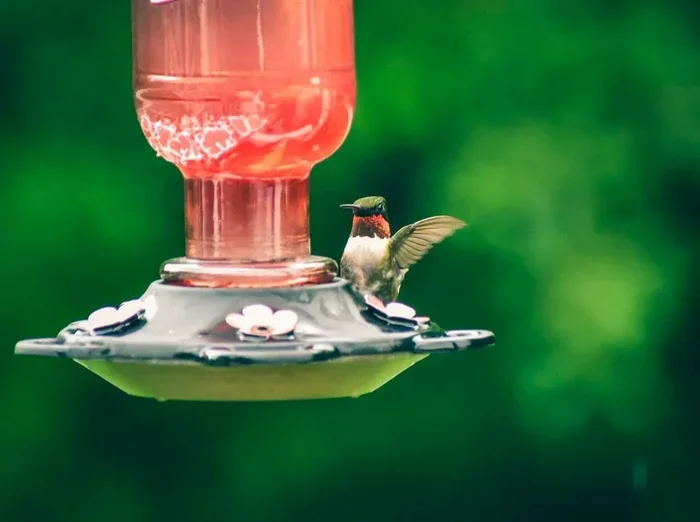
Learn how to make the best hummingbird food at home with simple sugar water recipes that are safe and effective. These DIY hummingbird food recipes use just two ingredients and take minutes to prepare. You will also discover how to store leftover nectar, avoid common mistakes, and attract more hummingbirds to your yard naturally.
Making your own hummingbird food at home is one of the simplest and most rewarding things you can do for your garden. These tiny, colorful birds are a joy to watch, and feeding them is easier than most people think. With just two ingredients, you can create a safe and nutritious nectar that keeps hummingbirds coming back all season long.
In this guide, we will walk you through the best hummingbird food recipes, share helpful tips, and answer common questions. Whether you are a beginner or a seasoned bird lover, you will find useful ideas here. Let us get started.
## Why Make Hummingbird Food at Home?
Store-bought hummingbird nectar often contains preservatives, artificial colors, and other additives you do not want in your garden. Making your own food gives you full control over what goes into the mix. It is also much cheaper and incredibly easy.
### Cost Savings
A bag of white sugar costs just a few dollars and makes several batches of nectar. One batch can fill multiple feeders. Over a season, homemade hummingbird food saves you a lot of money compared to buying pre-made solutions.
### Healthier for Hummingbirds
Homemade nectar mimics the natural sugar content of flower nectar. It provides the quick energy hummingbirds need without any harmful chemicals. When you make your own hummingbird food, you know exactly what is in it.
### Fun and Educational
Making hummingbird food is a great family activity. Kids can learn about birds, nature, and simple cooking. It also teaches responsibility as they help maintain the feeder and watch for visiting birds.
## The Basic Hummingbird Food Recipe
The best hummingbird food recipe is incredibly simple. You only need two ingredients: white granulated sugar and water. That is it. No honey, no artificial sweeteners, and no red dye.
### What You Need
Here is a quick list of what you will need to get started:
- White granulated sugar — plain, unbleached white sugar works best.
- Water — filtered or bottled water is ideal, but tap water works too.
- A pot — for boiling the mixture.
- A measuring cup — to get the ratio right.
- A clean feeder — to hold and dispense the nectar.
### The 1:4 Ratio
The standard ratio for hummingbird food is one part sugar to four parts water. Here is how to make a small batch:
- Measure 1 cup of white sugar.
- Measure 4 cups of water.
- Bring the water to a boil in a pot.
- Stir in the sugar until it fully dissolves.
- Let the mixture cool completely before filling the feeder.
This simple sugar water recipe creates a nectar that closely matches what hummingbirds find in flowers. The boiling step also helps sterilize the water and dissolve the sugar thoroughly.
### How Much to Make
Only make as much hummingbird nectar as you will use within a few days. A good rule of thumb is to fill your feeder with enough food that the birds will finish within 3 to 5 days. This keeps the nectar fresh and prevents mold growth.
## How to Store Homemade Hummingbird Food
Sometimes you make more nectar than the birds can finish. That is perfectly fine. You just need to store it properly to keep it fresh and safe.
### Using Glass Jars for Storage
A great way to store extra hummingbird food is in a clean glass jar with a tight lid. Glass jars are non-reactive and do not leach chemicals into the nectar. You can find best large glass jars for food storage that work perfectly for this purpose. Simply pour the cooled nectar into the jar, seal it tightly, and place it in the refrigerator.
### Airtight Containers for Pantry Storage
If you prefer plastic, use an airtight food storage container for pantry to keep your extra nectar fresh. Airtight containers prevent bacteria and keep the sugar water from absorbing odors from other foods in your kitchen. Label the container with the date so you know when to use it by.
### Refrigeration Tips
Always refrigerate any leftover hummingbird food. The cold temperature slows bacterial growth and keeps the nectar safe for up to two weeks. When you are ready to refill your feeder, take out only what you need and let it come to room temperature first.
### Avoid Freezing
You might wonder if freezing extra nectar is a good idea. It is not recommended. Freezing can change the texture of the sugar solution and may affect the quality of the nectar. Stick to refrigeration for short-term storage.
## Best Practices for Feeding Hummingbirds
Making great hummingbird food is only half the battle. How you serve it matters just as much. Following a few best practices ensures the birds stay healthy and keep coming back.
### Keep the Feeder Clean
Clean your feeder every time you refill it. Old nectar can grow mold and bacteria that harm hummingbirds. Use warm water and a bottle brush to scrub the inside. Rinse thoroughly before adding fresh food.
### Change the Nectar Regularly
In hot weather, change the hummingbird food every 3 days. In cooler weather, every 5 days is fine. If you notice the nectar looking cloudy or discolored, change it immediately regardless of the timeline.
### Use a Drill Mixing Paddle for Large Batches
If you are making a large batch of nectar for multiple feeders, a best food grade mixing paddle for drill can save you a lot of time and effort. Simply attach the paddle to a drill and stir the sugar water quickly and evenly. This is especially helpful if you are feeding a lot of hummingbirds in your area.
### Place the Feeder in a Safe Spot
Hang your feeder in a shaded area. Direct sunlight can cause the nectar to spoil faster. Also, place the feeder away from windows to prevent birds from flying into the glass. A quiet, safe spot encourages hummingbirds to feed comfortably.
## Common Mistakes to Avoid
Even experienced bird lovers sometimes make mistakes with their hummingbird food. Here are the most common errors and how to avoid them.
### Using the Wrong Type of Sugar
Never use brown sugar, honey, or artificial sweeteners. Brown sugar contains molasses that can harm hummingbirds. Honey can ferment and grow dangerous bacteria. Only use plain white granulated sugar for your hummingbird food.
### Adding Red Dye
Many people think adding red dye to the nectar will attract more hummingbirds. This is a myth. The red color on the feeder itself is enough to draw them in. Red dye can be toxic to these tiny birds, so always keep the nectar dye-free.
### Using the Wrong Sugar-to-Water Ratio
Too much sugar can dehydrate hummingbirds and damage their kidneys. Too little sugar does not provide enough energy. Always stick to the 1:4 ratio. Do not try to make the nectar stronger or sweeter than the recipe calls for.
### Letting Nectar Sit Too Long
Old nectar grows mold and attracts insects. If the birds do not finish the food within a few days, dump it out and make a fresh batch. Fresh hummingbird nectar is always better than stale nectar.
## How to Attract More Hummingbirds to Your Garden
Beyond making great food, there are other ways to turn your yard into a hummingbird paradise. These tips work alongside your feeding routine to create a welcoming habitat.
### Plant Native Flowers
Hummingbirds love tubular flowers that are rich in nectar. Planting red, orange, and pink flowers like trumpet vine, bee balm, and cardinal flower gives the birds a natural food source. Your feeder becomes a supplement, not the only option.
### Add a Water Feature
Hummingbirds enjoy shallow water for bathing and drinking. A small mister or a shallow bird bath with a few rocks works well. Moving water is especially attractive to them.
### Keep the Garden Pesticide-Free
Pesticides can harm hummingbirds directly or reduce the insect population they rely on for protein. Avoid chemical treatments in your garden and let nature take its course. A healthy garden ecosystem supports healthy hummingbirds.
### Group Feeders Together
If you have space, placing multiple feeders in different parts of your yard can attract more hummingbirds. It also reduces competition and gives each bird its own feeding spot.
## Frequently Asked Questions About Hummingbird Food
Can I use honey instead of sugar for hummingbird food?
No, you should never use honey for hummingbird food. Honey can ferment quickly and grow harmful bacteria that can make hummingbirds very sick. Stick to plain white granulated sugar mixed with water for the safest and healthiest nectar.
How often should I change the hummingbird food in my feeder?
You should change the hummingbird food every 3 to 5 days. In hot weather, change it every 3 days to prevent mold and bacterial growth. If the nectar looks cloudy or discolored, change it immediately regardless of the timeline.
Is red dye harmful to hummingbirds?
Yes, red dye can be harmful to hummingbirds. The dye contains chemicals that are toxic to these small birds over time. The red color on the feeder itself is enough to attract hummingbirds, so there is no need to add any dye to the nectar.
Can I make hummingbird food with bottled water?
Yes, bottled water works well for making hummingbird food. Filtered water is also a good choice. The key is to use clean, chlorine-free water. Avoid distilled water as it lacks the small amount of minerals that can benefit the nectar.
What is the best sugar-to-water ratio for hummingbird nectar?
The best ratio is 1 part white sugar to 4 parts water. This mimics the natural sugar concentration found in flowers. Do not alter this ratio by making the solution stronger or weaker, as it can affect the health of the hummingbirds.
Can I freeze leftover hummingbird food for later use?
It is not recommended to freeze hummingbird food. Freezing can alter the texture and composition of the sugar solution. Instead, store any extra nectar in the refrigerator in a clean glass jar or airtight container and use it within two weeks.
## Final Thoughts
Making your own hummingbird food at home is one of the easiest and most rewarding things you can do for backyard wildlife. With just sugar and water, you can create a safe, healthy nectar that keeps hummingbirds happy and well-fed all season long. The recipes shared here are simple, effective, and backed by years of birdwatching wisdom.
Remember to keep your feeder clean, change the nectar regularly, and store any extras in proper food storage containers for pantry or fridge use. Avoid common mistakes like using the wrong sugar or adding red dye. With these practices in place, your garden will become a hummingbird haven that you and your family can enjoy for years to come.
Start with the basic hummingbird food recipe today, and watch as these beautiful, tiny creatures fill your yard with color and energy. Happy feeding!
Key Takeaways
- Simple Recipe: The best hummingbird food is just white sugar and water in a 1:4 ratio.
- No Red Dye: Never add red food coloring or dyes to hummingbird nectar.
- Fresh Is Best: Change your hummingbird food every 3 to 5 days to prevent mold.
- Easy Storage: Store extra nectar in airtight food storage containers for pantry use.
- Natural Attractants: Planting flowers and using a clean feeder boosts hummingbird visits.
Frequently Asked Questions
What is hummingbird food?
hummingbird food is an important topic with many practical applications.