
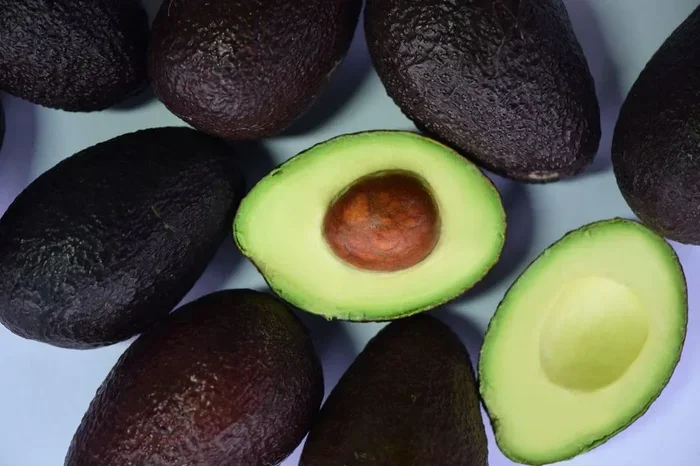
Avocado calories pack a powerful nutritional punch in every serving. A single whole avocado contains roughly 240 calories, making it a nutrient-dense superfood rich in healthy fats, fiber, and essential vitamins. This guide covers everything you need to know about avocado nutrition, calorie counts, and how to enjoy them as part of a balanced diet.
Key Takeaways
- Calorie Content: A whole avocado has about 240 calories, while half an avocado contains approximately 120 calories.
- Healthy Fats: Avocados are packed with heart-healthy monounsaturated fats that support brain and body function.
- Nutrient-Dense: Avocados provide fiber, potassium, vitamins K, E, C, and B vitamins in every serving.
- Weight Management: Despite being calorie-rich, avocados promote satiety and can support healthy weight goals.
- Versatile Ingredient: Avocados work in smoothies, salads, toast, and many other meals for easy healthy eating.
- Storage Matters: Proper storage keeps avocados fresh longer and reduces food waste.
📑 Table of Contents
- What Are Avocado Calories?
- Avocado Nutrition Facts You Should Know
- How Many Calories in an Avocado? Serving Sizes Explained
- Health Benefits of Eating Avocados
- How to Incorporate Avocados Into Your Daily Diet
- Common Mistakes People Make with Avocados
- Frequently Asked Questions About Avocado Calories
- Final Thoughts on Avocado Calories
What Are Avocado Calories?
Avocado calories come from a unique blend of healthy fats, fiber, and essential nutrients. Unlike most fruits, avocados are high in fat. But here is the good news. That fat is the good kind. It is monounsaturated fat, which supports heart health and helps your body absorb vitamins.
When people hear the word calories, they often think negative. But calories are simply energy. Your body needs energy to function. Avocados deliver that energy in a clean, nutritious package. Every bite gives you fuel and vital nutrition.
One hundred grams of avocado contains about 160 calories. A typical Hass avocado weighs around 150 grams, which means a whole fruit has roughly 240 calories. Half an avocado, which is a common serving size, comes in at about 120 calories.
These calories are not empty. They come with fiber, potassium, and vitamins your body craves. That is what makes avocado calories different from processed snack calories. You get real nutrition with every bite.
Why Calorie Quality Matters More Than Quantity
Not all calories are created equal. A 120-calorie bag of chips and a 120-calorie half avocado are very different foods. The chips give you quick energy and little else. The avocado gives you sustained energy, healthy fats, and essential nutrients.
Your body processes different foods in different ways. Healthy fats take longer to digest. This means you feel full for longer. You are less likely to snack on junk food later. That is a big win for anyone trying to eat better.
Avocado Nutrition Facts You Should Know
Understanding avocado nutrition helps you appreciate why this fruit deserves a spot on your plate. Let us break down what is inside a typical half-avocado serving.
Macronutrients in a Half Avocado
A half avocado (about 68 grams) provides the following:
- Calories: 120
- Total Fat: 11 grams
- Saturated Fat: 1.5 grams
- Monounsaturated Fat: 6.5 grams
- Carbohydrates: 6 grams
- Fiber: 5 grams
- Protein: 1.5 grams
- Sugar: 0.5 grams
Notice the high fiber content. Five grams of fiber in half an avocado is impressive. Fiber supports digestion, keeps blood sugar stable, and promotes feelings of fullness. Most people do not get enough fiber in their daily diet. Avocados make it easy to boost your intake.
Vitamins and Minerals
Avocados are a great source of several important vitamins and minerals:
- Potassium: Helps regulate blood pressure and supports muscle function.
- Vitamin K: Important for bone health and blood clotting.
- Vitamin E: A powerful antioxidant that protects your cells.
- Vitamin C: Supports immune function and skin health.
- B Vitamins: Help convert food into energy and support brain function.
One of the standout nutrients in avocados is potassium. In fact, avocados contain more potassium per serving than bananas. This mineral is crucial for heart health and maintaining proper fluid balance in your body.
How Many Calories in an Avocado? Serving Sizes Explained
The number of avocado calories you consume depends entirely on how much you eat. Serving sizes vary, and understanding them helps you plan your meals better.
Calorie Breakdown by Serving Size
Here is a simple breakdown of calories based on common serving sizes:
- One-eighth of an avocado (about 20 grams): 40 calories
- One-quarter of an avocado (about 34 grams): 55 calories
- One-third of an avocado (about 45 grams): 70 calories
- One-half of an avocado (about 68 grams): 120 calories
- Two-thirds of an avocado (about 90 grams): 145 calories
- One whole avocado (about 150 grams): 240 calories
As you can see, a whole avocado has more calories than many people expect. But remember, those calories come with a high nutritional payoff. You are getting healthy fats, fiber, and essential vitamins in every gram.
What Does a Serving of Avocado Look Like?
A half avocado is the most common serving size. It is the amount you would typically scoop out of one fruit. This portion works well on toast, in salads, or as a side dish.
If you are watching your calorie intake, a quarter or one-third of an avocado is a great starting point. You still get the flavor and nutrition without consuming too many calories. Use a kitchen scale at first if you want to be precise. Over time, you will get a good feel for portion sizes.
Health Benefits of Eating Avocados
Avocados are more than just a trendy toast topping. They offer real, science-backed health benefits that make them worth including in your regular meals.
Heart Health
The monounsaturated fats in avocados support cardiovascular health. These healthy fats help reduce LDL cholesterol (the bad kind) while raising HDL cholesterol (the good kind). Over time, this can lower your risk of heart disease and stroke.
Avocados also contain potassium, which plays a key role in regulating blood pressure. Many people do not get enough potassium in their diet. Adding half an avocado to your daily meals can make a meaningful difference.
Weight Management
It might seem counterintuitive. A high-fat food can actually help with weight management. Here is why. The healthy fats and fiber in avocados slow down digestion. This keeps you feeling full and satisfied for hours after eating.
Studies have shown that people who eat avocados regularly tend to have lower body weight and a smaller waist circumference. They also consume fewer calories overall throughout the day. The satiety factor is real.
Nutrient Absorption
Some nutrients are fat-soluble. This means your body needs fat to absorb them properly. Vitamins A, D, E, and K all fall into this category. Adding avocado to a salad with vegetables helps your body absorb more of the nutrients from those veggies.
Think of avocado as a nutrient booster. It not only provides its own vitamins and minerals but also enhances the nutritional value of other foods you eat alongside it.
Brain Health and Cognitive Function
The healthy fats in avocados support brain function. Your brain is about 60 percent fat. It needs a steady supply of quality fats to perform at its best. Monounsaturated fats help maintain the myelin sheath that surrounds nerve cells, supporting faster signal transmission.
Regular consumption of avocados has been linked to improved memory and cognitive performance, especially as people age. It is one of the simplest dietary changes you can make for long-term brain health.
How to Incorporate Avocados Into Your Daily Diet
Adding avocados to your meals is easier than you might think. They are versatile, delicious, and pair well with many different foods. Here are some practical ways to enjoy them every day.
Breakfast Ideas
Avocado toast is a classic for a reason. Spread half an avocado on whole-grain toast. Add a pinch of salt, pepper, and a squeeze of lemon juice. You can also top it with a fried egg for extra protein.
Try blending half an avocado into your morning smoothie. It adds a creamy texture and boosts the nutritional content. Combine it with spinach, banana, and almond milk for a quick, healthy breakfast.
Lunch and Dinner Options
Slice avocado onto salads for a satisfying crunch and creamy texture. It pairs wonderfully with tomatoes, cucumbers, and a simple olive oil dressing.
Use avocado as a topping for tacos, burrito bowls, or grain bowls. It replaces heavy sauces and adds healthy fats. You can also mash avocado and use it as a spread on sandwiches instead of mayonnaise.
For a fun dinner idea, try stuffed avocado halves. Fill them with cooked quinoa, black beans, salsa, and a sprinkle of cheese. Bake until bubbly and enjoy.
Snacks and Sides
Avocado works great as a standalone snack. Simply sprinkle salt and red pepper flakes on half an avocado and eat it with a spoon. It is quick, satisfying, and packed with nutrition.
You can also make a simple guacamole to dip vegetables or whole-grain crackers into. Mash half an avocado with lime juice, diced onion, cilantro, and salt. It is a crowd-pleaser at any gathering.
If you have leftover mashed avocado, proper storage is key. Learn how to keep it fresh by visiting our guide on how to store mashed avocado so nothing goes to waste.
Common Mistakes People Make with Avocados
Even healthy foods can become less nutritious if you do not handle them correctly. Here are some common mistakes to avoid when adding avocados to your diet.
Overeating Portions
Avocados are nutritious, but they are also calorie-dense. It is easy to eat half or even a whole avocado without thinking. If you are watching your calorie intake, measure your portions. A kitchen scale helps a lot in the beginning.
A good rule of thumb is to stick to half an avocado per meal. This gives you the nutritional benefits without overdoing the calories. You can always add more if you are hungry, but it is hard to take it away once it is on your plate.
Ignoring Ripeness
An unripe avocado will taste bland and have a poor texture. An overripe avocado can be brown and mushy inside. Neither is enjoyable to eat.
To check ripeness, gently press the skin. It should yield slightly but not feel mushy. The skin color also matters. A ripe Hass avocado has dark, nearly black skin. Green-skinned varieties should feel slightly soft when ready.
Throwing Away the Nutrient-Rich Skin
While you should not eat the skin, the flesh closest to it contains a high concentration of antioxidants. When scooping out your avocado, try to get as close to the skin as possible without scraping too hard. You want to capture all the green flesh.
Frequently Asked Questions About Avocado Calories
Are avocados high in calories?
Yes, avocados are higher in calories than most fruits. A whole avocado has about 240 calories. However, these calories come from healthy fats, fiber, and essential nutrients. The nutritional value far outweighs the calorie count. Avocados are a great example of a calorie-dense but nutrient-rich food.
How many calories are in a half avocado?
A half avocado contains approximately 120 calories. This is the most common serving size and provides about 11 grams of healthy fat and 5 grams of fiber. It is a perfect portion for one person on a salad, toast, or in a smoothie.
Can I eat avocado every day and still lose weight?
Yes, you can eat avocado daily and still lose weight. The key is portion control. Stick to half an avocado per day, and account for those calories in your overall meal plan. The healthy fats and fiber in avocados actually help reduce cravings and keep you satisfied longer.
Do avocados have more calories than bananas?
A whole avocado has about 240 calories, while a medium banana has around 105 calories. So yes, avocados have more calories. But the comparison is not fair because they serve different nutritional purposes. Avocados provide healthy fats and fiber, while bananas offer quick energy and potassium.
Are avocado calories good for muscle building?
Absolutely. The healthy fats in avocados support hormone production, which is essential for muscle growth. Avocados also provide steady energy for workouts and help your body absorb fat-soluble vitamins. Pair them with lean proteins and whole grains for a muscle-building meal.
What is the best time to eat avocado for energy?
Avocados work well at any time of day. In the morning, they provide sustained energy for your day. At lunch, they keep you from feeling sluggish in the afternoon. Before a workout, the healthy fats offer long-lasting fuel. There is no wrong time to enjoy this nutritious fruit.
Final Thoughts on Avocado Calories
Avocado calories are some of the best calories you can consume. They come wrapped in healthy fats, fiber, and a wide range of vitamins and minerals. Whether you are trying to lose weight, build muscle, or simply eat healthier, avocados deserve a regular spot on your plate.
The key is moderation and awareness. Know your serving sizes. Understand what is in the food you eat. And enjoy the process of adding more whole, natural foods to your meals.
Start with half an avocado a day. Put it on your toast, toss it in your salad, or blend it into a smoothie. Once you make it a habit, you will wonder how you ever lived without it. Your body will thank you for it.
Remember, healthy eating is not about restriction. It is about making better choices, one meal at a time. Avocados make that choice easy and delicious.



