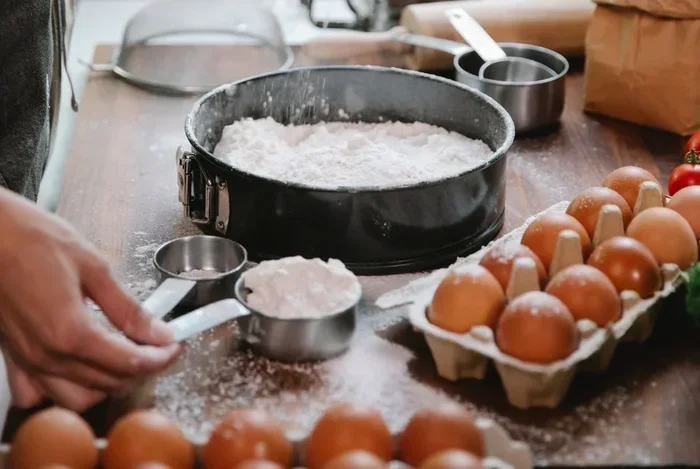
Knowing how many cups in a pound of all purpose flour is essential for any baker. One pound of all purpose flour equals about 3 to 3.5 cups, but the exact number changes based on how you measure. This guide breaks down the conversion, shares pro tips, and helps you avoid common mistakes that ruin baked goods.
Baking is a science. And like any science, it depends on getting the numbers right. If you have ever wondered how many cups in a pound of flour, you are not alone. This is one of the most common questions home bakers ask, and for good reason. The answer is not as simple as it seems.
A pound of all purpose flour can fill anywhere from 3 to 3.5 cups. But that range depends on a few key factors. How you scoop the flour matters. Whether you sift it first matters. Even how tightly you pack the cup can change the final count. In this article, we will walk you through everything you need to know about converting pounds to cups for all purpose flour and other common baking ingredients.
Whether you are scaling a recipe up or down, or you just want to bake with more confidence, this guide has you covered. We will look at the exact conversions, the science behind the numbers, and the simple tricks that will make your baking more consistent every single time.
Key Takeaways
- One pound of all purpose flour equals roughly 3 to 3.5 cups, depending on how it is scooped and packed.
- Sifted flour takes up more volume than unsifted flour, so the cup count changes significantly.
- Using a kitchen scale is the most accurate way to measure flour for baking.
- Overpacking the measuring cup is the number one mistake home bakers make when converting pounds to cups.
- Proper storage keeps flour fresh longer and maintains its weight and volume consistency.
- The cup-to-pound ratio varies by ingredient, so always check the specific conversion for what you are baking with.
📑 Table of Contents
How Many Cups in a Pound of All Purpose Flour
The standard answer is that one pound of all purpose flour equals about 3 to 3.5 cups. But here is the thing. That range exists because flour is a dry ingredient, and dry ingredients do not behave the same way as liquids. You cannot just pour flour into a cup and expect the same result every time.
The weight of a cup of flour can vary quite a bit. A loosely filled cup of flour weighs around 4 ounces. A tightly packed cup can weigh closer to 5 ounces. Since a pound is 16 ounces, the math gives you a range between 3.2 and 4 cups per pound. In practice, most bakers agree on 3 to 3.5 cups as the sweet spot for all purpose flour.
Why the Number Varies
Several things affect how much flour fits into a cup. The type of flour matters. All purpose flour is lighter than bread flour and heavier than cake flour. How the flour was stored matters too. Flour that has been sitting in a humid environment absorbs moisture and becomes denser. Even the brand of flour can make a small difference in weight per cup.
Another big factor is how you handle the flour before measuring. Did you stir it in the bag first? Did you scoop it directly from the container? These small actions add up and change the final cup measurement. This is why professional bakers almost always use a kitchen scale instead of measuring cups for dry ingredients.
Why Accurate Measurements Matter for Baking
Baking is not like cooking. When you cook, you can often guess amounts and still get a good meal. Baking is different. The right balance of flour, liquid, fat, and leavening creates the structure and texture of your baked goods. Too much flour and your cake turns dry and dense. Too little flour and your bread will not hold its shape.
Understanding how many cups in a pound helps you scale recipes accurately. Say you find a recipe that calls for 2 pounds of flour, but your measuring cups are the only tools you have. If you know the conversion, you can measure out the right amount without any guesswork. This is especially helpful when you are baking in large batches or adjusting recipes for different pan sizes.
The Science Behind Flour Measurement
Flour is made up of tiny starch particles and protein strands. When you scoop flour, you are packing those particles together. The more you pack, the more flour ends up in the cup. This is called “dip and sweep” method, and it can add up to 30 percent more flour than a properly measured cup.
Professional baking schools teach the “spoon and level” method. You gently spoon flour into the measuring cup and then level it off with a straight edge. This gives you a much more consistent measurement. It is a small change in technique that makes a big difference in your final product.
Factors That Change the Cup-to-Pound Ratio
Not all flour is created equal when it comes to measuring. Several factors can shift the number of cups you get from a single pound. Let us break them down so you always know what to expect.
Sifted vs Unsifted Flour
This is one of the biggest variables. Sifted flour is lighter and fluffier because the sifting process separates the particles and adds air. One pound of sifted all purpose flour can take up to 4 cups or more. Unsifted flour, on the other hand, is more compact and usually yields closer to 3 cups per pound.
If a recipe calls for “1 cup of sifted flour,” that means you sift first and then measure. If it says “1 cup of flour, sifted,” you measure first and then sift. The difference is significant, and getting it wrong can throw off your entire batch of baked goods.
Type of Flour
Different flours have different densities. Bread flour is higher in protein and heavier, so it takes up less volume per pound. Cake flour is finer and lighter, so it takes up more volume. Here is a quick comparison:
- All Purpose Flour: About 3 to 3.5 cups per pound
- Bread Flour: About 3 to 3.25 cups per pound
- Cake Flour: About 3.5 to 4 cups per pound
- Whole Wheat Flour: About 3 to 3.5 cups per pound
- Pastry Flour: About 3.5 to 4 cups per pound
As you can see, the type of flour you use changes the conversion. Keep this in mind whenever you are working with a new flour variety.
Humidity and Storage Conditions
Flour is a hygroscopic material, which means it absorbs moisture from the air. In a humid kitchen, flour can become clumpy and heavier. This changes both the weight and the volume. Flour stored in a warm, damp environment will pack differently than flour kept in a cool, dry place. This is another reason why proper flour storage matters for consistent measurements.
How to Measure Flour the Right Way
Getting the right measurement every time comes down to technique. Here is a step-by-step method that will give you the most accurate results without needing a scale every time.
Step-by-Step: The Spoon and Level Method
- Start by fluffing up the flour in its container with a spoon or fork. This breaks up any clumps and adds air.
- Use a spoon to gently scoop flour into your measuring cup. Do not pack it down.
- Let the flour overflow the top of the cup naturally.
- Use a straight edge, like the back of a knife, to sweep across the top and level it off.
- Repeat for each cup needed.
This method gives you a consistent cup of flour that weighs close to 4.5 ounces. It is the standard most baking recipes assume when they call for a cup of flour.
When to Use a Kitchen Scale Instead
If you bake often, a kitchen scale is your best investment. It removes all the guesswork from measuring. A scale measures by weight, not volume, so you get the exact same amount every single time. Many professional bakers never use measuring cups at all.
For all purpose flour, one cup typically weighs 4.5 ounces or about 120 grams. So a pound (16 ounces) equals roughly 3.5 cups on a scale. This is the most reliable way to know exactly how many cups in a pound of any flour you are using.
Common Mistakes to Avoid
- Scooping flour directly from the bag with the measuring cup. This compresses the flour and gives you too much.
- Shaking the measuring cup to settle the flour. This also packs it down too tightly.
- Using a heaping cup instead of a level cup. Even a small amount of extra flour can change a recipe.
- Not accounting for sifting when a recipe requires it. This is one of the most overlooked mistakes in home baking.
Quick Conversion Chart for Common Baking Ingredients
Flour is not the only ingredient where pounds and cups do not match up neatly. Here is a handy reference for other common baking ingredients you will encounter.
Dry Ingredient Conversions
- Granulated Sugar: About 2 cups per pound
- Brown Sugar (packed): About 2.25 cups per pound
- Butter: About 2 cups per pound (4 sticks)
- Oats: About 3 to 3.5 cups per pound
- Cornstarch: About 4 cups per pound
- Cocoa Powder: About 3.5 to 4 cups per pound
Keep this chart handy when you are scaling recipes or substituting ingredients. It saves time and reduces errors in the kitchen. If you ever need to convert other ingredients, remember that density is the key factor that determines the cup-to-pound ratio.
Storing Flour and Keeping It Fresh
Proper storage keeps your flour fresh and your measurements consistent. Flour that has gone stale or absorbed moisture will not measure the same way as fresh flour. Here are some simple tips to keep your flour in top condition.
Best Storage Methods
The best way to store flour is in an airtight container in a cool, dark place. A pantry away from the stove works well. You can also use a food storage container with a tight-sealing lid. Some bakers prefer to keep flour in the freezer for long-term storage, which keeps it fresh for up to a year.
When storing flour for extended periods, consider using mylar bags with oxygen absorbers. This method works well for bulk flour purchases and keeps the flour from going rancid. You can learn more about proper food storage techniques in our guide on how to store food in mylar bags.
How Long Does Flour Last?
All purpose flour lasts about 6 to 8 months in the pantry. In the refrigerator, it can last up to a year. In the freezer, it stays fresh for up to two years. Always check for signs of spoilage before using old flour. If it smells off or has visible clumps, it is time to replace it.
Fresh flour measures more consistently than old flour. So buying in smaller quantities and using them up within a few months will give you better baking results. This also ensures your cup-to-pound conversions stay accurate over time.
Final Thoughts on Converting Pounds to Cups
Understanding how many cups in a pound of all purpose flour is one of those small skills that makes a big difference in your baking. The short answer is 3 to 3.5 cups per pound. But the real takeaway is that accurate measuring comes down to technique and consistency.
Use the spoon and level method. Consider investing in a kitchen scale. Store your flour properly. And always pay attention to whether a recipe calls for sifted or unsifted flour. These habits will elevate your baking from hit or miss to consistently delicious.
The next time you are in the kitchen and need to convert a pound of flour to cups, you will know exactly what to do. And if you ever need to measure other ingredients, remember that each one has its own conversion based on density. Keep this guide bookmarked for easy reference, and happy baking.
For more kitchen tips and practical guides, check out our article on how to measure coffee in a coffee maker for another example of why accurate measuring matters in the kitchen. Also, if you are storing bulk ingredients long term, our guide on how to store tomato paste in the freezer offers great tips that apply to flour storage as well.
Frequently Asked Questions
How many cups is a pound of flour?
A pound of all purpose flour equals approximately 3 to 3.5 cups. The exact number depends on whether the flour is sifted, how it is scooped, and how tightly it is packed in the measuring cup. Using the spoon and level method gives you the most consistent results.
How many cups are in a pound of all purpose flour?
One pound of all purpose flour typically yields about 3.5 cups when measured using the spoon and level method. If you scoop the flour directly with the measuring cup, you may get closer to 3 cups because the flour becomes more compacted.
Does sifting flour change the cup-to-pound ratio?
Yes, sifting flour makes a big difference. Sifted flour is lighter and fluffier, so it takes up more volume. One pound of sifted flour can equal 4 cups or more, while unsifted flour from the same pound yields about 3 to 3.5 cups.
What is the best way to measure flour accurately?
The best way to measure flour accurately is by weight using a kitchen scale. One cup of all purpose flour weighs about 4.5 ounces or 120 grams. If you do not have a scale, use the spoon and level method for the most consistent results.
How can I convert other ingredients from pounds to cups?
The conversion depends on the density of the ingredient. Sugar, for example, is denser than flour, so a pound of sugar equals fewer cups. Always check a specific conversion chart for the ingredient you are using. Our guide includes a quick reference chart for common baking ingredients.
How should I store flour to keep it fresh?
Store flour in an airtight container in a cool, dark place like a pantry. For long-term storage, the freezer works best and keeps flour fresh for up to two years. You can also use mylar bags for bulk flour storage to maintain freshness and prevent moisture absorption.