
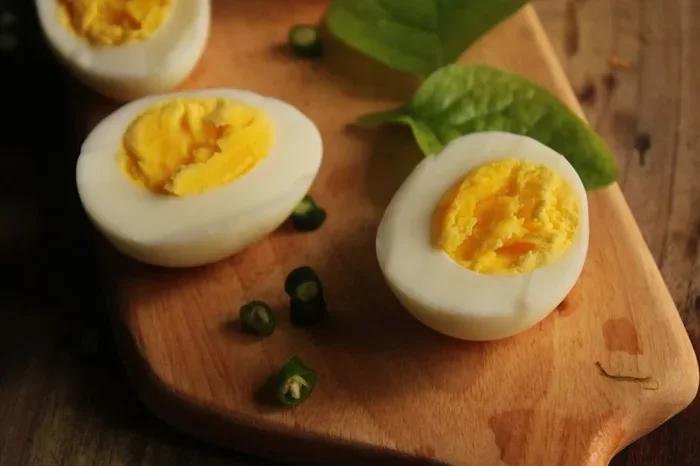
Knowing how long to boil eggs for hard boiled perfection is simpler than you think. The sweet spot is typically 10 to 12 minutes on the stove, but factors like egg size, altitude, and starting water temperature can shift that window. This guide gives you exact timings, step-by-step instructions, and pro tips for easy peel results every single time.
Have you ever stood over a pot of boiling water, staring at eggs, and wondered exactly how long to boil eggs for hard boiled? You are not alone. This question pops up in kitchens every single day. Whether you meal prep for the week or just want a quick protein boost, getting the timing right matters a lot.
The difference between a perfect hard boiled egg and a rubbery, overcooked one comes down to just a few minutes. And the good news? Once you know the right egg boiling time, you will never mess it up again. This guide walks you through everything you need to know. We cover timing, techniques, and even how to fix common problems. By the end, you will be boiling eggs like a pro.
Key Takeaways
- 10 to 12 minutes is the standard boiling time for perfect hard boiled eggs on the stovetop.
- Starting with cold water and bringing eggs to a boil together creates more even cooking.
- An ice bath stops the cooking process and makes peeling much easier.
- Egg size and altitude can change your boiling time, so adjust accordingly.
- An instant pot offers a hands-off alternative that many home cooks love.
- Fresh eggs are harder to peel, so use eggs that are a week or older for best results.
- The shake test and visual check are the simplest ways to confirm egg doneness.
📑 Table of Contents
- The Perfect Boiling Time for Hard Boiled Eggs
- Step-by-Step Method for Boiling Eggs
- How Altitude and Egg Size Affect Boiling Time
- Easy Alternative Methods for Boiling Eggs
- How to Tell When Eggs Are Done
- Storing and Peeling Your Hard Boiled Eggs
- Common Mistakes to Avoid When Boiling Eggs
- Quick Tips for the Perfect Hard Boiled Egg
- Expert Insights on Egg Boiling
- Conclusion
The Perfect Boiling Time for Hard Boiled Eggs
So, what is the magic number when it comes to how long to boil eggs for hard boiled? The short answer is 10 to 12 minutes. But there is a bit more to it than just staring at a clock. Let us break it down.
What the Clock Says
For large eggs taken straight from the fridge, here is the basic egg boiling time guide:
- 10 minutes gives you a firm yolk with a slightly creamy center. Many people love this texture.
- 11 minutes produces a fully set yolk that is still a touch moist.
- 12 minutes is the classic hard boiled result. The yolk is completely solid and pale yellow.
- 13 minutes or more starts to push you into overcooked territory. You may notice a greenish ring around the yolk.
If you are using medium eggs, subtract about 1 minute. For extra large or jumbo eggs, add 1 to 2 minutes. These small adjustments make a big difference in your egg doneness.
Why Timing Matters So Much
Timing is everything when it comes to boiling eggs. An undercooked egg has a runny center that many people find unappetizing. An overcooked egg turns chalky and dry. Nobody wants that.
The goal is a perfect boiled egg with a smooth, bright yellow yolk and a tender white. Getting this right means paying close attention to the clock. Set a timer every single time. Do not guess. Your future self will thank you.
Step-by-Step Method for Boiling Eggs
Now that you know the timing, let us walk through the actual process. The boiling water method is the most popular approach, and for good reason. It is simple, reliable, and works on any stove.
The Stovetop Method
Here is exactly what to do:
- Place your eggs in a single layer at the bottom of a saucepan. Do not stack them.
- Add enough cold water to cover the eggs by about one inch.
- Put the pot on the stove and turn the heat to high.
- Wait for the water to reach a full rolling boil.
- Once boiling, cover the pot and remove it from the heat.
- Let the eggs sit for 10 to 12 minutes. That is it.
This method gives you very consistent results. The residual heat cooks the eggs gently, which helps prevent cracking. If you prefer to keep the heat on low simmer after boiling, that works too. Just reduce the time by about 1 minute.
Many cooks also swear by using a best egg cooker for hard boiled eggs if they want even more consistent results. These small appliances take the guesswork out completely. They are especially helpful if you boil eggs frequently.
The Ice Bath Step
This step is non-negotiable if you want easy peel hard boiled eggs. As soon as the timer goes off, transfer the eggs to a bowl of ice water. Let them sit for at least 10 minutes.
The ice bath does two important things. First, it stops the cooking immediately. Second, it helps the membrane separate from the egg white. This makes peeling a breeze instead of a frustrating chore.
Pro tip: Add a teaspoon of baking soda to the ice water. This raises the pH and helps the shell release even more easily. It is a small change that makes a huge difference.
How Altitude and Egg Size Affect Boiling Time
Not all kitchens are the same, and your environment can change things. Two big factors are altitude and egg size.
Altitude Adjustments
Water boils at a lower temperature at higher altitudes. This means your boiling eggs will cook more slowly. If you live above 3,000 feet, you may need to add 1 to 2 extra minutes to your boiling time.
For example, if you are at 5,000 feet, try boiling for 12 to 14 minutes instead of the standard 10 to 12. The lower boiling point means less heat reaches the egg, so it needs more time. This is something many people overlook when they first start cooking at high elevations.
Egg Size Matters
The size of your egg changes the cooking time quite a bit. Here is a quick reference:
- Medium eggs: Reduce boiling time by 1 minute from the standard range.
- Large eggs: Use the standard 10 to 12 minutes.
- Extra large eggs: Add 1 minute to the standard range.
- Jumbo eggs: Add 2 minutes to the standard range.
Always check the size stamped on the egg carton. This small detail can be the difference between a good result and a great one.
Easy Alternative Methods for Boiling Eggs
The stovetop method works great, but it is not the only way. Several other approaches can give you equally delicious hard boiled eggs. Let us explore a couple of popular alternatives.
Using an Instant Pot
If you own an instant pot, you already have a fantastic tool for boiling eggs. The pressure cooking method is fast and hands-off. Many people find it produces incredibly consistent results.
For hard boiled eggs in an instant pot, place eggs on the trivet with one cup of water. Cook on high pressure for 5 minutes, then do a quick release. Transfer to an ice bath immediately. The result is a perfectly cooked hard boiled egg with a bright yellow yolk.
Want more details on this method? Check out our guide on how to boil in instant pot for a full walkthrough.
Steaming Your Eggs
Steaming is another excellent method that many home cooks prefer. Instead of submerging eggs in water, you steam them above boiling water. This gives you more control over the cooking process.
To steam eggs, bring about an inch of water to a boil in a pot. Place a steamer basket inside, add the eggs, cover, and steam for 12 to 14 minutes. The steam penetrates the shell gently, which many people believe produces a more even cook. The egg consistency is often slightly creamier compared to the boiling water method.
How to Tell When Eggs Are Done
Sometimes you forget to set a timer. Or maybe you are new to cooking and want to double-check. Either way, knowing how to test for egg doneness is a valuable skill.
The Shake Test
Gently shake the egg near your ear. A fully boiled egg will feel solid inside with no movement. A soft boiled egg will have a noticeable slosh. A raw egg will slosh quite a bit.
This is a quick and easy method that works every time. It is especially handy when you are cooking a large batch and cannot check each one with a knife.
The Visual Cue
When you crack open the egg, look at the yolk. A perfect hard boiled egg has a completely yellow, pale yolk with no green or gray ring. The white should be fully set and opaque.
If you see a greenish-gray ring around the yolk, the egg has been overcooked. This happens when the yolk reaches a high temperature for too long. The egg is still safe to eat, but the texture and taste are not as pleasant. It can have a slightly sulfuric smell, which is a clear sign of overcooking.
For soft boiled eggs, the yolk will be runny and liquid in the center. If you enjoy those, consider using best egg cups for soft boiled eggs to make serving them fun and easy.
Storing and Peeling Your Hard Boiled Eggs
You have boiled your eggs perfectly. Now what? Proper storage and peeling make all the difference in how your eggs taste and last.
Peeling Made Easy
Peeling hard boiled eggs can be frustrating, especially with fresh eggs. Here are some tips that actually work:
- Use eggs that are at least 7 to 10 days old. Fresh eggs have a lower pH, which causes the membrane to stick tightly to the shell.
- Crack the egg all over by rolling it on the counter. This creates tiny fractures in the shell.
- Peel under running water. The water seeps between the shell and the membrane, helping it release.
- Start peeling from the wider end. There is usually an air pocket there that makes it easier.
These simple tricks will save you time and frustration. Once you try them, you will wonder how you ever peeled eggs without them.
How Long Do Hard Boiled Eggs Last?
Properly stored hard boiled eggs keep in the refrigerator for up to 7 days. Keep them in a covered container to prevent them from absorbing odors from other foods.
If you are prepping a large batch, consider storing them unpeeled. The shell acts as a natural barrier and keeps the eggs fresher longer. Only peel what you plan to eat right away.
For longer-term storage, you can also freeze eggs, though the texture of the whites changes. Learn more about proper storage techniques in our guide on how to store eggs for long term for comprehensive tips on keeping your eggs at their best.
Remember, hard boiled eggs are a fantastic grab-and-go snack. They are packed with protein, easy to season, and perfect for lunchboxes. Once you master the timing, they become an effortless part of your weekly routine.
Common Mistakes to Avoid When Boiling Eggs
Even experienced cooks make mistakes with eggs. Here are the most common ones and how to avoid them.
- Starting with hot water: This cooks the eggs unevenly. The outside overcooks while the inside stays underdone. Always start with cold water.
- Skipping the ice bath: The residual heat keeps cooking the egg even after you remove it from the pot. An ice bath is essential for the perfect yolk color.
- Overcrowding the pot: Too many eggs in one pot leads to cracking and uneven cooking. Give each egg room to move.
- Boiling too vigorously: A rolling boil can cause eggs to bang against each other and crack. A gentle simmer after reaching the boil is better.
- Not using older eggs: Very fresh eggs are notoriously difficult to peel. Plan ahead and use eggs that have been in your fridge for a week or more.
Avoiding these simple mistakes will level up your boiling eggs game immediately. You will notice a difference in both texture and ease of peeling from the very first try.
Quick Tips for the Perfect Hard Boiled Egg
- Add a teaspoon of salt to the water. This may help prevent cracking and make peeling easier.
- Add a splash of vinegar to the water. It helps escaped egg whites coagulate faster if a shell cracks.
- Use a timer. Do not rely on guessing. Even 30 seconds can change the outcome.
- Let eggs come to room temperature before boiling if possible. This reduces thermal shock and cracking.
- Store eggs with the pointed end down. This keeps the yolk centered and helps with peeling.
These small additions to your routine take almost no extra time but pay off big. You will notice better-looking eggs and less frustration in the kitchen.
Expert Insights on Egg Boiling
Professional chefs and food scientists agree on a few key principles for perfect hard boiled eggs. First, gentle heat is the secret. A rapid boil creates more movement inside the pot, which leads to more cracks and uneven cooking.
Second, the age of the egg matters more than most people realize. As eggs age, the pH of the white increases. This causes the membrane to pull away from the shell, making peeling much easier. This is why many restaurants use eggs that have been in storage for several weeks.
Finally, consistency comes from routine. Use the same pot, the same amount of water, and the same timing each time. Once you find your perfect rhythm, you will never have to think twice about it. How long to boil eggs for hard boiled perfection becomes second nature.
For those who love their eggs with a runny center, remember that the timing is very different. Soft boiled eggs need only about 6 to 7 minutes. If you want to explore the full range of egg doneness, our guide on the best egg cutter for soft boiled eggs can help you serve them beautifully.
Conclusion
Mastering how long to boil eggs for hard boiled perfection is one of the simplest kitchen skills you can learn. The sweet spot is 10 to 12 minutes for large eggs, but remember to adjust for size, altitude, and whether you start with cold or hot water. The ice bath is your best friend for easy peeling and a bright yellow yolk.
Whether you use the stovetop method, an instant pot, or a steamer, the principles remain the same. Gentle heat, precise timing, and a quick chill make all the difference. Now that you have all the tools and tips, it is time to put them into practice.
Boil a batch today. Try different times. Find your perfect hard boiled egg. Once you get it right, you will wonder how you ever settled for less. Happy boiling!
Frequently Asked Questions
Can you boil eggs for too long?
Yes, boiling eggs for too long causes the yolk to turn greenish-gray and the texture to become dry and chalky. Overcooked eggs are still safe to eat, but they do not taste or feel as good. Stick to the recommended 10 to 12 minutes for best results.
Do hard boiled eggs need to be peeled right away?
No, you can store hard boiled eggs in their shells for up to 7 days in the refrigerator. Keeping them unpeeled helps them stay fresher longer. Only peel the eggs you plan to eat immediately for the best texture.
Why do my hard boiled eggs have a green ring around the yolk?
The green ring forms when the yolk is overcooked and reacts with the sulfur in the egg white. This happens when eggs boil for too long or sit in hot water too long after cooking. An ice bath right after boiling prevents this from happening.
Can I use this method for soft boiled eggs?
Not exactly. Soft boiled eggs need much less time, usually around 6 to 7 minutes. The water should still be at a gentle boil when you start the timer. For the best soft boiled experience, use a timer and serve them right away in an egg cup.
Is it better to boil eggs from room temperature or cold?
Starting from cold water is generally recommended because it cooks the eggs more evenly. However, if you are using eggs that have been sitting out for a while, you can place them directly into boiling water. Just reduce the boiling time by about 1 minute to account for the warmer starting temperature.
How can I make my hard boiled eggs easier to peel?
Use eggs that are 7 to 10 days old, add baking soda to the boiling water, and always use an ice bath after cooking. Peeling under running water also helps the shell come off more smoothly. These simple steps make a noticeable difference every time.
=== CONCLUSION ===
How long to boil eggs for hard boiled perfection comes down to timing, technique, and a little practice. The standard 10 to 12 minutes works beautifully for large eggs on the stovetop, but do not be afraid to adjust based on your altitude, egg size, and personal preference. The ice bath is your secret weapon for easy peeling and a beautiful yellow yolk every single time.
Remember these key points: start with cold water, set a timer, use an ice bath, and store your eggs properly. With these habits in place, you will consistently produce restaurant-quality hard boiled eggs right in your own kitchen. Now go boil some eggs and enjoy the delicious results!



