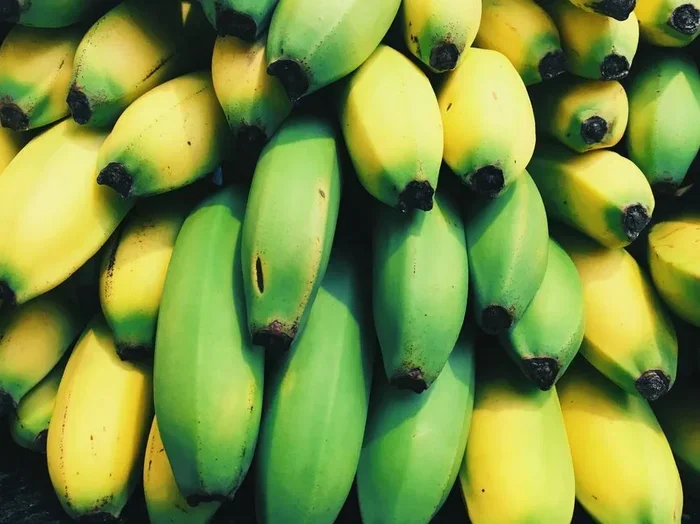
A medium banana has about 105 calories and is packed with potassium, fiber, and natural energy. The calories in a banana come mostly from carbs, making it a perfect quick snack or pre-workout fuel. Whether you eat them fresh, dried, or blended, bananas deliver serious nutrition in every bite.
Key Takeaways
- Calories in a Banana: A medium banana contains roughly 105 calories, making it a satisfying and nutritious snack.
- Rich in Potassium: Bananas provide about 422 mg of potassium, which supports heart health and muscle function.
- Great for Energy: The natural sugars and carbs in bananas make them an excellent quick energy source.
- High in Fiber: Each banana offers around 3 grams of fiber, which aids digestion and keeps you full longer.
- Weight Loss Friendly: Low in fat and high in nutrients, bananas can fit well into a balanced weight management plan.
- Versatile and Easy: Bananas work great in smoothies, oatmeal, baking, and even as a simple on-the-go snack.
📑 Table of Contents
- Calories in a Banana and Why This Fruit Deserves Your Attention
- Understanding the Calories in a Banana
- Full Banana Nutrition Facts
- Health Benefits of Eating Bananas
- How Banana Calories Compare to Other Fruits
- Are Bananas Good for Weight Loss?
- How to Choose and Store Bananas
- Creative Ways to Enjoy Bananas
- Common Mistakes People Make with Bananas
- Final Thoughts on Calories in a Banana
Calories in a Banana and Why This Fruit Deserves Your Attention
Have you ever wondered about the calories in a banana? This yellow fruit sits in almost every kitchen and lunchbox. It is one of the most popular fruits on the planet. And for good reason too. Bananas are affordable, delicious, and loaded with nutrients your body needs.
A single medium banana gives you about 105 calories. That is not a lot, but the nutrition packed inside is impressive. You get a solid dose of potassium, vitamin B6, vitamin C, and dietary fiber. Plus, the natural sugars give you a quick energy boost without any crash. Whether you are grabbing one before a workout or slicing it into your morning oatmeal, bananas are a smart choice.
In this article, we will break down everything you need to know about the calories in a banana. We will look at the full nutrition profile, compare bananas to other fruits, and share practical tips for adding more bananas to your daily diet. By the end, you will see why this humble fruit earns a spot in almost every healthy eating plan.
Understanding the Calories in a Banana
What Makes Up the Calories in a Banana
When we talk about calories in a banana, we are really talking about where those calories come from. A medium banana, which is about 7 inches long, contains roughly 105 calories. Here is how those calories break down:
- Carbohydrates: About 27 grams. This is the biggest source of calories in a banana.
- Fiber: Around 3 grams. Fiber helps you feel full and supports healthy digestion.
- Protein: About 1 gram. Not a major source, but still helpful.
- Fat: Less than 1 gram. Bananas are naturally very low in fat.
- Sugars: Around 14 grams. These are natural sugars, not added sugar.
The bulk of the calories in a banana come from carbohydrates. These are your body’s preferred source of fuel. The fiber slows down how fast your body absorbs the sugar, which means you get steady energy instead of a spike and crash. That is why bananas are such a favorite among athletes and active people.
Calories in Different Banana Sizes
Not all bananas are the same size. The calorie count changes depending on the size of the fruit. Here is a quick look at how the calories in a banana vary by size:
- Extra Small (under 6 inches): About 72 calories
- Small (6 to 6.875 inches): About 90 calories
- Medium (7 to 7.875 inches): About 105 calories
- Large (8 to 8.875 inches): About 121 calories
- Extra Large (over 9 inches): About 135 calories
As you can see, a larger banana has more calories simply because it is bigger. But even a large banana is still a reasonable snack. The banana nutrition facts stay very consistent across sizes. You always get a good dose of potassium, vitamin B6, and fiber no matter the size.
Full Banana Nutrition Facts
Key Vitamins and Minerals
The banana nutrition facts go well beyond just calories. This fruit is a nutritional powerhouse. Let us look at the key vitamins and minerals you get from one medium banana:
- Potassium: About 422 mg. This mineral helps regulate blood pressure and supports muscle contractions.
- Vitamin B6: Around 0.4 mg. B6 plays a role in brain development and immune function.
- Vitamin C: About 10 mg. Vitamin C boosts your immune system and helps with skin health.
- Magnesium: Around 32 mg. Magnesium supports bone health and nerve function.
- Manganese: About 0.3 mg. This mineral helps with metabolism and bone formation.
One of the standout features of bananas is their potassium content. Most people do not get enough potassium in their daily diet. A banana helps fill that gap. Potassium is essential for heart health, proper muscle function, and maintaining healthy blood pressure levels.
Banana Carbohydrates and Fiber
Carbs often get a bad reputation. But not all carbs are the same. The carbs in a banana come with fiber, vitamins, and minerals. This makes them much different from processed carbs like white bread or candy.
A medium banana has about 27 grams of total carbohydrates. Of those, roughly 3 grams come from fiber. Fiber is incredibly important for your digestive health. It helps keep your gut moving smoothly and can even help lower cholesterol levels. The remaining carbs are a mix of natural sugars and starch.
As bananas ripen, the starch converts into sugar. That is why green bananas taste starchy and firm, while yellow bananas taste sweeter and softer. Both stages are perfectly healthy. If you prefer less sweetness, go for a slightly greener banana. If you want more natural sweetness, wait for the yellow ones with a few brown spots.
Health Benefits of Eating Bananas
Supports Heart Health
The potassium in bananas is great for your heart. Potassium helps balance sodium levels in your body. This can help keep your blood pressure in a healthy range. High blood pressure is one of the leading risk factors for heart disease. Eating potassium-rich foods like bananas may help lower that risk.
Bananas also contain antioxidants like dopamine and catechins. These compounds help fight free radicals in your body. Free radicals can damage cells and contribute to chronic diseases. So every banana you eat is doing more than just satisfying your hunger.
Boosts Energy Naturally
Need a quick pick-me-up? Reach for a banana. The calories in a banana come from natural sugars that your body can use right away. The combination of natural sugars, fiber, and carbs makes bananas a perfect energy-boosting snack.
Many athletes eat bananas before or after workouts. The potassium helps prevent muscle cramps. The carbs replenish glycogen stores. And the easy-to-digest nature of bananas means your stomach will not feel heavy. It is no wonder bananas are a staple food for runners, cyclists, and gym-goers.
Aids Digestion
The fiber in bananas plays a big role in keeping your digestive system healthy. One medium banana gives you about 3 grams of fiber. That is roughly 10 percent of your daily fiber needs. Fiber adds bulk to your stool and helps food move through your digestive tract more efficiently.
Bananas also contain a type of fiber called pectin. Pectin can help regulate bowel movements and may even feed the good bacteria in your gut. A healthy gut microbiome is linked to better immunity, improved mood, and stronger overall health.
How Banana Calories Compare to Other Fruits
Curious how the calories in a banana stack up against other popular fruits? Here is a quick comparison:
- Apple (medium): About 95 calories
- Orange (medium): About 62 calories
- Grapes (1 cup): About 104 calories
- Strawberries (1 cup): About 49 calories
- Avocado (half): About 161 calories
Bananas sit right in the middle of the pack. They have more calories than an orange or strawberries but fewer than half an avocado. Compared to apples, bananas have slightly more calories but also offer more potassium. Each fruit has its own unique benefits. The best approach is to eat a variety of fruits to get a wide range of nutrients.
If you are storing fresh fruit, proper storage matters. While bananas are best kept at room temperature, you can store other fruits like baby carrots in the fridge to keep them fresh longer. For long-term food storage, mylar bags work great for preserving dry goods and extending shelf life.
Are Bananas Good for Weight Loss?
The Truth About Banana Calories and Weight Management
Some people worry that the calories in a banana might be too high for weight loss. But the truth is that bananas are actually a great food for managing your weight. Here is why:
- Low in fat: Bananas have less than 1 gram of fat per serving.
- High in fiber: Fiber keeps you feeling full, which can help reduce overall calorie intake.
- Natural sweetness: Bananas can satisfy sugar cravings in a healthy way.
- Portable and convenient: A banana makes a better snack choice than chips or candy.
The key is portion control. One medium banana is a perfectly sized snack. It fits easily into a balanced diet. The banana nutrition facts show that this fruit delivers a lot of nutrition for very few calories. That is a win-win for anyone watching their weight.
Best Times to Eat a Banana
Timing can matter when it comes to getting the most out of your banana. Here are some great times to enjoy one:
- Morning: Slice a banana into your oatmeal or yogurt for a nutritious breakfast boost.
- Before a workout: Eat a banana 30 minutes before exercise for quick, natural energy.
- After a workout: The potassium in bananas helps replenish electrolytes lost through sweat.
- Afternoon snack: A banana can beat the afternoon slump better than sugary snacks.
- Pre-bed: A small banana with a handful of nuts makes a light, satisfying evening snack.
If you are looking for more ways to use bananas in your kitchen, you might enjoy learning how to make a chocolate fountain for a fun and impressive dessert. Bananas pair wonderfully with melted chocolate for a healthy twist on a classic treat.
How to Choose and Store Bananas
Picking the Perfect Banana
When shopping for bananas, look for ones with a bright yellow skin and a few small brown spots. These are perfectly ripe and will be sweet and soft. Avoid bananas that are mostly brown or have large bruises, as those may be overripe or damaged.
If you prefer less ripe bananas, go for ones that are still mostly green or just starting to turn yellow. These will last longer and have a milder flavor. Greener bananas also contain more resistant starch, which is a type of fiber that feeds the good bacteria in your gut.
Storing Bananas for Maximum Freshness
Store your bananas at room temperature away from direct sunlight. Do not put them in the fridge when they are still yellow. The cold can cause the peel to turn dark brown, even though the fruit inside stays fine.
If your bananas are getting too ripe, you have options. You can peel them and freeze them for smoothies. You can also dehydrate them in the oven to make banana chips. The process is similar to how you would dehydrate peaches in the oven. Low heat and a little patience turn fresh fruit into a tasty, shelf-stable snack.
For longer-term food preservation, storing dry goods properly is important. Mylar bags are an excellent option for keeping dry foods fresh for months or even years. This is especially useful if you buy bananas in bulk or like to make dried fruit snacks at home.
Creative Ways to Enjoy Bananas
Bananas are incredibly versatile. You do not have to eat them plain. Here are some fun and easy ways to add more bananas to your meals:
- Smoothies: Blend a banana with milk, yogurt, and berries for a quick breakfast drink.
- Baking: Use mashed bananas in place of oil or butter in muffins and pancakes.
- Oatmeal: Slice a banana into hot oatmeal for natural sweetness.
- Frozen treats: Dip banana slices in melted chocolate and freeze them for a healthy dessert.
- Sandwiches: Add banana slices to peanut butter on whole wheat toast.
- Ice cream: Blend frozen bananas for a creamy, dairy-free ice cream alternative.
Each of these ideas keeps the calories in a banana in check while adding variety to your diet. You get all the nutrition benefits without getting bored of eating the same thing every day.
Common Mistakes People Make with Bananas
Even though bananas seem simple, there are a few common mistakes people make:
- Eating too many: While bananas are healthy, eating too many can add up in calories and sugar. Stick to one or two per day for the best balance.
- Ignoring ripeness: Green and yellow bananas have different textures and sugar levels. Choose based on your taste preference and how you plan to use them.
- Refrigerating too early: Putting yellow bananas in the fridge speeds up the browning process. Wait until they are ripe if you want to store them in the fridge.
- Peeling and throwing away the stem: The stem end actually has a higher concentration of certain nutrients. Try to eat the whole banana when possible.
Being mindful of these small details can help you get the most out of every banana you eat. Simple changes lead to big results over time.
Final Thoughts on Calories in a Banana
The calories in a banana are modest, but the nutrition is anything but modest. From potassium to fiber to natural energy, bananas deliver a lot of value in a small, affordable package. Whether you are fueling a workout, satisfying a sweet craving, or just looking for a healthy snack, bananas are one of the best choices you can make.
Next time you reach for a snack, grab a banana. You will be giving your body the nutrients it needs without any guilt. With their sweet flavor and impressive health benefits, it is easy to see why bananas are a favorite around the world. Enjoy them fresh, frozen, baked, or blended. No matter how you eat them, you are making a smart and delicious choice for your health.
Frequently Asked Questions
How many calories are in a medium banana?
A medium banana, about 7 inches long, contains approximately 105 calories. This makes it a low-calorie snack that fits easily into a balanced daily diet. The exact number can vary slightly depending on the size and ripeness of the fruit.
Are bananas high in sugar?
Bananas contain about 14 grams of natural sugar per medium fruit. This is not added sugar but naturally occurring sugars like fructose and glucose. The fiber in bananas helps slow down sugar absorption, preventing sharp spikes in blood sugar levels.
Can I eat bananas every day and still lose weight?
Yes, you can eat bananas daily and still lose weight. One medium banana has about 105 calories and is high in fiber, which helps you feel full. The key is to balance your overall calorie intake and pair bananas with other nutritious foods throughout the day.
What is the best time to eat a banana?
The best time to eat a banana is whenever it fits your schedule and hunger. Many people enjoy bananas before a workout for quick energy or after a workout to replenish potassium. Morning is also a great time to add a banana to oatmeal or a smoothie for a nutritious start to the day.
Do bananas have more calories when they are ripe?
The calorie count stays very similar whether a banana is green or fully ripe. However, ripe bananas have more natural sugar because the starch converts to sugar as the fruit matures. The total calorie difference is minimal, so you can enjoy bananas at any stage of ripeness.
How do banana calories compare to other fruits?
Bananas have moderate calories compared to most fruits. A medium banana has about 105 calories, which is more than an orange or strawberries but less than half an avocado. Each fruit offers unique benefits, so eating a variety of fruits is the best approach for overall nutrition.