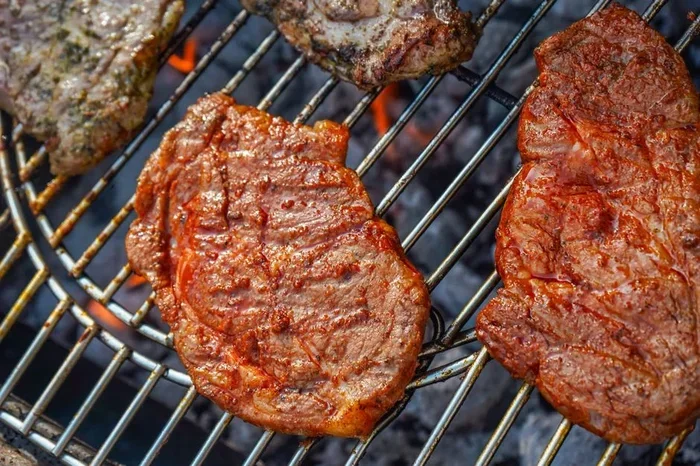
Tenderizing steak is the single easiest way to transform a tough cut into a juicy, flavorful masterpiece. Whether you prefer a thick ribeye or a lean sirloin, the right technique breaks down muscle fibers and unlocks maximum tenderness. This guide covers the best physical methods, marinades, salt brines, and cooking tips to help you achieve steakhouse-quality results at home.
There is nothing worse than biting into a steak and meeting resistance instead of that buttery, melt-in-your-mouth texture you crave. A great steak should feel tender, juicy, and full of flavor from the very first bite. The good news is that achieving this at home is simpler than most people think.
Whether you are grilling a thick ribeye or cooking a lean flank steak, tenderizing steak properly makes all the difference. The right technique breaks down the tough muscle fibers and connective tissue that make meat chewy. In this guide, we will walk you through every proven method to get juicy steak results every single time.
You do not need expensive equipment or years of experience. From simple kitchen tools to clever marinade tricks, the methods we cover here are easy to follow and incredibly effective. Let us dive in and turn your next steak into something truly special.
Key Takeaways
- Mechanical tenderizing uses tools like mallets and jaccards to physically break down tough fibers.
- Marinades with acid (citrus, vinegar) soften meat fibers over 30 minutes to 4 hours.
- Dry brining with salt draws out moisture, which gets reabsorbed for deeper seasoning and juicier results.
- Enzymatic tenderizers like papaya and pineapple contain natural enzymes that gently break down protein.
- Proper cooking technique (reverse sear, resting the meat) locks in moisture and prevents toughness.
- Avoid common mistakes like over-marinating, cutting against the grain, and skipping the rest.
📑 Table of Contents
Why Tenderizing Steak Matters
Every piece of beef starts with muscle fibers. These fibers run in bundles, held together by tough connective tissue. When you cook meat without breaking down these fibers, they tighten up and squeeze out moisture. The result? A tough, dry steak that nobody enjoys.
Tenderizing addresses this problem at the source. It physically or chemically weakens the fiber structure before heat hits the meat. This means more juice stays locked inside during cooking. The difference between an untenderized and a properly tenderized steak can be dramatic.
Think of it like this. A tender steak is like a soft wool sweater. An untenderized steak is like a rough burlap sack. You can still use both, but one feels so much better. The same idea applies to your beef.
The Best Physical Tenderizing Methods
Physical tenderizing is the fastest and most direct way to soften steak. You use tools to manually break apart the tough fibers. This method works especially well for cuts like flank steak, skirt steak, and hanger steak.
Using a Meat Mallet
A meat mallet is the classic tool for a reason. It is simple, affordable, and incredibly effective. Place your steak between two sheets of plastic wrap. Then use the textured side of the mallet to pound the meat evenly.
Start from the center and work your way outward. Apply firm, even pressure. You want to flatten the steak to about half its original thickness. This breaks the long muscle fibers into shorter pieces that are much easier to chew.
Quick Tip: Do not pound too aggressively. You want to tenderize, not turn your steak into mush. A few firm strikes per section is all you need.
Using a Jaccard Tenderizer
A Jaccard tenderizer looks like a blade with multiple needles. You press it onto the steak, and the needles pierce through the meat, slicing the fibers from the inside. This method is incredibly precise and leaves minimal surface damage.
Many professional kitchens rely on Jaccard tenderizers for consistent results. They are especially useful for thicker cuts where a mallet might not reach the inner fibers. The needles create tiny channels that also help marinades penetrate deeper.
Scoring the Meat
Scoring involves making shallow cuts across the surface of the steak. This technique works well for thinner cuts and is a great option if you do not own any special tools. Use a sharp knife and make cuts about a quarter-inch deep, spaced about an inch apart.
Scoring helps heat penetrate more evenly during cooking. It also gives marinades a way to seep into the meat. This simple step can noticeably improve the tenderness of your final dish.
Marinades: Your Secret Weapon for Tender Steak
Marinades are one of the most popular ways to tenderize steak, and for good reason. They add flavor while simultaneously softening the meat. The key is understanding what makes a marinade work.
Most effective marinades contain three elements: an acid, an oil, and seasonings. The acid is what does the heavy lifting when it comes to tenderizing. It breaks down the proteins on the surface and helps the meat absorb moisture.
Acid-Based Marinades
Citrus juices like lemon and lime are excellent natural acids. Vinegar, especially apple cider vinegar, works just as well. Yogurt and buttermilk are milder options that tenderize gently over longer periods.
Here are some simple marinade ideas you can try tonight:
- Classic Citrus: Olive oil, lemon juice, garlic, salt, and pepper. Marinate for 30 minutes to 2 hours.
- Asian-Inspired: Soy sauce, rice vinegar, sesame oil, ginger, and honey. Marinate for 1 to 4 hours.
- Mediterranean: Red wine vinegar, olive oil, rosemary, garlic, and Dijon mustard. Marinate for 2 to 4 hours.
Remember that acid needs time to work, but too much time can actually make the meat mushy. A good rule of thumb is to marinate for no more than 4 hours for most cuts. If you use a very strong acid like pure vinegar, keep the time under 2 hours.
Oil and Seasoning
Oil carries fat-soluble flavors deep into the meat. It also helps the marinade coat the steak evenly. Olive oil, avocado oil, and sesame oil are all great choices depending on your flavor profile.
Seasonings like garlic, onion powder, smoked paprika, and fresh herbs do more than just add taste. They contain compounds that interact with the meat proteins and help break them down. This is why a well-seasoned marinade does double duty as both a tenderizer and a flavor booster.
Salt and Brine Techniques
Salt is perhaps the most underrated tenderizing tool in any kitchen. A technique called dry brining has gained popularity among home cooks and professional chefs alike, and for good reason.
Dry Brining for Juicy Steak
Dry brining is incredibly simple. Just sprinkle coarse salt generously on all sides of your steak. Then place it uncovered on a wire rack in the refrigerator for at least 1 hour, or up to 24 hours.
Here is what happens during this time. The salt draws moisture out of the meat through osmosis. That moisture dissolves the salt and then gets reabsorbed back into the steak. The result is meat that is seasoned deep to the core and significantly more tender.
Expert Insight: Many steakhouse chefs swear by dry brining as the single most impactful step they take before cooking. It transforms even budget-friendly cuts into something that tastes like a premium ribeye or filet mignon.
Wet Brining
Wet brining involves submerging the steak in a saltwater solution. This method works well for leaner cuts that tend to dry out easily. A typical brine uses 1 cup of salt per gallon of water, with optional additions like sugar, garlic, and herbs.
Brine your steak for 2 to 8 hours depending on thickness. Longer is not always better with wet brining, as the meat can become overly salty or take on a mushy texture. Rinse the steak thoroughly after brining and pat it completely dry before cooking.
Enzymatic Tenderizers
Nature provides its own tenderizing agents in the form of enzymes. Fruits like papaya, pineapple, and kiwi contain powerful enzymes that break down protein fibers in meat. These are called proteolytic enzymes, and they work remarkably well.
Papaya contains an enzyme called papain. Pineapple contains bromelain. Both of these substances soften meat quickly and naturally. You can rub fresh fruit pulp directly onto your steak or use commercial enzymatic tenderizer powders.
The key with enzymatic tenderizers is timing. They work fast. Overusing them can turn the surface of your steak into a mushy texture. A light coating for 15 to 30 minutes is usually enough. After that, rinse the steak and pat it dry before seasoning and cooking.
Many people reach for a meat tenderizer powder without realizing it contains these same fruit-derived enzymes. Brands like Adolph’s and McCormick use papain or bromelain as their primary active ingredient. They are effective, affordable, and easy to use.
Cooking Tips for Maximum Juiciness
Tenderizing sets the stage, but how you cook the steak matters just as much. Even the most perfectly tenderized cut can turn dry if the cooking method is wrong.
Bring the Steak to Room Temperature
Take your steak out of the refrigerator 30 to 45 minutes before cooking. This lets the meat warm up evenly. A cold steak placed directly on a hot pan will cook unevenly, with a gray band of overcooked meat in the center.
Room temperature steak also sears better. The temperature difference between the meat and the pan is more dramatic, which creates a beautiful crust without overcooking the inside.
Use a Carbon Steel Skillet for the Perfect Sear
A carbon steel skillet is arguably the best tool for cooking steak at home. It holds heat incredibly well and reaches temperatures high enough to create a deep, flavorful crust. Preheat the pan until it just starts to smoke, then add a high-smoke-point oil like avocado or grapeseed oil.
Place the steak in the pan and do not touch it for 3 to 4 minutes. Let the crust form. Then flip and repeat on the other side. For thick steaks, you can finish in a 400°F oven to achieve even cooking all the way through.
Quick Tip: If you prefer a more hands-off approach, you can also use the reverse sear method. Cook the steak low and slow in the oven first, then finish with a quick sear in a hot skillet. This produces incredibly even results from edge to edge.
Rest Your Steak Before Cutting
This step is non-negotiable. After cooking, let your steak rest for at least 5 to 10 minutes before cutting. During cooking, the juices get pushed toward the center of the meat. Resting allows those juices to redistribute throughout the steak.
If you cut too soon, all those juices run out onto the cutting board instead of staying in the meat. The result is a steak that looks done but tastes dry and disappointing. Patience here pays off in a big way.
Common Mistakes to Avoid
Even experienced cooks sometimes make mistakes that ruin an otherwise great steak. Here are the most common pitfalls to watch out for.
- Cutting with the grain: Always slice against the direction of the muscle fibers. Cutting along the grain makes even tenderized meat feel chewy.
- Over-marinating: Too much acid or too much time turns the surface of the steak mushy. Stick to recommended times.
- Skipping the rest: Cutting immediately after cooking releases all the juices. Give your steak time to relax.
- Using a dull knife: A dull blade tears the meat instead of slicing cleanly. This makes even the most tender steak feel rough.
- Cooking on low heat too long: Low and slow works for some cuts, but most steaks benefit from high heat and fast cooking. This preserves juiciness.
Avoiding these simple mistakes can elevate your steak from average to exceptional. It is often the small details that make the biggest difference.
Which Tenderizing Method Is Right for You?
Every method has its strengths, and the best choice depends on your cut, your time, and your tools. Here is a quick comparison to help you decide.
- Meat mallet: Best for thin, tough cuts like flank and skirt steak. Fast and requires no special ingredients.
- Jaccard tenderizer: Best for thick cuts where you want deep penetration without changing the shape. Great for grilling.
- Acid marinade: Best when you also want to add flavor. Works well for most cuts with 30 minutes to 4 hours of time.
- Dry brining: Best for thick, premium cuts like ribeye and strip steak. Requires advance planning but delivers outstanding results.
- Enzymatic tenderizer: Best for quick turnaround. Works in 15 to 30 minutes but requires careful timing.
For the best results, many experts combine methods. A dry-brined steak that is also lightly scored and cooked in a screaming-hot carbon steel skillet is hard to beat. The layers of preparation build on each other to create an unforgettable eating experience.
If you are new to tenderizing, start with one method at a time. Try dry brining first since it requires the least effort. Once you see the results, you will want to make it a habit for every steak you cook.
The journey to a perfect steak begins long before it hits the heat. Proper tenderizing is the foundation. Combine it with smart cooking techniques, and you will serve juicy steak that rivals any restaurant. Your next dinner party starts in your kitchen, and now you have all the tools to make it unforgettable.
Frequently Asked Questions
What is the easiest way to tenderize a steak at home?
The easiest method is using a meat mallet. Simply place your steak between plastic wrap and pound it with the textured side. It takes just a few minutes and requires no special ingredients. This physical method breaks down tough muscle fibers quickly and effectively.
How long should you marinate a steak for best results?
Most steaks benefit from 30 minutes to 4 hours of marinating time. Thinner cuts need less time, while thicker cuts can handle a bit more. Going beyond 4 hours with an acid-based marinade can break down the meat too much and create a mushy texture.
Can you over-tenderize a steak?
Yes, over-tenderizing is possible. Pounding too aggressively with a mallet or leaving meat in an acidic marinade too long can destroy the meat’s structure. The steak becomes mushy rather than tender. Moderation is key with every method.
Does salting steak before cooking really make it more tender?
Yes, salting steak through dry brining significantly improves tenderness. The salt draws out moisture, which dissolves the salt and gets reabsorbed into the meat. This process seasons the steak deeply and helps it retain more juice during cooking.
Is it better to tenderize steak before or after cooking?
Always tenderize before cooking. Physical methods like pounding and scoring, as well as marinades and brines, all need time to work on the meat before heat is applied. Cooking first and then trying to tenderize will not produce the same results.
What cut of steak benefits most from tenderizing?
Leaner cuts like flank steak, skirt steak, and hanger steak benefit the most. These cuts have less intramuscular fat, which means they can be naturally tougher. Even premium cuts like ribeye and New York strip improve with proper tenderizing and seasoning.