So how many oz are in a gallon? The answer depends on which system you use. In the US, one gallon equals 128 fluid ounces. In the imperial system used in the UK, one gallon equals 160 fluid ounces. This guide breaks down the gallon conversion in simple terms and shows you how to measure liquids accurately every time.
Have you ever stared at a recipe or a container and wondered, “how many oz are in a gallon?” You are not alone. This is one of those volume conversion questions that comes up in kitchens, workshops, and everyday life more often than you might think. Whether you are prepping a big batch of soup, storing water for emergencies, or just trying to figure out how much your drink container holds, knowing your gallon conversion is a real skill.
The good news is that the math is not as scary as it sounds. Once you understand the basics, you will never have to guess again. This guide walks you through everything you need to know about how many oz are in a gallon, the difference between US and imperial measurements, and practical tips for getting accurate results every single time.
Key Takeaways
- 1 US gallon = 128 fluid ounces: This is the standard measurement used in the United States for all liquid volume.
- 1 imperial gallon = 160 fluid ounces: The UK and some other countries use a larger gallon size for their liquid measurement needs.
- Use the right tools: A good set of measuring cups or a kitchen scale makes volume conversion quick and painless.
- Know the difference between fluid ounces and weight ounces: They are not the same thing, and confusing them can throw off your recipes.
- Keep a conversion chart handy: Whether you are cooking or storing food, having a quick reference saves time and prevents mistakes.
- Practice makes perfect: The more you work with kitchen measurements, the more natural the conversions become.
📑 Table of Contents
What Is a Gallon and Why Does It Matter
A gallon is a unit of liquid volume used to measure how much space a liquid takes up. Think of it as a big bucket. In the United States, the gallon is part of the customary units system. In other parts of the world, different systems are used, and that is where things can get confusing.
Understanding the gallon size matters because it affects everything from cooking to storing water. If you follow a recipe from the UK but use US measurements, your dish could turn out very differently. The same goes for water measurement when you are filling containers or planning storage.
The History Behind the Gallon
The gallon has been around for centuries. It originally came from the Roman word “galleta,” which referred to a type of wine barrel. Over time, different countries developed their own versions of the gallon. The US kept a version based on the British wine gallon, while the UK eventually switched to the imperial gallon, which is larger. This history is why we have two different gallon conversion numbers today.
How Many Oz Are in a Gallon: The Simple Answer
Let us get straight to the point. If you are using the US system, 1 gallon = 128 fluid ounces. That is the number you will see on most containers and recipes in America.
If you are using the imperial system, which is common in the United Kingdom and some other countries, 1 gallon = 160 fluid ounces. That is a big difference, and it is exactly why you need to know which system a recipe or label is using.
Breaking It Down Further
Here is a closer look at how the ounce measurement breaks down within a gallon:
- 1 gallon = 4 quarts
- 1 quart = 2 pints
- 1 pint = 2 cups
- 1 cup = 8 fluid ounces
So when you multiply it all out, you get 4 times 2 times 2 times 8, which equals 128 fluid ounces in a US gallon. It is a simple chain of volume units that once you memorize, makes everything easier.
US vs Imperial Gallon: What Is the Difference
This is where a lot of people get tripped up. The US gallon and the imperial gallon are not the same size. The imperial gallon is about 20 percent larger than the US gallon. Here is a side-by-side look:
| Measurement | US Gallon | Imperial Gallon |
|---|---|---|
| Fluid Ounces | 128 fl oz | 160 fl oz |
| Liters | 3.785 liters | 4.546 liters |
| Quarts | 4 quarts | 4 quarts |
| Pints | 8 pints | 8 pints |
| Cups | 16 cups | 16 cups |
As you can see, the number of quarts and pints stays the same, but the fluid ounces and total volume change. This is why liquid measurement accuracy depends on knowing which system you are working with.
Why Does This Difference Exist
The imperial gallon was defined in Britain in 1824 based on the weight of a specific amount of water. The US gallon stuck with an older definition based on the wine gallon used in colonial times. Both systems have their own logic, but for everyday cooking and kitchen measurements, the US gallon is the one you will encounter most often in American recipes and products.
Quick Conversion Chart for Common Measurements
Having a conversion chart on hand makes life so much easier. Here are the most common ounces to gallons conversions you will need:
- 1 gallon = 128 fluid ounces (US)
- 1/2 gallon = 64 fluid ounces
- 1/4 gallon = 32 fluid ounces
- 1/8 gallon = 16 fluid ounces
- 1 quart = 32 fluid ounces
- 1 pint = 16 fluid ounces
- 1 cup = 8 fluid ounces
Print this out or save it on your phone. It is one of the most useful cooking measurements references you can have. Whether you are doubling a recipe or cutting it in half, these numbers help you scale with confidence.
Metric Equivalents for International Cooks
If you work with metric liquid volume measurements, here are the equivalents you need:
- 1 US gallon = 3.785 liters
- 1 imperial gallon = 4.546 liters
- 1 fluid ounce (US) = 29.57 milliliters
- 1 fluid ounce (imperial) = 28.41 milliliters
These numbers are especially helpful if you are converting international recipes or shopping for ingredients from other countries. A simple kitchen scale that measures in grams and milliliters can also make metric conversion a breeze.
How to Measure Liquids Accurately at Home
Knowing how many oz are in a gallon is only half the battle. You also need to know how to measure liquids properly. Even the best conversion chart will not help if your measuring technique is off.
Tools You Need for Accurate Liquid Measurement
Here are the most common tools used for fluid measurement at home:
- Measuring cups: These come in sets with markings for cups, ounces, and milliliters. They are great for smaller amounts.
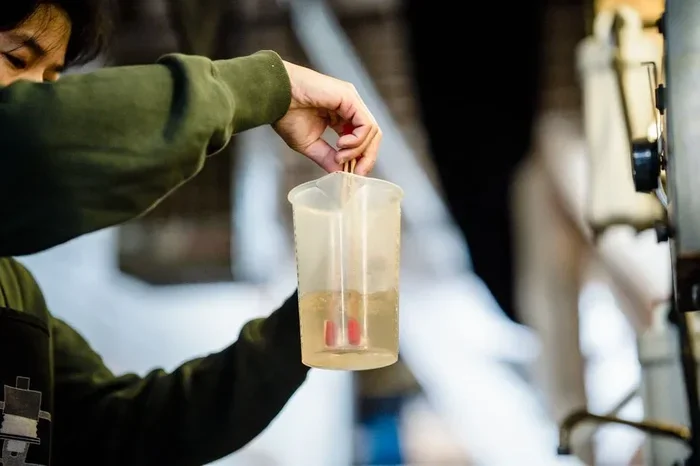
- Liquid measuring pitchers: These have clear markings and a pour spout. They work best for larger volumes like quarts and gallons.
- Kitchen scales: A scale can weigh liquids in grams or ounces. This is especially useful for measuring ingredients where precision matters.
- Graduated cylinders: More common in science, but useful for very precise liquid measurement tasks.
If you want to learn more about measuring techniques for other kitchen tools, check out our guide on How To Measure Coffee In A Coffee Maker for tips that apply to any liquid measurement task.
Tips for Getting It Right Every Time
- Always measure at eye level. Hold your measuring cup on the counter and look straight across the line. Pouring from too high or too low can throw off your reading.
- Use the right type of cup. Dry measuring cups and liquid measuring cups are not interchangeable. Liquid cups have a spout and clear markings for fluid ounces.
- Fill to the line, not over it. A little bit too much can change the outcome of a recipe, especially in baking where precision matters most.
- Temperature matters. Liquids expand when hot and contract when cold. For the most accurate fluid measurement, measure at room temperature.
Real-World Uses for Gallon and Ounce Conversions
Knowing your gallon conversion is not just about passing a math test. It has real practical uses in daily life. Here are some situations where understanding how many oz are in a gallon comes in handy:
Cooking and Baking
Many recipes, especially for large batches like soups, stews, and beverages, call for gallons or half-gallons of liquid. If you only have a measuring cup marked in ounces, you need to know that 1 gallon = 128 fl oz to get the right amount. This is especially important for canning, fermenting, and making large batches of stocks or broths.
Water Storage and Hydration
If you store water for emergencies or camping trips, knowing the gallon size helps you plan. A standard US gallon of water weighs about 8.34 pounds. Understanding how many ounces are in that gallon helps you figure out how much water you need per person per day. For more on storing water properly, see our guide on How To Store Water In Mason Jars.
Food Storage and Preservation
When you are storing food in bulk, whether in mylar bags or containers, knowing your volume conversions helps you pack efficiently. If a recipe calls for a gallon of dried goods or liquid, you can measure it out precisely in ounces or cups. For tips on storing food in bulk, check out our article on How To Store Food In Mylar Bags.
Household Cleaning and DIY Projects
Many cleaning solutions and DIY mixtures call for specific ratios. If a recipe says “1 gallon of water to 2 ounces of cleaner,” you need to know the liquid volume you are working with. Having a solid grasp of ounce measurement and gallon conversion makes these tasks quick and easy.
Key Takeaways
- 1 US gallon = 128 fluid ounces is the number you will use most often in American cooking and daily life.
- 1 imperial gallon = 160 fluid ounces is the larger version used in the UK and some other countries.
- Always use the right measuring tools and measure at eye level for the most accurate results.
- Keep a conversion chart handy for quick reference during cooking, storage, and DIY projects.
- Do not confuse fluid ounces with weight ounces. They measure different things and cannot be used interchangeably.
The next time someone asks you, “how many oz are in a gallon?” you will have the answer ready. With 128 fluid ounces in a US gallon and 160 in an imperial gallon, you now have the knowledge to measure, convert, and scale with confidence. Practice these kitchen measurements a few times, and they will become second nature. Happy measuring!
Frequently Asked Questions
Is a gallon the same as 128 ounces?
Yes, in the US measurement system, 1 gallon equals 128 fluid ounces. This is the standard used in American recipes, grocery stores, and everyday liquid volume conversion. However, in the imperial system used in the UK, 1 gallon equals 160 fluid ounces.
How many 8 oz cups are in a gallon?
There are 16 eight-ounce cups in a US gallon. Since 1 cup equals 8 fluid ounces, you simply multiply 16 by 8 to get 128 fluid ounces. This is a great shortcut for cooking measurements and meal prep.
What is the difference between a fluid ounce and a weight ounce?
A fluid ounce measures volume, which is how much space a liquid takes up. A weight ounce measures mass, which is how heavy something is. For example, 1 fluid ounce of water weighs about 1 weight ounce, but 1 fluid ounce of oil weighs less because oil is less dense. Always check which type of ounce your liquid measurement requires.
Can I use a kitchen scale to measure gallons of liquid?
Yes, a kitchen scale can help you measure liquids by weight. One US gallon of water weighs approximately 8.34 pounds or about 133.5 weight ounces. However, this only works accurately for water and similar liquids. For precise fluid measurement, it is best to use a liquid measuring cup with gallon and ounce markings.
Why do some countries use a different gallon size?
Different countries developed their own measurement systems over centuries. The US kept the older British wine gallon, while Britain adopted the larger imperial gallon in 1824. These historical decisions are why we have two different gallon sizes today. When following international recipes, always check which system is being used.
How do I convert gallons to liters?
To convert US gallons to liters, multiply the number of gallons by 3.785. For imperial gallons, multiply by 4.546. This metric conversion is very useful when working with international recipes or when shopping for containers and bottles labeled in liters.