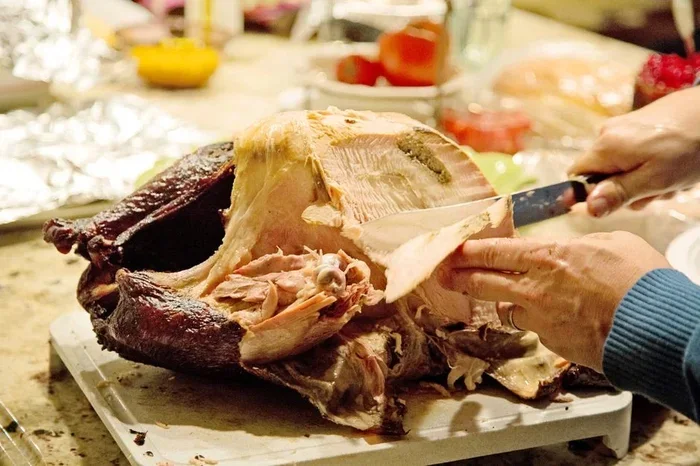
Yes, you can absolutely freeze cooked turkey. Freezing cooked turkey is one of the best ways to reduce food waste and enjoy your holiday meal for days or even weeks after cooking. When stored properly in airtight containers or freezer bags, cooked turkey stays safe and tasty for up to four months in the freezer.
So you cooked a beautiful turkey. Maybe it was Thanksgiving. Maybe it was a Sunday roast. Either way, you have leftovers, and you want to make them last. The big question is simple: can you freeze cooked turkey? The answer is a confident yes. Freezing cooked turkey is safe, easy, and one of the smartest things you can do with your leftovers.
But there is a right way and a wrong way to do it. If you just toss a whole bird into the freezer without any preparation, you will end up with dry, freezer-burned meat that nobody wants to eat. This guide walks you through every step of the process. You will learn how to cool, package, store, thaw, and reheat your cooked turkey so it tastes almost as good as the day you cooked it.
Whether you are dealing with turkey leftovers after a big holiday meal or meal-prepping for the week ahead, this article has you covered. Let us dive in.
Key Takeaways
- Cooked turkey freezes well: Properly stored, it lasts up to 4 months in the freezer without losing quality.
- Cool it first: Always let turkey cool to room temperature before freezing to prevent condensation and bacteria growth.
- Remove the meat: Take turkey off the bone before freezing for easier portioning and better texture.
- Use airtight packaging: Freezer bags, vacuum-sealed bags, or airtight containers prevent freezer burn.
- Thaw safely: Use the refrigerator method for best results, or reheat directly from frozen in a covered dish.
- Reheat gently: Low and slow reheating keeps turkey moist and tender after freezing.
- Label everything: Date your packages so you always know how long the turkey has been frozen.
📑 Table of Contents
- Why Freeze Cooked Turkey?
- How To Freeze Cooked Turkey Step by Step
- How To Thaw Frozen Cooked Turkey Safely
- Best Ways To Reheat Frozen or Thawed Cooked Turkey
- Common Mistakes to Avoid When Freezing Cooked Turkey
- Quick Tips for Freezing Cooked Turkey
- Can You Freeze Turkey That Has Already Been Reheated?
- Can You Freeze Turkey Soup or Turkey Casserole?
- Conclusion
Why Freeze Cooked Turkey?
Freezing cooked turkey makes a lot of sense. First, it saves money. Instead of throwing away food, you get extra meals out of what you already cooked. Second, it saves time. Imagine pulling a delicious turkey dinner together on a busy weeknight with almost no effort. Third, it is one of the best ways to practice food preservation at home.
Cooked turkey is a versatile ingredient. You can use it in sandwiches, salads, soups, casseroles, and wraps. Freezing it means you always have a protein ready to go. It also helps reduce food waste, which is better for your wallet and the planet.
How Long Can You Freeze Cooked Turkey?
When stored properly, cooked turkey stays good in the freezer for about three to four months. After that, the quality starts to decline. The meat may become dry or develop a stale flavor from freezer burn. That does not mean it is unsafe to eat, but the taste and texture suffer.
If you want the best results, aim to use your frozen turkey within two to three months. Label your containers with the date so you always know what you have and how long it has been stored.
How To Freeze Cooked Turkey Step by Step
Freezing cooked turkey is not complicated, but doing it right matters. Follow these steps for the best results every time.
Step 1: Let the Turkey Cool Down
This is the most important step people skip. Never put hot or warm turkey directly into the freezer. Hot food raises the temperature inside your freezer, which can affect other frozen items. It also creates condensation, which leads to ice crystals and soggy meat.
Let your turkey cool to room temperature within two hours of cooking. Do not leave it out longer than that. According to food safety guidelines, cooked meat should not sit at room temperature for more than two hours. If your kitchen is very warm, refrigerate the turkey first, then freeze it once it is fully chilled.
Step 2: Remove the Meat From the Bone
Freezing turkey on the bone takes up a lot of space and makes portioning harder. Instead, take the meat off the bones and slice or shred it into smaller pieces. This also helps the turkey freeze more evenly and thaw faster later.
If you are freezing turkey carcass for stock, that is a different story. But for the actual meat, removing it from the bone is the way to go. You can also separate white meat from dark meat if you prefer to use them in different recipes later.
Step 3: Portion the Meat
Portioning is a game changer. Instead of freezing one giant block of turkey, divide it into meal-sized portions. This way, you only thaw what you need. You avoid wasting food and save time when reheating.
Use small freezer bags or containers for individual portions. A portion of about one cup of shredded turkey or three to four slices of breast meat is a good size for most meals.
Step 4: Package It Properly
Proper packaging is the secret to keeping frozen turkey fresh. Air is the enemy of frozen meat. Exposure to air causes freezer burn, which dries out the meat and creates unpleasant flavors.
Here are your best packaging options:
- Freezer bags: Press out as much air as possible before sealing. Use heavy-duty freezer bags for the best results.
- Vacuum-sealed bags: These remove almost all air and offer the longest protection against freezer burn.
- Airtight containers: Use containers specifically designed for freezer storage. Leave a little headspace because liquids expand when frozen.
- Double wrapping: For extra protection, wrap portions in plastic wrap first, then place them in a freezer bag.
For comparison, here is how the different packaging methods stack up:
- Freezer bags: Good for short to medium-term storage (2-3 months). Easy to use and affordable.
- Vacuum-sealed bags: Best for long-term storage (up to 4 months). Removes most air and prevents freezer burn effectively.
- Airtight containers: Great for portion control and stacking in the freezer. Slightly less space-efficient than bags.
- Double wrapping: Adds an extra layer of protection. Ideal if you are not using vacuum-sealed bags.
Step 5: Label and Freeze
Write the date and contents on each package. Use a permanent marker on freezer tape or directly on the bag. This simple habit saves a lot of confusion later. You will always know exactly what you have and when it went into the freezer.
Place the packages flat in the freezer so they freeze quickly and stack neatly. Once frozen solid, you can stand them upright to save space.
How To Thaw Frozen Cooked Turkey Safely
Thawing is just as important as freezing. Doing it wrong can lead to uneven heating, texture problems, or even foodborne illness. Here are the best methods for thawing cooked turkey.
Method 1: Refrigerator Thawing (Best Method)
The refrigerator is the safest and most recommended way to thaw frozen cooked turkey. Place the sealed package on a plate or in a bowl to catch any drips. Put it on the bottom shelf of your refrigerator.
Small portions will thaw in about 12 hours. Larger portions or a whole pack of turkey may take 24 hours or more. Once thawed, use the turkey within three to four days. This method keeps the meat at a safe temperature throughout the process and preserves the best texture.
Method 2: Cold Water Thawing (Faster)
If you need to thaw turkey quickly, the cold water method works well. Place the sealed turkey in a leak-proof bag and submerge it in cold water. Change the water every 30 minutes to keep it cold.
A portion of turkey usually thaws in one to two hours using this method. Cook or reheat the turkey immediately after thawing. Do not leave it sitting in water for too long.
Method 3: Reheat Directly From Frozen
You can also skip thawing altogether and reheat turkey straight from the freezer. This works well for soups, casseroles, and dishes where the turkey will be mixed with other ingredients. Just add a few extra minutes to the cooking time and make sure the internal temperature reaches 165°F (74°C).
For reheating individual portions, cover the dish with foil or a lid and heat at a low temperature. This prevents the outside from drying out before the inside is warm.
Best Ways To Reheat Frozen or Thawed Cooked Turkey
Reheating is where a lot of people go wrong. Too much heat, too little moisture, and your once-tender turkey turns into dry, stringy disappointment. Here is how to bring your frozen turkey back to life.
Oven Reheating
The oven is the best method for reheating larger pieces of turkey. Preheat your oven to 325°F (165°C). Place the turkey in a baking dish and add a splash of broth or a little water to keep it moist. Cover the dish tightly with foil and heat for 20 to 30 minutes, or until the internal temperature reaches 165°F (74°C).
If you are reheating sliced turkey, lay the slices in a single layer and cover them with a damp paper towel. This adds moisture and prevents the edges from drying out.
Stovetop Reheating
For shredded or diced turkey, the stovetop works great. Add the turkey to a skillet with a little broth, sauce, or gravy. Heat over medium-low, stirring occasionally, until warmed through. This method is perfect for turkey tacos, soups, and stir-fries.
Microwave Reheating
The microwave is the fastest option but requires some care. Place the turkey in a microwave-safe dish and add a splash of water or broth. Cover with a microwave-safe lid or damp paper towel. Heat in 30-second intervals, stirring or flipping between each interval, until the turkey is hot all the way through.
Microwaves can create hot spots, so always check the temperature in the thickest part before serving. Uneven heating can leave cold spots where bacteria can survive.
Common Mistakes to Avoid When Freezing Cooked Turkey
Even experienced cooks make mistakes when freezing turkey. Here are the most common ones and how to avoid them.
Freezing Turkey That Is Still Warm
This is the number one mistake. Putting warm turkey in the freezer raises the internal temperature and can partially thaw other items. Always cool your turkey first, ideally within two hours of cooking.
Using Regular Plastic Bags Instead of Freezer Bags
Regular storage bags are not designed for freezer use. They are thinner, more prone to tearing, and do not protect against air and moisture. Always use bags or containers labeled as freezer-safe.
Not Removing Enough Air From Bags
Air causes freezer burn, which ruins the flavor and texture of your turkey. Squeeze out as much air as possible from freezer bags, or use a vacuum sealer for the best protection.
Freezing Turkey With Gravy or Sauce Separately
Gravy and sauces can be frozen alongside turkey, but they need their own proper packaging. Gravy can expand when frozen, so leave headspace in the container. Alternatively, freeze gravy in ice cube trays for easy portioning.
Keeping Frozen Turkey Too Long
Frozen turkey is safe indefinitely from a food safety standpoint, but quality declines over time. After four months, you may notice freezer burn, off-flavors, or a dry texture. Use your frozen turkey within three to four months for the best eating experience.
Quick Tips for Freezing Cooked Turkey
Here are some extra tips to make the process smoother and your results better:
- Freeze turkey in sauce or broth: This adds moisture and flavor. Turkey in gravy freezes and reheats beautifully.
- Use freezer tape: Regular tape does not stick well in the freezer. Freezer tape is designed to stay put in cold temperatures.
- Freeze flat: Lay freezer bags flat while freezing. They stack better and thaw faster than rounded bags.
- Freeze turkey and vegetables together: Create ready-made meal packs with turkey, veggies, and broth for easy soups and stews.
- Consider how you will use it: If you plan to use the turkey in sandwiches, freeze it in flat slices for easy stacking and thawing.
- Keep your freezer at 0°F (-18°C) or below: This is the recommended temperature for safe long-term storage of frozen foods.
If you are interested in how long cooked meat stays good in storage, check out our guide on how to store cooked brisket for more helpful tips on preserving cooked meats.
Can You Freeze Turkey That Has Already Been Reheated?
Technically, you can refreeze cooked turkey that has been thawed and reheated, but it is not recommended. Each freeze-thaw cycle breaks down the meat fibers, leading to a significant loss of texture and moisture. The turkey will become increasingly dry and less appealing with each cycle.
If you must refreeze, make sure the turkey was thawed in the refrigerator (not at room temperature) and was reheated to a safe internal temperature of 165°F (74°C). Divide the turkey into small portions before the first freeze so you only thaw what you need and avoid the temptation to refreeze.
For more information on storing different types of cooked food, you might find our article on how to store cooked shrimp helpful for understanding general principles of cooked food storage.
Can You Freeze Turkey Soup or Turkey Casserole?
Absolutely! Turkey soup, turkey casserole, and other turkey-based dishes freeze wonderfully. In fact, these dishes often taste better after freezing because the flavors have time to meld together.
Let the dish cool completely before freezing. Use airtight containers or heavy-duty freezer bags, leaving some space for expansion. Turkey soup and casserole can be frozen for up to three months. When ready to eat, thaw in the refrigerator overnight and reheat on the stovetop or in the oven until bubbling hot.
If you are meal prepping for the week, consider making a big batch of turkey soup or casserole, portioning it into individual containers, and freezing them. This gives you ready-made lunches and dinners with minimal effort.
Conclusion
Can you freeze cooked turkey? Yes, and now you know exactly how to do it right. From cooling and portioning to packaging and reheating, every step matters when it comes to keeping your turkey fresh and delicious in the freezer.
The key takeaways are simple. Cool the turkey first, remove it from the bone, portion it out, package it tightly, label it with the date, and use it within three to four months. Follow these guidelines and your frozen turkey will taste almost as good as the day you cooked it.
Freezing cooked turkey is one of the easiest ways to make the most of your meals, reduce waste, and always have a ready-made protein on hand. Whether it is Thanksgiving leftovers or a weeknight dinner solution, your freezer is the best friend your cooked turkey never knew it had.
So next time you have extra turkey, do not let it go to waste. Freeze it right, and enjoy it later with confidence.
Frequently Asked Questions
Can you freeze cooked turkey on the bone?
Yes, you can freeze cooked turkey on the bone, but it is not ideal. The bone takes up extra space and makes portioning difficult. For best results, remove the meat from the bone before freezing. This also helps the turkey freeze and thaw more evenly.
How long is cooked turkey good in the freezer?
Cooked turkey stays safe in the freezer indefinitely, but for the best quality, use it within three to four months. After that, you may notice freezer burn or a decline in flavor and texture. Always label your packages with the date so you can track how long the turkey has been stored.
Can you freeze turkey with gravy?
Yes, freezing turkey with gravy is a great idea. The gravy adds moisture and flavor during reheating. Just make sure to leave some headspace in the container because liquids expand when frozen. Use airtight containers or freezer bags and squeeze out excess air before sealing.
Is it safe to refreeze cooked turkey?
It is technically safe if the turkey was thawed in the refrigerator and reheated to 165°F (74°C). However, each freeze-thaw cycle reduces the quality of the meat. The texture becomes drier and less appealing. To avoid this, freeze turkey in small portions so you only thaw what you need.
What is the best way to reheat frozen cooked turkey?
The oven is the best method for reheating frozen cooked turkey. Preheat to 325°F (165°C), add a splash of broth to keep the meat moist, cover with foil, and heat until the internal temperature reaches 165°F (74°C). For smaller portions, the microwave works well when heated in short intervals with a damp paper towel covering the meat.
How do you prevent freezer burn on cooked turkey?
The best way to prevent freezer burn is to remove as much air as possible from the packaging. Use vacuum-sealed bags, heavy-duty freezer bags, or airtight containers. Double wrapping with plastic wrap adds extra protection. Keeping your freezer at a consistent 0°F (-18°C) also helps prevent freezer burn.