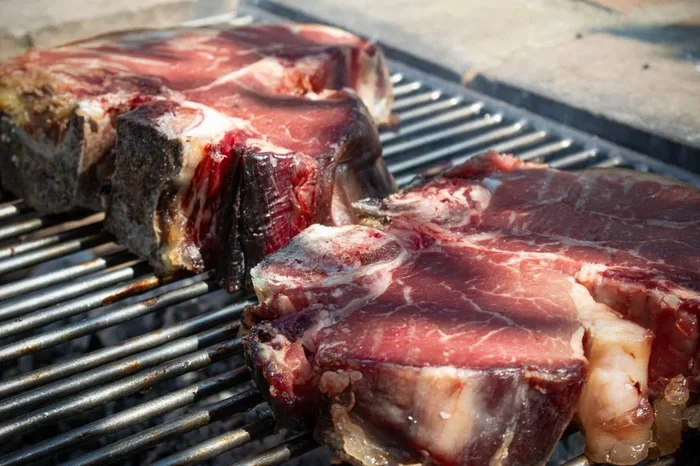
A medium rare t bone steak offers the best of both worlds — a tender filet side and a rich strip steak side separated by the T-shaped bone. This guide covers everything from the ideal internal temperature of 130-135°F to searing techniques, resting times, and common mistakes to avoid. Whether you are grilling, pan-searing, or using an air fryer, you will find practical tips to serve a restaurant-quality steak at home.
There is something magical about a medium rare t bone steak. The pink, juicy center gives way to a caramelized crust that crackles when you cut through it. If you have ever bitten into a perfectly cooked bone in steak, you know exactly what I mean. This cut is a favorite among steak lovers for good reason.
A t bone steak combines two premium cuts in one. On one side sits the tender filet mignon. On the other side lies the rich, flavorful strip steak. The T-shaped bone runs right through the middle, giving this cut its name and its charm. When cooked to medium rare, the result is nothing short of spectacular.
In this guide, we will walk you through everything you need to know. From choosing the right cut at the butcher counter to nailing the perfect internal temperature, we have you covered. You will learn how to sear, grill, and rest your steak like a pro. Let us dive in.
Key Takeaways
- Medium rare is the sweet spot: Cook your t bone steak to 130-135°F for the perfect pink, juicy center.
- Resting matters: Always let your steak rest for 5-10 minutes after cooking to lock in the juices.
- Use a meat thermometer: guessing leads to overcooked or undercooked steak every time.
- Sear on high heat: A hot cast iron skillet or grill grate creates a beautiful crust.
- Thickness is key: Aim for steaks at least 1.5 inches thick for even cooking.
- Season simply: Salt, pepper, and a touch of garlic go a long way with a quality cut.
📑 Table of Contents
- What Makes a Medium Rare T Bone Steak Special
- Choosing the Perfect T Bone Steak
- How to Cook a Medium Rare T Bone Steak
- The Importance of Resting Your Steak
- Serving and Pairing Your T Bone Steak
- Common Mistakes to Avoid
- Expert Tips for the Perfect Medium Rare Every Time
- Porterhouse vs T Bone: What Is the Difference
What Makes a Medium Rare T Bone Steak Special
The medium rare doneness level is widely considered the gold standard for beef steak. At this stage, the internal temperature reaches 130 to 135 degrees Fahrenheit. The meat stays pink in the center with a warm red hue. The fat has had just enough time to render, making every bite juicy and tender.
What sets the t bone apart from other bone in steak cuts is its dual personality. The filet side is buttery soft and lean. The strip side offers a bold, beefy flavor with a firmer texture. Together, they give you a complete steak experience on a single plate. Few other cuts can match that versatility.
Understanding Steak Doneness Levels
Not everyone loves their steak the same way. Here is a quick look at the main steak doneness levels:
- Rare: 120-125°F. Very red and cool in the center. Minimal crust.
- Medium Rare: 130-135°F. Pink center with a warm red tone. The sweet spot for most steak lovers.
- Medium: 135-145°F. Pink center fading to a lighter tone. More firm texture.
- Medium Well: 145-155°F. Slight pink hint. Noticeably drier.
- Well Done: 155°F+. Gray throughout. Very little moisture left.
For a medium rare t bone steak, you want that 130-135°F range. This is where the marbling in steak melts into the meat and creates maximum flavor. Going beyond medium often means losing the juiciness that makes this cut so special.
Choosing the Perfect T Bone Steak
Not all t bone steaks are created equal. The quality of your cut matters just as much as your cooking technique. Here is what to look for when you are shopping for a bone in steak.
Look for Good Marbling
Marbling refers to the thin white lines of fat woven through the meat. These streaks of fat melt during cooking and baste the steak from within. A well marbled t bone will be more flavorful and tender than a lean one. Look for even distribution of fat throughout the muscle.
Check the Thickness
Thicker steaks cook more evenly. Aim for a steak thickness of at least 1.5 inches. A steak that is too thin will overcook before you get a good sear. A thicker cut gives you more control over the reverse sear method, which we will cover below.
Fresh vs. Frozen
Fresh steak straight from the butcher is always ideal. But a high-quality frozen steak can work just as well if you thaw it properly. Never use a microwave to thaw. Instead, place the steak in the refrigerator for 24 hours. This slow thaw preserves the texture and keeps the steak juice locked inside.
How to Cook a Medium Rare T Bone Steak
Cooking a medium rare t bone steak at home is easier than you think. You do not need a fancy restaurant kitchen. A few basic tools and some patience are all you need. Here are the best methods to achieve that perfect pink center.
Method 1: Cast Iron Skillet Sear
This is the most popular method for home cooks. A cast iron skillet holds heat beautifully and creates an incredible crust on the outside of your steak.
- Take your steak out of the refrigerator 30 minutes before cooking. Let it come to room temperature.
- Pat the steak dry with a paper towel. Moisture is the enemy of a good sear.
- Season generously with coarse salt and freshly ground black pepper.
- Place the cast iron pan on high heat. Let it get smoking hot.
- Add a high smoke point oil like avocado or grapeseed oil.
- Sear the steak for 2-3 minutes on each side.
- Add a clove of smashed garlic and a sprig of rosemary for extra flavor.
- Baste the steak with the melted butter and aromatics using a spoon.
- Check the internal temperature with a steak thermometer. Pull at 125°F for carryover cooking.
Method 2: Grill Sear
Grilling a t bone steak over charcoal or gas gives it a smoky flavor that is hard to beat. Preheat your grill to high heat, around 450-500°F. Sear each side for 2-3 minutes, then move to a cooler zone if you need more time. A grill steak benefits from a little smoke, so keep the lid open during the sear.
If you want to try something different, an air fryer can also produce excellent results. The circulating hot air creates a crispy exterior while keeping the inside perfectly pink. Just cook at 400°F for about 8-10 minutes, flipping halfway through.
Method 3: Reverse Sear
The reverse sear method is perfect for thicker cuts. You start in a low oven at 250°F and cook slowly until the steak reaches 110-115°F internally. Then you sear it on a blazing hot skillet or grill for just 60 seconds per side. This method gives you the most even doneness from edge to edge.
The Importance of Resting Your Steak
This step is something many home cooks skip, and it makes a huge difference. After you pull your medium rare t bone steak off the heat, let it rest for at least 5 to 10 minutes. During cooking, the heat pushes the juices toward the center of the meat. If you cut too early, all those steak juices run out onto the cutting board instead of staying in the meat.
Resting allows the juices to redistribute evenly throughout the steak. The internal temperature also continues to rise by about 5 degrees during this time. This carryover cooking is what brings your steak to the perfect 130-135°F medium rare range.
Place the steak on a warm plate and tent it loosely with aluminum foil. Do not wrap it tightly, or you will trap too much steam and soften the crust. Patience here pays off big time.
Serving and Pairing Your T Bone Steak
Serving a bone in steak is about more than just the meat. The right sides, the right plate, and the right setting all elevate the experience.
Best Side Dishes for T Bone Steak
- Crispy garlic mashed potatoes: Creamy and rich, they complement the bold flavor of the steak.
- Roasted asparagus: A simple green side that adds freshness and balance.
- Garbert butter corn: Sweet and buttery, this is a classic steakhouse pairing.
- Crispy fries or wedges: Nothing beats a crunchy side with a juicy steak.
Choosing the Right Plate
Serving your steak on a quality plate makes the meal feel more special. A bone china dinnerware set adds an elegant touch to any steak dinner. The white surface makes the deep brown color of the crust pop visually. It is a small detail that makes a big impression when hosting guests.
Pair your meal with a bold red wine like a Cabernet Sauvignon or a Malbec. The tannins in the wine cut through the richness of the beef and cleanse your palate between bites. If you prefer beer, a dark stout or amber ale works wonderfully too.
Cutting and Eating Etiquette
When it is time to eat, cut against the grain for the most tender bite. The filet side is already very tender, but the strip side benefits from cutting across the muscle fibers. Use a good quality knife and fork. A stainless steel silverware set that won’t rust is a smart investment for anyone who enjoys steak nights regularly.
Common Mistakes to Avoid
Even experienced cooks make mistakes with steak. Here are the most common ones and how to avoid them.
- Skipping the thermometer: Always use a meat thermometer. Guessing leads to inconsistent results every time.
- Cooking from cold: A cold steak cooks unevenly. Let it sit at room temperature for 30 minutes first.
- Not drying the surface: Moisture prevents a good sear. Pat your steak dry with paper towels before seasoning.
- Moving the steak too much: Let it sit undisturbed while searing. Moving it around breaks the crust.
- Cutting too early: Resist the urge to cut into the steak while it is cooking. You will lose precious juices.
- Over-seasoning: A quality cut needs simple seasoning. Let the beef flavor shine through.
Expert Tips for the Perfect Medium Rare Every Time
Chef-level tips can take your home cooking to the next level. Here are some pro tricks that make a real difference:
- Dry brine the night before: Salt your steak and leave it uncovered in the fridge overnight. This draws out moisture, which then gets reabsorbed, seasoning the meat deeply and drying the surface for a better sear.
- Use a wire rack: When oven-searing, place the steak on a wire rack over a baking sheet. Air circulates around the steak and prevents the bottom from getting soggy.
- Add compound butter: A pat of garlic herb butter melting over your hot steak adds richness and aroma. It is an easy upgrade that makes a big impact.
- Clean your pan between batches: If you are cooking multiple steaks, wipe the pan clean between each one. Burnt bits from the first steak will burn the next one.
For cleanup after your steak night, use dish cloths that don’t smell to wipe down your kitchen surfaces and cookware. They absorb grease effectively and stay fresh without holding onto odors.
Porterhouse vs T Bone: What Is the Difference
People often confuse the porterhouse and t bone because they look very similar. Both cuts have the T-shaped bone with filet on one side and strip on the other. The key difference comes down to size.
A porterhouse has a larger portion of filet mignon. The USDA requires a porterhouse to have a filet that is at least 1.25 inches wide at its widest point. A t bone has a smaller filet section. In practice, a porterhouse is essentially a larger t bone, and both can be cooked to medium rare using the same techniques.
If you see a porterhouse on the menu, know that you are getting a more generous cut with more of the tender filet side. Both are excellent choices for a medium rare cook.
Frequently Asked Questions
What temperature is medium rare for a t bone steak?
Medium rare for a t bone steak is an internal temperature of 130 to 135 degrees Fahrenheit. At this temperature, the meat is pink and warm in the center with a juicy, tender texture. Always use a meat thermometer to check accuracy.
How long should I cook a t bone steak for medium rare?
Cooking time depends on the thickness of the steak and the method used. For a 1.5-inch thick steak in a cast iron skillet, aim for about 3 to 4 minutes per side. For grilling, 4 to 5 minutes per side over high heat usually works well. Always rely on temperature rather than time alone.
Can I cook a t bone steak in an air fryer to medium rare?
Yes, an air fryer works great for cooking a t bone steak. Set the temperature to 400 degrees Fahrenheit and cook for about 8 to 10 minutes, flipping halfway through. The air fryer produces a nice crust while keeping the inside perfectly pink and juicy.
Should I marinate a t bone steak for medium rare?
Generally, no. A quality t bone steak has enough natural flavor on its own. A simple seasoning of salt, pepper, and garlic is all you need. Marinating can mask the beef flavor and prevent a good sear. Save marinades for tougher cuts that need extra tenderness.
What is the best way to thaw a frozen t bone steak?
The best way is to place the steak in the refrigerator for 24 hours before cooking. This slow, safe thaw keeps the meat at a consistent temperature and preserves the texture. Avoid thawing at room temperature or in hot water, as both can affect the quality of the meat.
Is a t bone steak the same as a porterhouse?
They are very similar but not exactly the same. Both have the T-shaped bone with filet and strip steak on either side. The difference is in the size of the filet portion. A porterhouse has a larger filet, while a t bone has a smaller one. Both are excellent for cooking to medium rare.
=== CONCLUSION ===
A medium rare t bone steak is one of the finest things you can cook at home. The combination of tender filet and rich strip steak, separated by the iconic T-bone, makes every bite a experience. When you nail the temperature, the sear, and the resting time, the results rival any steakhouse in town.
Remember to start with a quality cut, use a steak thermometer, and give your steak the time it needs to rest. Simple seasoning, high heat, and patience are all it takes. Whether you are cooking for yourself on a quiet Tuesday or hosting a dinner party for friends, a perfectly cooked t bone steak never disappoints.
Now that you have all the knowledge you need, it is time to fire up your skillet or grill. Pick out a great cut, follow the steps in this guide, and enjoy a medium rare t bone steak that will impress everyone at the table. Happy cooking.